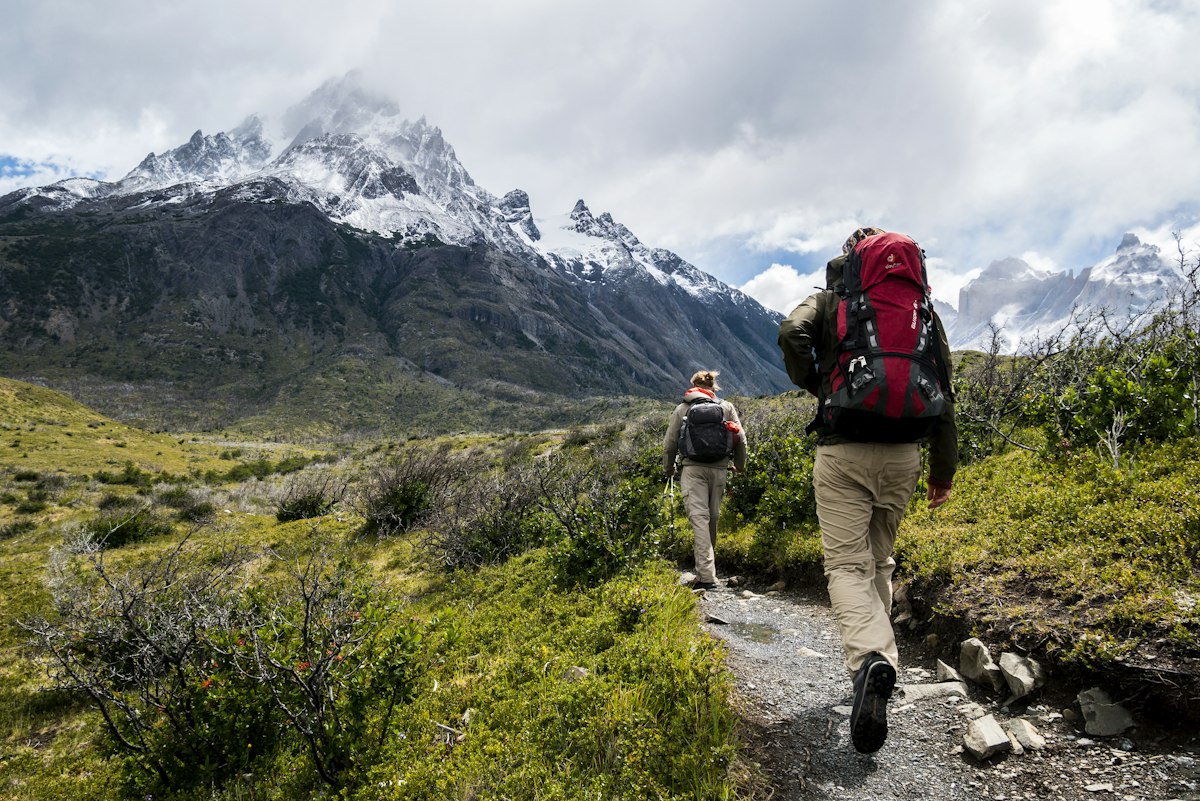
Languedoc-Roussillon Outdoor Adventures
Languedoc-Roussillon, the sunlit southwestern corner of Occitanie featured in our definitive [Languedoc-Roussillon Location Guide](/location-guide/languedoc-roussillon-france), stretches from the Pyrenean foothills near Font-Romeu’s Olympic training slopes — explored in our [Font-Romeu Ski Property Market Guide](/guides/font-romeu-ski-properties) — to the Camargue wetlands, with 200km of Mediterranean coastline where the Pink City of Carcassonne and vertiginous Cathar castles like Quéribus and Peyrepertuse (detailed in our [Cathar Castles Accommodation Guide](/guides/cathar-castles-accommodation)) stand guard. Montpellier-Saint-Roch TGV station connects Paris to the region’s capital in 3h25m, while Ryanair’s flights to Béziers Cap d’Agde Airport — covered in our [Béziers Coastal Property Insights](/guides/beziers-coastal-properties) — deliver visitors directly to wine country. Summer sees occupancy peak along the coastal strip from Cap d’Agde’s art deco hotels (analysed in our [La Grande-Motte Hotel Investment Guide](/guides/grande-motte-hotels)) to Collioure’s pastel harbour, but inland vineyards (profiled in our [Languedoc Wine Estate Buyer’s Guide](/guides/languedoc-wine-estates)) and historic sites like Pont du Gard sustain shoulder-season trade. This is France’s largest wine region, producing robust Languedoc AOCs from Corbières to Pic Saint-Loup, yet also a land of duality where Occitan street signs appear in villages like Prades (featured in our [Pyrénées-Orientales B&B Market Report](/guides/pyrenees-orientales-bnb)), and where Pézenas’ antique district — unpacked in our [Pézenas Gîte Market Guide](/guides/pezenas-gites) — contrasts with La Grande-Motte’s modernist architecture.
View Adventures in Languedoc-Roussillon | All Locations