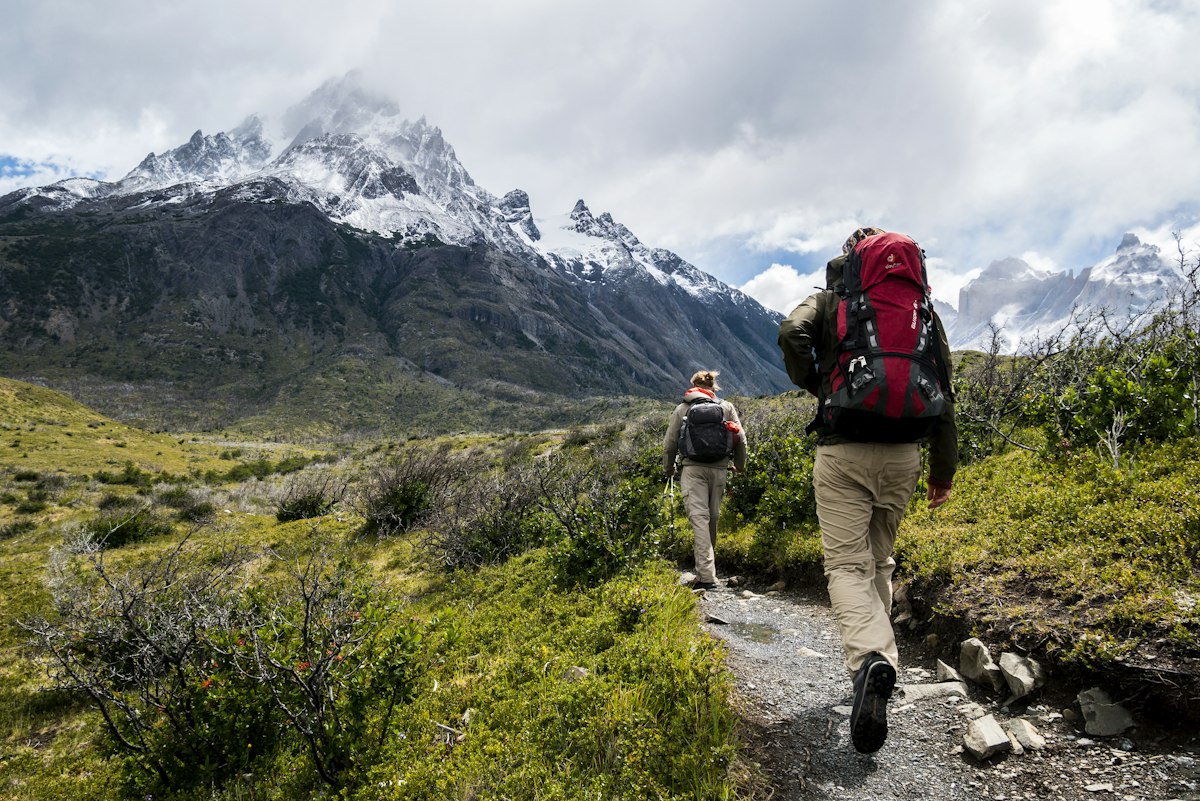
🏔️ Discovering Spain's Geographic Diversity
Spain's position on the Iberian Peninsula creates an extraordinary Playground for adventure seekers. Stretching from the Atlantic Ocean to the Mediterranean Sea, the country encompasses dramatic mountain ranges, sun-drenched coastlines, and vast interior plateaus. The Pyrenees form a natural border with France in the north, while the Sierra Nevada rises majestically in Andalusia's south. Between these extremes lie the Picos de Europa, Sistema Central, and countless regional parks. This geographic variety means you can ski in the morning and swim in the afternoon during certain seasons. The mainland covers approximately 505,000 square kilometers, complemented by the Balearic and Canary Islands. Each region presents distinct terrain characteristics, from Galicia's green valleys to Castilla's arid plains, making Spain one of Europe's most topographically diverse nations for outdoor pursuits.
🚀 Planning Your Adventure Journey
Beginning your exploration of Spain outdoor activities requires thoughtful preparation and understanding of regional access points. Major international airports in Madrid, Barcelona, Valencia, and Málaga serve as primary gateways, with excellent connections to adventure zones. High-speed AVE trains link cities efficiently, while regional rail networks reach smaller mountain towns and coastal villages. Renting a vehicle provides maximum flexibility for accessing remote trailheads and natural parks, though many popular areas offer shuttle services during peak seasons. Spring (April-June) and autumn (September-November) deliver optimal conditions for most activities, avoiding summer's intense heat and winter's mountain snow. Accommodation options range from mountain refugios and rural casas to coastal campgrounds and boutique hotels. Booking guided experiences through certified operators ensures safety and local expertise, particularly for technical activities like canyoning or via ferrata routes. Many regions offer multi-day packages combining different activities, allowing you to sample various adventures while minimizing logistical challenges.
🦅 Encountering Spain's Wild Inhabitants
Spain's ecosystems support remarkable biodiversity that enhances every outdoor experience. The Iberian lynx, Europe's most endangered feline, roams Andalusian scrublands, while brown bears inhabit Cantabrian mountain forests. Birdwatchers flock to observe griffon vultures soaring above limestone gorges, Spanish imperial eagles patrolling dehesa landscapes, and flamingo colonies in coastal wetlands. Marine environments host dolphins, sea turtles, and occasional whale sightings along Atlantic and Mediterranean coasts. The Pyrenees shelter chamois, marmots, and the rare bearded vulture, while central Spain's steppes provide habitat for great bustards and little bustards. Wildflower enthusiasts discover endemic species in alpine meadows during spring blooms, with orchids, gentians, and edelweiss creating colorful displays. Coastal pine forests transition to cork oak woodlands and eventually to high-altitude juniper scrub, each zone supporting specialized flora. Responsible observation practices protect these species while allowing meaningful wildlife encounters that deepen your connection to Spain's natural heritage.
🗺️ Essential Destinations and Navigation Routes
The Camino de Santiago network offers hundreds of kilometers of established trails, with the French Way being most famous, starting from Saint-Jean-Pied-de-Port and crossing northern Spain to Santiago de Compostela over approximately 800 kilometers. For Spain outdoor activities focused on high mountains, the GR11 traverses the entire Pyrenees from the Mediterranean to the Atlantic, requiring 45-50 days for completion, though sections like Ordesa y Monte Perdido National Park provide spectacular multi-day segments. The Picos de Europa's Cares Gorge trail follows a dramatic river canyon between Caín and Poncebos, covering 12 kilometers of engineered pathways carved into vertical cliffs. Mediterranean coastlines feature the Camí de Ronda along Costa Brava, linking beaches and fishing villages through coastal paths with turquoise water views. Sierra de Grazalema's white villages route combines cultural exploration with limestone mountain scenery, accessible from Ronda or Jerez. Mountain bikers gravitate toward Ainsa's trail networks in Aragón or Sierra Nevada's high-altitude routes near Granada. Rock climbing concentrations exist at El Chorro's limestone walls near Málaga, Montserrat's conglomerate formations outside Barcelona, and Rodellar's overhanging caves in Huesca province. Water sports enthusiasts head to Tarifa for world-class windsurfing and kitesurfing, while kayakers explore Cabo de Gata's volcanic coastline or navigate Sella River's gentle currents in Asturias.
🎒 Practical Guidance for Safe Exploration
Understanding regional regulations ensures responsible enjoyment of Spain outdoor activities. National and natural parks require permits for camping, with designated zones and seasonal restrictions protecting sensitive ecosystems. Weather patterns shift rapidly in mountainous areas, making layered clothing, waterproof gear, and emergency supplies essential regardless of forecast. Hydration needs increase significantly under Mediterranean sun, particularly during summer months when temperatures exceed 35°C in many regions. Mobile coverage varies considerably, with mountain valleys and remote coastal sections lacking reliable signals, so offline maps and GPS devices provide crucial backup navigation. Local emergency services respond through 112, but rescue operations in remote areas may require hours, emphasizing self-sufficiency and proper trip planning. Respecting private land boundaries, closing gates, and staying on marked trails maintains positive relationships with rural communities. Tick prevention measures matter in forested areas from spring through autumn, while sun protection remains critical year-round at higher elevations where UV exposure intensifies.