Activity: Hiking | Difficulty: Hard | Location: Cusco, Peru
The Inca Trail to Machu Picchu is a challenging 4-day trek through diverse Andean landscapes, with steep ascents and descents over varied terrain.
Adventure Statistics
- Distance: 43.0km
- Duration: 6h 57m
- Elevation Gain: 1670m
- Max Elevation: 4200m
- Calories Burned: 3133
- Best Seasons: Spring, Summer, Fall
- Features: Historical_site, Viewpoint, Forest, Mountain, Trail, Wildlife_viewing
Photos
Location Overview
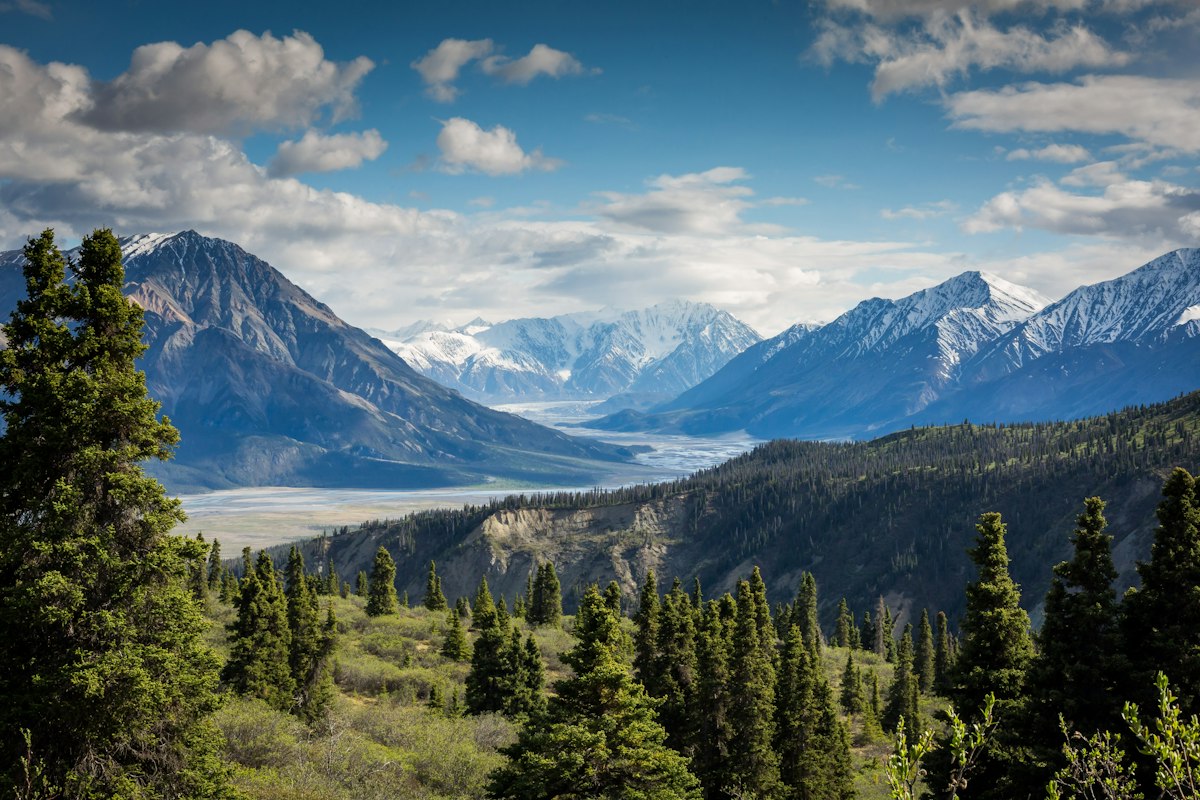
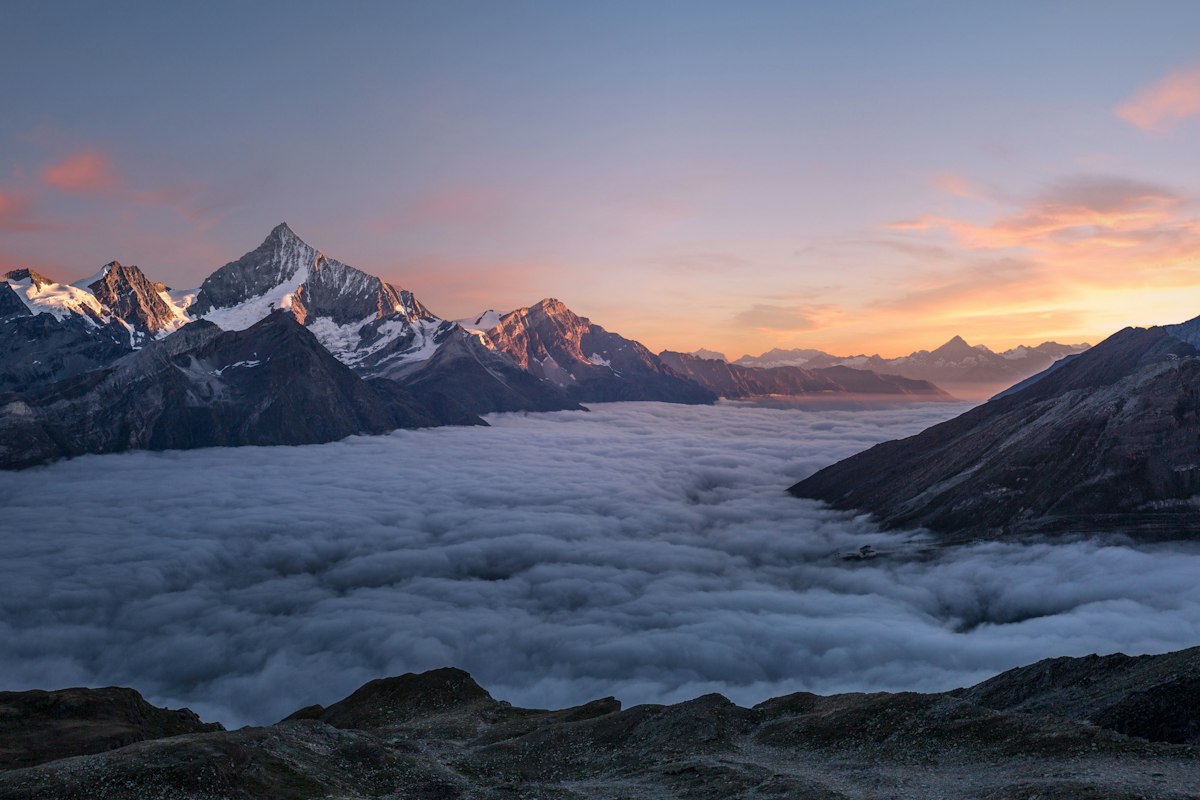
<p>The Inca Trail to Machu Picchu is nestled in the heart of the Andean highlands, a region renowned for its dramatic landscapes and rich cultural heritage. The trail begins near the town of Ollantaytambo, in the Sacred Valley of the Incas, and winds its way through a series of ecological zones, each with its own unique flora and fauna. The trail passes through cloud forests, montane grasslands, and high-altitude puna, offering a diverse and ever-changing landscape.</p><p>The region's geography is defined by the towering Andean mountains, which create a dramatic backdrop for the trek. The trail itself is a masterpiece of Inca engineering, with carefully crafted stone steps and terraces that have endured for centuries. The trail's elevation ranges from about 2,600 meters at the start to a high point of 4,200 meters at Dead Woman's Pass, providing a challenging yet rewarding experience for hikers.</p><p>What makes the Inca Trail a must-visit destination is the combination of its natural beauty and historical significance. The trail is dotted with ancient Inca ruins, each telling a story of the civilization's ingenuity and resilience. Whether you're standing at the Sun Gate, gazing upon the majestic ruins of Machu Picchu, or exploring the lesser-known sites along the way, the Inca Trail offers a profound and unforgettable experience.</p>
Key Points of Interest
<p>1. <strong>Wiñay Wayna</strong>: This stunning archaeological site, located just a few kilometers from Machu Picchu, is known for its intricate terraces and fountains. The site's name, which means 'Forever Young' in Quechua, is believed to refer to the abundant orchids that grow in the area.</p><p>2. <strong>Dead Woman's Pass</strong>: The highest point on the Inca Trail, Dead Woman's Pass, stands at an elevation of 4,200 meters. The pass offers panoramic views of the surrounding mountains and is a significant milestone for hikers.</p><p>3. <strong>The Sun Gate (Inti Punku)</strong>: This iconic gateway marks the final approach to Machu Picchu and offers a breathtaking view of the ancient city. The Sun Gate is a popular spot for photos and a moment of reflection before entering the site.</p><p>4. <strong>Runkurakay</strong>: This well-preserved Inca ruin is a small circular building that served as a rest stop and storage facility for travelers. The site offers a glimpse into the daily life of the Inca people and is a great place to stop for a picnic or a short break.</p><p>5. <strong>Sayacmarca</strong>: Located on a steep cliff, this ancient site is known for its unique architecture and panoramic views. The site includes a suspension bridge and a series of terraces, providing a fascinating look into Inca engineering.</p><p>6. <strong>Machu Picchu</strong>: The ultimate destination of the Inca Trail, Machu Picchu is a UNESCO World Heritage Site and one of the most iconic archaeological sites in the world. The city, which was built in the 15th century, is a testament to the Inca civilization's architectural and agricultural achievements.</p>
Route Waypoints
- Huayllabamba: The first campsite, located in a scenic valley.
- Dead Woman's Pass: The highest point on the trail, offering panoramic views.
- Wiñay Wayna: A beautiful archaeological site with intricate terraces.
- Sun Gate (Inti Punku): The iconic gateway to Machu Picchu, with breathtaking views.
Getting to the Start
<p>The starting point of the Inca Trail is the town of Ollantaytambo, located in the Sacred Valley of the Incas. Ollantaytambo is a picturesque town with well-preserved Inca ruins and a rich cultural heritage. To reach Ollantaytambo, you can take a bus or a train from the city of Cusco, which is about 80 kilometers away. The bus journey takes approximately 2 hours, while the train ride offers a more scenic and comfortable option, with stunning views of the Urubamba River and the surrounding mountains.</p><p>Once you arrive in Ollantaytambo, you can either stay overnight in one of the town's many hotels or head directly to the trailhead. The trailhead is located at the Km 82 marker, which is accessible by a short shuttle ride from Ollantaytambo. If you're traveling by public transport, you can take a local bus from Ollantaytambo to the Km 82 marker, which departs regularly throughout the day.</p><p>It's important to note that the Inca Trail is a regulated route, and you must obtain a permit in advance to hike the trail. Permits are limited to 500 people per day, including guides and porters, so it's advisable to book well in advance, especially during the peak season from June to August.</p>
Tips, Safety & Travel
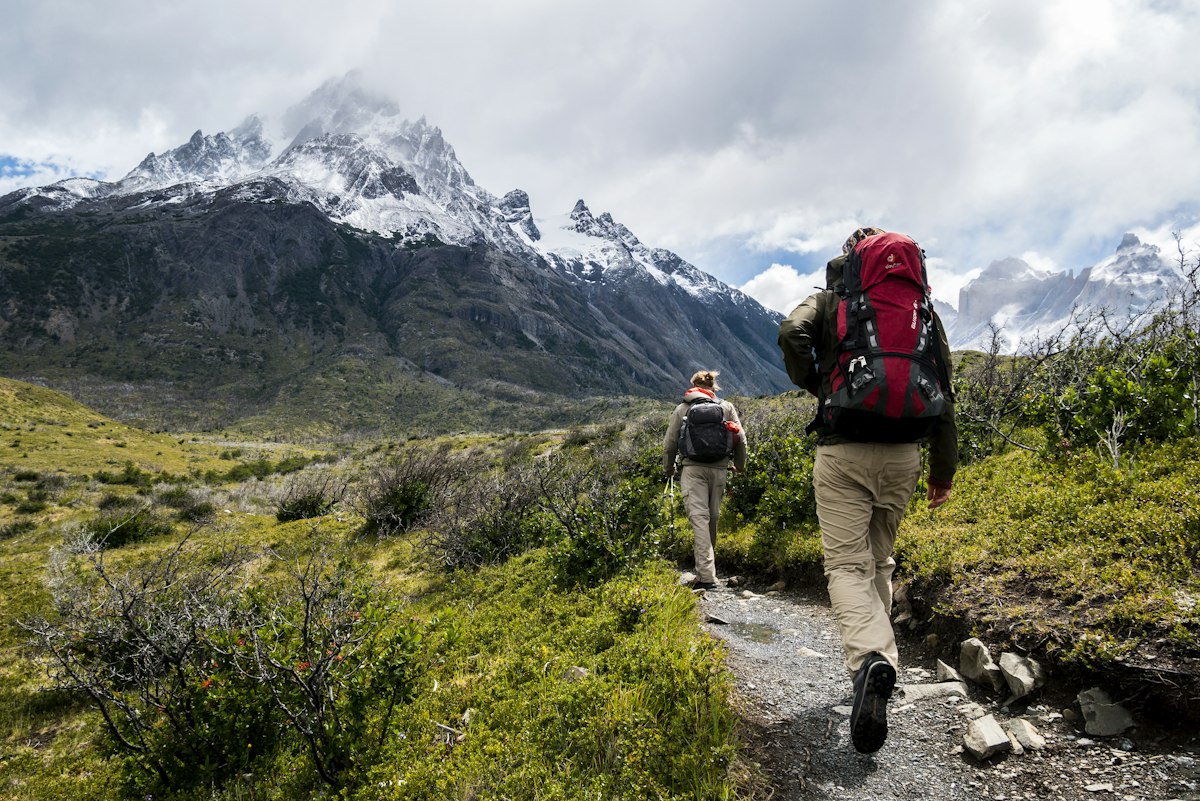
<p>Hiking the Inca Trail to Machu Picchu is a challenging but rewarding adventure. To ensure a safe and enjoyable experience, it's important to come prepared. Essential kit includes sturdy hiking boots, layered clothing, a waterproof jacket, a backpack, a water bottle, and a first-aid kit. It's also advisable to bring sunscreen, a hat, and sunglasses to protect yourself from the strong Andean sun.</p><p>Altitude sickness is a common concern for hikers on the Inca Trail, especially at the high passes. To acclimatize, it's recommended to spend at least one night in Cusco or the Sacred Valley before starting the trek. Drinking plenty of water and avoiding alcohol can also help prevent altitude sickness. If you experience symptoms such as headaches, nausea, or dizziness, inform your guide immediately, as they can provide assistance and help you descend if necessary.</p><p>The best time to hike the Inca Trail is during the dry season, from May to September, when the weather is generally sunny and the trails are less muddy. However, the trail can be crowded during this period, so it's advisable to book your permit well in advance. The wet season, from November to March, can be more challenging due to rain and slippery trails, but it also offers the advantage of fewer crowds and lush green landscapes.</p><p>In case of an emergency, it's important to stay with your group and inform your guide. The trail is well-marked, and there are emergency shelters and medical facilities along the route. It's also a good idea to carry a basic first-aid kit and a whistle to signal for help if needed.</p>
Wildlife & Nature Highlights
<p>The Inca Trail is not only a historical treasure but also a haven for wildlife enthusiasts. As you hike through the diverse ecosystems of the Andean highlands, you'll have the opportunity to observe a wide variety of flora and fauna. The cloud forests, which are found at lower elevations, are home to an abundance of plant species, including orchids, bromeliads, and ferns. These lush forests provide a habitat for numerous bird species, such as the Andean cock-of-the-rock, the torrent duck, and the Andean motmot.</p><p>As you ascend to higher elevations, the landscape transitions to montane grasslands and high-altitude puna. Here, you might spot the Andean spectacled bear, the largest land mammal in South America, as well as the Andean fox and the viscacha, a rodent that resembles a large rabbit. The Andean condor, a majestic bird with a wingspan of up to 3 meters, can often be seen soaring above the mountains, adding a sense of grandeur to the trek.</p><p>The trail is also home to a variety of reptiles, amphibians, and insects. Keep an eye out for the colorful Andean mountain lizard and the vibrant Andean toad. The region's unique geology, characterized by steep cliffs and deep valleys, has created a diverse array of microhabitats, each supporting its own community of plants and animals.</p>
Tags
- inca trail
- machu picchu
- andes
- hiking
- history
- adventure