Activity: Hiking | Difficulty: Moderate | Location: Annapurna, Nepal
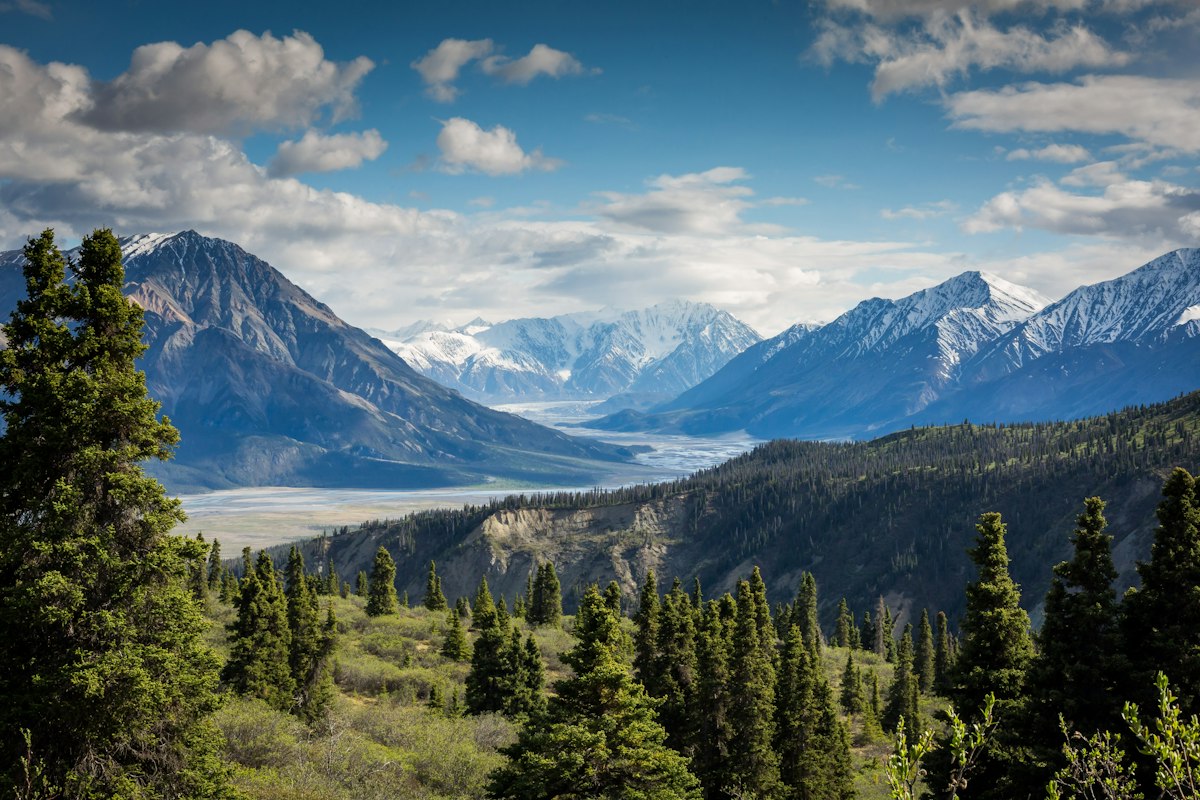
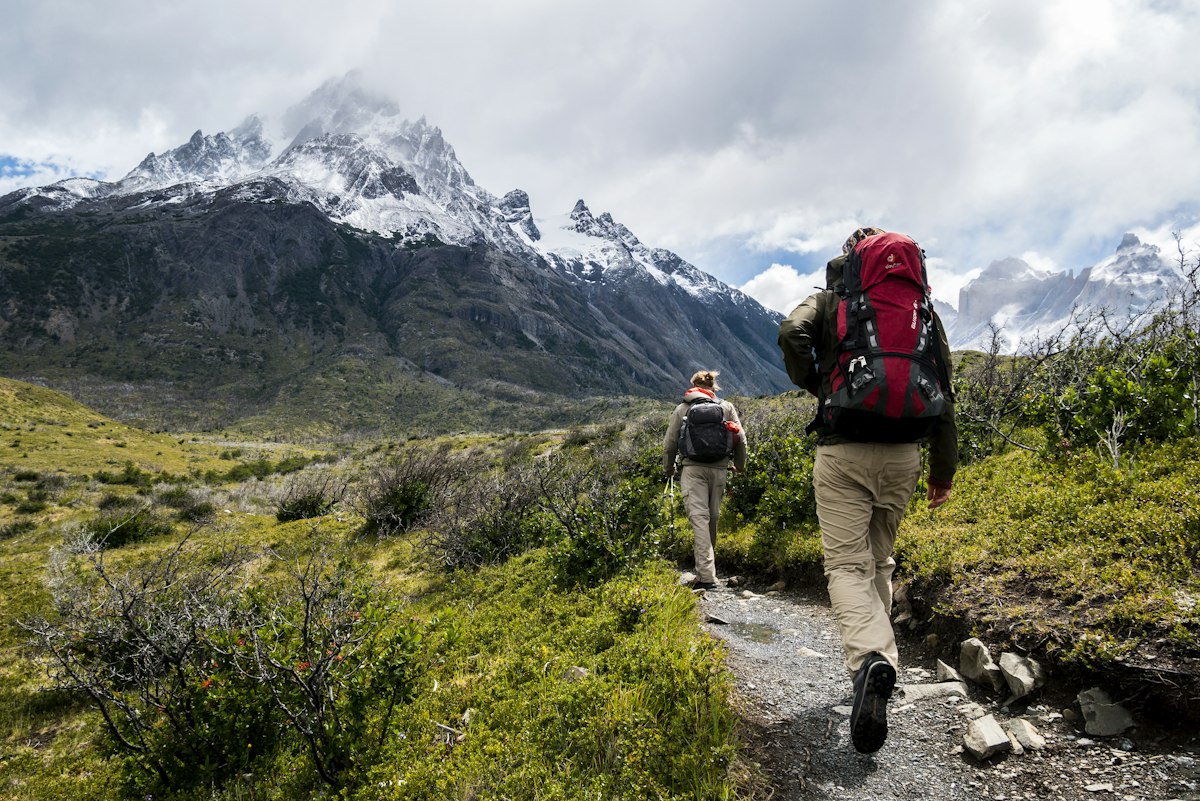
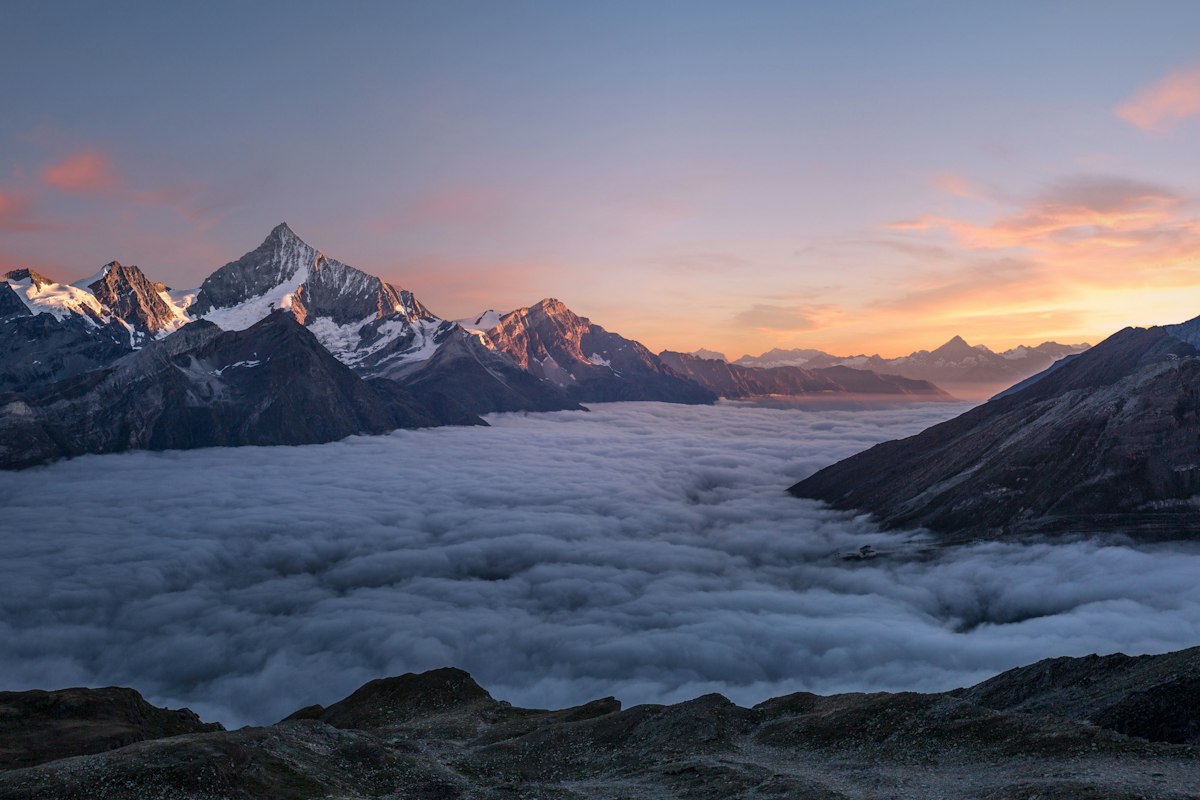
The Annapurna Base Camp Trek is a moderately challenging hike that covers a variety of terrains, from lush forests to steep mountain paths, culminating at the stunning Annapurna Base Camp.
Adventure Statistics
- Distance: 105.0km
- Duration: 12h 12m
- Elevation Gain: 3070m
- Max Elevation: 4130m
- Calories Burned: 5494
- Best Seasons: Spring, Summer, Fall
- Features: Viewpoint, Summit, Forest, River, Wildlife_viewing, Historical_site
Photos
Location Overview
<p>The Annapurna region in Nepal is a paradise for trekkers, known for its stunning mountain vistas, lush forests, and rich cultural heritage. Located in the western part of Nepal, the Annapurna range is home to some of the world's highest peaks, including Annapurna I, which stands at 8,091 meters (26,545 feet). The region is characterized by its diverse landscapes, from the subtropical forests in the lower valleys to the alpine meadows and glaciers at higher altitudes. The trek takes you through a variety of ecosystems, each with its own unique flora and fauna. The Annapurna Conservation Area, where the trek is located, is the largest and first conservation area in Nepal, dedicated to preserving the region's natural and cultural heritage. This makes it an ideal destination for those seeking a blend of adventure, natural beauty, and cultural immersion.</p>
Key Points of Interest
<p><strong>Tirthapuri Hot Springs:</strong> A natural hot spring located near the village of Tirthapuri, offering a relaxing soak after a long day of trekking.</p><p><strong>Ghorepani:</strong> A popular village known for its breathtaking views of the Annapurna and Dhaulagiri ranges, especially at sunrise.</p><p><strong>Poon Hill:</strong> A viewpoint located at an elevation of 3,210 meters, offering panoramic views of the surrounding mountains, including Annapurna, Dhaulagiri, and the Annapurna South.</p><p><strong>Tadapani:</strong> A charming village known for its traditional Nepalese architecture and the Tadapani Waterfall, a beautiful natural feature nearby.</p><p><strong>Annapurna Base Camp:</strong> The high point of the trek, located at an elevation of 4,130 meters, offering stunning views of the Annapurna massif and the surrounding valleys.</p><p><strong>Deurali:</strong> A village known for its scenic location and the start of the final ascent to Annapurna Base Camp.</p>
Route Waypoints
- Birethanti: A small village with a scenic river crossing.
- Ulleri: A steep ascent leading to a traditional Nepalese village.
- Ghorepani: A popular village with stunning mountain views, especially at sunrise.
- Poon Hill: A viewpoint offering panoramic views of the Annapurna and Dhaulagiri ranges.
Getting to the Start
<p>The starting point of the Annapurna Base Camp Trek is the village of Nayapul, which is accessible by road from the city of Pokhara. Pokhara, the second-largest city in Nepal, is a popular gateway to the Annapurna region and can be reached by domestic flights from Kathmandu or by a scenic bus ride. From Pokhara, you can take a private vehicle or a local bus to Nayapul. The journey from Pokhara to Nayapul takes approximately 2-3 hours, depending on traffic and road conditions. The road winds through picturesque landscapes, offering glimpses of the Annapurna range in the distance. Upon arrival in Nayapul, you can find ample parking space for private vehicles, and there are also local buses and taxis available for those who prefer not to drive. For those traveling by public transport, regular buses run from Pokhara to Nayapul, and the journey is a cost-effective and scenic way to start your adventure.</p>
Tips, Safety & Travel
<p>The Annapurna Base Camp Trek is a moderately challenging adventure that requires proper preparation and planning. Essential kit for the trek includes sturdy hiking boots, warm clothing, a waterproof jacket, a daypack, and a first-aid kit. It's also advisable to bring a headlamp, a water filter or purification tablets, and a reliable map or GPS device. Safety is paramount, and it's important to acclimatize properly to avoid altitude sickness. Trekking at high altitudes can be challenging, and it's essential to listen to your body and take rest days if needed. The best season for the trek is during the spring (March to May) and the fall (September to November), when the weather is generally stable and the views are clear. During the monsoon season (June to August), the trails can be slippery and visibility is reduced. In the winter (December to February), the temperatures can drop significantly, and some high passes may be closed due to snow. Always carry a copy of your travel insurance and a list of emergency contacts, and inform someone of your itinerary before you start the trek.</p>
Wildlife & Nature Highlights
<p>The Annapurna region is home to a rich variety of flora and fauna, making it a paradise for nature enthusiasts. As you trek through the lower elevations, you'll encounter lush subtropical forests dominated by rhododendron and oak trees. These forests are home to a variety of birds, including the Himalayan monal, a colorful and iconic bird of the region. As you ascend, the vegetation changes, giving way to alpine meadows and subalpine forests. These higher elevations are home to species such as the Himalayan tahr, a goat-like mammal well-adapted to the mountain environment. The region is also known for its diverse rhododendron species, which bloom in the spring, painting the hillsides in a riot of colors. The Annapurna Conservation Area is also home to a variety of medicinal plants and herbs, which have been used by local communities for generations. For those interested in geology, the region offers fascinating rock formations and glacial features, including moraines and U-shaped valleys, which provide insights into the area's geological history.</p>
Tags
- Annapurna
- Nepal
- hiking
- trekking
- mountain views
- cultural experience