Activity: Skiing | Difficulty: Expert | Location: Mont Blanc, France
The Chamonix Vallee Blanche is an expert-level off-piste ski route that descends over a vast glacial expanse, offering challenging terrain and breathtaking views of Mont Blanc.
Adventure Statistics
- Distance: 17.5km
- Duration: 59m
- Elevation Gain: 972m
- Max Elevation: 3842m
- Calories Burned: 521
- Best Seasons: Winter, Spring
- Features: Glacier, Summit, Viewpoint, Mountain, Avalanche, Cable_car
Photos
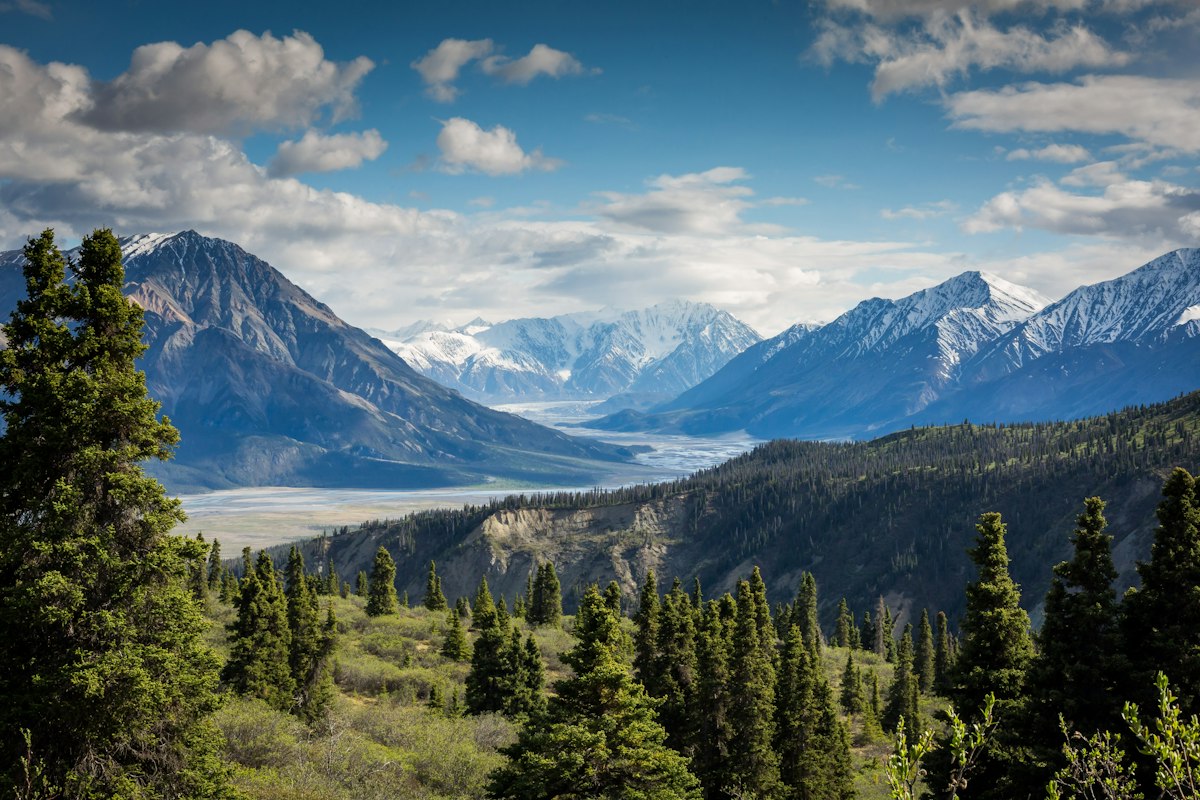


Location Overview
<p>The Chamonix Valley, located in the French Alps, is a world-renowned destination for winter sports enthusiasts. Nestled at the foot of Mont Blanc, the valley offers a stunning blend of natural beauty and adventure. The landscape is characterized by towering peaks, expansive glaciers, and lush valleys, creating a picturesque setting that is both serene and exhilarating. The Aiguille du Midi, a prominent peak that rises to an elevation of 3,842 meters, serves as the starting point for the Vallee Blanche ski route. From the summit, skiers can enjoy panoramic views of the surrounding mountains and the vast glacial expanse below. The valley is also home to a variety of flora and fauna, making it a paradise for nature lovers. The combination of its dramatic landscape, rich biodiversity, and world-class skiing facilities makes Chamonix a must-visit destination for anyone seeking an unforgettable winter experience.</p>
Key Points of Interest
<p>1. <strong>Aiguille du Midi Cable Car:</strong> The journey begins with a breathtaking ride on the Aiguille du Midi cable car, which takes you from Chamonix to an elevation of 3,842 meters. The views from the summit are simply stunning, with panoramic vistas of the Mont Blanc massif and the surrounding Alpine peaks.</p><p>2. <strong>Glacier du Géant:</strong> As you start your descent, you will ski over the Glacier du Géant, a vast expanse of ice that is one of the largest glaciers in the Alps. The glacier is characterized by its blue-tinged ice and deep crevasses, creating a dramatic and challenging ski environment.</p><p>3. <strong>Bonatti Pillar:</strong> Named after the famous Italian mountaineer Walter Bonatti, this prominent rock formation is a landmark along the route. The pillar is a testament to the rugged beauty of the Mont Blanc massif and offers a unique perspective on the surrounding landscape.</p><p>4. <strong>Plan des Aiguilles:</strong> This wide, open area at the base of the Aiguille du Midi provides a gentle slope for skiers to catch their breath and take in the views. It’s a great spot for a mid-descent break and a chance to appreciate the scale of the glaciers and peaks around you.</p><p>5. <strong>Mer de Glace:</strong> The route concludes with a descent to the Mer de Glace, one of the most famous glaciers in the Alps. The glacier is a popular tourist attraction and offers a final, memorable section of the ski route, with its dramatic ice formations and deep blue crevasses.</p><p>6. <strong>Nid d’Aigle:</strong> The final stop on the route is the Nid d’Aigle, a mountain station that marks the end of the Vallee Blanche. From here, you can take the Montenvers railway back to Chamonix, completing your adventure with a sense of accomplishment and awe.</p>
Route Waypoints
- Glacier du Géant: Vast glacial expanse with blue-tinged ice.
- Bonatti Pillar: Prominent rock formation named after Walter Bonatti.
- Plan des Aiguilles: Wide, open area for a mid-descent break.
- Mer de Glace: Famous glacier with dramatic ice formations.
Getting to the Start
<p>To reach the start of the Chamonix Vallee Blanche ski route, you will need to travel to the town of Chamonix, which is located in the Haute-Savoie department of southeastern France. The nearest major airport is Geneva International Airport, approximately 100 kilometers away. From Geneva, you can take a shuttle or rent a car to reach Chamonix. The drive takes about 1.5 to 2 hours, depending on traffic and weather conditions. Once in Chamonix, you can park your vehicle at the Aiguille du Midi car park, which is located near the base of the cable car station. Alternatively, you can use public transportation, such as the bus service provided by the Chamonix Valley Transport Network (RTMV). The Aiguille du Midi cable car is the key to accessing the start of the Vallee Blanche route. The cable car operates from early morning to late afternoon, and tickets can be purchased online or at the station.</p>
Tips, Safety & Travel
<p>The Chamonix Vallee Blanche ski route is an advanced off-piste adventure that requires careful preparation and a respect for the natural environment. Essential kit for the journey includes a helmet, avalanche beacon, probe, and shovel. It’s also advisable to carry a first-aid kit, extra layers, and high-energy snacks. Weather conditions can change rapidly in the Alps, so it’s important to check the forecast before heading out. The best season for skiing the Vallee Blanche is from late January to early April, when the snow conditions are optimal. The route is exposed to avalanche risks, so it’s crucial to ski with a guide who is familiar with the terrain and can assess the conditions. If you encounter any emergencies, the local mountain rescue service can be reached by dialing 112. Always inform someone of your plans and expected return time, and consider purchasing travel insurance that covers off-piste skiing and rescue operations.</p>
Wildlife & Nature Highlights
<p>The Chamonix Valley is a haven for wildlife, with a rich biodiversity that thrives in its diverse ecosystems. As you ski down the Vallee Blanche, you may encounter a variety of flora and fauna. The alpine meadows are home to hardy plants such as Alpine aster, edelweiss, and gentian, which bloom in the summer months. The forests surrounding the valley are dominated by coniferous trees like spruce and fir, providing shelter for numerous animal species. Wildlife enthusiasts may spot red deer, chamois, and ibex, which are common in the higher elevations. The valley is also a habitat for birds of prey, including golden eagles and bearded vultures, which can often be seen soaring above the peaks. The geology of the area is equally fascinating, with the Mont Blanc massif featuring a range of rock types, including granite and gneiss. The glaciers, such as the Mer de Glace, are dynamic features that shape the landscape and provide a unique environment for ice climbing and glacier exploration.</p>
Tags
- skiing
- off-piste
- Mont Blanc
- Chamonix
- Alps
- glacier