Activity: Skiing | Difficulty: Expert | Location: British Columbia, Canada
The Whistler Blackcomb Couloirs are an expert-level skiing route with steep descents, narrow chutes, and deep powder fields.
Adventure Statistics
- Distance: 15.0km
- Duration: 51m
- Elevation Gain: 206m
- Max Elevation: 2184m
- Calories Burned: 446
- Best Seasons: Winter, Spring
- Features: Viewpoint, Summit, Glacier, Forest, Wildlife_viewing, Gondola
Photos

Location Overview
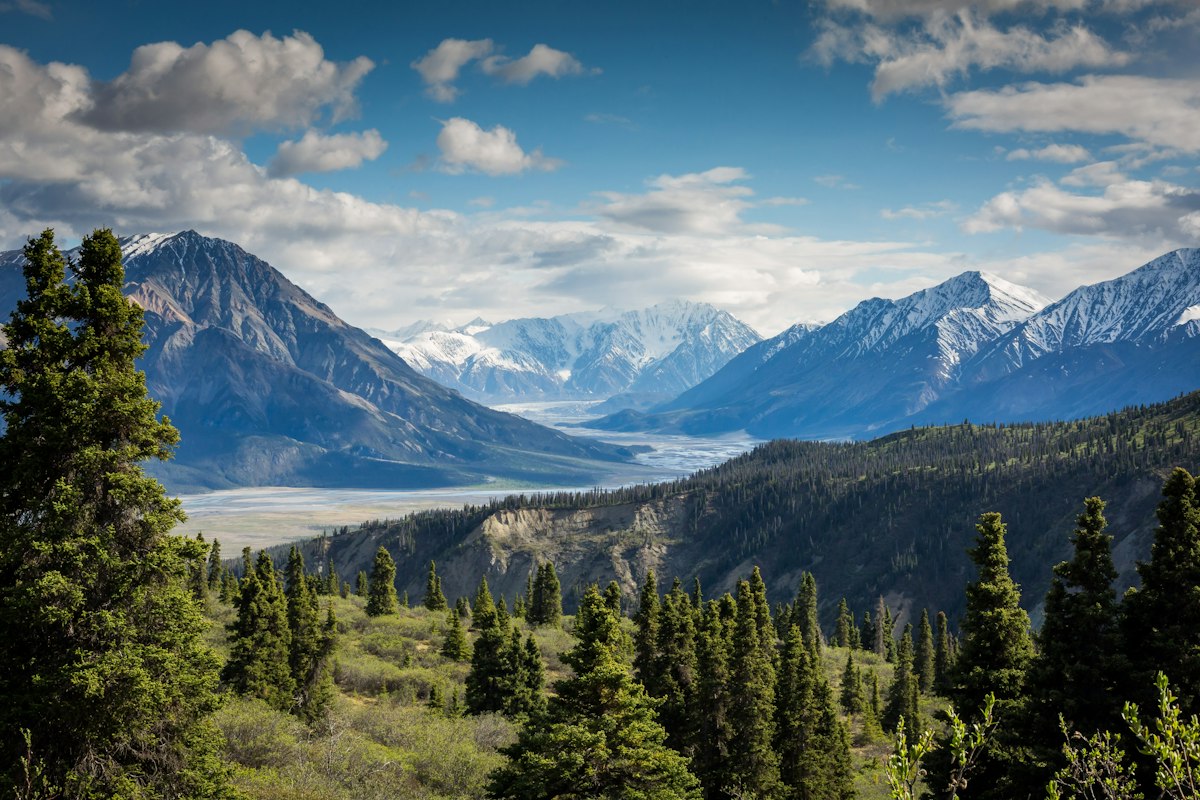
<p>The Whistler Blackcomb ski resort is nestled in the heart of the Coast Mountains, approximately 120 kilometers north of Vancouver, British Columbia. This region is known for its dramatic landscapes, characterized by towering peaks, dense forests, and expansive glaciers. The resort itself covers over 8,100 acres of skiable terrain, making it one of the largest in North America. The couloirs, in particular, are found on the north-facing slopes of Whistler Mountain and the west-facing slopes of Blackcomb Mountain. These natural chutes are formed by the steep terrain and are often filled with deep, powdery snow, creating ideal conditions for expert skiers. The surrounding area is also home to a diverse ecosystem, with a variety of plant and animal species that thrive in the alpine environment. The combination of world-class skiing and stunning natural beauty makes Whistler Blackcomb a must-visit destination for any outdoor enthusiast.</p>
Key Points of Interest
<p><strong>1. Whistler Peak:</strong> The highest point on Whistler Mountain, offering panoramic views of the surrounding peaks and valleys.</p><p><strong>2. Blackcomb Glacier:</strong> A massive glacier that provides a unique skiing experience, especially in the spring when the snow is firm.</p><p><strong>3. Harmony Chair:</strong> A high-speed quad chairlift that takes you to the upper reaches of Blackcomb Mountain, providing access to some of the most challenging couloirs.</p><p><strong>4. Couloir Extreme:</strong> One of the most famous and challenging runs, known for its steep pitch and narrow chute.</p><p><strong>5. Crystal Ridge:</strong> A scenic ridge that offers stunning views of the surrounding landscape and access to several couloirs.</p><p><strong>6. Horstman Glacier:</strong> Another glacier that provides a unique skiing experience, with a variety of runs and terrain.</p><p><strong>7. Symphony Bowl:</strong> A bowl area with a mix of open runs and trees, offering a variety of skiing options for different skill levels.</p>
Route Waypoints
- Harmony Chair: High-speed quad chairlift to the upper reaches of Blackcomb Mountain.
- Couloir Extreme: One of the most challenging runs with a steep pitch and narrow chute.
- Crystal Ridge: Scenic ridge with stunning views and access to several couloirs.
- Horstman Glacier: Unique skiing experience on a massive glacier.
Getting to the Start
<p>To reach the starting point of the Whistler Blackcomb Couloirs, you'll need to head to the resort town of Whistler, British Columbia. The nearest major city is Vancouver, which is approximately 120 kilometers (75 miles) south of Whistler. From Vancouver, take Highway 99, also known as the Sea-to-Sky Highway, northbound. This scenic route follows the coastline of Howe Sound, offering breathtaking views of the ocean and the mountains. The drive takes about 1.5 to 2 hours, depending on traffic. Once you arrive in Whistler, you can park at the Whistler Blackcomb ski resort. There are several parking options available, including the main day lot and the Whistler Village Gondola parking area. Public transportation is also an option, with the Whistler Express bus service connecting Vancouver to Whistler. From the parking areas, you can take the gondola or chairlift to the start of the couloirs.</p>
Tips, Safety & Travel
<p>Before embarking on your skiing adventure in the Whistler Blackcomb Couloirs, it's essential to be well-prepared and aware of the potential hazards. Here are some tips to ensure a safe and enjoyable experience:</p><p><strong>Essential Kit:</strong> Bring a helmet, goggles, and layers for changing weather conditions. A backpack with essentials like water, snacks, and a first-aid kit is also recommended. Consider carrying an avalanche beacon, probe, and shovel if you plan to ski off-piste.</p><p><strong>Safety Advice:</strong> Always ski with a partner or a group, and never venture into unfamiliar terrain alone. Check the avalanche forecast and avoid areas with high avalanche risk. Follow the ski patrol's advice and stay on marked trails unless you are experienced and equipped for off-piste skiing.</p><p><strong>Weather/Terrain Hazards:</strong> The weather in the Coast Mountains can be unpredictable, with rapid changes in temperature and visibility. Be prepared for strong winds, heavy snowfall, and low visibility. The terrain is steep and challenging, so only attempt the couloirs if you are an advanced skier with the necessary skills and experience.</p><p><strong>Best Season:</strong> The best time to ski the couloirs is from late January to early April, when the snow is deep and the conditions are optimal. However, the spring months (March and April) can be particularly rewarding, with warmer temperatures and more stable snow.</p><p><strong>Emergency Notes:</strong> In case of an emergency, dial 911 for assistance. The ski patrol is always on duty and can provide help if needed. Familiarize yourself with the resort's emergency procedures and the location of first-aid stations.</p>
Wildlife & Nature Highlights
<p>The Whistler Blackcomb area is rich in biodiversity, with a variety of flora and fauna that thrive in the alpine and subalpine environments. As you ski through the couloirs, keep an eye out for the following natural wonders:</p><p><strong>Flora:</strong> The slopes are covered with subalpine fir, Engelmann spruce, and alpine larch. In the summer, these areas burst with wildflowers, including lupines, heather, and avalanche lilies. The high altitude and harsh conditions have led to the evolution of unique plant species that are well-adapted to the environment.</p><p><strong>Fauna:</strong> Wildlife sightings are common, and you might spot mountain goats, black bears, and even the elusive wolverine. Ptarmigans, a type of grouse, are often seen in the higher elevations, blending in with the snow. Marmots, known for their shrill whistles, can be heard and sometimes seen sunbathing on rocks. The area is also home to a variety of birds, including golden eagles and peregrine falcons, which can be spotted soaring above the peaks.</p><p><strong>Geology:</strong> The Coast Mountains are part of the Pacific Ring of Fire, and the region's geology is a testament to its volcanic and glacial history. The rock formations in the couloirs are a mix of granite and basalt, with visible layers of sedimentary rock. Glacial moraines and U-shaped valleys are evidence of the glaciers that once shaped the landscape. The Whistler and Blackcomb glaciers are still present, although they have been receding due to climate change.</p>
Tags
- skiing
- couloirs
- Whistler Blackcomb
- Coast Mountains
- powder snow
- alpine scenery