Activity: Skiing | Difficulty: Moderate | Location: South Tyrol, Italy
The Sellaronda Ski Tour is a moderate to challenging route that covers a total distance of 40 kilometers. The terrain is diverse, with a mix of gentle slopes and more challenging runs, making it suitable for intermediate to advanced skiers.
Adventure Statistics
- Distance: 40.0km
- Duration: 2h 16m
- Elevation Gain: 1099m
- Max Elevation: 2275m
- Calories Burned: 1190
- Best Seasons: Winter
- Features: Viewpoint, Summit, Forest, Mountain, Village, Cable car
Photos

Location Overview
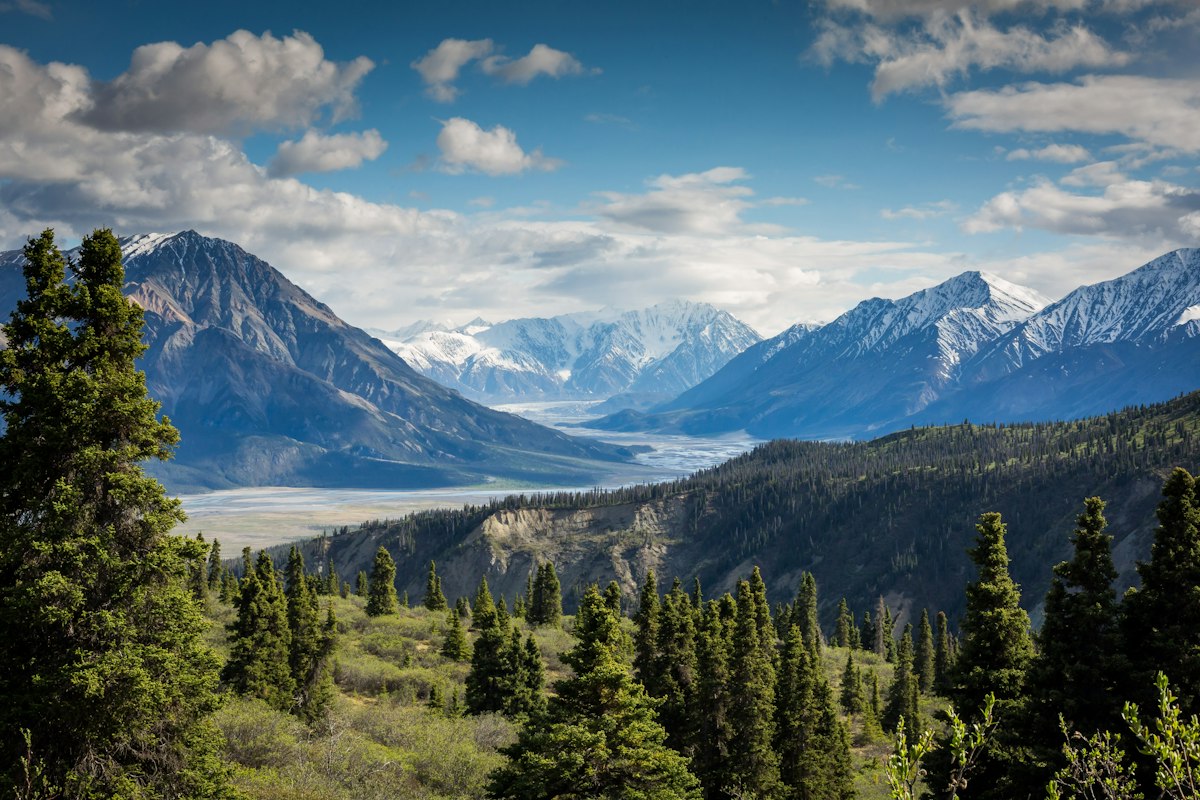
<p>The Dolomites, located in northeastern Italy, are a mountain range that forms part of the Southern Limestone Alps. They are known for their distinctive pale, almost luminous rock formations, which have earned them the nickname 'Pale Mountains.' The Sella massif, at the heart of the Sellaronda Ski Tour, is one of the most iconic areas in the Dolomites. It is characterized by dramatic peaks, deep valleys, and lush forests that create a breathtaking landscape.</p><p>The region is a UNESCO World Heritage site, recognized for its exceptional natural beauty and geological significance. The Dolomites are not just a paradise for skiers but also a haven for hikers, climbers, and nature enthusiasts. The area is home to a rich biodiversity, with numerous species of flora and fauna that thrive in the alpine environment.</p><p>The Dolomites are also steeped in history and culture. The region is a blend of Italian and Austrian influences, with a strong Tyrolean heritage. This cultural diversity is reflected in the local architecture, cuisine, and traditions. The charming villages that dot the valleys, such as Selva di Val Gardena, Ortisei, and Canazei, offer a warm welcome to visitors and a glimpse into the authentic Alpine way of life.</p><p>For skiers, the Dolomites offer a unique combination of natural beauty and world-class facilities. The ski resorts are well-maintained and equipped with modern lifts and slopes, ensuring a smooth and enjoyable experience. The Sellaronda Ski Tour is a testament to the region's commitment to preserving its natural and cultural heritage while providing top-notch recreational opportunities.</p>
Key Points of Interest
<p>1. <strong>Col Rodella</strong> - This is the starting point of the Sellaronda Ski Tour, where you can take the cable car up to the ski slopes. The panoramic views from the top are breathtaking, offering a perfect introduction to the adventure ahead.</p><p>2. <strong>Passo Sella</strong> - As you ski down from Col Rodella, you will reach Passo Sella, a high mountain pass that offers stunning views of the surrounding valleys. This is a great spot to take a break and enjoy the scenery.</p><p>3. <strong>Arabba</strong> - This charming village is located in the heart of the Sellaronda Ski Tour and is known for its excellent ski slopes and mountain huts. It is a popular stop for skiers looking to refuel and take in the views.</p><p>4. <strong>Passo Pordoi</strong> - This high mountain pass connects the Val di Fassa and the Val di Fiemme. The views from the top are simply spectacular, with panoramic vistas of the Marmolada and other peaks in the Dolomites.</p><p>5. <strong>Canazei</strong> - This lively village is a hub for winter sports and offers a wide range of activities beyond skiing. It is a great place to relax and enjoy the local culture and cuisine.</p><p>6. <strong>Col Campolongo</strong> - This is the final leg of the Sellaronda Ski Tour, where you will ski down to the starting point in Selva di Val Gardena. The descent offers one last opportunity to take in the beauty of the Dolomites before completing your adventure.</p>
Route Waypoints
- Passo Sella: High mountain pass offering panoramic views of the surrounding valleys.
- Arabba: Charming village known for its ski slopes and mountain huts.
- Passo Pordoi: High mountain pass connecting Val di Fassa and Val di Fiemme with stunning views.
- Canazei: Lively village with a wide range of winter sports activities.
Getting to the Start
<p>The starting point of the Sellaronda Ski Tour is the picturesque village of Selva di Val Gardena, which is easily accessible from major cities in Italy and neighboring countries. If you are driving, the most convenient route is via the A22 motorway, which connects Verona and Innsbruck. Exit the motorway at the Chiusa/Klausen interchange and follow the SS49 state road towards Selva di Val Gardena. The journey from Innsbruck takes approximately 1.5 hours, while from Verona, it takes about 2.5 hours.</p><p>Once in Selva di Val Gardena, you can park your car at one of the designated parking areas near the ski lifts. The village has ample parking facilities, and many of the ski resorts offer free parking for guests. If you prefer public transport, the nearest train station is in Bolzano, which is served by regular trains from major Italian cities. From Bolzano, you can take a bus to Selva di Val Gardena. The bus journey takes about 45 minutes and runs several times a day.</p><p>For those flying into the region, the closest airports are Innsbruck Airport and Verona Villafranca Airport. From Innsbruck, you can take a shuttle bus or taxi to Selva di Val Gardena, which takes about 1.5 hours. From Verona, the journey takes around 2.5 hours. Alternatively, you can rent a car at the airport and drive to the village, which offers the flexibility to explore the surrounding areas at your own pace.</p>
Tips, Safety & Travel
<p>The Sellaronda Ski Tour is a well-marked and well-maintained route, but it is important to be prepared for the conditions and to follow safety guidelines. Here are some essential tips to ensure a safe and enjoyable experience:</p><p><strong>Essential Kit:</strong> Bring a helmet, goggles, and appropriate ski gear. Layering is key, as the temperature can vary significantly throughout the day. Don't forget to pack sunscreen, as the high altitude and reflective snow can cause sunburn. A map of the ski tour and a charged mobile phone are also recommended.</p><p><strong>Safety Advice:</strong> Always ski within your ability level and be aware of other skiers on the slopes. Follow the ski area rules and use caution when approaching lifts and intersections. If you are skiing alone, let someone know your planned route and expected return time. In case of an emergency, call the local emergency number (112) and provide your location and the nature of the emergency.</p><p><strong>Weather and Terrain Hazards:</strong> Check the weather forecast before you start your tour. Avalanches can be a risk in the Dolomites, especially after heavy snowfall. Stay on marked trails and avoid off-piste skiing unless you are experienced and have the necessary equipment. The terrain can be challenging, with steep slopes and icy conditions, so be prepared for varying conditions.</p><p><strong>Best Season:</strong> The Sellaronda Ski Tour is best experienced from December to April, when the snow conditions are optimal. The Christmas and New Year's holidays are particularly popular, but the slopes can get crowded. If you prefer a quieter experience, consider visiting in January or February.</p><p><strong>Emergency Notes:</strong> Familiarize yourself with the location of first aid stations and emergency shelters along the route. The ski resorts have well-trained staff and emergency services, but it is always better to be prepared. If you are staying in a hotel or rental property, ask the staff for advice on local safety protocols and emergency procedures.</p>
Wildlife & Nature Highlights
<p>The Dolomites are home to a rich and diverse ecosystem, with a variety of flora and fauna that thrive in the alpine environment. As you ski through the Sellaronda Ski Tour, you will encounter a range of natural features that make the region a haven for nature enthusiasts.</p><p>One of the most notable aspects of the Dolomites is the unique geology. The mountains are composed of dolomite rock, which gives them their distinctive pale color and dramatic formations. The Sella massif, in particular, is known for its towering peaks and deep valleys, creating a landscape that is both awe-inspiring and geologically fascinating.</p><p>The region is also home to a variety of plant species, including alpine flowers, such as the edelweiss and the gentian, which bloom in the summer months. The forests are dominated by coniferous trees, such as spruce and larch, which provide a beautiful backdrop to the ski slopes. In the higher elevations, you may come across alpine meadows, which are carpeted with wildflowers during the warmer months.</p><p>Wildlife in the Dolomites is equally diverse. You might spot red deer, roe deer, and chamois grazing in the meadows or leaping across the rocky terrain. The region is also home to a variety of bird species, including the golden eagle, which can often be seen soaring above the peaks. Smaller animals, such as marmots and alpine hares, are also common and can be observed from the ski slopes.</p><p>One of the most unique natural features of the Dolomites is the phenomenon of the 'Enrosadira' or 'Alpenglow.' This occurs at sunrise and sunset, when the peaks of the Dolomites turn a deep shade of pink or red, creating a magical and almost otherworldly atmosphere. This natural spectacle is a must-see for anyone visiting the region and can be best experienced from the ski slopes or from one of the many mountain huts along the Sellaronda Ski Tour.</p>
Tags
- Dolomites
- Sellaronda
- ski tour
- alpine skiing
- UNESCO
- South Tyrol