Activity: Climbing | Difficulty: Expert | Location: California, USA
The El Capitan Nose Climb is an expert-level multi-pitch route that rises over 900 meters (3,000 feet) up the sheer granite face of El Capitan, offering a mix of moderate to challenging pitches.
Adventure Statistics
- Distance: 3.5km
- Duration: 2h 8m
- Elevation Gain: 1080m
- Max Elevation: 2300m
- Calories Burned: 1202
- Best Seasons: Spring, Summer, Fall
- Features: Viewpoint, Summit, Forest, River, Wildlife_viewing, Campground
Photos
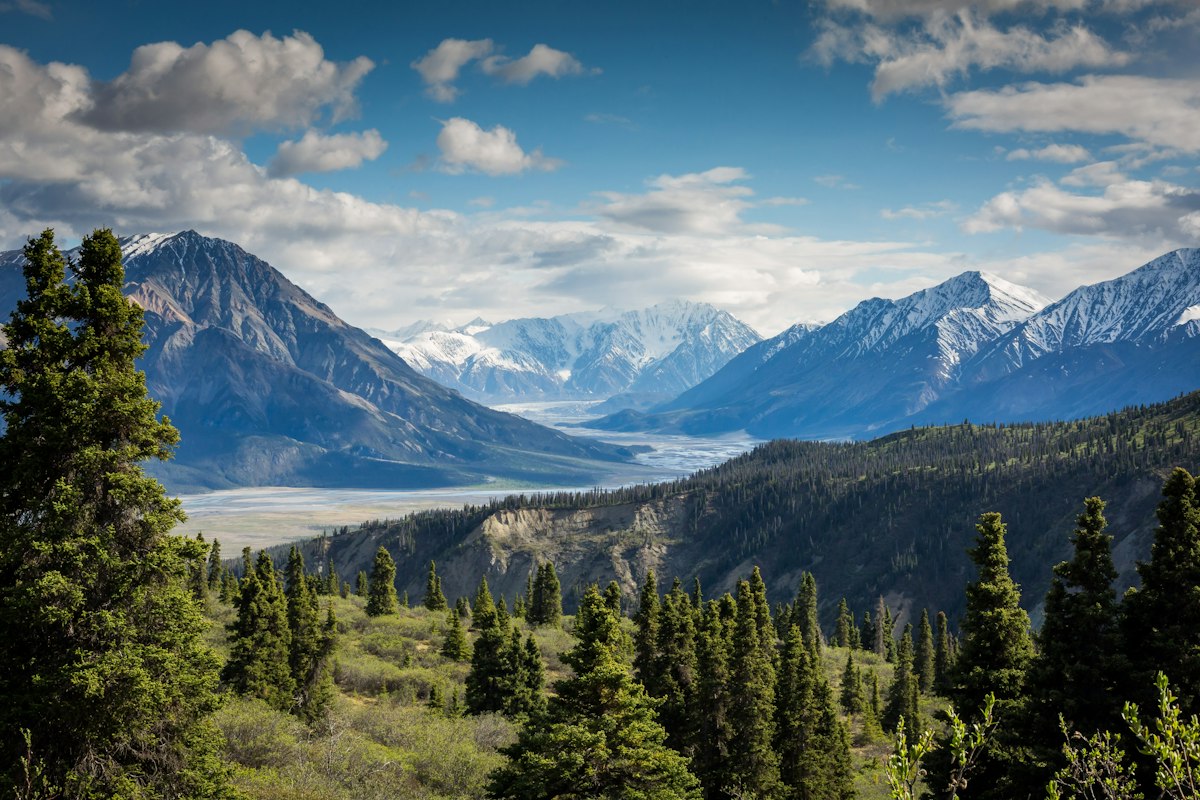


Location Overview
<p>Yosemite National Park, located in the heart of California’s Sierra Nevada mountains, is a world-renowned destination for outdoor enthusiasts. The park covers over 750,000 acres and is home to some of the most dramatic and iconic landscapes in the United States. El Capitan, one of the park's most famous landmarks, is a massive granite monolith that dominates the northern end of Yosemite Valley. Standing at over 2,300 feet tall, El Capitan is a mecca for climbers from around the world.</p><p>The park's landscape is characterized by deep valleys, towering waterfalls, and lush forests. The Merced River, which flows through the valley, adds a serene and picturesque element to the area. The surrounding mountains, including Half Dome and Sentinel Dome, provide a dramatic backdrop for climbers and hikers alike. The unique geology of the park, formed by millions of years of glacial activity, has created a diverse and challenging environment for outdoor activities.</p><p>For climbers, the El Capitan Nose Climb is a must-do adventure. The route offers a combination of technical challenges and breathtaking views, making it a true test of skill and endurance. The park's well-maintained trails and facilities, including campgrounds and visitor centers, make it an accessible and enjoyable destination for all types of adventurers.</p>
Key Points of Interest
<p>1. <strong>El Capitan Meadow</strong>: The starting point of your climb, this meadow offers a beautiful and serene setting. It's a great place to gather your gear and prepare for the ascent.</p><p>2. <strong>The Base of El Capitan</strong>: After a short hike from the parking area, you'll reach the base of the monolith. This is where the real adventure begins, with the first pitches of the climb.</p><p>3. <strong>The Great Roof</strong>: A challenging overhang that requires careful technique and strength. This section is a highlight for many climbers and offers a sense of accomplishment when overcome.</p><p>4. <strong>The Heart Ledge</strong>: A narrow ledge that provides a temporary respite from the more challenging sections of the climb. It's a great spot to take a breather and enjoy the views.</p><p>5. <strong>The Nose Proper</strong>: The most famous section of the climb, featuring a series of cracks and corners that are both technical and rewarding.</p><p>6. <strong>The Summit</strong>: After overcoming the final pitches, you'll reach the top of El Capitan. The panoramic views from the summit are truly unforgettable, offering a bird's-eye view of Yosemite Valley and the surrounding mountains.</p>
Route Waypoints
- Base of El Capitan: The start of the climbing route at the base of the monolith.
- The Great Roof: A challenging overhang that requires careful technique.
- The Heart Ledge: A narrow ledge offering a temporary respite from the climb.
- The Nose Proper: The most famous section of the climb with technical challenges.
Getting to the Start
<p>To reach the start of the El Capitan Nose Climb, you'll need to make your way to Yosemite Valley. The nearest town is El Portal, located just outside the park's western entrance. From El Portal, follow Highway 140 into the park. Once you enter Yosemite Valley, continue on Northside Drive until you reach the El Capitan Meadow. There is a large parking area here where you can leave your vehicle.</p><p>If you prefer public transportation, the Yosemite Valley Shuttle bus runs frequently and stops at the El Capitan Meadow. The shuttle is a convenient and eco-friendly way to reach the start of your climb. From the parking area, follow the well-marked trail that leads to the base of El Capitan. The trail is relatively flat and easy to navigate, making it accessible for all skill levels.</p>
Tips, Safety & Travel
<p>When planning your El Capitan Nose Climb, it's essential to be well-prepared. Essential kit includes a quality climbing harness, climbing shoes, a helmet, ropes, carabiners, and quickdraws. A first-aid kit, plenty of water, and high-energy snacks are also crucial. Weather can be unpredictable in Yosemite, so check the forecast before your trip and be prepared for changing conditions. Thunderstorms are common in the summer, so it's best to start your climb early in the day.</p><p>Always climb with a partner and use proper safety techniques. The granite on El Capitan can be loose in places, so be cautious and test holds before committing to them. The best season for climbing the Nose is typically from late spring to early fall, when temperatures are mild and the days are long. In the event of an emergency, the Yosemite Valley Visitor Center has a ranger station that can provide assistance. It's also a good idea to inform someone of your climbing plans and expected return time.</p>
Wildlife & Nature Highlights
<p>Yosemite National Park is home to a diverse range of flora and fauna, making it a paradise for nature lovers. As you make your way to the base of El Capitan, keep an eye out for the park's iconic black bears, which are often seen foraging for food. Mule deer, coyotes, and bobcats are also common inhabitants of the area. Birdwatchers will be delighted by the variety of species, including peregrine falcons, which nest on the cliffs and can often be seen soaring overhead.</p><p>The park's plant life is equally impressive, with a variety of trees, shrubs, and wildflowers. Giant sequoias, some of the oldest and largest trees on Earth, can be found in the park's groves. The meadows and forests are home to a wide range of wildflowers, which bloom in the spring and summer, adding a splash of color to the landscape. The geology of the area, with its polished granite surfaces and deep canyons, also provides a unique and fascinating backdrop for adventurers.</p>
Tags
- climbing
- granite
- multi-pitch
- Yosemite
- El Capitan
- viewpoints