Activity: Hiking | Difficulty: Hard | Location: Sierra Nevada, Capileira, Granada, Andalusia, Spain
The Mulhacén Summit via Río Mulhacén is a challenging hike with steep ascents and exposed sections, suitable for experienced hikers.
Adventure Statistics
- Distance: 25.0km
- Duration: 4h 2m
- Elevation Gain: 2379m
- Max Elevation: 3479m
- Calories Burned: 1822
- Best Seasons: Spring, Summer, Fall
- Features: Summit, Viewpoint, Forest, River, Wildlife_viewing, Parking
Photos

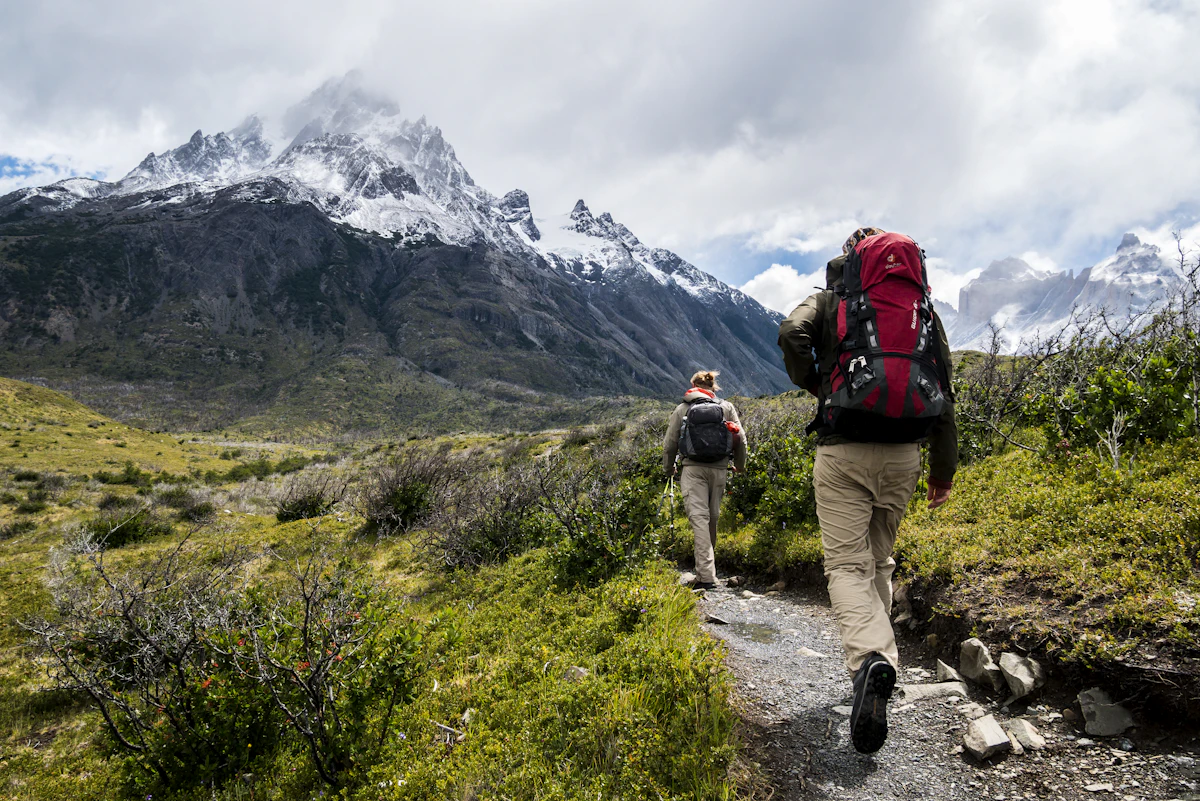
Location Overview
<p>The Sierra Nevada, located in the southern region of Andalusia, Spain, is a UNESCO Biosphere Reserve and a haven for outdoor enthusiasts. This mountain range, which stretches for about 90 kilometers, is home to some of Spain's most dramatic and diverse landscapes. The Mulhacén, the highest peak in the range, stands as a testament to the region's geological and ecological richness. The mountain's slopes are a mosaic of habitats, from the dense forests of the lower elevations to the alpine meadows and rocky summits at higher altitudes.</p><p>The Sierra Nevada is not just a destination for hikers; it is a living ecosystem that supports a wide variety of flora and fauna. The mountain's unique microclimates and varied elevations create a habitat for rare and endemic species, making it a paradise for nature lovers. The area is also steeped in history, with evidence of human habitation dating back to prehistoric times. The influence of the Moors, who ruled the region for centuries, is still evident in the local architecture, culture, and legends. The Mulhacén, with its historical and cultural significance, is a must-visit destination for anyone looking to experience the true essence of Andalusia.</p>
Key Points of Interest
<p><strong>Capileira Village:</strong> The starting point of your adventure, Capileira is a charming village with a rich history and a gateway to the Sierra Nevada.</p><p><strong>Las Eras de Busquístar:</strong> A picturesque area with traditional stone buildings and a beautiful view of the valley below.</p><p><strong>Collado de la Cruz:</strong> A high pass that offers panoramic views of the surrounding mountains and the Río Mulhacén valley.</p><p><strong>Refugio Poqueira:</strong> A mountain refuge where hikers can rest, refuel, and enjoy the stunning scenery before continuing their ascent.</p><p><strong>Collado del Pinar:</strong> Another high pass with breathtaking views, this spot is a great place to take a break and enjoy the tranquility of the mountains.</p><p><strong>Mulhacén Summit:</strong> The culmination of your journey, the summit of Mulhacén offers a 360-degree panoramic view of the Sierra Nevada and beyond, including the Mediterranean Sea on a clear day.</p>
Route Waypoints
- Las Eras de Busquístar: Traditional stone buildings with a beautiful view of the valley.
- Collado de la Cruz: High pass with panoramic views of the surrounding mountains.
- Refugio Poqueira: Mountain refuge for rest and refueling.
- Collado del Pinar: Another high pass with breathtaking views.
Getting to the Start
<p>The starting point for the Mulhacén Summit via Río Mulhacén trek is the village of Capileira, which is located in the heart of the Alpujarras region. To reach Capileira, you can drive from Granada, which is about 60 kilometers away. The journey takes approximately one hour via the A-395 and A-348 roads. If you are coming from other parts of Spain, the A-44 motorway provides a direct route to Granada. Capileira is a picturesque village with ample parking available near the trailhead. For those traveling by public transport, the nearest bus stop is in Capileira, and buses run regularly from Granada. The last bus of the day usually departs from Granada in the late afternoon, so it's advisable to check the schedules in advance.</p>
Tips, Safety & Travel
<p>Before embarking on your adventure, it's essential to be well-prepared. The Mulhacén Summit via Río Mulhacén is a challenging hike, and hikers should be in good physical condition. Essential kit includes sturdy hiking boots, layers of clothing to adapt to changing temperatures, a waterproof jacket, a hat, and sunglasses. A map, compass, and GPS device are also recommended, as the terrain can be steep and exposed in places. It's important to carry plenty of water and high-energy snacks, as there are limited water sources along the route. The best season for this hike is from late spring to early fall, when the weather is generally mild and the trails are more accessible.</p><p>Weather conditions can change rapidly in the mountains, so it's crucial to check the forecast before you set out. Thunderstorms are common in the afternoon, so starting early in the day is advisable. In case of an emergency, the nearest medical facilities are in Granada, and it's a good idea to carry a first-aid kit and a whistle to signal for help if needed. Finally, always inform someone of your route and expected return time, and consider hiking with a partner or a guided group for added safety.</p>
Wildlife & Nature Highlights
<p>The Sierra Nevada is a biodiversity hotspot, home to a rich array of flora and fauna. As you hike through the Río Mulhacén valley, you will encounter a variety of plant species, including the endemic Sierra Nevada violet and the Spanish fir, which is found only in this region. The alpine meadows are a tapestry of wildflowers, particularly in the spring and early summer, when the landscape is awash with color. The higher elevations are characterized by hardy plants adapted to the harsh, cold environment, such as the cushion plants and alpine grasses.</p><p>Wildlife enthusiasts will be delighted by the diverse fauna in the area. The Sierra Nevada is home to the Iberian ibex, a species of wild goat that is well-adapted to the mountainous terrain. These agile animals can often be seen leaping from rock to rock or grazing on the slopes. Other notable mammals include the European badger, the red squirrel, and the genet. The skies are alive with the calls of various bird species, including the golden eagle, the bearded vulture, and the alpine accentor. The area is also home to a variety of reptiles and insects, making it a fascinating place for naturalists.</p>
Tags
- Sierra Nevada
- Mulhacén
- Alpujarras
- high-altitude hiking
- mountain trek
- Spanish mountains