Activity: Hiking | Difficulty: Expert | Location: San Carlos
The Barú Volcano Summit Trek is an expert-level hike with steep inclines, high altitude, and challenging terrain, offering panoramic views from the summit.
Adventure Statistics
- Distance: 15.5km
- Duration: 2h 30m
- Elevation Gain: 1975m
- Max Elevation: 3475m
- Calories Burned: 1129
- Best Seasons: Spring, Summer, Fall
- Features: Viewpoint, Summit, Forest, Wildlife_viewing, Campground, Parking
Photos
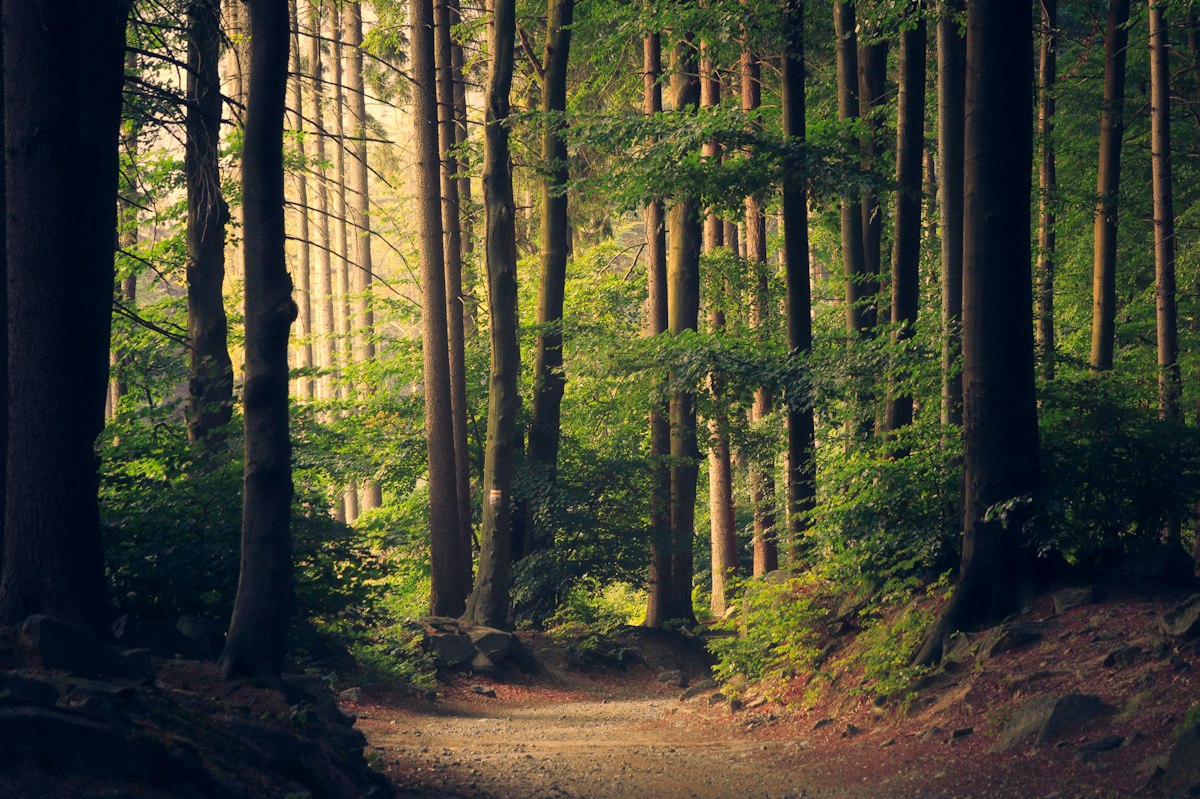
Location Overview
<p>The Barú Volcano, an extinct stratovolcano, is located in the Cordillera de Talamanca mountain range in western Panama. This region is characterized by its dramatic landscapes, which range from dense cloud forests at lower elevations to alpine meadows and rocky summits at higher altitudes. The volcano is part of the Volcán Barú National Park, which covers approximately 14,325 hectares and is home to a rich array of flora and fauna. The park's diverse ecosystems make it a haven for nature enthusiasts and a crucial habitat for many species found nowhere else in the world.</p><p>The town of Volcán, located near the base of the volcano, serves as a gateway to the trek. It offers a charming, rural atmosphere with access to basic amenities and local knowledge about the area. The surrounding area is also known for its coffee plantations, adding a unique cultural dimension to the trek. Whether you're a seasoned hiker or a nature lover, the Barú Volcano Summit Trek offers a memorable and enriching experience that showcases the best of Panama's natural and cultural heritage.</p>
Key Points of Interest
<p><strong>1. La Amistad International Park:</strong> Just a short distance from the trailhead, this park is a UNESCO World Heritage Site and a testament to the region's ecological importance.</p><p><strong>2. Cloud Forest Trail:</strong> This section of the hike offers a lush, verdant environment with a high chance of spotting local wildlife, including the Resplendent Quetzal.</p><p><strong>3. El Mirador:</strong> A scenic viewpoint that offers stunning views of the surrounding valleys and the town of Volcán below.</p><p><strong>4. Bosque de Robles:</strong> A beautiful oak forest that provides a stark contrast to the cloud forests and is a highlight of the mid-elevation trek.</p><p><strong>5. Refugio Barú:</strong> A shelter located at about 2,800 meters, where hikers can rest, refuel, and acclimate before the final push to the summit.</p><p><strong>6. Summit of Barú Volcano:</strong> The ultimate goal of the trek, offering panoramic views of the Pacific and Caribbean coasts on clear days.</p>
Route Waypoints
- Cloud Forest Entrance: Entrance to the dense cloud forest ecosystem.
- El Mirador Viewpoint: Scenic viewpoint overlooking the town of Volcán.
- Bosque de Robles: Beautiful oak forest at mid-elevation.
- Refugio Barú: Shelter for resting and acclimatizing before the summit push.
Getting to the Start
<p>The starting point for the Barú Volcano Summit Trek is typically the town of Volcán, located in the province of Chiriquí. To reach Volcán, you can drive from the capital city, Panama City, which is about a 7-hour drive. The most direct route is via the Inter-American Highway (Pan-American Highway) and then turning onto the road that leads to Volcán. If you're coming from the nearby city of David, the drive is shorter, taking approximately 1.5 hours. From David, take the road towards Cerro Punta, and then continue to Volcán.</p><p>Once in Volcán, you can find parking at the trailhead, which is well-marked and accessible. There are also a few local taxi services that can take you to the trailhead if you prefer not to drive. For those traveling by public transport, buses from David to Volcán run regularly, and you can get off at the trailhead or walk a short distance from the town center. It's a good idea to check the bus schedules in advance, as they can be infrequent outside of peak hours.</p>
Tips, Safety & Travel
<p>When planning your Barú Volcano Summit Trek, it's essential to be well-prepared for the physical and environmental challenges. Essential kit includes sturdy hiking boots, layers of clothing to adapt to changing temperatures, a rain jacket, a backpack, plenty of water, snacks, and a first-aid kit. Trekking poles can be useful for navigating steep sections and maintaining balance.</p><p>Weather conditions on the volcano can be unpredictable, with mist and rain common in the cloud forests. It's best to check the weather forecast before your trip and plan to hike during the dry season, which runs from December to April. The trail can be slippery and rocky, so be cautious, especially in wet conditions. It's also a good idea to start early in the morning to avoid the afternoon heat and to ensure you have enough daylight for the return journey.</p><p>In case of emergencies, it's important to have a plan. Carry a map and compass, and consider bringing a GPS device or a smartphone with offline maps. Inform someone of your route and expected return time. The nearest medical facilities are in the town of Volcán, and there are local guides and rangers who can assist in case of need. Always respect the natural environment and leave no trace of your passage.</p>
Wildlife & Nature Highlights
<p>The Barú Volcano and its surrounding national park are home to a diverse array of flora and fauna, making it a paradise for nature enthusiasts. As you hike through the cloud forests, keep an eye out for the Resplendent Quetzal, a stunning bird known for its vibrant green and red plumage. This species is particularly common in the higher elevations of the park and is a symbol of the region's biodiversity. Other notable bird species include the Three-wattled Bellbird, the Black Guan, and various species of hummingbirds.</p><p>Flora enthusiasts will be delighted by the variety of plant life, including epiphytes, ferns, and orchids. The park is also home to several species of trees, such as the oak and the alder, which dominate the higher elevations. The lower slopes are characterized by dense cloud forests, where the air is often misty and the vegetation is lush and green. Geologically, the area is rich in volcanic rock formations, which contribute to the unique landscape and soil composition. As you ascend, you may encounter rocky outcrops and small streams, adding to the natural beauty of the trail.</p>
Tags
- baru volcano
- panama hiking
- cloud forest
- summit trek
- volcanic landscape
- panama adventure