Activity: Hiking | Difficulty: Moderate | Location: Wicklow, Ireland
The Wicklow Way is a moderate to challenging multi-day hike with varied terrain, including gentle forest paths and steep mountain ascents.
Adventure Statistics
- Distance: 128.0km
- Duration: 12h 12m
- Elevation Gain: 600m
- Max Elevation: 550m
- Calories Burned: 5494
- Best Seasons: Spring, Summer, Fall
- Features: Waterfall, Viewpoint, Summit, Lake, Forest, Historical_site
Photos
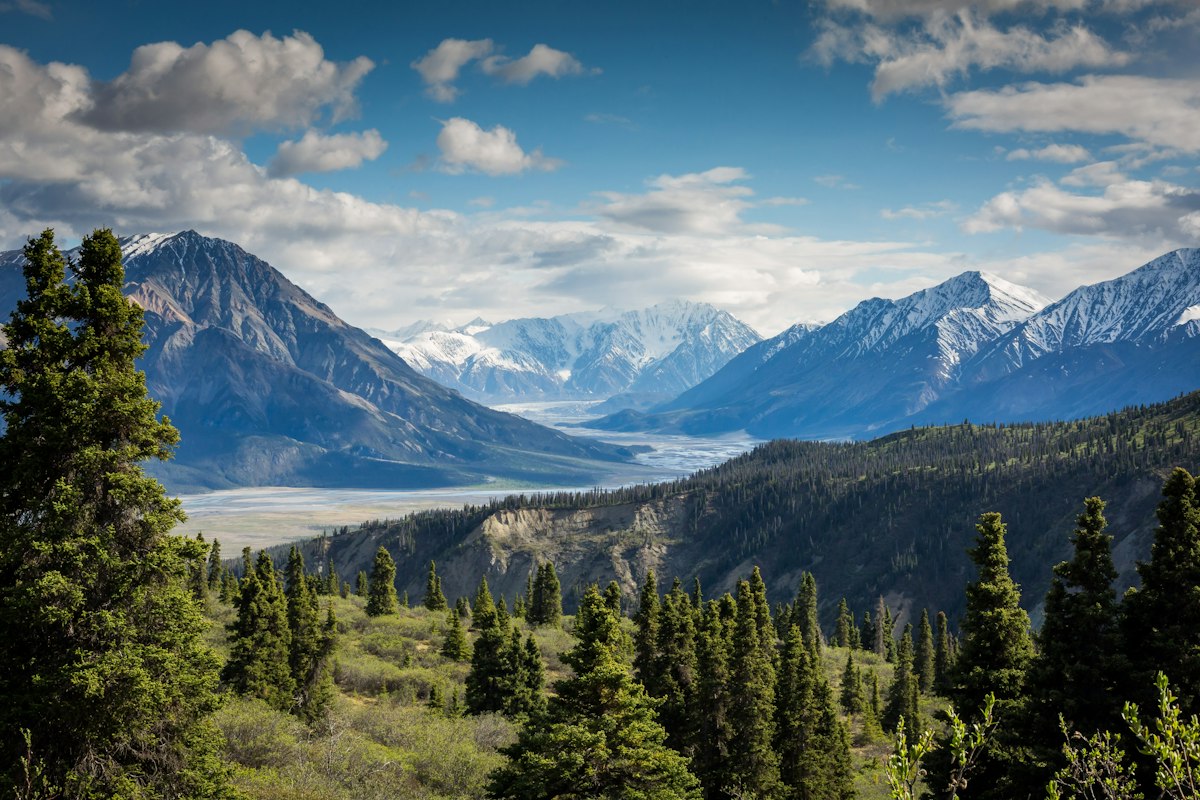


Location Overview
<p>The Wicklow Mountains, located in the eastern part of Ireland, are a haven for outdoor enthusiasts. This region, often called the Garden of Ireland, is characterized by its rolling hills, dense forests, and sparkling lakes. The Wicklow Way traverses this picturesque landscape, offering hikers a chance to experience the best of what the area has to offer. The trail begins near the village of Marlay Park in Dublin and winds its way through the heart of the Wicklow Mountains, passing through towns like Laragh and Glenmalure before ending in Aghavannagh.</p><p>The landscape along the Wicklow Way is diverse and captivating. Hikers will encounter lush woodlands, serene lakes, and dramatic mountain vistas. The trail also passes through several small towns and villages, providing opportunities to explore local culture and enjoy traditional Irish hospitality. The region is known for its mild climate, with cool summers and mild winters, making it a year-round destination for hiking. However, the best time to visit is during the spring and summer months when the weather is more favorable and the scenery is at its most vibrant.</p><p>The Wicklow Mountains are a protected area, and efforts are made to preserve the natural beauty and wildlife. The trail itself is well-maintained and marked, ensuring that hikers can enjoy the journey without worrying about navigation. Whether you're a seasoned hiker or a beginner, the Wicklow Way offers a unique and rewarding experience that will leave you with lasting memories.</p>
Key Points of Interest
<p><strong>1. Marlay Park (Start Point):</strong> The trail begins at this picturesque park, offering a gentle introduction to the hike with its well-manicured lawns and scenic paths.</p><p><strong>2. Glencree Valley:</strong> This beautiful valley is a highlight of the trail, with its serene atmosphere and stunning views of the surrounding mountains.</p><p><strong>3. Djouce Mountain:</strong> A challenging ascent that rewards hikers with panoramic views of the Wicklow Mountains and beyond.</p><p><strong>4. Powerscourt Waterfall:</strong> One of the most iconic landmarks on the trail, this 121-meter waterfall is a must-see and a great spot for a picnic.</p><p><strong>5. Glenmalure Valley:</strong> Known as Ireland's largest U-shaped glacial valley, this area is a geological wonder with its dramatic cliffs and lush forests.</p><p><strong>6. Lough Tay (The Upper Lake):</strong> This tranquil lake is a peaceful spot to rest and take in the natural beauty of the region.</p><p><strong>7. Aghavannagh (End Point):</strong> The trail concludes in this charming village, where you can celebrate your achievement with a well-deserved meal and a pint of Guinness.</p>
Route Waypoints
- Glencree Valley: A picturesque valley with serene landscapes and a historical military road.
- Djouce Mountain: A challenging ascent with panoramic views of the Wicklow Mountains.
- Powerscourt Waterfall: Ireland's highest waterfall, a stunning natural landmark.
- Glenmalure Valley: Ireland's largest U-shaped glacial valley, known for its dramatic cliffs.
Getting to the Start
<p>The starting point of the Wicklow Way is located near Marlay Park in Dublin, making it easily accessible from the city. If you're driving, you can reach the start point via the M50 motorway, taking the exit for the R115 towards Rathfarnham. From there, follow the R115 until you reach Marlay Park. There is a large car park at the park, which is suitable for both cars and larger vehicles. Parking is free, but it can get busy during peak hiking seasons, so it's a good idea to arrive early.</p><p>For those using public transport, the 16C bus route from Dublin city center to Rathfarnham is a convenient option. The bus stop is a short walk from Marlay Park. Alternatively, you can take the Luas tram to the Tallaght stop and then transfer to a bus that will take you to the start of the trail. Dublin is well-connected by public transport, making it easy to reach the Wicklow Way without a car.</p>
Tips, Safety & Travel
<p>Hiking the Wicklow Way is a rewarding but physically demanding adventure. Here are some essential tips to ensure a safe and enjoyable experience:</p><p><strong>Essential Kit:</strong> Pack a good-quality backpack with a waterproof jacket, sturdy hiking boots, a map of the trail, a compass, and a first-aid kit. A lightweight tent or a bivy bag is useful if you plan to camp along the way. Bring plenty of water, high-energy snacks, and a lightweight stove for cooking meals.</p><p><strong>Safety Advice:</strong> Always inform someone of your hiking plans, including your route and expected return date. Check the weather forecast before setting out, and be prepared for sudden changes in weather. The Wicklow Mountains can be foggy and misty, so a GPS device or a smartphone with offline maps is a good idea. Be cautious when crossing streams and rivers, especially after heavy rain.</p><p><strong>Weather and Terrain Hazards:</strong> The trail can be slippery and muddy in wet conditions, so trekking poles are recommended. The higher elevations can be exposed to strong winds, so be prepared with warm layers and a windproof jacket. In winter, the trail can be icy, and snow can make navigation more challenging. It's best to avoid hiking during severe weather conditions.</p><p><strong>Best Season:</strong> The best time to hike the Wicklow Way is during the spring (April to June) and summer (July to September) months. The weather is generally more favorable, and the days are longer, allowing for more daylight hours. However, the trail can be busy during these periods, so consider visiting in the early morning or late afternoon to avoid crowds.</p><p><strong>Emergency Notes:</strong> In case of an emergency, dial 112 for assistance. Carry a whistle and a signal mirror to attract attention if you become lost or injured. The nearest hospital is in Dublin, and there are several smaller medical facilities in the towns along the trail. Always carry a fully charged mobile phone, and consider bringing a portable charger.</p>
Wildlife & Nature Highlights
<p>The Wicklow Mountains are home to a rich variety of flora and fauna, making the region a paradise for nature lovers. As you hike along the Wicklow Way, you'll encounter a diverse range of plant and animal species. The forests are dominated by deciduous trees such as oak, ash, and birch, which provide a canopy of green throughout the summer months and a stunning display of autumn colors in the fall. The undergrowth is often thick with ferns, mosses, and wildflowers, creating a vibrant and lush environment.</p><p>Wildlife enthusiasts will be delighted by the array of animals that call the Wicklow Mountains home. Red deer, Ireland's largest land mammal, can often be spotted grazing in the open areas of the mountains. Smaller mammals such as foxes, badgers, and rabbits are also common. The region is also a haven for birdwatchers, with species like the peregrine falcon, kestrel, and skylark frequently seen. The lakes and streams are home to various fish, including trout and salmon, which attract anglers from around the world.</p><p>Geologically, the Wicklow Mountains are fascinating. The landscape is shaped by ancient granite formations, which are visible in the rocky outcrops and boulder fields. The area is also dotted with glacial features, such as moraines and U-shaped valleys, which provide a glimpse into the region's glacial past. The combination of diverse flora, fauna, and geological features makes the Wicklow Way a truly unique and enriching hiking experience.</p>
Tags
- wicklow-mountains
- multi-day-hike
- irish-trails
- scenic-hiking
- nature-adventure
- irish-culture