Activity: Nature | Difficulty: Moderate | Location: Crathie, Scotland
The Crathie Nature Reserve Trail is a moderate hike with a mix of flat terrain and gentle inclines, suitable for most fitness levels.
Adventure Statistics
- Distance: 6.2km
- Duration: 1h 25m
- Elevation Gain: 7m
- Max Elevation: 125m
- Calories Burned: 427
- Best Seasons: Spring, Summer, Fall, Winter
- Features: River, Forest, Wildlife_viewing, Picnic_area, Restrooms, Parking
Photos
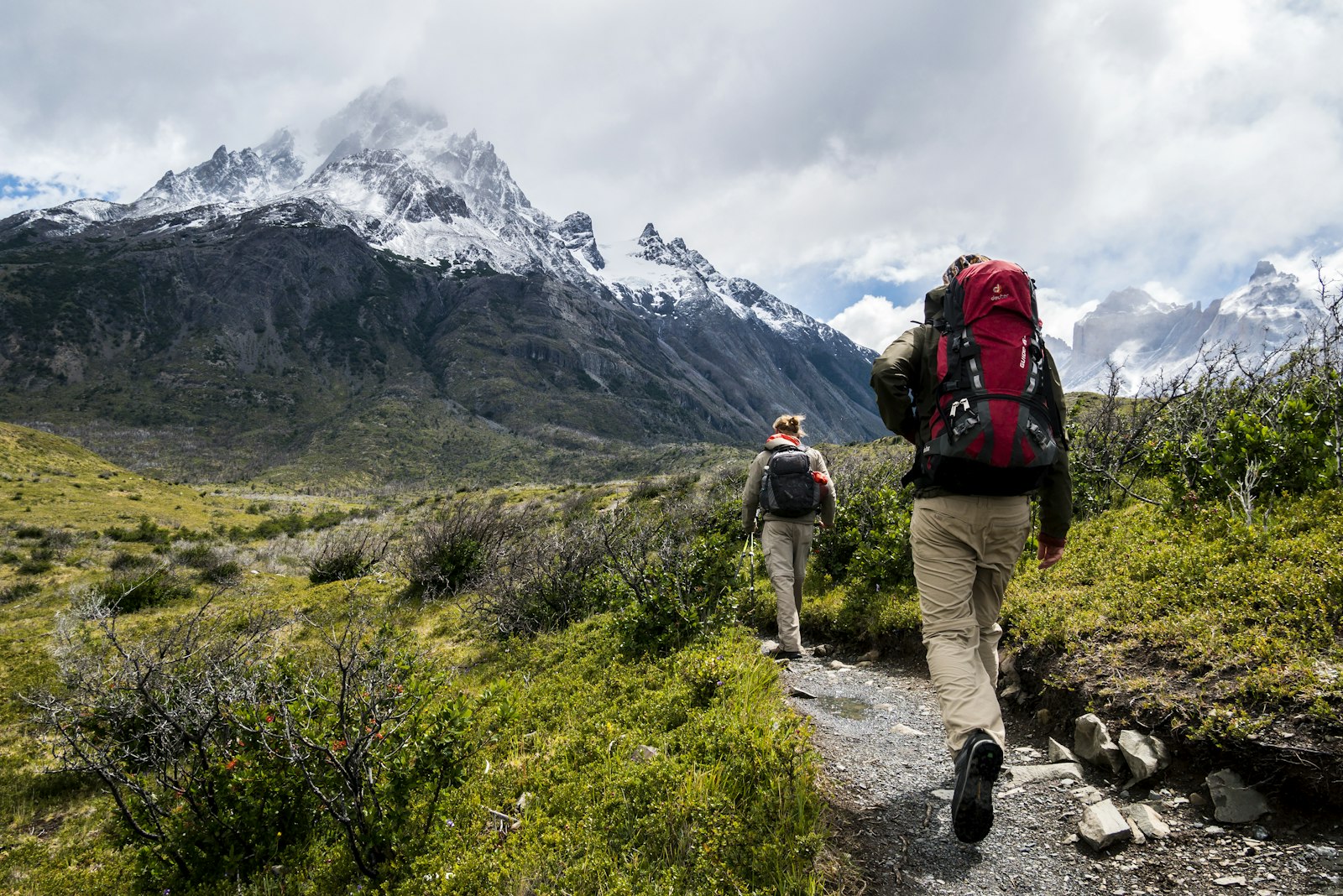
Location Overview
<p>Crathie Nature Reserve is located in the heart of Aberdeenshire, Scotland, just a short drive from the picturesque village of Crathie. The reserve is part of the wider Cairngorms National Park, one of the largest and most biodiverse protected areas in the UK. The landscape is characterized by rolling hills, dense forests, and the majestic River Dee, which flows through the reserve, creating a serene and picturesque environment.</p><p>The reserve is a haven for wildlife, with a diverse range of flora and fauna that thrive in its protected habitats. The Caledonian Forest, a remnant of the ancient woodland that once covered much of Scotland, is a key feature of the reserve. This forest is home to a variety of tree species, including Scots pine, birch, and rowan, which provide a habitat for numerous animals and birds.</p><p>The River Dee is another highlight of the reserve, known for its crystal-clear waters and abundant wildlife. The riverbanks are lined with wildflowers and shrubs, creating a vibrant and colorful landscape, especially during the summer months. The river is also a popular spot for fishing, with salmon and trout being common catches.</p><p>Crathie Nature Reserve is not only a great destination for hiking and wildlife watching but also for those interested in history. The area has a rich cultural heritage, with several historic sites and landmarks nearby. The village of Crathie, for example, is home to the Crathie Kirk, a beautiful church with a cemetery that dates back to the 18th century. The nearby Balmoral Castle, a private residence of the British Royal Family, is also a must-see for visitors to the area.</p><p>Whether you're looking for a peaceful walk in nature, a chance to observe wildlife, or a glimpse into the history of the Scottish Highlands, Crathie Nature Reserve is a fantastic destination that offers something for everyone.</p>
Key Points of Interest
<p><strong>1. Trailhead and Parking Area:</strong> The trail begins at the parking area, where you can find basic facilities and a map of the reserve. This is a great place to start your adventure and plan your route.</p><p><strong>2. River Dee Crossing:</strong> One of the first landmarks you'll encounter is a wooden bridge that spans the River Dee. The bridge offers a scenic view of the river and is a popular spot for photos.</p><p><strong>3. Caledonian Forest:</strong> As you enter the forest, you'll be surrounded by ancient pines and birch trees. The forest is a peaceful and serene environment, perfect for a relaxing walk. Keep an eye out for wildlife, especially red squirrels and birds.</p><p><strong>4. Wildlife Observation Point:</strong> The trail includes a designated wildlife observation point, where you can sit and watch for animals and birds. This is a great spot to take a break and enjoy the natural surroundings.</p><p><strong>5. Open Meadows:</strong> The trail passes through several open meadows, which are particularly beautiful during the summer months when wildflowers are in bloom. The meadows offer panoramic views of the surrounding landscape and are a great place for a picnic.</p><p><strong>6. Riverbank Picnic Area:</strong> Near the midpoint of the trail, you'll find a picturesque picnic area along the riverbank. This is a perfect spot to rest, have a snack, and enjoy the sound of the flowing water.</p><p><strong>7. Return to Trailhead:</strong> The trail loops back to the starting point, where you can return to your vehicle or continue exploring the area. The return journey offers a different perspective of the landscape, making it a rewarding experience.</p>
Route Waypoints
- River Dee Crossing: Wooden bridge offering scenic views of the river.
- Caledonian Forest: Ancient woodland home to diverse wildlife and a peaceful atmosphere.
- Wildlife Observation Point: Designated area for observing animals and birds.
- Open Meadows: Vibrant meadows with wildflowers and panoramic views.
Getting to the Start
<p>To reach the start of the Crathie Nature Reserve Trail, you can drive from the nearest town, Ballater, which is approximately 5 kilometers away. From Ballater, take the A939 north towards Crathie. As you enter the village, follow the signs for the Crathie Nature Reserve. The trailhead is located at the end of a small parking area, which is well-marked and easily accessible.</p><p>If you're traveling by public transport, the nearest train station is in Ballater, which is served by the Aberdeen to Inverness line. From the station, you can take a local bus or a taxi to Crathie. The bus service is limited, so it's a good idea to check the timetable in advance. Alternatively, you can walk from Ballater to Crathie, which takes about 1 hour and is a pleasant walk along the A939.</p><p>The parking area at the trailhead is free and can accommodate a limited number of vehicles. It's a good idea to arrive early, especially during peak season, to secure a parking spot. The trailhead is also equipped with basic facilities, including a picnic area and restrooms, making it a convenient starting point for your adventure.</p>
Tips, Safety & Travel
<p><strong>Essential Kit:</strong> Before you set out on the Crathie Nature Reserve Trail, make sure you have the following essentials: comfortable hiking shoes, weather-appropriate clothing, a water bottle, snacks, a map of the reserve, and a first-aid kit. A camera is also a good idea to capture the beautiful scenery and wildlife you'll encounter.</p><p><strong>Safety Advice:</strong> While the trail is generally well-marked and safe, it's important to stay on the designated path to avoid getting lost. Be aware of your surroundings, especially near the river, where the ground can be slippery. If you're hiking with children, keep a close eye on them to ensure they don't wander off.</p><p><strong>Weather and Terrain Hazards:</strong> The Scottish weather can be unpredictable, so it's a good idea to check the forecast before you set out. Rain can make the trails muddy and slippery, so wear appropriate footwear. In the winter, the trails can be icy, and snow can make navigation more challenging. If you're hiking in the winter, consider bringing traction devices for your shoes.</p><p><strong>Best Season:</strong> The best time to visit the Crathie Nature Reserve is during the summer months, when the weather is generally mild and the wildlife is most active. The meadows are also in full bloom, creating a vibrant and colorful landscape. However, the reserve can be visited year-round, and each season offers its own unique beauty.</p><p><strong>Emergency Notes:</strong> In case of an emergency, the nearest hospital is in Ballater, and there is a phone box at the trailhead. If you need to call for help, dial 999. It's a good idea to let someone know your planned route and expected return time, especially if you're hiking alone.</p>
Wildlife & Nature Highlights
<p>One of the most rewarding aspects of the Crathie Nature Reserve Trail is the abundance of wildlife you'll encounter along the way. The reserve is a haven for a variety of species, making it a paradise for nature enthusiasts and photographers. Here are some of the notable flora, fauna, and natural features you can expect to see:</p><p><strong>Red Squirrels:</strong> These cute and elusive creatures are a common sight in the Caledonian Forest. Keep an eye on the treetops and you might be lucky enough to spot one scampering through the branches.</p><p><strong>Roe Deer:</strong> These graceful animals are often seen in the early morning or late evening, especially in the meadows and clearings. They are shy and can be difficult to spot, but their presence adds to the magical atmosphere of the reserve.</p><p><strong>Ospreys:</strong> The River Dee is a prime location for spotting these majestic birds of prey. Ospreys are known for their impressive fishing skills and can often be seen diving into the water to catch their prey. The best time to see ospreys is during the summer months when they are most active.</p><p><strong>Dipper Birds:</strong> These small, plump birds are well-adapted to life near fast-flowing rivers. You can often spot them along the banks of the River Dee, where they dive into the water to feed on aquatic insects and small fish.</p><p><strong>Wildflowers:</strong> The meadows in the reserve are a riot of color during the summer months, with a variety of wildflowers in bloom. Look out for species such as meadow vetchling, bird's-foot trefoil, and orchids, which create a vibrant and fragrant landscape.</p><p><strong>Salmon and Trout:</strong> The River Dee is famous for its salmon and trout populations. Anglers often visit the river to fish, and you can sometimes see these fish leaping out of the water as they make their way upstream.</p><p><strong>Geology:</strong> The landscape of the reserve is shaped by the underlying geology, which includes ancient rock formations and glacial features. The river has carved out a picturesque gorge, and you can see the layers of sedimentary rock exposed along the banks.</p>
Tags
- hiking
- nature reserve
- wildlife
- river walk
- woodland
- meadows