Activity: Skiing | Difficulty: Hard | Location: Alberta, Canada
The Banff Lake Louise Ski Traverse is a challenging route suitable for intermediate to advanced skiers, featuring a mix of groomed runs and backcountry terrain with stunning views of the Canadian Rockies.
Adventure Statistics
- Distance: 25.0km
- Duration: 1h 25m
- Elevation Gain: 850m
- Max Elevation: 2200m
- Calories Burned: 744
- Best Seasons: Winter
- Features: Viewpoint, Summit, Lake, Forest, Glacier, Wildlife_viewing
Photos
Location Overview
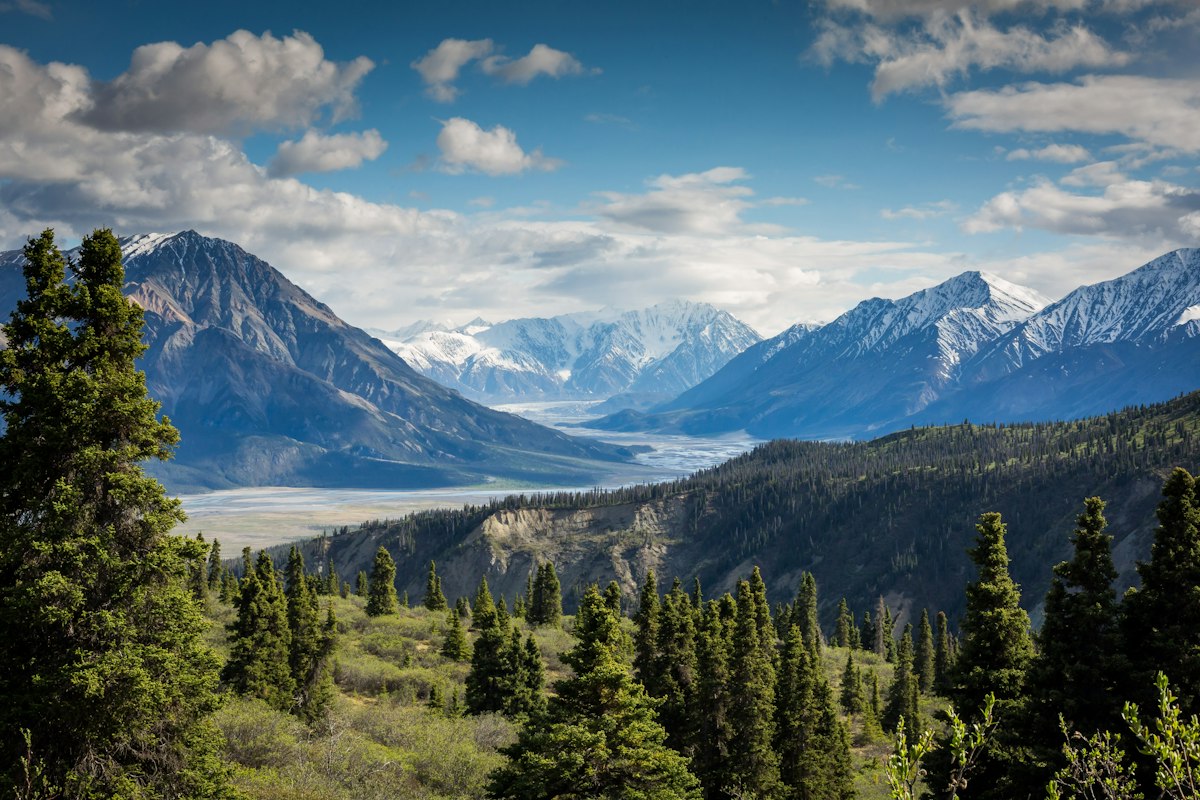
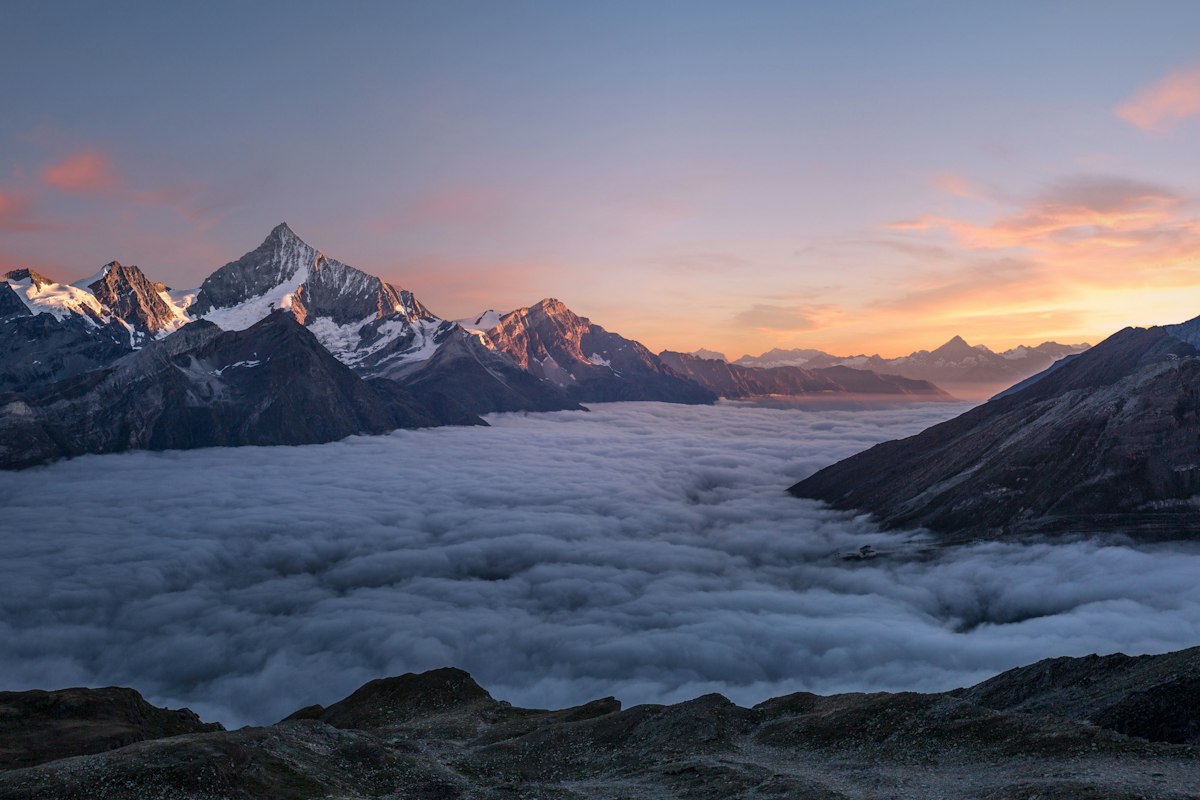
<p>The Banff Lake Louise Ski Traverse is located in the Banff National Park, Alberta, Canada, a UNESCO World Heritage Site. This region is part of the Canadian Rockies, a mountain range known for its dramatic peaks, turquoise lakes, and dense forests. The park is home to some of the most iconic landscapes in North America, including the famous Lake Louise, Moraine Lake, and the Victoria Glacier. The traverse itself covers a significant portion of the park, taking you through a variety of ecosystems, from subalpine forests to alpine meadows. The area is renowned for its year-round recreational opportunities, but winter transforms the landscape into a skier's paradise, with abundant snow and pristine conditions.</p><p>The Canadian Rockies are characterized by their rugged terrain and diverse wildlife. The mountains here are relatively young, which means they are steep and jagged, providing a perfect playground for skiers and snowboarders. The forests are dominated by Engelmann spruce and subalpine fir, while the higher elevations are home to hardy alpine plants. The area is also a haven for wildlife, with frequent sightings of elk, deer, and even the occasional grizzly bear. The combination of natural beauty and outdoor adventure makes the Banff Lake Louise Ski Traverse a must-visit destination for winter sports enthusiasts.</p>
Key Points of Interest
<p>1. <strong>Lake Louise Ski Resort</strong>: The starting point of the traverse, offering a mix of groomed runs and backcountry access.</p><p>2. <strong>Larch Valley</strong>: A stunning alpine meadow surrounded by towering peaks, offering some of the best skiing in the area.</p><p>3. <strong>Mount Temple</strong>: The highest peak in the area, providing panoramic views of the surrounding mountains and valleys.</p><p>4. <strong>Victoria Glacier</strong>: A beautiful glacier that can be seen from several points along the traverse, adding to the dramatic scenery.</p><p>5. <strong>Consolation Lakes</strong>: A pair of serene alpine lakes that offer a peaceful break from the skiing and stunning reflections of the surrounding peaks.</p><p>6. <strong>Plain of Six Glaciers</strong>: A vast, open area with multiple glaciers visible, providing a unique and challenging ski experience.</p>
Route Waypoints
- Larch Valley: Stunning alpine meadow with panoramic views of the surrounding peaks.
- Mount Temple Base: Base of the highest peak in the area, offering a challenging ascent.
- Victoria Glacier Viewpoint: Panoramic view of the Victoria Glacier and surrounding mountains.
- Consolation Lakes: Serene alpine lakes with reflections of the surrounding peaks.
Getting to the Start
<p>The starting point for the Banff Lake Louise Ski Traverse is near the Lake Louise Ski Resort, which is easily accessible from the town of Banff. The most common route is via the Trans-Canada Highway (Highway 1), which runs through Banff National Park. From Banff, follow Highway 1 west for about 50 kilometers until you reach the turnoff for Lake Louise. Continue on the Lake Louise Scenic Drive (Highway 93) for a short distance until you reach the Lake Louise Ski Resort. There is ample parking available at the resort, and it is also possible to take public transportation from Banff. The Banff Shuttle service offers regular trips to Lake Louise, making it a convenient option for those without a car.</p>
Tips, Safety & Travel
<p>Essential kit for the Banff Lake Louise Ski Traverse includes a high-quality ski or snowboard setup, avalanche safety gear (beacon, probe, and shovel), a map and compass, and plenty of warm layers. It's also advisable to carry a first-aid kit, extra food and water, and a means of communication, such as a satellite phone or GPS device. The terrain can be challenging, with steep chutes and variable snow conditions, so it's important to assess the conditions and your abilities before setting out.</p><p>Weather in the Canadian Rockies can be unpredictable, with rapid changes in temperature and visibility. It's crucial to check the forecast before heading out and to be prepared for all conditions. The best season for the traverse is typically from December to March, when the snow is most reliable and the days are longer. However, early and late season can offer unique experiences with fewer crowds and different snow conditions.</p><p>In case of an emergency, it's important to know the location of the nearest rescue services. The Lake Louise Ski Resort has a ski patrol that can provide assistance, and there are emergency phones located at key points along the route. It's also a good idea to inform someone of your planned route and expected return time, and to ski with a partner or group for added safety.</p>
Wildlife & Nature Highlights
<p>The Banff Lake Louise Ski Traverse is not only a skier's paradise but also a wildlife enthusiast's dream. The area is home to a diverse array of flora and fauna, many of which can be observed during your traverse. In the forests, you might encounter elk, deer, and moose, which are common in the subalpine regions. Higher up, you may spot mountain goats and bighorn sheep, which are well-adapted to the harsh alpine environment. The area is also home to a variety of bird species, including golden eagles, peregrine falcons, and ptarmigans. The lakes and streams in the region support a range of aquatic life, including trout and other fish. It's important to respect the wildlife and keep a safe distance, especially when encountering larger animals like bears and wolves.</p><p>The geology of the Canadian Rockies is equally fascinating. The mountains here are part of the Rocky Mountain System, which was formed by tectonic activity over millions of years. The rock formations are primarily composed of sedimentary layers, including limestone, sandstone, and shale. The glaciers that once covered the region have left behind a landscape of U-shaped valleys, moraines, and glacial lakes. The Victoria Glacier, visible from the traverse, is a remnant of this glacial past and a testament to the powerful forces that shaped the landscape.</p>
Tags
- backcountry skiing
- Canadian Rockies
- Lake Louise
- winter adventure
- mountain views
- wildlife