Activity: Cycling | Difficulty: Moderate | Location: Central Belt, Scotland
The Coast to Coast Scotland Bikepacking route in the Central Belt is a moderate challenge, offering a mix of flat and hilly terrain. The route is well-marked and suitable for cyclists of varying skill levels.
Adventure Statistics
- Distance: 160.0km
- Duration: 2h 50m
- Elevation Gain: 340m
- Max Elevation: 350m
- Calories Burned: 1709
- Best Seasons: Spring, Summer, Fall
- Features: Viewpoint, Summit, River, Forest, Historical_site, Parking
Photos

Location Overview
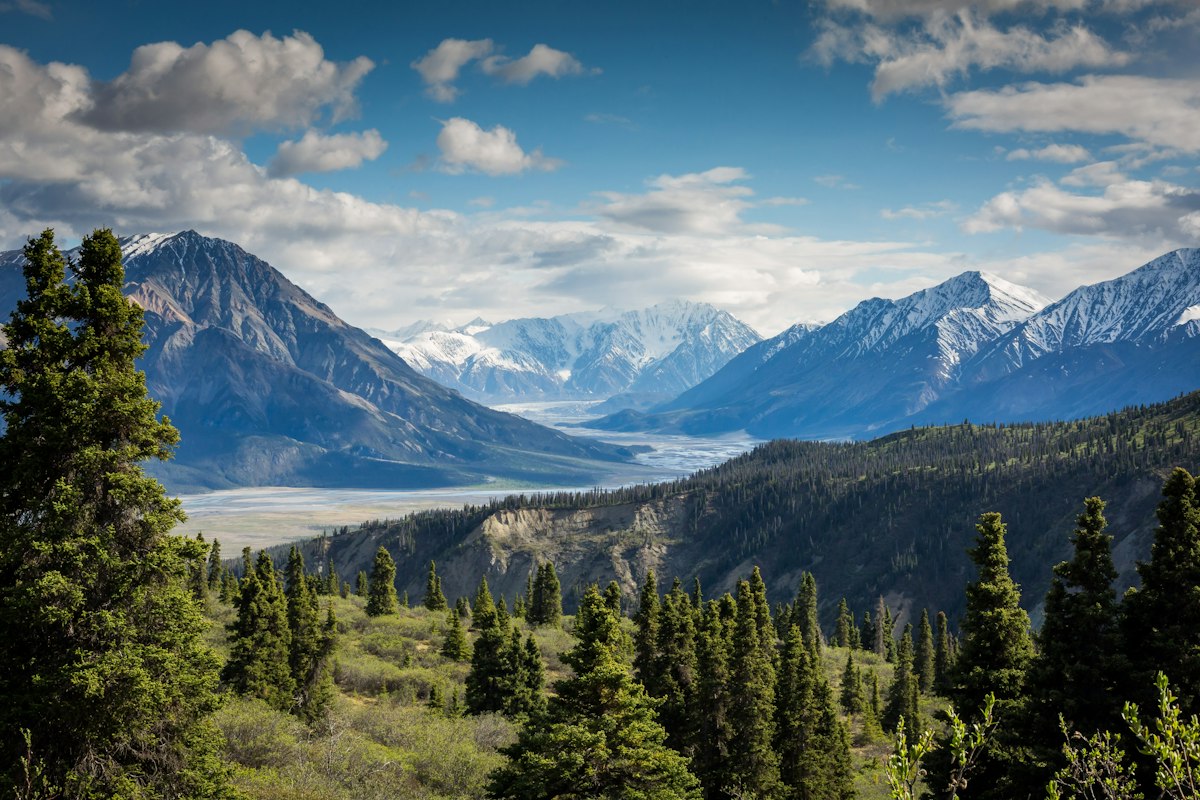
<p>The Central Belt of Scotland is a region that spans the central part of the country, stretching from the eastern coastal town of Dunbar to the western coastal town of Helensburgh. This area is characterized by a diverse landscape that includes rolling hills, dense forests, historic towns, and vibrant cities. The region is home to a rich tapestry of natural and cultural attractions, making it a fantastic destination for cycling enthusiasts.</p><p>The Central Belt is known for its gentle rolling hills, which provide a mix of challenging climbs and rewarding descents. The eastern part of the region, particularly East Lothian, is dominated by fertile farmland and charming coastal villages. As you move westward, the terrain becomes more varied, with the Pentland Hills offering stunning views and a more rugged landscape. The Union Canal, which runs through the heart of the Central Belt, adds a unique element to the region, connecting the eastern and western coasts and providing a tranquil route for cyclists.</p><p>One of the most appealing aspects of the Central Belt is its accessibility. The region is well-connected by road and rail, making it easy to reach from major cities like Edinburgh and Glasgow. The area is also home to a network of well-maintained cycling routes, including the John Muir Way and the Union Canal Towpath, which are perfect for both short day trips and longer bikepacking adventures. The Central Belt's blend of natural beauty and cultural heritage makes it a must-visit destination for anyone looking to explore Scotland by bike.</p>
Key Points of Interest
<p><strong>Dunbar Harbour</strong>: Your journey begins at the picturesque Dunbar Harbour, a historic port that has been a center of maritime activity for centuries. The harbor is a charming spot to start your adventure, with its quaint cottages and bustling fishing boats. Take a moment to explore the town and perhaps grab a coffee or a snack before setting off.</p><p><strong>John Muir Way</strong>: As you leave Dunbar, you'll follow the John Muir Way, a long-distance route that traces the eastern coast of Scotland. This section of the route offers stunning views of the North Sea and the rolling hills of East Lothian. The John Muir Way is well-marked and suitable for cyclists of all levels, making it an excellent introduction to the Central Belt's natural beauty.</p><p><strong>Pentland Hills</strong>: One of the highlights of the route is the ascent into the Pentland Hills, a range of hills that offer panoramic views of the surrounding landscape. The climb is challenging but rewarding, with the summit providing a perfect spot for a picnic and a chance to catch your breath. The hills are also home to a variety of wildlife, including birds of prey and red squirrels.</p><p><strong>Union Canal</strong>: After the hills, the route follows the Union Canal, a historic waterway that connects the eastern and western coasts of Scotland. The canal towpath is a flat, well-maintained route that offers a peaceful and scenic ride. The canal is surrounded by lush greenery and is a haven for wildlife, making it a delightful break from the more challenging sections of the route.</p><p><strong>Glasgow City Center</strong>: As you approach the western end of the route, you'll enter the vibrant city of Glasgow. Known for its rich cultural heritage, stunning architecture, and warm hospitality, Glasgow provides a stark contrast to the rural landscapes you've traversed. The city is a great place to stop for a meal, explore museums, or simply soak in the lively atmosphere before continuing your journey.</p><p><strong>Helensburgh Pier</strong>: The final destination of your bikepacking adventure is the coastal town of Helensburgh, located on the Firth of Clyde. The town's pier offers a picturesque endpoint to your journey, with views of the sea and the surrounding hills. Helensburgh is a charming town with a rich maritime history, and it's the perfect place to relax and reflect on your incredible journey across the Central Belt of Scotland.</p>
Route Waypoints
- John Muir Way Marker: A well-marked section of the long-distance route that traces the eastern coast of Scotland.
- Pentland Hills Summit: A challenging climb with panoramic views of the surrounding landscape, home to diverse wildlife.
- Union Canal Towpath: A flat, well-maintained route along the historic waterway, surrounded by lush greenery.
- Glasgow City Center: A vibrant urban area with rich cultural heritage, perfect for a mid-journey break.
Getting to the Start
<p>The starting point for the Coast to Coast Scotland Bikepacking route in the Central Belt is the charming coastal town of Dunbar, located in East Lothian. Dunbar is easily accessible by both road and public transport, making it a convenient starting point for your adventure. If you're driving, the town is well-connected by the A1, a major road that runs along the east coast of Scotland. From Edinburgh, you can take the A1 east for about 40 minutes to reach Dunbar. There is ample parking available in the town, including a large car park near the harbor.</p><p>If you prefer public transport, Dunbar is served by regular bus services from Edinburgh and other nearby towns. The town also has a train station, with services connecting to Edinburgh and other major cities. The train station is located in the center of town, just a short walk from the starting point of the route. Whether you're arriving by car, bus, or train, Dunbar offers a welcoming and picturesque starting point for your bikepacking adventure.</p>
Tips, Safety & Travel
<p>Embarking on a bikepacking adventure in the Central Belt of Scotland requires careful preparation and attention to safety. Here are some essential tips to ensure a smooth and enjoyable journey:</p><p><strong>Essential Kit</strong>: Pack a well-maintained bike with suitable tires for both paved and unpaved sections of the route. Bring a repair kit, including spare tubes, a pump, and a multi-tool. A GPS device or smartphone with a reliable map app is crucial for navigation. Don't forget a first-aid kit, a headlamp, and plenty of water and snacks. Consider bringing a lightweight tent and sleeping bag if you plan to camp along the way.</p><p><strong>Safety Advice</strong>: Always wear a helmet and high-visibility clothing, especially when cycling through urban areas. Be aware of traffic and follow all road signs and signals. When cycling on unpaved trails, watch out for loose gravel and slippery surfaces. Stay hydrated and take regular breaks to avoid fatigue. If you're cycling in a group, communicate clearly and stay together.</p><p><strong>Weather and Terrain Hazards</strong>: Scotland's weather can be unpredictable, so check the forecast before setting out. Be prepared for rain and cooler temperatures, especially in the hills. The terrain can be challenging, with steep climbs and rocky sections, so choose your route based on your skill level. In the winter, some sections of the route may be icy or snow-covered, making them more hazardous.</p><p><strong>Best Season</strong>: The best time to cycle the Coast to Coast Scotland Bikepacking route is during the summer months, from June to August. The weather is generally milder, and the days are longer, providing more daylight for your journey. Spring and fall can also be pleasant, but be prepared for cooler temperatures and the possibility of rain.</p><p><strong>Emergency Notes</strong>: Always carry a charged mobile phone and know the emergency numbers in Scotland (999 for emergencies). Inform someone of your planned route and expected return time. If you encounter any issues, seek help from local authorities or the nearest town. Stay alert and enjoy the incredible landscapes of the Central Belt of Scotland safely.</p>
Wildlife & Nature Highlights
<p>The Central Belt of Scotland is home to a diverse array of flora and fauna, making it a haven for nature enthusiasts. As you cycle through the region, you'll have the opportunity to observe a wide range of wildlife, from common species to more elusive creatures. In the coastal areas, you might spot seabirds such as gulls, terns, and cormorants. The waters off the coast are also home to seals and, if you're lucky, you might even catch a glimpse of dolphins or porpoises.</p><p>In the woodlands and forests, you'll encounter a variety of birds, including woodpeckers, robins, and blackbirds. The region is also home to red squirrels, a species that is increasingly rare in other parts of the UK. Keep an eye out for these charming creatures as you pedal through the forested areas. The Pentland Hills, with their heather-covered moors and rocky outcrops, provide a habitat for birds of prey such as kestrels, buzzards, and even golden eagles. These majestic birds can often be seen soaring overhead, adding a touch of wild beauty to your journey.</p><p>The Union Canal, with its tranquil waters and surrounding greenery, is a haven for waterfowl and small mammals. You might spot ducks, geese, and swans along the canal, as well as otters and water voles. The canal also provides a habitat for a variety of fish, including perch, roach, and pike. The diverse ecosystems of the Central Belt offer a rich and rewarding experience for those who appreciate the natural world, making this bikepacking route a true delight for wildlife enthusiasts.</p>
Tags
- cycling
- bikepacking
- Scotland
- Central Belt
- John Muir Way
- Union Canal
- Pentland Hills