Activity: Climbing | Difficulty: Moderate | Location: British Columbia, Canada
The Squamish Chief Granite Slabs offer a moderate climbing experience with a variety of routes ranging from gentle slabs to more technical face climbs. The terrain is primarily granite, providing excellent friction and a range of challenges for climbers of all skill levels.
Adventure Statistics
- Distance: 8.5km
- Duration: 2h 19m
- Elevation Gain: 600m
- Max Elevation: 700m
- Calories Burned: 1311
- Best Seasons: Spring, Summer, Fall, Winter
- Features: Viewpoint, Summit, Forest, Waterfall, Wildlife_viewing, Parking
Photos
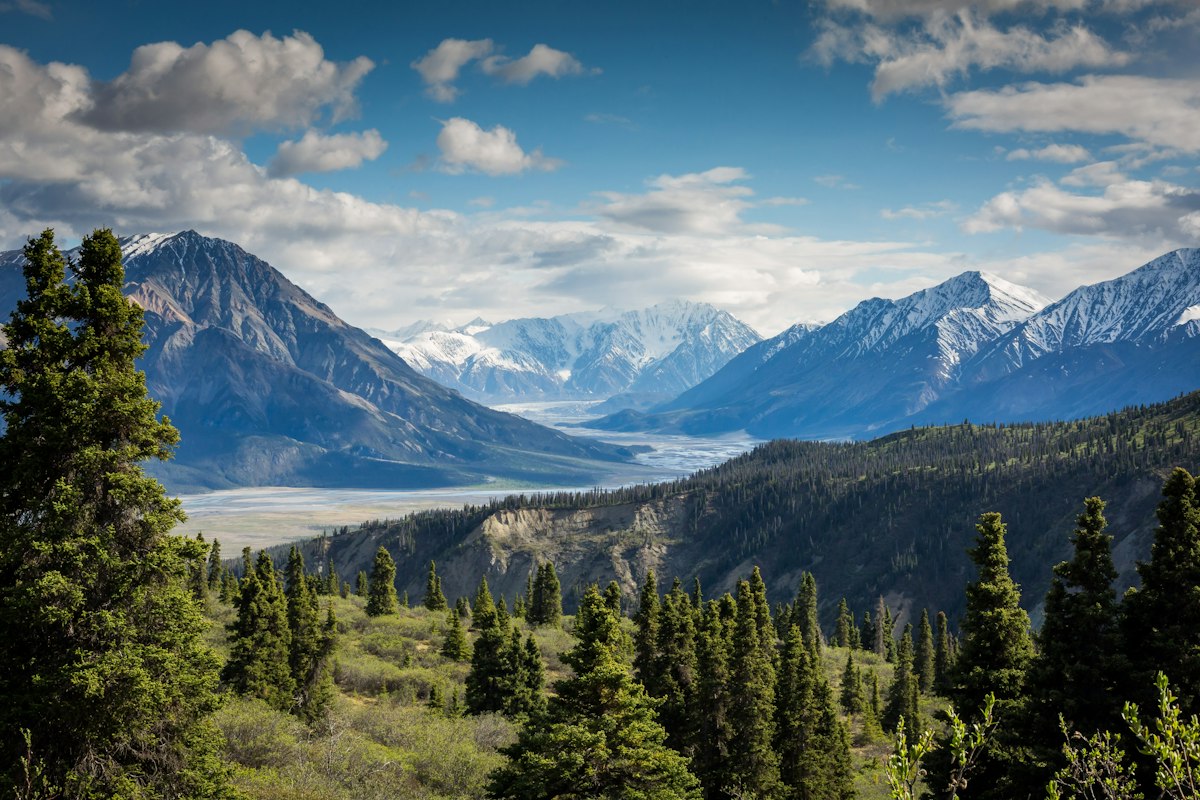


Location Overview
<p>The Squamish Chief Granite Slabs are located in the heart of British Columbia's Sea to Sky corridor, a region renowned for its dramatic landscapes and outdoor recreational opportunities. The Chief, as it is affectionately known by locals, is a massive granite monolith that rises over 1,600 feet above the surrounding forest. The area is part of the Coast Mountains, a range that stretches from the northern tip of Vancouver Island to the Alaska border. The Chief is situated just a short drive from the town of Squamish, making it easily accessible for visitors from all over Canada and beyond.</p><p>The landscape around the Squamish Chief is a mix of dense temperate rainforest, rocky outcrops, and alpine meadows. The forest is dominated by Douglas fir, western red cedar, and hemlock, creating a lush and vibrant environment that changes with the seasons. In the spring, the forest floor is carpeted with wildflowers, while in the fall, the trees turn a brilliant shade of gold and red. The area is also home to a variety of wildlife, including black bears, cougars, and a wide range of bird species, adding to the natural allure of the region.</p><p>The Squamish Chief Granite Slabs are a climber's paradise in Canada, offering a wide range of routes that cater to all skill levels. The granite is known for its excellent friction and varied texture, making it ideal for both sport and trad climbing. The area is particularly famous for its slab routes, which are gentle yet challenging, providing a perfect introduction to the sport for beginners. For more experienced climbers, there are plenty of technical face climbs and crack routes that will test even the most seasoned athletes. The Chief is a place where the natural beauty of Canada's wilderness meets the thrill of vertical adventure, making it a must-visit destination for any climbing enthusiast.</p>
Key Points of Interest
<p>The Squamish Chief Granite Slabs offer a wealth of landmarks and viewpoints that make the climb all the more rewarding. One of the first highlights you'll encounter is the Chief Joe Mathias Centre, a cultural and educational facility that provides information about the local Indigenous history and the significance of the Chief to the Squamish Nation. The center is a great place to start your adventure, offering maps, guides, and insights into the natural and cultural heritage of the area.</p><p>As you begin your climb, the Chief Trailhead is your starting point. This well-maintained trail is the main access route to the climbing areas and offers a gradual ascent through the forest. The trail is marked with signs and cairns, making it easy to follow even for those new to the area. Along the way, you'll pass by the Chief Joe Mathias Centre and the parking lot, where you can leave your vehicle and start your ascent.</p><p>One of the most iconic viewpoints on the Squamish Chief is the First Peak. This vantage point offers a panoramic view of the surrounding landscape, including Howe Sound, the town of Squamish, and the Coast Mountains. The First Peak is a popular spot for climbers to take a break, enjoy the scenery, and capture some memorable photos. From here, you can see the full extent of the Chief's granite slabs and the network of trails that crisscross the mountain.</p><p>The Chief's Slab Area is a must-visit for climbers. This section of the mountain is known for its gentle yet challenging slab routes, which are perfect for beginners and intermediate climbers. The granite is known for its excellent friction and varied texture, making it ideal for both sport and trad climbing. The Slab Area is also a social hub, where climbers gather to share tips, exchange beta, and enjoy the camaraderie of the climbing community.</p><p>The Grand Wall is another highlight of the Squamish Chief. This massive vertical face is a favorite among more experienced climbers, offering a range of technical routes that test both physical and mental strength. The Grand Wall is a place where the skills of route-finding, technique, and endurance come into play, making it a true test of a climber's abilities. The views from the top of the Grand Wall are simply breathtaking, with a 360-degree panorama that takes in the surrounding mountains, forests, and waterways.</p><p>The Summit of the Squamish Chief is the ultimate goal for many climbers. Reaching the top of this massive monolith is a rewarding experience that is both physically and mentally challenging. The summit offers a bird's-eye view of the entire region, from the Pacific Ocean to the peaks of the Coast Mountains. On a clear day, you can see as far as Vancouver Island and the Cascade Range. The sense of accomplishment and the panoramic views make the summit a memorable highlight of any climbing trip to the Squamish Chief.</p>
Route Waypoints
- Chief Trailhead: The main access point for the climbing areas, marked with signs and cairns, making it easy to follow.
- First Peak: A panoramic viewpoint offering a 360-degree view of the surrounding landscape, including Howe Sound and the Coast Mountains.
- Slab Area: A popular climbing area known for its gentle yet challenging slab routes, ideal for beginners and intermediate climbers.
- Grand Wall: A massive vertical face that offers a range of technical routes for more experienced climbers.
- Summit of the Squamish Chief: The highest point of the climb, offering a bird's-eye view of the entire region and a sense of accomplishment.
- Stawamus Chief Falls: A beautiful waterfall cascading down the side of the mountain, adding to the natural beauty of the area.
Getting to the Start
<p>To reach the Squamish Chief Granite Slabs, you'll need to start your journey in the town of Squamish, which is located about 40 miles north of Vancouver, Canada. The most common route is via Highway 99, known as the Sea to Sky Highway, which is a scenic drive that winds through the Coast Mountains and along the shores of Howe Sound. From Vancouver, follow Highway 99 north, and you'll arrive in Squamish in about an hour. Once in Squamish, take Exit 341 onto Squamish Avenue, and continue straight onto Government Road. After about 1.5 miles, turn left onto Cleveland Avenue, and then take the first right onto Chief Joe Mathias Centre Road. Continue for about 0.5 miles, and you'll see the Chief Joe Mathias Centre on your left. The parking lot for the Squamish Chief is located just past the center.</p><p>If you're traveling from the north, you can also reach Squamish via Highway 99. From Whistler, Canada, head south on Highway 99 for about 40 miles, and you'll arrive in Squamish. The drive is just as scenic, offering breathtaking views of the surrounding mountains and valleys. If you're coming from the east, you can take Highway 1 to Vancouver and then connect to Highway 99 to reach Squamish.</p><p>For those who prefer public transportation, there are several options available. The Sea to Sky Regional District operates a bus service that runs between Vancouver and Squamish, with stops at key locations along the way. The Squamish Transit System also provides local bus service, connecting the town of Squamish to the Chief and other popular outdoor destinations. Additionally, there are several private shuttle services that offer transportation to and from the Squamish Chief, making it easy for visitors to reach the climbing area without a car.</p>
Tips, Safety & Travel
<p>Climbing the Squamish Chief Granite Slabs is a rewarding adventure, but it's important to be well-prepared and aware of the potential hazards. Essential kit for your climb should include a helmet, climbing shoes, a harness, and a chalk bag. If you're planning to do multi-pitch routes, you'll also need a rope, quickdraws, and a belay device. It's a good idea to carry a first-aid kit, plenty of water, and snacks to keep your energy levels up. Layered clothing is recommended, as the weather can change quickly in the mountains, and it can get chilly at higher elevations.</p><p>Safety is paramount when climbing, and the Squamish Chief is no exception. Always climb with a partner, and make sure you have the necessary skills and experience for the routes you plan to tackle. If you're new to the area, consider hiring a guide or joining a climbing group to learn the ropes and get familiar with the terrain. Weather conditions can be unpredictable, so check the forecast before you set out and be prepared for changes. Thunderstorms and strong winds can occur, especially in the afternoon, so plan your climb accordingly.</p><p>The best season for climbing the Squamish Chief is generally from late spring to early fall, when the weather is milder and the trails are more accessible. However, the Chief can be climbed year-round, and some climbers enjoy the challenge of winter routes. If you're planning a winter climb, be prepared for colder temperatures, potential snow and ice, and the need for additional gear such as crampons and ice axes. Always let someone know your planned route and expected return time, and carry a map and compass or GPS device in case you get disoriented.</p><p>In case of an emergency, the Squamish Search and Rescue team is available to assist. If you or a member of your party is injured or in distress, call 911 immediately. It's a good idea to carry a fully charged cell phone, but be aware that reception can be spotty in some areas. If you're planning a multi-day trip, consider carrying a satellite communication device for added safety.</p>
Wildlife & Nature Highlights
<p>The Squamish Chief Granite Slabs and the surrounding area are home to a diverse array of flora and fauna, making it a haven for nature enthusiasts and wildlife watchers. The dense temperate rainforest that blankets the lower slopes of the Chief is dominated by Douglas fir, western red cedar, and hemlock, creating a lush and vibrant ecosystem. In the spring, the forest floor is carpeted with a variety of wildflowers, including trilliums, violets, and lady slipper orchids, adding a splash of color to the green landscape. As you climb higher, the vegetation transitions to alpine meadows, where you might spot wild strawberries and other high-altitude plants.</p><p>The area is also rich in wildlife. Black bears are common in the region, and while they are generally shy and avoid human contact, it's important to practice bear safety when hiking and climbing in the area. Cougars, also known as mountain lions, are another resident of the Squamish Chief, although they are more elusive and less frequently seen. Smaller mammals such as deer, raccoons, and squirrels are also abundant, and you might catch a glimpse of them as you make your way up the trails.</p><p>Birdwatchers will be delighted by the variety of avian species that call the Squamish Chief home. Bald eagles are a common sight, soaring above the treetops and often perching on the granite slabs to survey their domain. Other birds of prey, such as hawks and owls, are also present, and you might hear their calls echoing through the forest. Songbirds, including warblers, thrushes, and finches, can be heard singing in the trees, and hummingbirds are often seen flitting from flower to flower, feeding on the nectar.</p><p>The geology of the Squamish Chief is equally fascinating. The granite slabs are part of a larger plutonic formation that was created millions of years ago when molten rock cooled and solidified deep within the Earth's crust. Over time, erosion and tectonic activity have exposed these massive formations, creating the dramatic cliffs and slabs that climbers now enjoy. The Chief is also home to several waterfalls, including Stawamus Chief Falls, which cascades down the side of the mountain, adding to the natural beauty of the area.</p>
Tags
- climbing
- granite slabs
- Squamish Chief
- British Columbia
- Sea to Sky corridor
- outdoor adventure
- rock climbing
- hiking