Activity: Climbing | Difficulty: Moderate | Location: Nevada, USA
The Red Rock Canyon Trad Climbing route offers a challenging and rewarding experience with a mix of easy slabs and more technical overhangs, set against the stunning backdrop of the Mojave Desert.
Adventure Statistics
- Distance: 8.5km
- Duration: 2h 19m
- Elevation Gain: 100m
- Max Elevation: 820m
- Calories Burned: 1311
- Best Seasons: Spring, Summer, Fall
- Features: Viewpoint, Summit, Desert, Wildlife_viewing, Parking, Restrooms
Photos
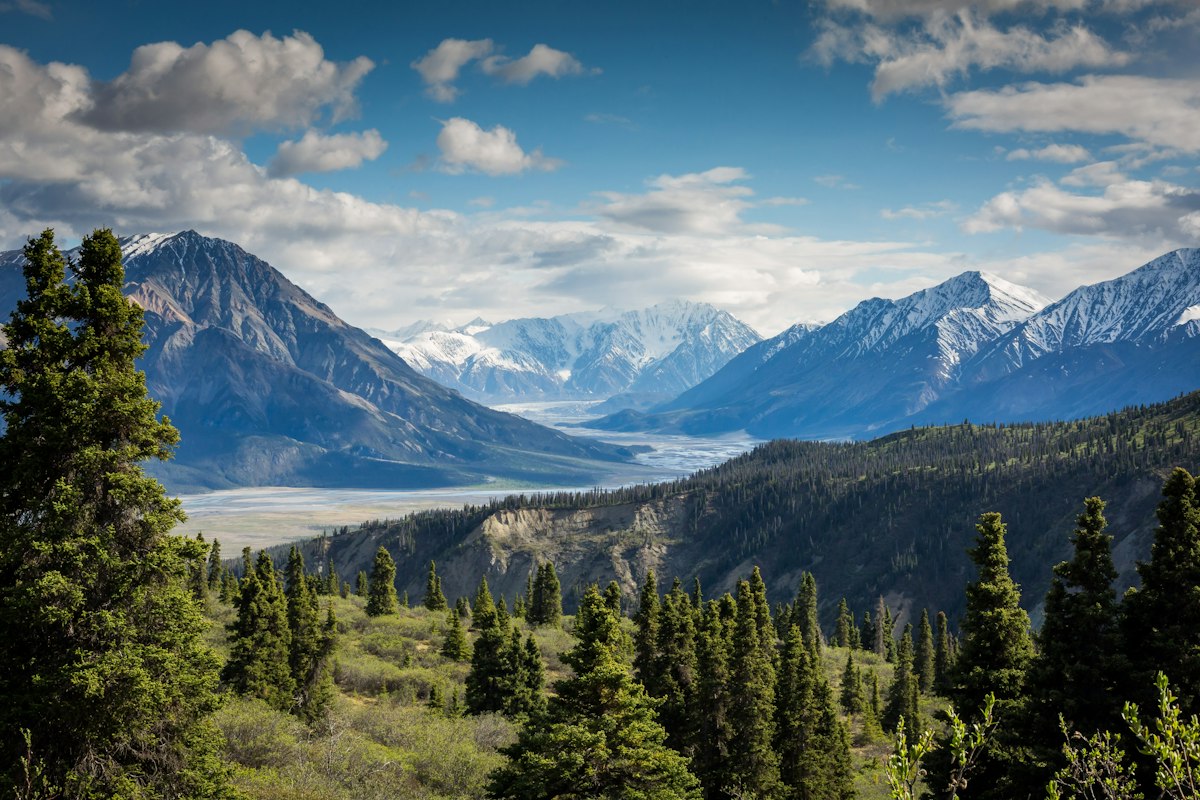


Location Overview
<p>Red Rock Canyon is situated just 17 miles west of Las Vegas, Nevada, making it an easily accessible yet profoundly wild destination for climbing in the USA. The canyon is part of the Mojave Desert, a vast and arid region known for its rugged beauty and unique ecosystems. The area is characterized by towering red sandstone cliffs, deep canyons, and expansive desert landscapes. The sandstone formations, which are the result of millions of years of geological processes, create a dramatic and ever-changing environment that is both visually stunning and challenging for climbers.</p><p>The canyon's diverse topography includes a mix of open desert plains, rocky outcrops, and dense Joshua tree forests. The contrast between the red sandstone and the surrounding desert vegetation creates a vibrant and dynamic landscape. The area is home to a variety of wildlife, including bighorn sheep, coyotes, and numerous bird species, adding to the natural allure of the region. The unique geology of the area, with its intricate layers of sandstone and limestone, provides a rich and varied climbing experience, with routes that cater to all skill levels.</p><p>Red Rock Canyon is managed by the Bureau of Land Management (BLM) and is a popular destination for outdoor enthusiasts in the USA. The area offers a range of activities beyond climbing, including hiking, mountain biking, and wildlife watching. The combination of natural beauty, diverse terrain, and well-maintained facilities makes Red Rock Canyon an ideal location for anyone looking to explore the great outdoors in the USA.</p>
Key Points of Interest
<p><strong>Calico Basin Trailhead:</strong> The Calico Basin Trailhead is a popular starting point for many climbing routes in Red Rock Canyon. The trailhead offers ample parking and is well-marked, making it easy to find. From here, climbers can access a variety of routes, ranging from easy slabs to more challenging overhangs. The trailhead also provides access to several hiking trails, making it a versatile starting point for a day of outdoor adventure in the USA.</p><p><strong>Calico Tanks:</strong> Located a short distance from the trailhead, the Calico Tanks are a series of natural rock basins that collect rainwater. These tanks are a vital water source for the local wildlife and provide a refreshing oasis in the desert. Climbers can take a short detour to visit the tanks, which offer a peaceful and scenic break from the climb. The tanks are also a popular spot for bouldering and are well-suited for climbers of all skill levels.</p><p><strong>Red Spring:</strong> Red Spring is a prominent feature in the canyon, marked by a natural spring that emerges from the sandstone cliffs. The spring creates a lush, green oasis in the middle of the desert, providing a stark contrast to the surrounding arid landscape. Climbers can take a short hike to the spring, which is a great spot for a picnic or a rest. The area around Red Spring is also home to a variety of plant and animal life, making it a rich and diverse ecosystem within the canyon.</p><p><strong>La Madre Mountain:</strong> La Madre Mountain is one of the highest points in Red Rock Canyon, offering panoramic views of the surrounding desert and the Las Vegas Valley. The mountain is a popular destination for hikers and climbers, with several routes that lead to the summit. The views from the top are truly breathtaking, with a 360-degree panorama that includes the red sandstone cliffs, the Mojave Desert, and the distant mountains. Reaching the summit is a rewarding experience and a highlight of any climbing trip in the USA.</p><p><strong>The Wave:</strong> The Wave is a unique rock formation in Red Rock Canyon, known for its distinctive swirling patterns and vibrant colors. The formation is a result of millions of years of geological processes and is a popular spot for photographers and climbers alike. The Wave offers a variety of climbing routes, from easy scrambles to more technical climbs. The area is also a great spot for bouldering, with several boulders and small cliffs that provide a challenging and rewarding climbing experience.</p>
Route Waypoints
- Calico Tanks: Natural rock basins that collect rainwater, providing a refreshing oasis in the desert.
- Red Spring: A natural spring that creates a lush, green oasis in the middle of the desert.
- La Madre Mountain: One of the highest points in the canyon, offering panoramic views of the surrounding desert.
- The Wave: A unique rock formation with swirling patterns and vibrant colors, popular for photography and climbing.
- Calico Basin Overlook: A scenic viewpoint overlooking the Calico Basin and the surrounding desert landscape.
- Sandstone Cliffs: A series of towering sandstone cliffs that provide a variety of climbing routes.
Getting to the Start
<p>Reaching the starting point for your climbing adventure in Red Rock Canyon is straightforward and convenient, given its proximity to Las Vegas, Nevada. The most common starting point is the Red Rock Canyon Visitor Center, located at 2755 State Route 159. From Las Vegas, take Interstate 15 north to the State Route 159 exit, which is also known as the Red Rock Canyon Scenic Byway. Follow SR 159 for approximately 10 miles until you reach the visitor center. The road is well-maintained and suitable for all types of vehicles.</p><p>Once you arrive at the visitor center, you can park in the designated parking lot. The visitor center offers a wealth of information about the area, including maps, trail guides, and weather updates. If you're planning to park overnight, there are designated areas for that as well. Public transportation options are limited, but shuttle services are available from Las Vegas for those who prefer not to drive. The shuttle services typically offer pick-up and drop-off points in the city, making it a convenient option for visitors without a car.</p>
Tips, Safety & Travel
<p>Climbing in Red Rock Canyon is a thrilling and rewarding experience, but it's important to prioritize safety and preparation. Essential gear for your climb should include a well-fitting helmet, a reliable harness, climbing shoes, and a chalk bag. Carabiners, quickdraws, and a rope are also necessary for most trad climbing routes. It's a good idea to bring a first-aid kit, plenty of water, and snacks to keep your energy up. Sun protection, including sunscreen, a hat, and sunglasses, is crucial given the desert climate.</p><p>Weather conditions in the canyon can vary significantly, so it's important to check the forecast before your trip. Summer temperatures can soar above 100°F, while winter temperatures can drop below freezing, especially at night. Climbing during the spring and fall is generally the most comfortable, with moderate temperatures and stable weather conditions. Always be prepared for sudden changes in weather, such as thunderstorms, which can occur during the summer monsoon season.</p><p>Terrain hazards in Red Rock Canyon include loose rock, steep drop-offs, and exposed routes. It's important to assess the stability of the rock before placing gear and to always use proper climbing techniques. Be aware of your surroundings and avoid overhanging areas that may be prone to rockfall. If you're new to the area, consider hiring a local guide or joining a guided climbing tour to familiarize yourself with the routes and conditions.</p><p>In case of an emergency, it's important to have a plan in place. Carry a fully charged cell phone, although reception can be spotty in some areas. Inform someone of your itinerary and expected return time. If you encounter a serious injury or other emergency, call 911 or use the park's emergency phone system. Rangers and rescue teams are equipped to handle emergencies, but it's always better to be prepared and avoid risky situations.</p>
Wildlife & Nature Highlights
<p>Red Rock Canyon is a haven for wildlife, with a diverse array of flora and fauna that thrive in the unique desert ecosystem. The area is home to several species of mammals, including the iconic desert bighorn sheep, which are often spotted grazing on the slopes of the canyon. Coyotes are also common, and their distinctive howls can be heard echoing through the canyons at dusk. Smaller mammals like jackrabbits, ground squirrels, and kangaroo rats are frequently seen scurrying through the desert brush.</p><p>The canyon's rocky outcrops and cliffs provide ideal habitats for a variety of reptiles, including the western diamondback rattlesnake, desert tortoise, and several species of lizards. Birdwatchers will be delighted by the presence of raptors such as golden eagles, red-tailed hawks, and peregrine falcons, which soar above the canyon in search of prey. Smaller birds, such as the cactus wren and the greater roadrunner, are also common and add to the area's vibrant wildlife scene.</p><p>Vegetation in Red Rock Canyon is adapted to the arid climate and includes a mix of desert shrubs, cacti, and trees. Joshua trees, a symbol of the Mojave Desert, are a prominent feature of the landscape, often growing in dense stands. Other notable plant species include creosote bushes, yucca plants, and various types of wildflowers that bloom in the spring, adding a splash of color to the desert environment. The unique combination of wildlife and plant life makes Red Rock Canyon a fascinating and rewarding destination for nature enthusiasts in the USA.</p>
Tags
- red rock canyon
- trad climbing
- nevada
- outdoor adventure
- climbing routes
- desert climbing
- usa climbing
- sandstone cliffs