Activity: Trail_running | Difficulty: Moderate | Location: Jura, Switzerland
The Swiss Jura Trail Run is a moderate 12.5 km route that offers a mix of scenic views and challenging terrain. The trail takes runners through dense forests, over rolling hills, and past tranquil streams, providing a well-rounded and engaging experience.
Adventure Statistics
- Distance: 12.5km
- Duration: 1h 9m
- Elevation Gain: 1870m
- Max Elevation: 1677m
- Calories Burned: 852
- Best Seasons: Spring, Summer, Fall
- Features: Viewpoint, Waterfall, Forest, Historical_site, Village, Stream
Photos
Location Overview
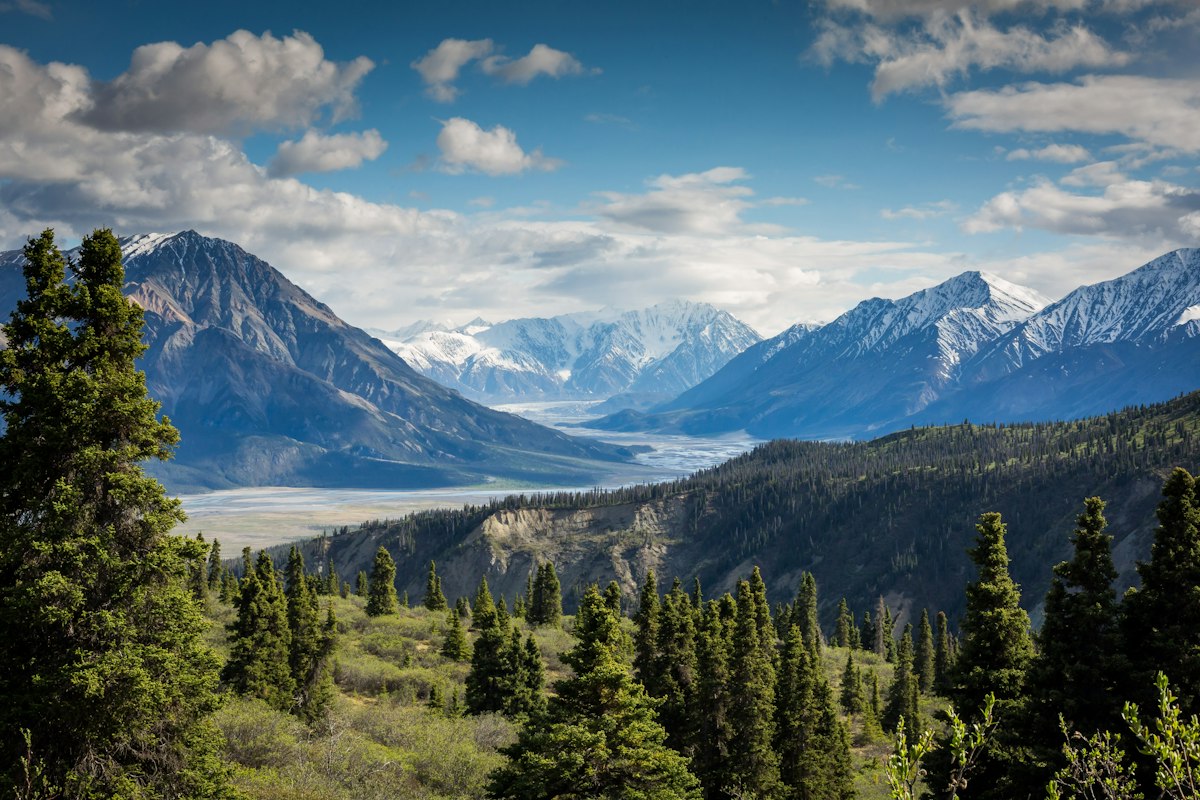
<p>The Jura region, located in the northwest of Switzerland, is a hidden gem for outdoor enthusiasts, particularly those who enjoy trail running. This area is characterized by its rolling hills, dense forests, and picturesque villages, making it a perfect destination for those seeking a natural and serene running environment. The Jura Mountains, which form the backbone of the region, offer a dramatic backdrop for any trail run, with their lush green slopes and rocky outcrops providing a diverse and challenging terrain.</p><p>The landscape of the Jura is a harmonious blend of natural beauty and human history. The forests are a mix of deciduous and coniferous trees, creating a vibrant tapestry of colors throughout the seasons. In the spring, the forest floor is carpeted with wildflowers, while in the fall, the leaves turn a brilliant array of reds, oranges, and yellows. The rolling hills offer a mix of gentle ascents and descents, making the terrain suitable for runners of various skill levels.</p><p>One of the highlights of the Jura region is the network of trails that crisscross the area. These trails are well-maintained and clearly marked, ensuring a safe and enjoyable running experience. The Jura Trail Run, in particular, is a well-known route that takes runners through some of the most beautiful and challenging parts of the region. The trail passes through a variety of landscapes, from dense forests to open meadows, providing a diverse and engaging run.</p><p>The Jura region is also rich in cultural heritage, with charming medieval towns and villages dotting the landscape. Saint-Ursanne, the starting point of the Jura Trail Run, is a prime example of this. This quaint town, with its cobblestone streets and historic buildings, offers a glimpse into the past and provides a perfect starting point for your adventure. The combination of natural beauty and cultural richness makes the Jura region an ideal destination for trail running.</p>
Key Points of Interest
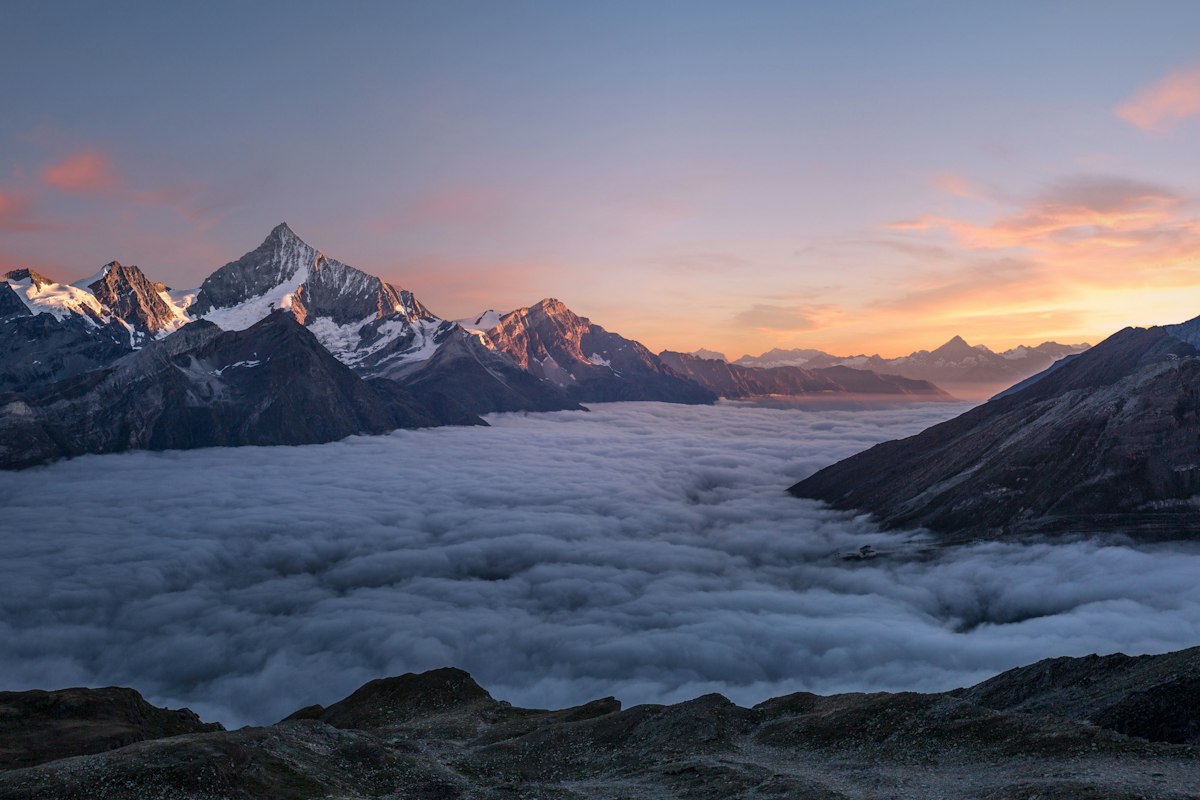
<p>One of the most iconic landmarks along the Jura Trail Run is the <strong>Château de Saint-Ursanne</strong>. This medieval castle, perched on a hill overlooking the town, is a testament to the rich history of the region. The castle dates back to the 12th century and has been beautifully preserved. As you run past the castle, you can take a moment to admire its impressive architecture and imagine the stories it holds.</p><p>Another highlight of the trail is the <strong>Chasseron Viewpoint</strong>. Located at an elevation of 1,677 meters, this viewpoint offers panoramic views of the Jura Mountains and the Swiss countryside. On a clear day, you can see for miles, taking in the rolling hills and the patchwork of forests and fields. The viewpoint is a perfect spot to catch your breath and soak in the beauty of the landscape.</p><p>The <strong>La Sauge Waterfall</strong> is a natural wonder that you won't want to miss. This waterfall, located along a tranquil stream, is a hidden gem of the Jura region. The water cascades down a series of rocky ledges, creating a serene and picturesque scene. The sound of the water and the fresh, cool air make it a refreshing stop on your run.</p><p>The <strong>Le Noirmont Pass</strong> is another notable point on the trail. This pass, located at an elevation of 1,023 meters, is a natural gateway through the Jura Mountains. The pass is surrounded by dense forests and offers stunning views of the surrounding hills. The trail through the pass is well-marked and provides a challenging but rewarding experience.</p><p>The <strong>Val de Travers</strong> is a picturesque valley that the trail passes through. Known for its vineyards and charming villages, this valley is a testament to the agricultural heritage of the Jura region. The trail follows a gentle path through the valley, offering views of the vineyards and the rolling hills beyond. The quiet and peaceful atmosphere of the valley is a welcome respite from the more challenging sections of the trail.</p><p>The <strong>Col du Mollendruz</strong> is a high point on the trail, offering panoramic views of the Jura Mountains and the Swiss countryside. The col is located at an elevation of 973 meters and is a popular spot for runners to take a break and enjoy the scenery. The trail through this area is well-maintained, making it accessible for runners of all skill levels.</p><p>Finally, the <strong>Rue des Halles</strong> in Saint-Ursanne is the perfect place to end your run. This historic street, lined with medieval buildings and charming shops, is a great spot to relax and reflect on your adventure. After your run, you can enjoy a refreshing drink or a hearty meal at one of the local restaurants, savoring the flavors of the Jura region.</p>
Route Waypoints
- Château de Saint-Ursanne: A medieval castle perched on a hill, offering a glimpse into the rich history of the Jura region.
- La Sauge Waterfall: A hidden gem of the Jura region, this waterfall is a tranquil and picturesque spot along the trail.
- Chasseron Viewpoint: A high point on the trail, offering panoramic views of the Jura Mountains and the Swiss countryside.
- Le Noirmont Pass: A natural gateway through the Jura Mountains, surrounded by dense forests and offering stunning views.
- Val de Travers: A picturesque valley known for its vineyards and charming villages, providing a peaceful and scenic section of the trail.
- Col du Mollendruz: A high point on the trail, offering panoramic views of the Jura Mountains and the Swiss countryside.
Getting to the Start
<p>To reach the starting point of the Swiss Jura Trail Run, you'll need to head to the charming medieval town of Saint-Ursanne. The town is located in the Canton of Jura, in the northwest of Switzerland. The nearest major city is Basel, which is about 50 kilometers away. From Basel, you can take the A3 motorway (E25) towards Delémont, and then follow the N20 road towards Saint-Ursanne. The drive from Basel to Saint-Ursanne takes approximately 45 minutes, depending on traffic.</p><p>If you're traveling by public transport, the most convenient option is to take a train from Basel to Delémont. From Delémont, you can catch a bus or a regional train to Saint-Ursanne. The train journey from Basel to Delémont takes about 30 minutes, and the bus or train from Delémont to Saint-Ursanne takes an additional 20 minutes. The train and bus schedules are well-coordinated, making it easy to plan your journey.</p><p>Once you arrive in Saint-Ursanne, you'll find ample parking options near the town center. The main parking area is located near the town hall, and it is free of charge. If you prefer to park closer to the trailhead, there are smaller parking areas along the route, but these can fill up quickly, especially on weekends and during peak running seasons. It's a good idea to arrive early to secure a spot.</p><p>For those who are staying in the area, there are several accommodation options in Saint-Ursanne and the surrounding villages. From cozy bed and breakfasts to modern hotels, you'll find a range of options to suit your preferences and budget. Staying in the area allows you to fully immerse yourself in the Jura region and explore other attractions, such as the nearby vineyards and historical sites.</p>
Tips, Safety & Travel
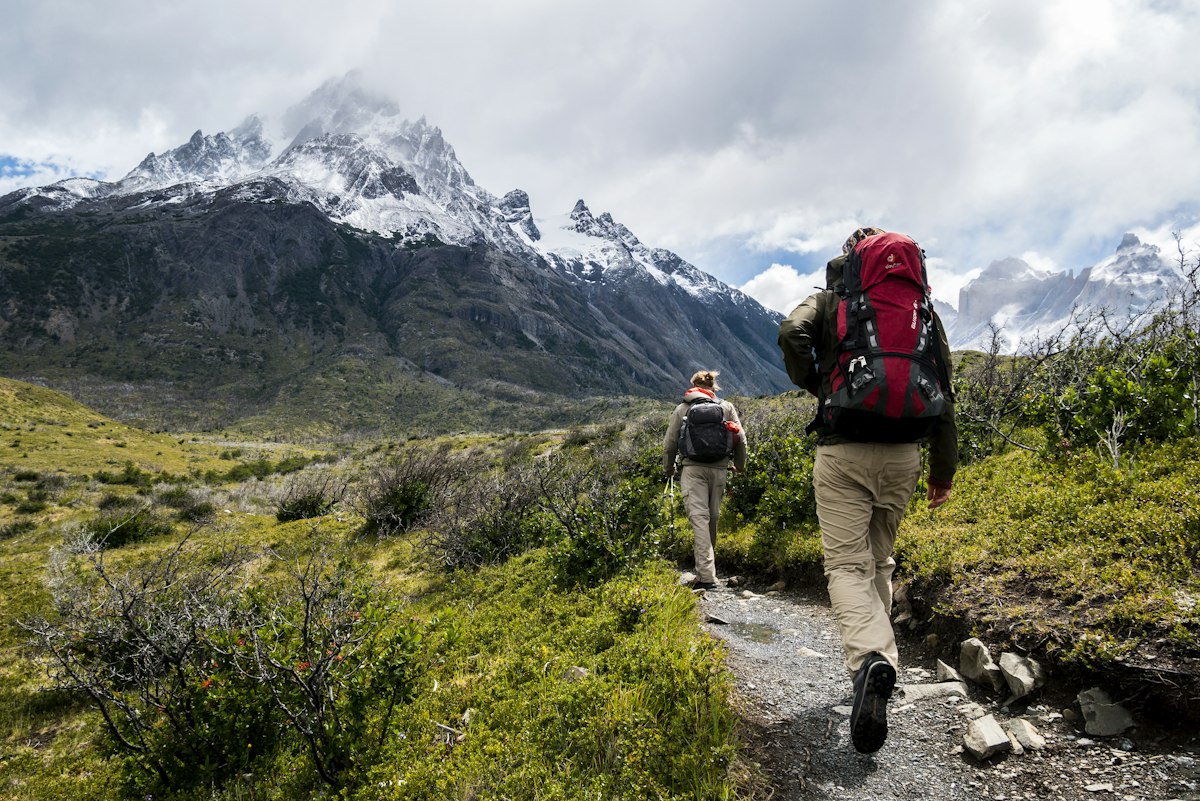
<p>Before embarking on the Swiss Jura Trail Run, it's important to be well-prepared to ensure a safe and enjoyable experience. Essential kit for the trail includes a good pair of trail running shoes with adequate traction, breathable and moisture-wicking clothing, and a hydration system such as a water bottle or hydration pack. It's also a good idea to bring a lightweight backpack to carry any additional items you might need.</p><p>Safety is paramount when trail running, especially in the Jura region. The terrain can be challenging, with sections of rocky and root-filled paths. It's important to stay alert and watch your footing, especially when the trail is wet or slippery. Wearing a helmet is recommended if you plan to run on more technical sections of the trail. Additionally, carrying a basic first-aid kit, a whistle, and a fully charged mobile phone can provide peace of mind in case of an emergency.</p><p>The weather in the Jura region can be variable, so it's important to check the forecast before you set out. The best season for trail running is during the spring and fall, when the temperatures are mild and the trails are less crowded. However, the Jura can experience sudden weather changes, so it's a good idea to be prepared for all conditions. Layers are essential, and a lightweight rain jacket can be a lifesaver in case of unexpected showers.</p><p>When running in the Jura, it's important to respect the natural environment and the local communities. Stay on marked trails to avoid damaging the delicate ecosystem, and be mindful of other trail users, including hikers and cyclists. If you're running in a group, keep the noise to a minimum to avoid disturbing wildlife and other visitors. Finally, always follow the principles of Leave No Trace, packing out any trash and leaving the trail as you found it.</p>
Wildlife & Nature Highlights
<p>The Jura region is home to a diverse array of flora and fauna, making it a paradise for nature enthusiasts and trail runners alike. As you run through the dense forests and rolling hills, you'll have the opportunity to observe a wide range of plant and animal species. The forests are dominated by a mix of deciduous and coniferous trees, including beech, oak, and spruce. These trees provide a rich habitat for various wildlife, and you might catch glimpses of deer, wild boar, and even the occasional fox.</p><p>One of the most notable features of the Jura region is its abundant birdlife. The forests and meadows are home to a variety of bird species, including woodpeckers, tits, and warblers. The tranquil streams that run through the area attract waterbirds such as ducks and herons. If you're lucky, you might even spot a kingfisher darting along the water's edge. The early morning hours are the best time for birdwatching, as the birds are most active during this time.</p><p>The Jura region is also known for its diverse plant life. In the spring, the forest floor is carpeted with wildflowers such as bluebells, anemones, and primroses. These flowers add a burst of color to the landscape and create a truly magical atmosphere. In the summer, the meadows are filled with wildflowers, and the air is filled with the sweet fragrance of blooming plants. The fall brings a different kind of beauty, with the leaves turning a vibrant array of reds, oranges, and yellows.</p><p>Geologically, the Jura region is characterized by its limestone formations, which have been shaped by millions of years of erosion. The hills and valleys are dotted with rocky outcrops and caves, providing a unique and varied landscape. The Jura Mountains themselves are part of a larger geological formation known as the Jura fold and thrust belt, which extends from France into Switzerland. This geological diversity contributes to the region's rich biodiversity and makes it a fascinating place to explore.</p>
Tags
- trail running
- Jura Mountains
- scenic routes
- challenging trails
- medieval town
- nature
- Swiss countryside