Activity: Hiking | Difficulty: Moderate | Location: Skeleton Coast, Namibia
The Skeleton Coast Traverse is a moderate 12.5-kilometer hike that combines coastal and desert landscapes, offering hikers a unique blend of terrain and scenery.
Adventure Statistics
- Distance: 12.5km
- Duration: 2h 1m
- Elevation Gain: 90m
- Max Elevation: 70m
- Calories Burned: 911
- Best Seasons: Spring, Summer, Fall
- Features: Beach, Desert, Viewpoint, Wildlife_viewing, Historical_site, Parking
Photos
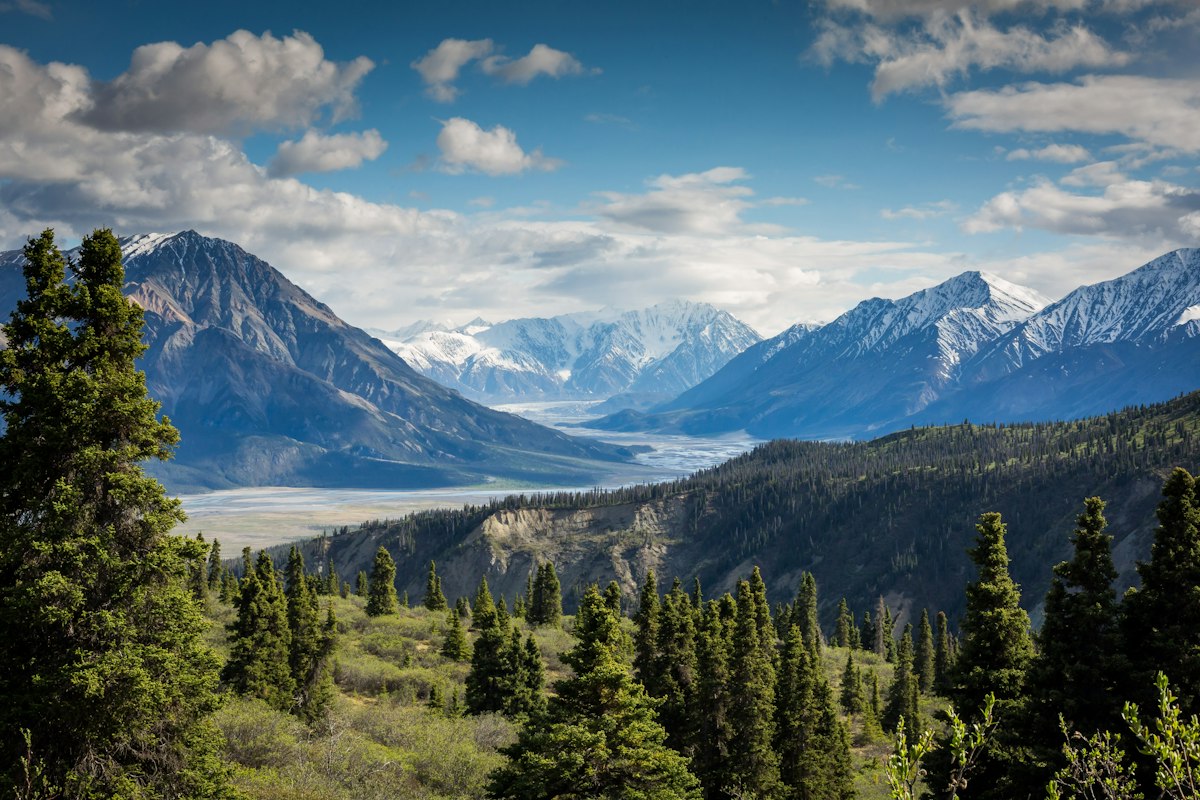
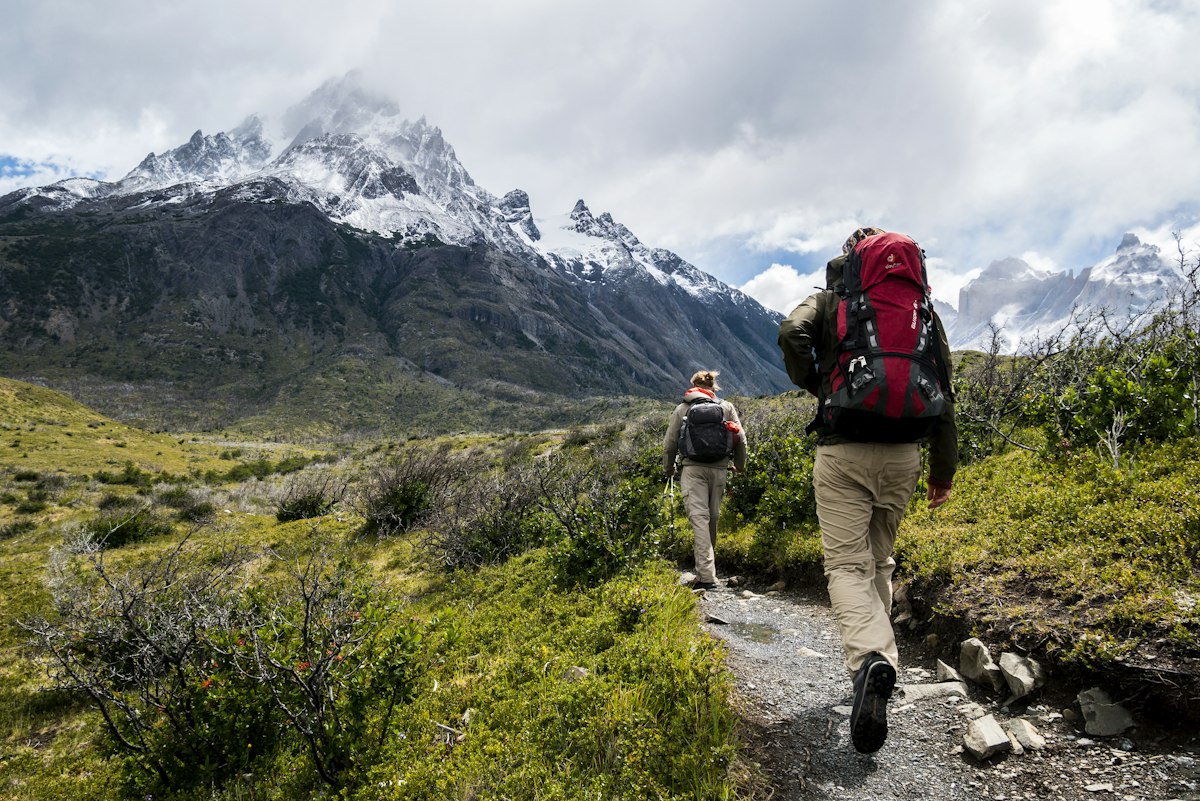

Location Overview
<p>The Skeleton Coast, located in the northern part of Namibia, is a region of stark and haunting beauty. Stretching over 500 kilometers along the Atlantic coast, this desolate stretch of land is characterized by its rugged cliffs, expansive dunes, and the remnants of countless shipwrecks. The area's name is derived from the numerous whale and seal bones that once littered the shore, as well as the numerous shipwrecks that have met their end on the treacherous coastline.</p><p>The landscape of the Skeleton Coast is a testament to the harsh and unforgiving nature of the environment. The Namib Desert, one of the oldest deserts in the world, extends inland from the coast, creating a surreal and almost otherworldly landscape. The dunes, which can reach heights of over 300 meters, are constantly reshaped by the strong winds that blow in from the Atlantic. The interplay of light and shadow on the dunes creates a dynamic and ever-changing scene, making every visit a unique experience.</p><p>The Skeleton Coast is also home to a surprising variety of wildlife, adapted to survive in this harsh environment. Desert elephants, black rhinoceros, and a variety of antelope species can be found in the more inland areas, while the coastal regions are home to seals, seabirds, and a variety of marine life. The area's unique ecosystem has attracted scientists and nature enthusiasts from around the world, making it a valuable destination for both research and recreation.</p><p>For hikers, the Skeleton Coast offers a challenging and rewarding experience. The combination of coastal and desert landscapes provides a diverse range of terrain to explore, from soft, sandy beaches to rocky outcrops and rugged dunes. The moderate difficulty of the trails makes it accessible to a wide range of hikers, while the unique challenges of the terrain add an element of adventure. The Skeleton Coast Traverse is a must-do for anyone looking to experience the raw and untamed beauty of Namibia's coastline.</p>
Key Points of Interest
<p><strong>Shipwreck Beach:</strong> The trail begins at Shipwreck Beach, where the Eduard Bohlen and other shipwrecks lie half-buried in the sand. The haunting remains of these vessels provide a stark contrast to the pristine, sandy shores and are a must-see for any hiker.</p><p><strong>Cliffside Lookout:</strong> As you move inland, the trail leads to a rocky outcrop that offers a panoramic view of the coastline. The lookout provides a perfect spot to take in the vast expanse of the Atlantic and the rugged cliffs that line the shore. The play of light on the water and the distant dunes creates a breathtaking scene.</p><p><strong>Dune Field:</strong> The trail then transitions into the vast dune field, where the golden sands stretch as far as the eye can see. The dunes, sculpted by the wind, create a surreal and ever-changing landscape. Hikers can explore the dunes, feeling the soft sand underfoot and enjoying the solitude of the desert environment.</p><p><strong>Desert Riverbed:</strong> Further inland, the trail follows an ancient riverbed, now dry but still marked by the occasional rocky outcrop and the presence of desert-adapted plants. The riverbed provides a natural path through the dunes and is a great place to spot wildlife, such as desert-adapted elephants and gemsbok.</p><p><strong>Rocky Plateau:</strong> The high point of the trail is a rocky plateau that offers a 360-degree view of the surrounding landscape. From here, hikers can see the Atlantic to the west, the dunes to the east, and the rugged cliffs that define the Skeleton Coast. The plateau is a perfect spot to take a break, enjoy a picnic, and soak in the stunning scenery.</p><p><strong>Return to Shipwreck Beach:</strong> The final leg of the trail takes hikers back to Shipwreck Beach, completing the loop. The return journey offers a different perspective on the coastline and the dunes, and hikers can take the time to explore any areas they may have missed on the way out.</p>
Route Waypoints
- Cliffside Lookout: A rocky outcrop offering panoramic views of the coastline and the Atlantic Ocean.
- Dune Field: A vast expanse of golden dunes sculpted by the wind, creating a surreal and ever-changing landscape.
- Desert Riverbed: An ancient, dry riverbed marked by rocky outcrops and desert-adapted plants.
- Rocky Plateau: The high point of the trail, offering a 360-degree view of the surrounding landscape.
Getting to the Start
<p>The starting point for the Skeleton Coast Traverse is located near the town of Terrace Bay, a small settlement on the Atlantic coast. To reach Terrace Bay, you can drive from the nearest major city, Swakopmund, which is approximately 500 kilometers to the south. The journey takes about 6 to 7 hours by car, depending on road conditions and traffic. The main route to Terrace Bay is via the C34, a well-maintained gravel road that connects Swakopmund to the northern coast.</p><p>From Swakopmund, follow the B2 highway north towards Henties Bay. After about 100 kilometers, turn onto the C34 and continue north. The road is generally in good condition, but it is advisable to drive a 4x4 vehicle due to the remote and rugged nature of the area. As you approach Terrace Bay, you will see signs directing you to the town and the trailhead.</p><p>Parking is available at the trailhead, and there are basic facilities, including restrooms and a small information center. It is important to note that the area is remote, and services are limited, so it is advisable to bring all necessary supplies, including water, food, and first-aid equipment. Public transport to the area is limited, and it is highly recommended to have a private vehicle or to arrange for a guided tour.</p>
Tips, Safety & Travel
<p>Hiking the Skeleton Coast Traverse is a rewarding but challenging experience. To ensure a safe and enjoyable trip, it is important to be well-prepared and to follow some essential tips. First and foremost, always carry plenty of water, as the desert environment can be extremely dry, and there are no natural water sources along the trail. It is recommended to bring at least 3 liters of water per person for the day's hike.</p><p>Wear appropriate clothing and footwear for the terrain. Sturdy hiking boots are essential, as the trail includes both sandy and rocky sections. Lightweight, breathable clothing is ideal for the hot and dry conditions, and a hat and sunglasses will protect you from the sun. Sunscreen is also crucial, as the sun can be intense, even on overcast days.</p><p>Be aware of the weather conditions and the tides, especially if you are hiking near the coast. The Skeleton Coast is known for its strong winds and sudden changes in weather, so it is important to check the forecast before setting out. Tides can also affect the trail, particularly near the beach, so plan your route accordingly.</p><p>Carry a map and a GPS device, as the trail can be challenging to navigate, especially in the dune fields. A first-aid kit, a whistle, and a fully charged mobile phone (with a portable charger) are also essential for emergency situations. Let someone know your planned route and expected return time, and consider hiking with a partner or a guided group for added safety.</p><p>The best time to hike the Skeleton Coast Traverse is during the cooler months of the year, from April to September. During these months, the temperatures are more moderate, and the risk of extreme heat is lower. However, even during these times, it is important to be prepared for sudden changes in weather and to dress in layers.</p>
Wildlife & Nature Highlights
<p>The Skeleton Coast is home to a diverse array of flora and fauna, adapted to survive in one of the harshest environments on Earth. The coastal regions are particularly rich in marine life, with large colonies of Cape fur seals and a variety of seabirds, including pelicans, cormorants, and gulls. The seals are a common sight along the shore, basking in the sun and diving into the cold Atlantic waters to feed. The area is also known for its large populations of jackals, which can often be seen scavenging along the beach.</p><p>Inland, the desert landscapes are home to a surprising variety of wildlife. Desert-adapted elephants, black rhinoceros, and gemsbok (oryx) are some of the larger mammals that can be found in the more remote areas. These animals have evolved to survive in the arid conditions, with the elephants, for example, traveling long distances to find water and food. Smaller mammals, such as springbok, steenbok, and bat-eared foxes, are also common, and their tracks can often be seen in the soft sand.</p><p>The plant life in the Skeleton Coast is equally fascinating. The desert is home to a variety of succulents and desert-adapted plants, such as the Welwitschia mirabilis, a unique plant that can live for over 1,000 years. The Welwitschia is a living fossil, with only two leaves that grow continuously throughout its life. The plant's ability to survive in such a harsh environment is a testament to the resilience of life in the Namib Desert.</p><p>For hikers, the opportunity to observe these unique species up close is one of the highlights of the Skeleton Coast Traverse. The area's rich biodiversity and the chance to witness the adaptations of plants and animals to the harsh desert environment make it a rewarding destination for nature enthusiasts and wildlife lovers.</p>
Tags
- Skeleton Coast
- Namibia
- hiking
- desert
- coastal
- shipwrecks
- dunes
- wildlife