Activity: Hiking | Difficulty: Expert | Location: Alps, France
The Haute Route from Chamonix to Zermatt is an expert-level hike with long distances and significant elevation gains, offering a challenging and rewarding experience through the French Alps.
Adventure Statistics
- Distance: 180.0km
- Duration: 12h 58m
- Elevation Gain: 1908m
- Max Elevation: 2537m
- Calories Burned: 5839
- Best Seasons: Summer, Fall
- Features: Viewpoint, Summit, Lake, Forest, Glacier, Wildlife_viewing, Historical_site, Campground
Photos
Location Overview
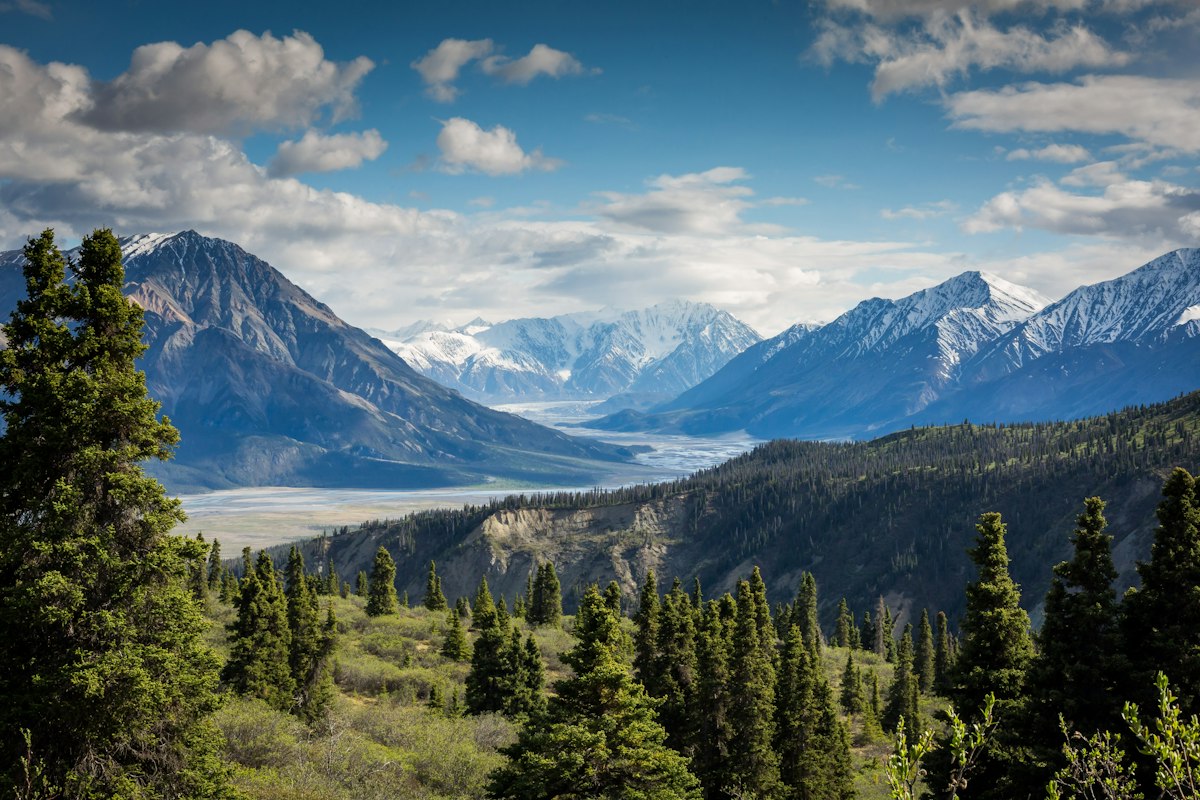
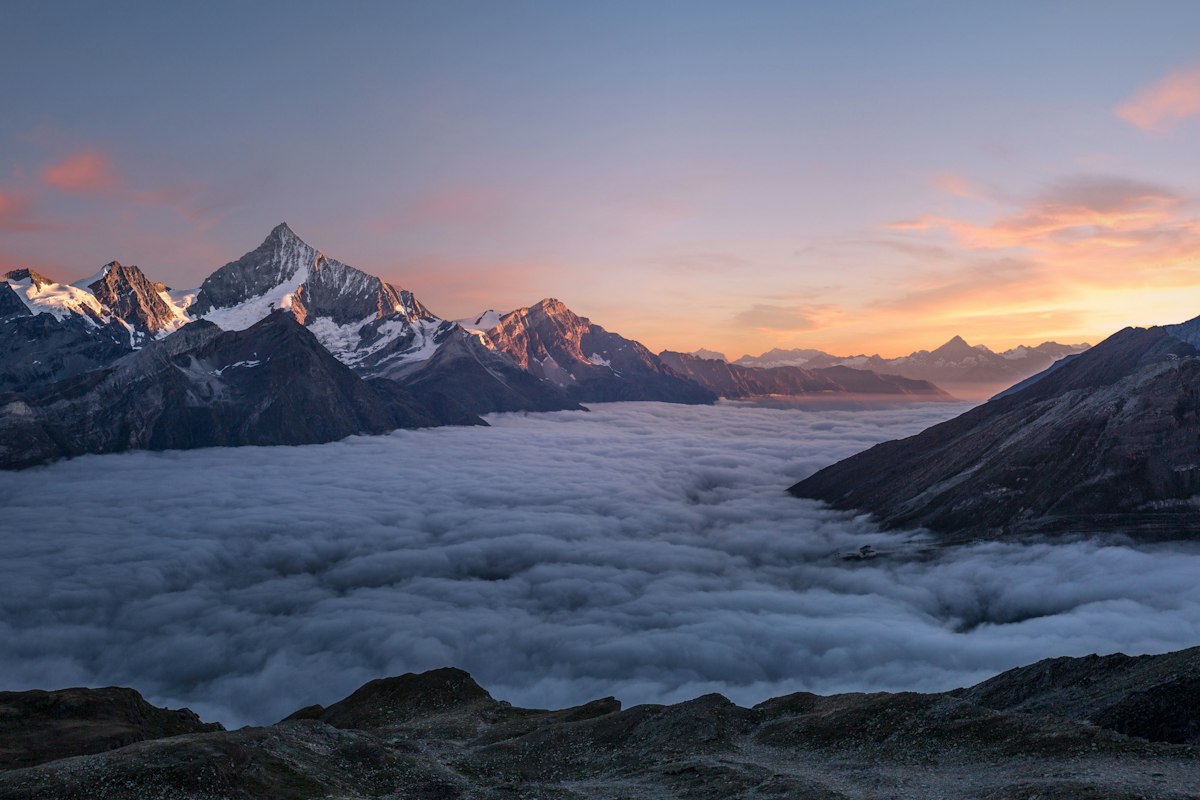
<p>The Haute Route spans the French Alps, a mountain range that forms part of the larger Alpine system. This region is characterized by its dramatic landscapes, including towering peaks, deep valleys, and expansive glaciers. The trail begins in Chamonix, a well-known ski resort at the foot of Mont Blanc, the highest peak in Western Europe. From here, the route traverses a series of high mountain passes, each offering a unique perspective on the surrounding landscape.</p><p>The French Alps are known for their diverse ecosystems. The lower elevations are dominated by lush forests and rolling meadows, while higher up, the terrain becomes more rugged and rocky. The trail passes through several protected areas, including the Vanoise National Park and the Aosta Valley Regional Park, which are home to a rich variety of flora and fauna. The region's geological history is evident in the exposed rock formations and glacial features, making it a fascinating destination for geology enthusiasts.</p><p>The Haute Route is not just a physical journey but also a cultural one. The trail passes through several traditional Alpine villages, each with its own unique charm and history. These villages offer a glimpse into the local way of life, with wooden chalets, local markets, and friendly locals. The region is also known for its culinary delights, with local specialties such as fondue, raclette, and tartiflette providing a delicious break from the trail.</p>
Key Points of Interest
<p>1. <strong>Col de la Seigne</strong>: This high mountain pass marks the border between France and Italy and offers breathtaking views of the Mont Blanc massif. The pass is often shrouded in mist, adding to its mystical atmosphere. It's a challenging ascent but well worth the effort for the panoramic views.</p><p>2. <strong>Valley of Aosta</strong>: As the trail enters Italy, it passes through the picturesque Valley of Aosta. This region is known for its medieval castles, traditional villages, and rich cultural heritage. The valley is a stark contrast to the rugged mountain terrain, offering a peaceful and scenic respite from the trail.</p><p>3. <strong>Grand Col Ferret</strong>: This is another high mountain pass that offers stunning views of the surrounding peaks. The pass is known for its dramatic landscapes and is a highlight of the Haute Route. The trail here is well-marked, but the steep ascent requires careful navigation.</p><p>4. <strong>Lac des Mottets</strong>: This beautiful alpine lake is a popular spot for hikers to take a break and enjoy the serene surroundings. The lake is surrounded by towering peaks and is a great place to relax and take in the natural beauty of the French Alps.</p><p>5. <strong>Zermatt</strong>: The final destination of the Haute Route, Zermatt is a charming Swiss village at the foot of the Matterhorn. The village is car-free, adding to its quaint and peaceful atmosphere. Zermatt is a popular destination for hikers and skiers, with a range of accommodations and dining options to choose from.</p><p>6. <strong>Forclaz de Trient</strong>: This is a scenic pass that offers views of the Trient Glacier and the surrounding peaks. The trail here is relatively gentle, making it a good spot to take a break and enjoy the views.</p><p>7. <strong>Col de Balme</strong>: This pass marks the border between France and Switzerland and offers panoramic views of both countries. The trail here is well-marked and offers a sense of accomplishment as you near the end of your journey.</p>
Route Waypoints
- Valley of Aosta: A picturesque valley known for its medieval castles and traditional villages, providing a scenic respite from the trail.
- Grand Col Ferret: A dramatic high mountain pass with stunning views of the surrounding peaks, known for its challenging ascent.
- Lac des Mottets: A beautiful alpine lake surrounded by towering peaks, ideal for a break and relaxation.
- Forclaz de Trient: A scenic pass with views of the Trient Glacier and the surrounding peaks, offering a relatively gentle trail.
- Col de Balme: A pass marking the border between France and Switzerland, offering panoramic views of both countries.
Getting to the Start
<p>The starting point of the Haute Route is in Chamonix, a charming town in the Haute-Savoie region of France. Chamonix is easily accessible by both road and public transport. If you're driving, the A40 motorway connects Chamonix to major cities like Lyon and Geneva. From the motorway, take the D1091 towards Chamonix, and follow the signs to the town center. There are several parking areas available, including the large parking lot at the base of the Aiguille du Midi cable car.</p><p>For those traveling by public transport, the nearest train station is in Saint-Gervais-les-Bains, which is served by the SNCF network. From there, you can take a bus to Chamonix. The bus station is located near the town center, and the journey takes approximately 45 minutes. Alternatively, you can take a taxi from Saint-Gervais-les-Bains, which is a more convenient but more expensive option.</p><p>Once in Chamonix, you can find the start of the Haute Route near the town center. The trailhead is well-marked, and there are several information boards and maps available to help you get started. It's a good idea to stock up on supplies in Chamonix before beginning your hike, as the trail passes through remote areas with limited services.</p>
Tips, Safety & Travel
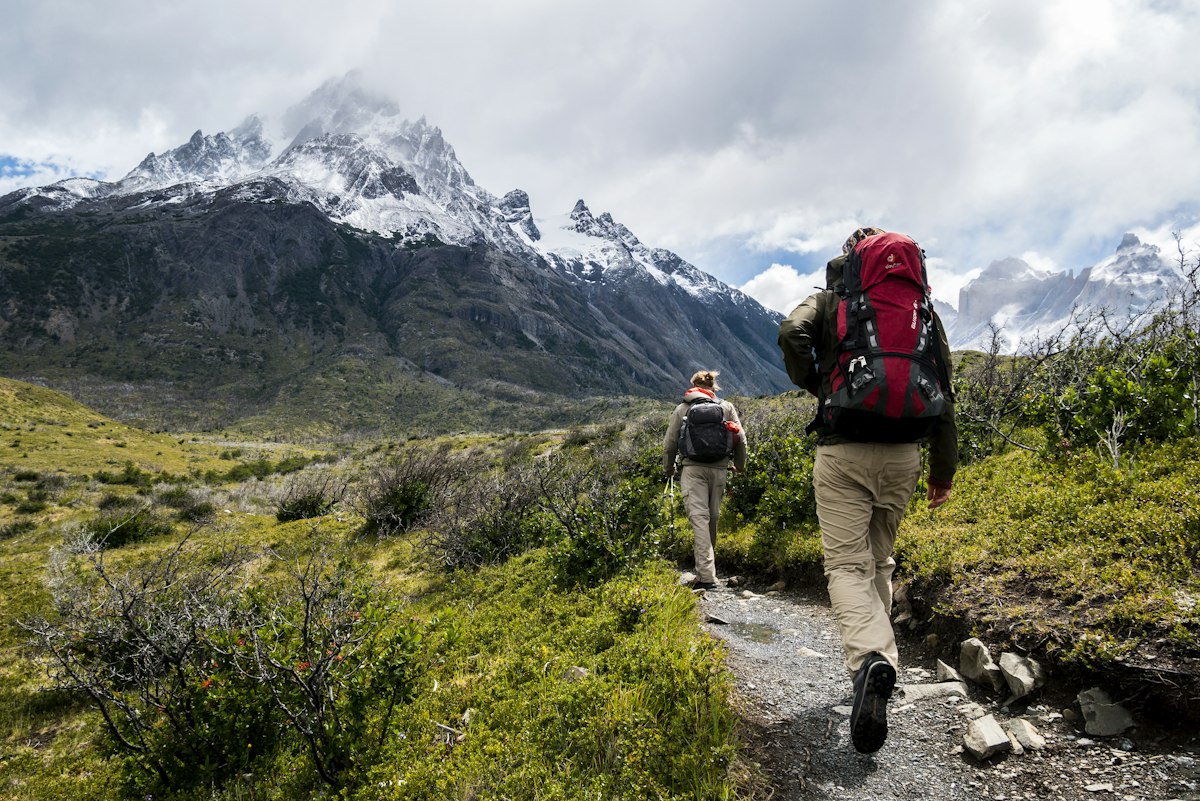
<p>Hiking the Haute Route is a challenging but rewarding experience. To ensure a safe and enjoyable trip, it's important to come prepared. The trail is rated as expert, with long days of hiking and significant elevation gains. It's essential to have a good level of fitness and experience with high mountain terrain.</p><p>One of the most important pieces of equipment is a reliable pair of hiking boots. The trail can be rocky and uneven, so sturdy footwear is crucial. A waterproof and breathable hiking jacket is also essential, as the weather in the French Alps can be unpredictable. Layering your clothing is a good strategy to manage changing temperatures throughout the day.</p><p>Carrying a map and compass is highly recommended, as the trail can be remote and cell phone reception is not always available. A GPS device or smartphone with offline maps can also be useful. It's a good idea to check the weather forecast before setting out each day, as conditions can change quickly in the mountains. Thunderstorms are common in the afternoon, so it's best to start early and plan your route accordingly.</p><p>Staying hydrated and well-nourished is crucial on the Haute Route. Bring plenty of water and high-energy snacks to keep your energy levels up. There are limited opportunities to resupply along the trail, so plan your provisions carefully. It's also important to practice Leave No Trace principles, leaving the natural environment as you found it and respecting local wildlife.</p><p>In case of an emergency, it's important to know the local emergency numbers and have a way to call for help. Carrying a first-aid kit and a whistle can be useful in case you need to signal for assistance. It's also a good idea to let someone know your planned route and expected return date, so they can alert authorities if you don't return on time.</p>
Wildlife & Nature Highlights
<p>The French Alps are a haven for wildlife, and the Haute Route offers numerous opportunities to observe the region's diverse flora and fauna. One of the most iconic species you might encounter is the Alpine ibex, a sure-footed goat that can often be seen on rocky outcrops and high mountain passes. These animals are well-adapted to the harsh alpine environment and are a symbol of the region's wild beauty.</p><p>Another notable species is the Alpine marmot, a large rodent that is known for its whistling call. Marmots are often seen sunbathing on rocks or foraging in the meadows. They are particularly active during the summer months, making this the best time to spot them. The region is also home to a variety of birds, including the golden eagle, which can be seen soaring over the mountain peaks. Other bird species to look out for include the rock ptarmigan and the alpine chough.</p><p>The flora of the French Alps is equally diverse and beautiful. In the summer, the meadows are carpeted with a variety of wildflowers, including edelweiss, gentians, and alpine roses. These flowers not only add a splash of color to the landscape but also provide important habitat for pollinators such as bees and butterflies. The higher elevations are characterized by hardy plants that can survive in the harsh alpine conditions, such as saxifrages and moss campion.</p><p>The geology of the region is also fascinating, with exposed rock formations and glacial features that tell the story of the mountains' formation. The trail passes through several areas of exposed limestone and granite, which are home to unique plant communities. The region's glaciers, such as the Mer de Glace near Chamonix, are a testament to the area's glacial past and are a must-see for any hiker.</p>
Tags
- hiking
- long-distance
- Alps
- Mont Blanc
- Matterhorn
- views
- wildlife
- cultural
- scenic