Activity: Hiking | Difficulty: Moderate | Location: Westfjords, Iceland
This moderate 12.5 km hike in the Westfjords offers a mix of coastal and highland terrain, with gradual ascents and descents. The trail is well-marked and suitable for experienced hikers.
Adventure Statistics
- Distance: 12.5km
- Duration: 2h 1m
- Elevation Gain: 540m
- Max Elevation: 450m
- Calories Burned: 911
- Best Seasons: Summer, Fall
- Features: Viewpoint, Cliffs, Wildlife_viewing, Valley, Beach, Historical_site
Photos
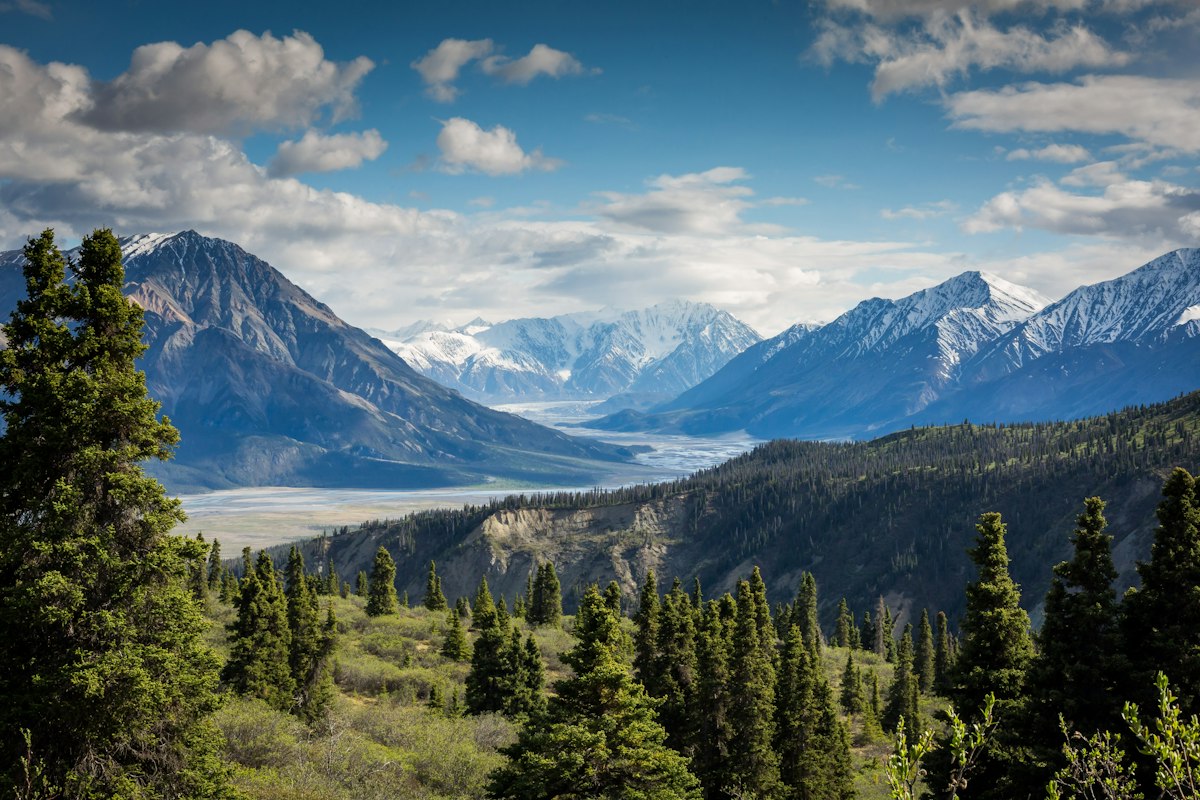
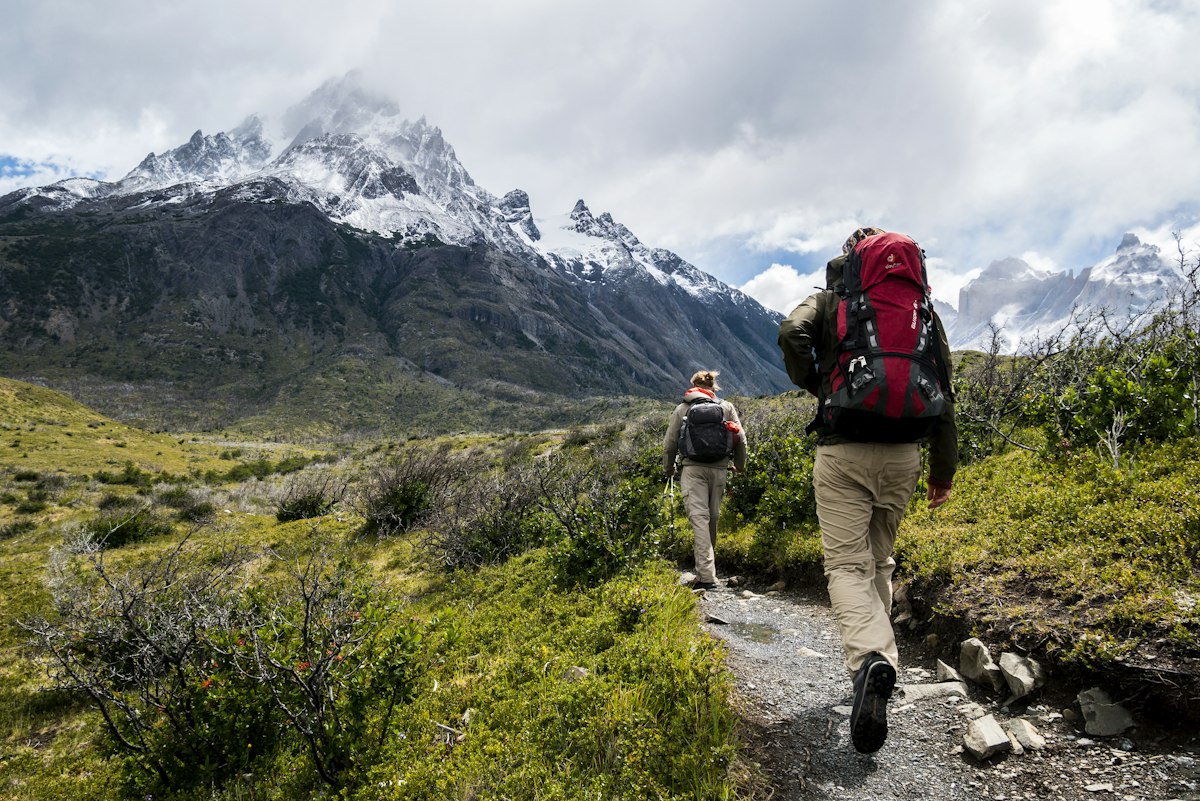

Location Overview
<p>The Westfjords, located in the northwestern part of Iceland, is a region of stark and dramatic beauty. This remote and sparsely populated area is characterized by its rugged coastline, deep fjords, and towering cliffs. The landscape is a mosaic of green valleys, rocky outcrops, and pristine beaches, all set against the backdrop of the North Atlantic. The Westfjords is a hiker's paradise, offering a wide range of trails that cater to all levels of experience.</p><p>Hornstrandir, a nature reserve in the northernmost part of the Westfjords, is a particularly special destination for hiking. The reserve covers an area of about 580 square kilometers and is home to a diverse range of flora and fauna. The landscape is dominated by deep fjords, such as Hornafjörður and Hrafnfjörður, which cut into the coastline, creating a network of secluded bays and inlets. The cliffs are a haven for seabirds, and the valleys are lush with vegetation, providing a habitat for a variety of plant and animal species.</p><p>The Westfjords is a region that has remained largely untouched by human activity, making it a perfect destination for those seeking a true wilderness experience. The trails in Hornstrandir are well-maintained, but the remote location and challenging terrain mean that hikers should be well-prepared and self-sufficient. The region is best explored during the summer months when the weather is more favorable, but even then, hikers should be prepared for sudden changes in weather and the possibility of encountering rough terrain.</p>
Key Points of Interest
<p><strong>Hornvik Bay:</strong> The hike begins at the picturesque Hornvik Bay, where the trailhead is located. The bay is a tranquil spot, with calm waters and a sandy beach. As you set off, you will be greeted by the sound of waves lapping against the shore and the calls of seabirds. The trail follows the coastline, offering stunning views of the bay and the surrounding cliffs.</p><p><strong>Hornbjarg Cliffs:</strong> As you continue along the trail, you will reach the Hornbjarg Cliffs, which rise dramatically from the sea. These cliffs are a nesting ground for a variety of seabirds, including puffins and guillemots. The sight of thousands of birds flying in and out of the cliffs is a breathtaking experience. The trail follows a path along the base of the cliffs, providing close-up views of the nesting sites.</p><p><strong>Hornstrandir Nature Reserve:</strong> The trail passes through the Hornstrandir Nature Reserve, a protected area that is home to a rich variety of flora and fauna. The reserve is known for its pristine landscapes and the absence of human activity, making it a true wilderness experience. The trail winds through lush valleys and over rocky outcrops, offering a diverse range of terrain and scenery.</p><p><strong>High Point:</strong> The high point of the hike offers panoramic views of the Westfjords. From this vantage point, you can see the deep fjords, the rugged coastline, and the distant mountains. The views are so expansive that you might find yourself lingering for a while, simply to take it all in. The high point is a great spot to take a break, enjoy a picnic, and recharge before continuing the hike.</p><p><strong>Hrafnseyri:</strong> The trail ends at the village of Hrafnseyri, a small settlement on the northern coast of the Westfjords. Hrafnseyri is known for its cultural significance and its connection to the Icelandic poet and politician Jón Sigurðsson. The village has a small museum that provides insight into the history and culture of the region. After completing the hike, you can explore the village and learn more about the rich heritage of the Westfjords.</p>
Route Waypoints
- Hornbjarg Cliffs: A dramatic section of the trail with towering cliffs that are home to thousands of nesting seabirds.
- Hornstrandir Nature Reserve: A protected area with pristine landscapes and a rich variety of flora and fauna.
- High Point: The highest point on the trail, offering panoramic views of the Westfjords, fjords, and distant mountains.
- Valley of Flowers: A lush valley filled with a variety of Arctic plants and wildflowers, providing a colorful and fragrant experience.
Getting to the Start
<p>To reach the starting point of the Hornstrandir hike in the Westfjords, you will need to make your way to the small town of Ísafjörður, which serves as the main gateway to the region. Ísafjörður is located on the southern coast of the Westfjords and is accessible by road via Route 60, the main highway that runs through the region. From Reykjavík, the journey to Ísafjörður takes approximately 7-8 hours by car, depending on road conditions and traffic.</p><p>Once in Ísafjörður, you can make arrangements to get to the trailhead at Hornstrandir. The most common way to reach the trailhead is by taking a ferry from Ísafjörður to the village of Hrafnseyri, located on the northern coast of the Westfjords. The ferry operates during the summer months and takes about 2 hours to reach Hrafnseyri. From Hrafnseyri, you can continue by car or on foot to the trailhead, which is about 30 kilometers away.</p><p>If you prefer not to drive, there are public bus services that run from Ísafjörður to Hrafnseyri, but the schedule is limited, and it is advisable to check the timetable in advance. Once you reach the trailhead, there is a small parking area where you can leave your vehicle. The trailhead is well-marked, and there are information boards providing details about the hike and the surrounding area.</p>
Tips, Safety & Travel
<p>Hiking in the Westfjords, particularly in Hornstrandir, requires careful planning and preparation. The remote location and challenging terrain mean that hikers should be well-equipped and self-sufficient. Essential items to bring include sturdy hiking boots, layers of clothing to cope with changing weather conditions, a map and compass, a first-aid kit, and plenty of food and water. It is also advisable to bring a GPS device or a smartphone with a map app, as cell phone reception can be limited in the area.</p><p>Safety is a top priority when hiking in the Westfjords. The weather can change rapidly, and conditions can become hazardous, especially in the higher elevations. It is important to check the weather forecast before setting out and to be prepared for sudden changes. Hikers should also be aware of the potential for rough terrain and uneven surfaces, and they should take care when navigating steep or slippery sections of the trail.</p><p>The best time to hike in the Westfjords is during the summer months, from June to September. During this period, the weather is generally more favorable, and the days are longer, providing more daylight for hiking. However, even in the summer, hikers should be prepared for cool temperatures and the possibility of rain. It is also advisable to hike with a partner or a group, as the remote location means that help may not be readily available in the event of an emergency.</p><p>In case of an emergency, the nearest medical facilities are in Ísafjörður, and there is a search and rescue team based in the town. Hikers should carry a charged cell phone and a means of communication, such as a satellite phone or a personal locator beacon, in case of an emergency. It is also a good idea to inform someone of your hiking plans and expected return time, so that they can alert authorities if you do not return as scheduled.</p>
Wildlife & Nature Highlights
<p>The Westfjords, and particularly Hornstrandir, is a haven for wildlife enthusiasts. The region is home to a rich variety of flora and fauna, making it a paradise for nature lovers. One of the most notable features of the area is the abundance of seabirds. The cliffs along the fjords are nesting grounds for species such as puffins, guillemots, and kittiwakes. These birds can often be seen in large numbers, creating a symphony of chirps and calls that fill the air.</p><p>In addition to seabirds, the Westfjords is also home to a variety of land animals. Arctic foxes are a common sight, and they can often be spotted near the trail, especially in the early morning or late evening. The region is also home to a variety of plant species, including Arctic cotton, mountain avens, and saxifrage. These plants thrive in the harsh conditions of the Westfjords and add a splash of color to the landscape.</p><p>The geology of the Westfjords is another highlight of the region. The cliffs and mountains are composed of volcanic rock, which has been shaped by the forces of nature over millions of years. The rugged terrain and dramatic cliffs provide a unique backdrop for hiking, and the geology of the area is a testament to the region's volcanic past. The fjords themselves are deep and narrow, carved by glaciers during the last ice age, and they are filled with crystal-clear water that reflects the surrounding landscape.</p>
Tags
- Hiking in Westfjords
- Fjords of Iceland
- Hornstrandir Nature Reserve
- Seabird Watching
- Arctic Flora
- Remote Hiking