Activity: Hiking | Difficulty: Hard | Location: Hardanger, Norway
The Trolltunga Ridge Walk is a challenging hike with steep and rocky terrain, offering breathtaking views of the Hardanger region.
Adventure Statistics
- Distance: 22.0km
- Duration: 3h 53m
- Elevation Gain: 550m
- Max Elevation: 1050m
- Calories Burned: 1748
- Best Seasons: Summer, Fall
- Features: Viewpoint, Summit, Lake, Forest, River, Wildlife_viewing
Photos
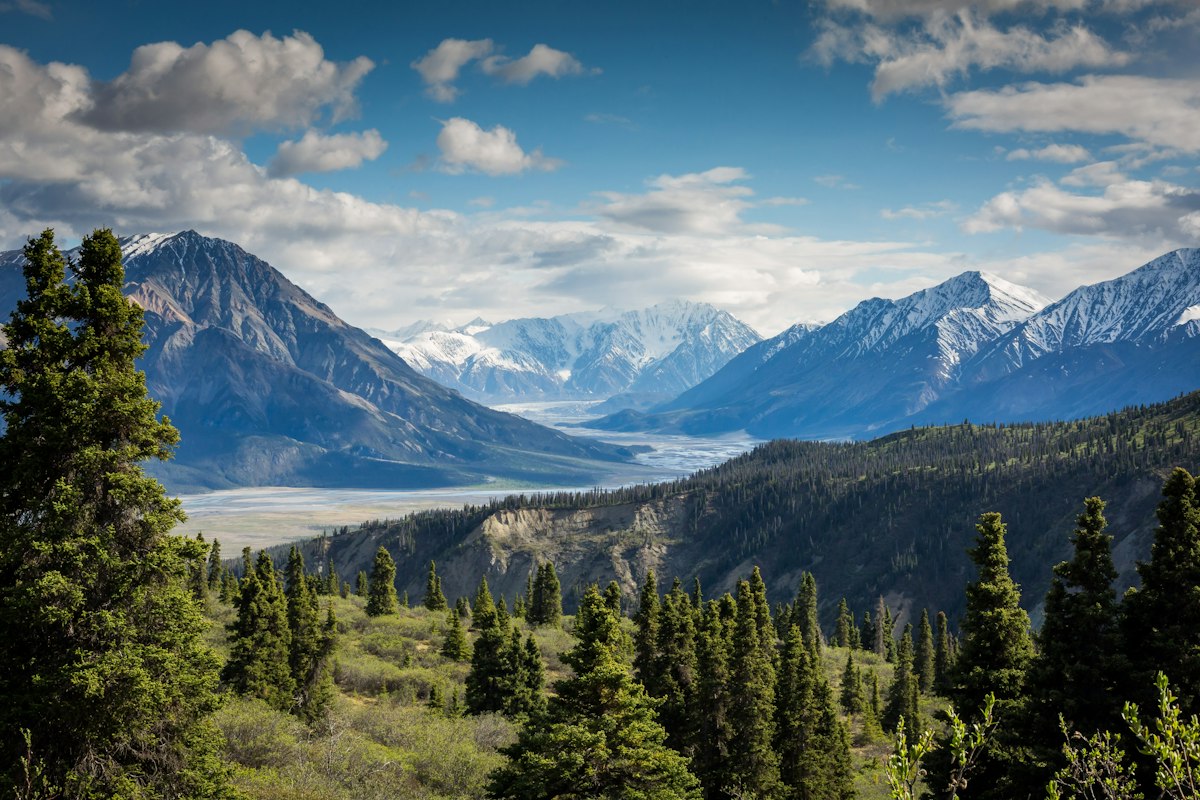
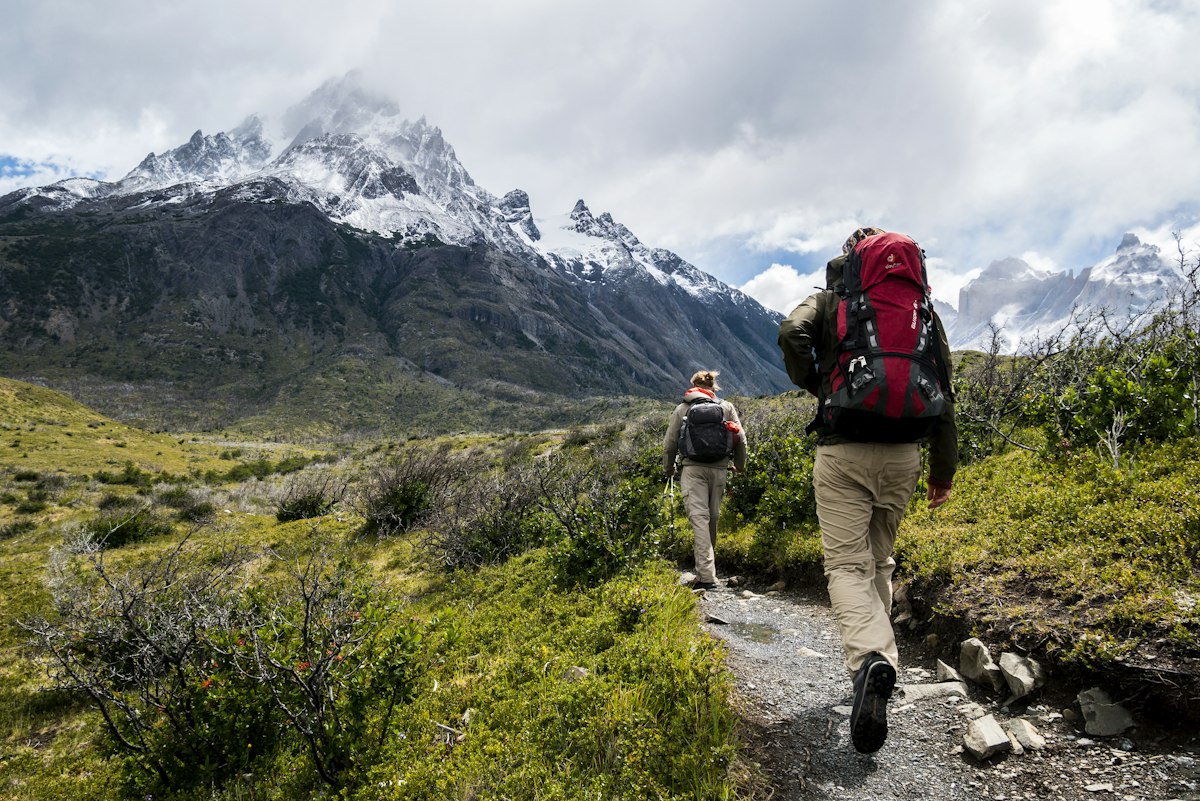
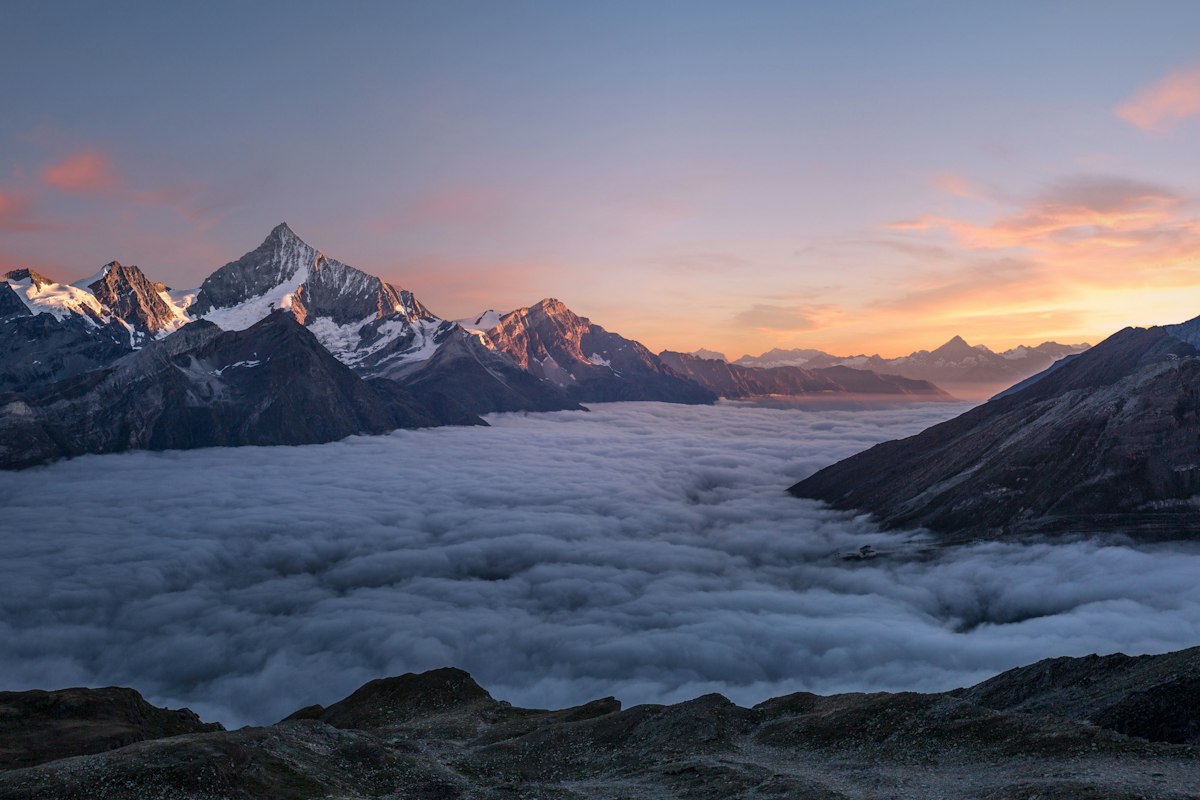
Location Overview
<p>Hardanger, located in western Norway, is a region of unparalleled natural beauty, characterized by its dramatic fjords, towering mountains, and lush forests. The Trolltunga Ridge Walk is set in the heart of this stunning landscape, offering hikers a chance to explore some of the most awe-inspiring scenery in the world. The region is known for its temperate climate, with mild summers and cold, snowy winters. The Hardangerfjord, one of the longest and deepest fjords in Norway, is a prominent feature of the area, providing a backdrop of turquoise waters and steep cliffs. The surrounding mountains, including the Folgefonna Glacier, add to the region's majestic appeal. The trail to Trolltunga passes through a variety of landscapes, from dense forests to open alpine meadows, each offering its own unique charm. The area is also rich in wildlife, with a diverse range of flora and fauna that thrive in the diverse ecosystems. Whether you're a seasoned hiker or a nature enthusiast, Hardanger is a destination that promises a truly memorable experience.</p><p>The Trolltunga Ridge Walk is not just a hike; it's an adventure that takes you through the heart of Hardanger's natural wonders. The trail begins in the verdant forests, where the air is fresh and the sounds of nature are ever-present. As you ascend, the forest gradually gives way to open alpine terrain, where the views become increasingly dramatic. The trail is well-maintained, but hikers should be prepared for some challenging sections, especially as they approach the final stretch to Trolltunga. The rock formation itself is a testament to the region's geological history, formed over thousands of years by the erosive forces of ice and water. The views from Trolltunga are simply breathtaking, with the Ringedalsvatnet lake stretching out below and the surrounding mountains creating a panoramic vista that is both humbling and inspiring. The entire experience of hiking in Hardanger is a journey through time and nature, offering a deep connection to the land and a sense of awe at the beauty of the natural world.</p>
Key Points of Interest
<p>1. <strong>Forest Entrance:</strong> The hike begins at the forest entrance, where the scent of pine and the sounds of birds create a serene atmosphere. The trail is well-marked and easy to follow, making it a great starting point for the journey ahead.</p><p>2. <strong>Mountain Pass:</strong> As you continue along the trail, you'll reach a mountain pass that offers your first glimpse of the surrounding mountains and valleys. The views from this point are breathtaking and provide a sense of the adventure to come.</p><p>3. <strong>Alpine Meadow:</strong> The trail then leads you into an alpine meadow, where the landscape opens up to reveal a carpet of wildflowers and the distant peaks of the Hardanger mountains. The meadow is a peaceful spot to take a break and enjoy the natural beauty.</p><p>4. <strong>Lake Viewpoint:</strong> As you approach the higher elevations, you'll reach a viewpoint that offers a stunning view of the Ringedalsvatnet lake. The turquoise waters and the surrounding cliffs create a picturesque scene that is perfect for photography.</p><p>5. <strong>Trolltunga Rock Formation:</strong> The highlight of the hike is the Trolltunga rock formation, a dramatic overhang that juts out over the lake. The views from this point are simply breathtaking, and the experience of standing on the rock is both exhilarating and humbling.</p><p>6. <strong>Return Path:</strong> After enjoying the views from Trolltunga, the return path takes you back through the alpine meadows and forests, providing a different perspective on the landscapes you've already seen. The descent is gradual, and the trail is well-maintained, making it a pleasant way to end your adventure.</p>
Route Waypoints
- Mountain Pass: A scenic viewpoint offering panoramic views of the surrounding mountains and valleys.
- Alpine Meadow: An open meadow with a carpet of wildflowers and distant views of the Hardanger mountains.
- Lake Viewpoint: A stunning viewpoint overlooking the Ringedalsvatnet lake and the surrounding cliffs.
- Trolltunga Rock Formation: The dramatic overhang that juts out over the lake, providing breathtaking views and a memorable photo opportunity.
- Return Path: The descent back through the alpine meadows and forests, offering a different perspective on the landscapes.
- Forest Exit: The point where the trail exits the forest and returns to the starting point.
Getting to the Start
<p>To reach the starting point of the Trolltunga Ridge Walk in Hardanger, you can start from the town of Odda, which is the nearest major town and a popular base for hikers. From Odda, you can take the road E134, heading east towards the village of Skjeggedal. The drive is approximately 25 kilometers and takes about 30 minutes, depending on traffic. As you approach Skjeggedal, you'll follow signs for the Trolltunga parking area, which is located near the coordinates 60.124, 6.8224. The parking area is well-marked and can accommodate a moderate number of vehicles, but it can get crowded during peak hiking season, so it's advisable to arrive early. If you're traveling by public transport, there are bus services that connect Odda to Skjeggedal, and you can check the local transport schedules for the most up-to-date information. The last bus stop is close to the trailhead, making it a convenient option for those without a car. Once you reach the parking area, you'll find a well-marked trailhead that leads you to the start of the Trolltunga Ridge Walk. The trail is clearly signposted, and there are information boards that provide details about the hike and safety tips.</p>
Tips, Safety & Travel
<p>Hiking the Trolltunga Ridge Walk in Hardanger is an adventure that requires careful preparation and a respect for the natural environment. Essential kit for the hike includes sturdy hiking boots, layers of clothing to adapt to changing weather conditions, a backpack, a map, a compass, and plenty of water and snacks. It's also advisable to carry a first-aid kit, a whistle, and a fully charged mobile phone for emergencies. The trail can be steep and rocky in places, so hikers should be in good physical condition and have a good sense of balance. Weather conditions in Hardanger can be unpredictable, and it's important to check the forecast before setting out. The best time to undertake the hike is during the summer months, from June to September, when the weather is generally more stable and the days are longer. However, even in summer, it's possible to encounter rain and fog, so be prepared for all conditions. The trail is well-marked, but hikers should still be cautious, especially in exposed sections and near the edges of cliffs. It's also important to stay on the designated trail to minimize your impact on the environment and to avoid getting lost. In case of an emergency, the nearest medical facilities are in Odda, and there are emergency shelters along the trail where you can seek refuge if needed. Always let someone know your planned route and expected return time, and consider hiking with a partner for added safety.</p>
Wildlife & Nature Highlights
<p>The Hardanger region is home to a diverse range of flora and fauna, making it a paradise for nature enthusiasts and wildlife watchers. As you hike through the forests and alpine meadows, you'll have the opportunity to observe a variety of plant and animal species. The forests are dominated by coniferous trees such as pine and spruce, which provide a habitat for numerous bird species, including the Eurasian jay, the woodpecker, and the common raven. In the spring and summer, the forest floor is often carpeted with wildflowers, such as blue anemones and wood anemones, adding a splash of color to the landscape. As you ascend into the alpine regions, the vegetation changes, with hardy plants like alpine saxifrage and arctic bellflower thriving in the harsh conditions. The area is also home to a variety of mammals, including red deer, roe deer, and the elusive lynx. While sightings of these larger mammals are rare, you might catch a glimpse of smaller animals like the red squirrel or the mountain hare. The region's rivers and streams are teeming with fish, including trout and salmon, which attract birds of prey like the white-tailed eagle. The geology of the area is equally fascinating, with the Trolltunga rock formation being a prime example of the region's unique geological history. The rock is composed of granite and has been shaped over thousands of years by glacial activity, creating the dramatic overhang that hikers come to see.</p>
Tags
- Hiking Adventure: Trolltunga Ridge Walk, Hardanger, Norway
- hiking in Hardanger
- Trolltunga
- Hardangerfjord
- Norwegian fjords
- alpine hiking
- outdoor adventure
- nature photography