Activity: Hiking | Difficulty: Hard | Location: Alps, France
The Mont Blanc Circuit is a challenging hiking trail that circumnavigates the Mont Blanc massif, passing through France, Italy, and Switzerland. The route covers a distance of 170 kilometers and includes a variety of terrains, from dense forests to high mountain passes.
Adventure Statistics
- Distance: 170.0km
- Duration: 13h 18m
- Elevation Gain: 2369m
- Max Elevation: 2542m
- Calories Burned: 5992
- Best Seasons: Spring, Summer, Fall
- Features: Viewpoint, Summit, Lake, Forest, Glacier, Wildlife_viewing
Photos
Location Overview
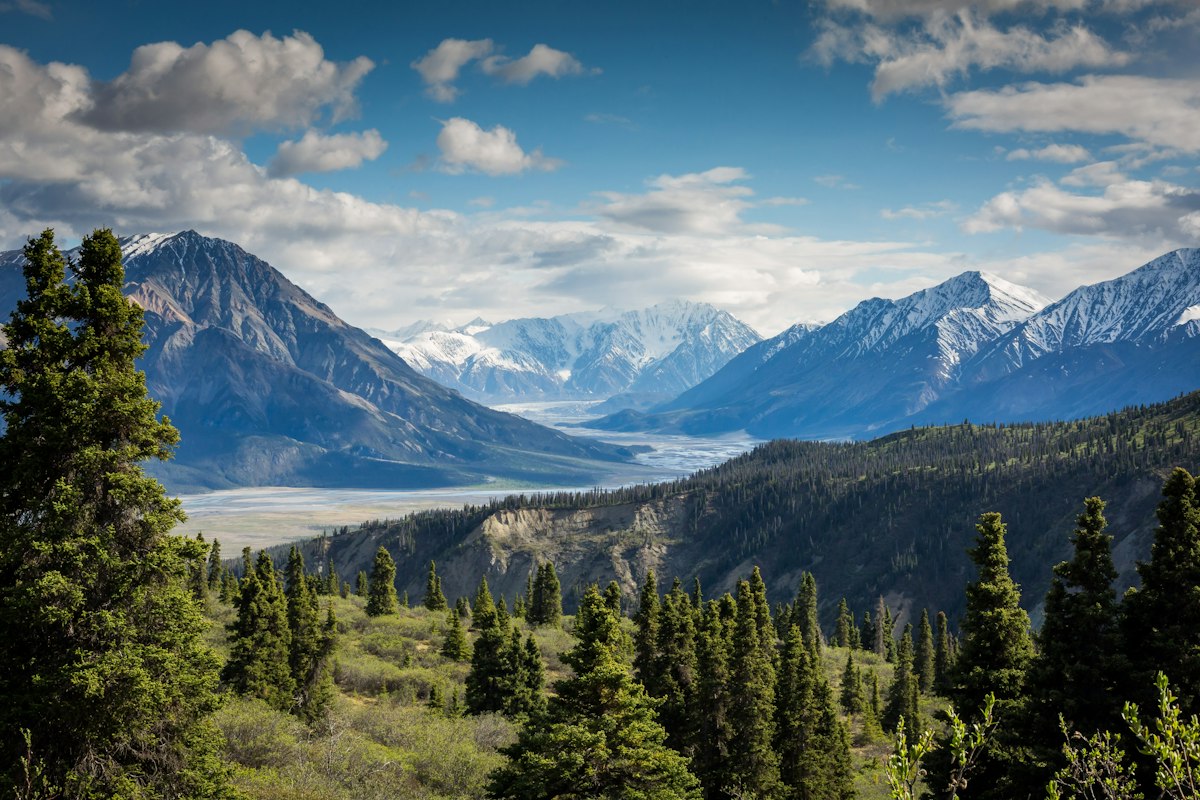
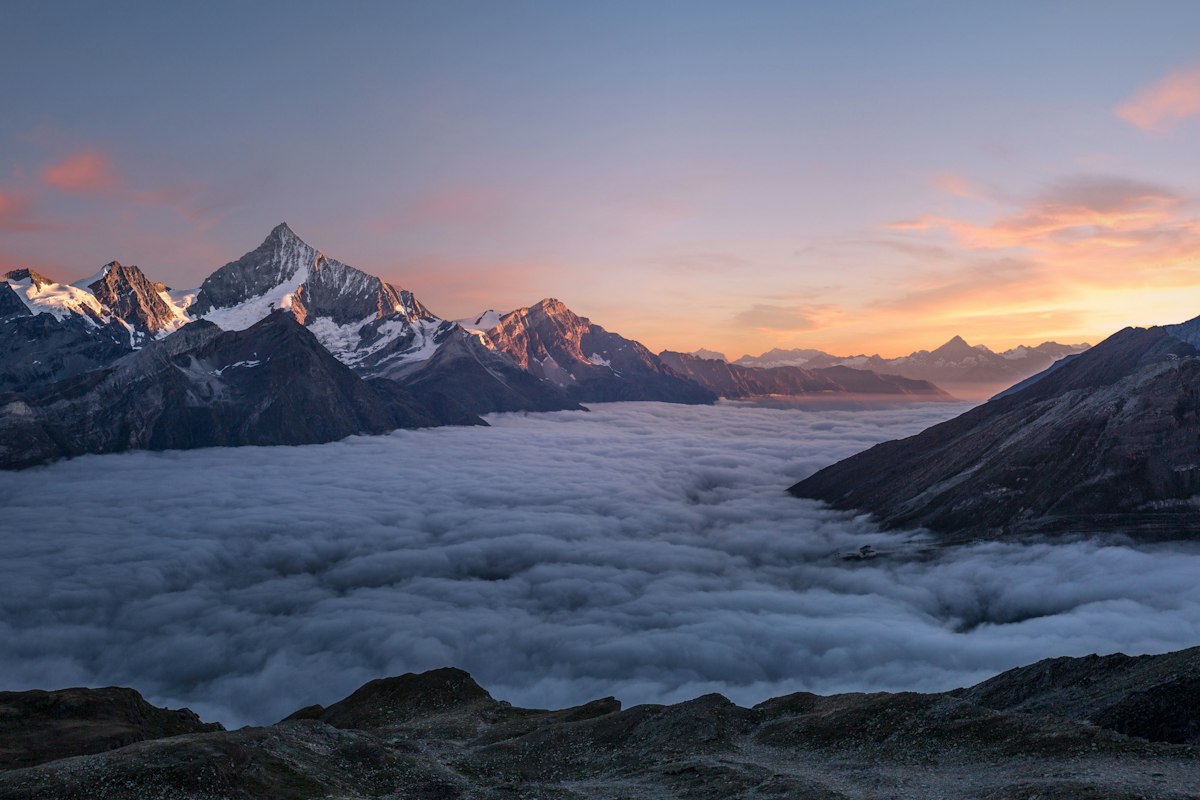
<p>The Mont Blanc Circuit is set in the heart of the French Alps, a region renowned for its dramatic landscapes and rich cultural heritage. The trail passes through the Haute-Savoie and Savoie departments of France, as well as parts of Italy and Switzerland, offering a unique blend of alpine scenery and cross-border experiences. The Mont Blanc massif, with its towering peaks and expansive glaciers, dominates the skyline and serves as a constant reminder of the natural wonders that await.</p><p>The French Alps are characterized by their diverse ecosystems, ranging from lush forests and alpine meadows to rocky outcrops and snow-capped summits. The region is home to a variety of flora and fauna, including edelweiss, marmots, and ibex. The landscape is also shaped by human activity, with traditional mountain villages and historic trails that have been used for centuries.</p><p>One of the most appealing aspects of the Mont Blanc Circuit is its accessibility. Despite its challenging nature, the trail is well-maintained and marked, making it possible for hikers of varying skill levels to enjoy the experience. The route is particularly popular in the summer months, when the weather is generally more favorable and the days are longer. However, the shoulder seasons of spring and fall offer their own unique charms, with fewer crowds and a different palette of colors and temperatures.</p><p>Hiking in France along the Mont Blanc Circuit is not just about the physical journey; it's also about the cultural experience. The trail takes you through areas with a rich history, from ancient Roman roads to medieval monasteries. The local cuisine, which includes hearty dishes like fondue and raclette, is another highlight of the trip. The combination of natural beauty, cultural richness, and the thrill of adventure makes the Mont Blanc Circuit a truly unforgettable hiking destination in France.</p>
Key Points of Interest
<p><strong>Col de Voza</strong>: This is one of the first major passes you'll encounter on the Mont Blanc Circuit. The Col de Voza offers panoramic views of the Chamonix Valley and the Aiguille du Midi. The ascent to the col is gentle, but the reward is a stunning vista that sets the tone for the rest of your journey through France.</p><p><strong>Lac Blanc</strong>: Located near the town of Les Houches, Lac Blanc is a beautiful alpine lake that reflects the surrounding peaks. The lake is a popular spot for a rest and a picnic, and it's a great place to take in the serene beauty of the French Alps. The trail around the lake is relatively flat and easy, making it accessible for hikers of all skill levels.</p><p><strong>Col de la Seigne</strong>: This is the first of the major passes on the French-Italian border. The Col de la Seigne is a significant milestone on the Mont Blanc Circuit, offering breathtaking views of the Italian Alps. The ascent to the col is steep, but the effort is well worth it for the panoramic views and the sense of accomplishment.</p><p><strong>Grand Col Ferret</strong>: This high-altitude pass is one of the most challenging sections of the trail. The Grand Col Ferret offers stunning views of the Swiss Alps and the Italian border. The trail is rocky and exposed, but the views from the top are some of the most spectacular on the entire circuit.</p><p><strong>Refuge du Nant Borrant</strong>: This mountain hut is a popular stop for hikers looking to rest and refuel. The refuge offers basic accommodation and meals, and it's a great place to meet other hikers and share stories. The surrounding area is known for its wildflowers and the occasional sighting of Alpine marmots.</p><p><strong>Col du Bonhomme</strong>: This pass is another highlight of the Mont Blanc Circuit, offering panoramic views of the French Alps. The ascent to the col is steep, but the trail is well-maintained, and the views from the top are simply breathtaking. The col is often shrouded in mist, adding a mystical quality to the landscape.</p><p><strong>Col de la Croix du Bonhomme</strong>: This final major pass on the French side of the trail offers a fitting finale to your journey. The views from the col are stunning, with the Mont Blanc massif dominating the horizon. The descent from the col is gentle and leads back to the town of Les Houches, where you can celebrate the completion of your adventure.</p>
Route Waypoints
- Col de Voza: A gentle ascent to this col offers panoramic views of the Chamonix Valley and the Aiguille du Midi in France.
- Lac Blanc: A beautiful alpine lake near Les Houches, ideal for a rest and a picnic, with stunning views of the surrounding peaks in France.
- Col de la Seigne: The first major pass on the French-Italian border, offering breathtaking views of the Italian Alps.
- Grand Col Ferret: One of the most challenging sections of the trail, with spectacular views of the Swiss Alps and the Italian border.
- Refuge du Nant Borrant: A popular mountain hut in France, offering basic accommodation and meals, and a great place to meet other hikers.
- Col du Bonhomme: A steep ascent to this pass offers panoramic views of the French Alps, with the Mont Blanc massif dominating the horizon.
Getting to the Start
<p>The starting point for the Mont Blanc Circuit is typically the town of Les Houches, located in the Haute-Savoie department of France. Les Houches is a charming alpine village that serves as a gateway to the trail. To reach Les Houches, you can take a train from major cities like Paris or Geneva to the town of Saint-Gervais-les-Bains. From there, you can catch a bus or shuttle service to Les Houches. The bus station in Saint-Gervais-les-Bains is located near the train station, making it easy to transfer between modes of transport.</p><p>If you're driving, the A40 motorway (Autoroute Blanche) is the main route to reach Les Houches. Follow the A40 from either the north or south, and take the exit for Saint-Gervais-les-Bains. From there, follow the D902 road to Les Houches. There are several parking options in the town, including the parking lot near the Gare des Praz, which is a convenient starting point for the trail.</p><p>For those preferring public transport, the SNCF (French National Railway Company) offers regular train services to Saint-Gervais-les-Bains. The journey from Paris typically takes around 3 to 4 hours, while the trip from Geneva is slightly shorter, taking about 2 to 3 hours. Once in Saint-Gervais-les-Bains, you can take the bus line 110, which runs frequently to Les Houches. The bus stop is located just a short walk from the train station, and the journey to Les Houches takes about 20 minutes.</p><p>Whether you choose to drive or use public transport, reaching the starting point of the Mont Blanc Circuit in France is straightforward and convenient. The town of Les Houches offers a range of services, including accommodation, restaurants, and shops, making it an ideal base to begin your hiking adventure.</p>
Tips, Safety & Travel
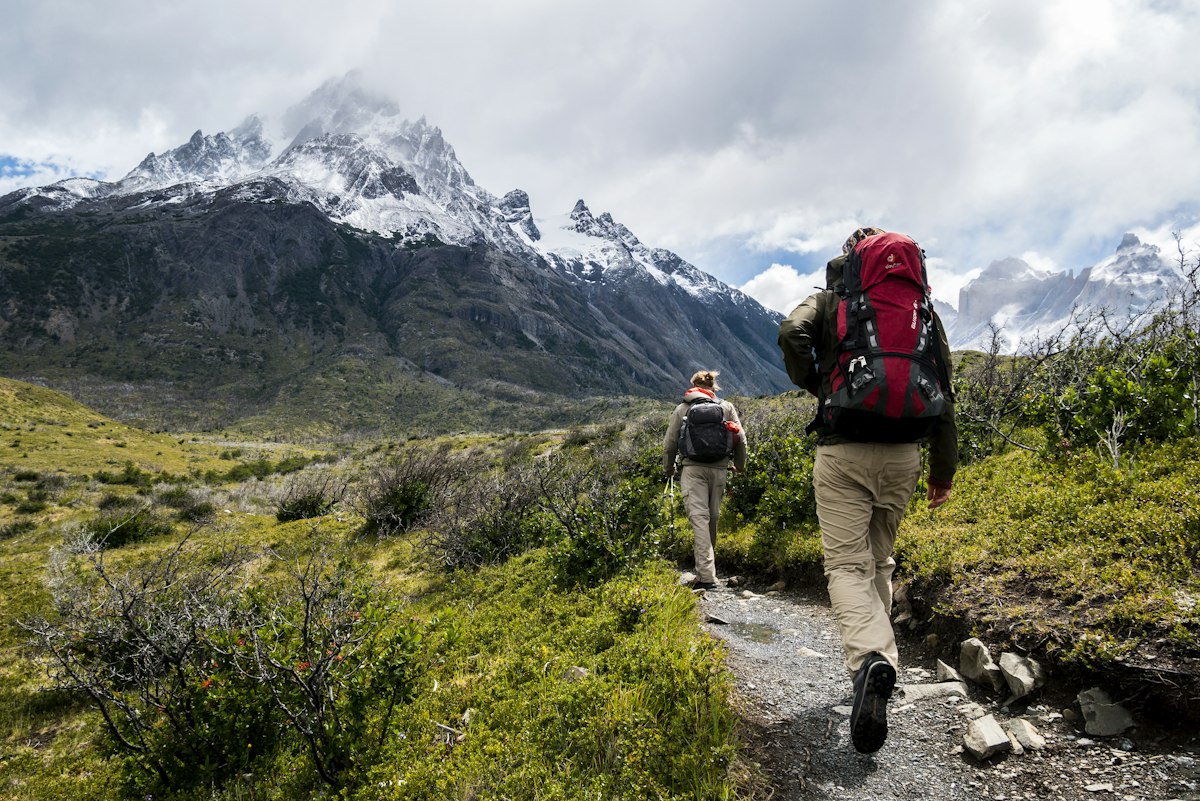
<p>Hiking the Mont Blanc Circuit in France is a rewarding but challenging experience, and proper preparation is essential for a safe and enjoyable trip. Here are some essential tips and safety advice to keep in mind:</p><p><strong>Essential Kit</strong>: Pack lightweight, breathable clothing suitable for changing weather conditions. Layers are key, as temperatures can vary significantly throughout the day. A waterproof jacket and pants are essential, as are sturdy hiking boots with good ankle support. Other essentials include a daypack, a map of the trail, a compass, a first-aid kit, and a headlamp or flashlight for early morning or late evening hikes.</p><p><strong>Safety Advice</strong>: Always check the weather forecast before setting out each day, as conditions can change rapidly in the mountains. Be aware of the risk of altitude sickness, especially if you're not used to high elevations. Stay on marked trails and avoid taking shortcuts, as unmarked paths can be dangerous and may lead to getting lost. Always carry enough water and snacks to keep you hydrated and energized throughout the day.</p><p><strong>Weather and Terrain Hazards</strong>: The Mont Blanc Circuit can be challenging due to its high altitude and varied terrain. Heavy rain can make trails slippery and difficult to navigate, while strong winds can be a hazard on exposed sections. Thunderstorms are common in the afternoon, so it's best to start your hikes early in the morning and plan to be off the high passes by midday. Snow can persist on the higher elevations even in summer, so be prepared for icy conditions and use crampons if necessary.</p><p><strong>Best Season</strong>: The best time to hike the Mont Blanc Circuit is from mid-June to early September, when the weather is generally more stable and the days are longer. However, the shoulder seasons of spring and fall can also be rewarding, with fewer crowds and a different palette of colors and temperatures. Just be prepared for more variable weather and the possibility of snow on the higher passes.</p><p><strong>Emergency Notes</strong>: In case of an emergency, the international emergency number in France is 112. Most mountain huts and refuges have a phone that can be used in emergencies. It's also a good idea to carry a personal locator beacon (PLB) or a satellite phone, especially if you're hiking alone or in remote areas. Always let someone know your itinerary and expected return time, and consider carrying a whistle and a mirror for signaling in case you get lost.</p>
Wildlife & Nature Highlights
<p>The Mont Blanc Circuit in France is a haven for nature lovers, offering a rich array of flora and fauna that thrive in the diverse alpine ecosystems. As you hike through the French Alps, you'll encounter a variety of plant species, including the iconic edelweiss, which is often seen blooming in the higher elevations. The alpine meadows are also home to a wide range of wildflowers, such as gentians, primroses, and alpine roses, which add a splash of color to the landscape.</p><p>Among the fauna, the Alpine marmot is a common sight along the trail. These playful rodents are often seen sunbathing on rocks or scurrying around in search of food. The marmots are known for their loud whistles, which they use to communicate with each other and warn of potential threats. Another notable mammal is the Alpine ibex, a species of wild goat that is well-adapted to the steep, rocky terrain of the French Alps. Ibex are often spotted on the higher slopes, grazing on the sparse vegetation.</p><p>Birdwatchers will be delighted by the variety of avian species found in the region. Golden eagles, bearded vultures, and peregrine falcons are some of the raptors that can be observed soaring through the skies. The alpine chough, a member of the crow family, is another common sight, often seen scavenging for food near the mountain huts and refuges.</p><p>The geology of the Mont Blanc massif is also a highlight of the trail. The region is characterized by its rugged peaks, deep valleys, and extensive glaciers. The Mer de Glace, one of the largest glaciers in the French Alps, is a must-see attraction. The glacier's blue ice and dramatic crevasses provide a stark contrast to the surrounding green meadows and forests. The trail also passes through areas with unique rock formations, such as the Aiguille du Midi, a striking needle-like peak that rises to an elevation of 3,842 meters.</p><p>Hiking the Mont Blanc Circuit in France offers a unique opportunity to observe and appreciate the rich biodiversity of the region. Whether you're a seasoned naturalist or simply enjoy the beauty of the outdoors, the trail provides a wealth of wildlife and geological features that make every step a new discovery.</p>
Tags
- Mont Blanc Circuit
- Tour du Mont Blanc
- hiking in France
- French Alps
- alpine scenery
- high-altitude hiking
- multi-day trek
- cross-border trail