Activity: Hiking | Difficulty: Hard | Location: Cusco, Peru
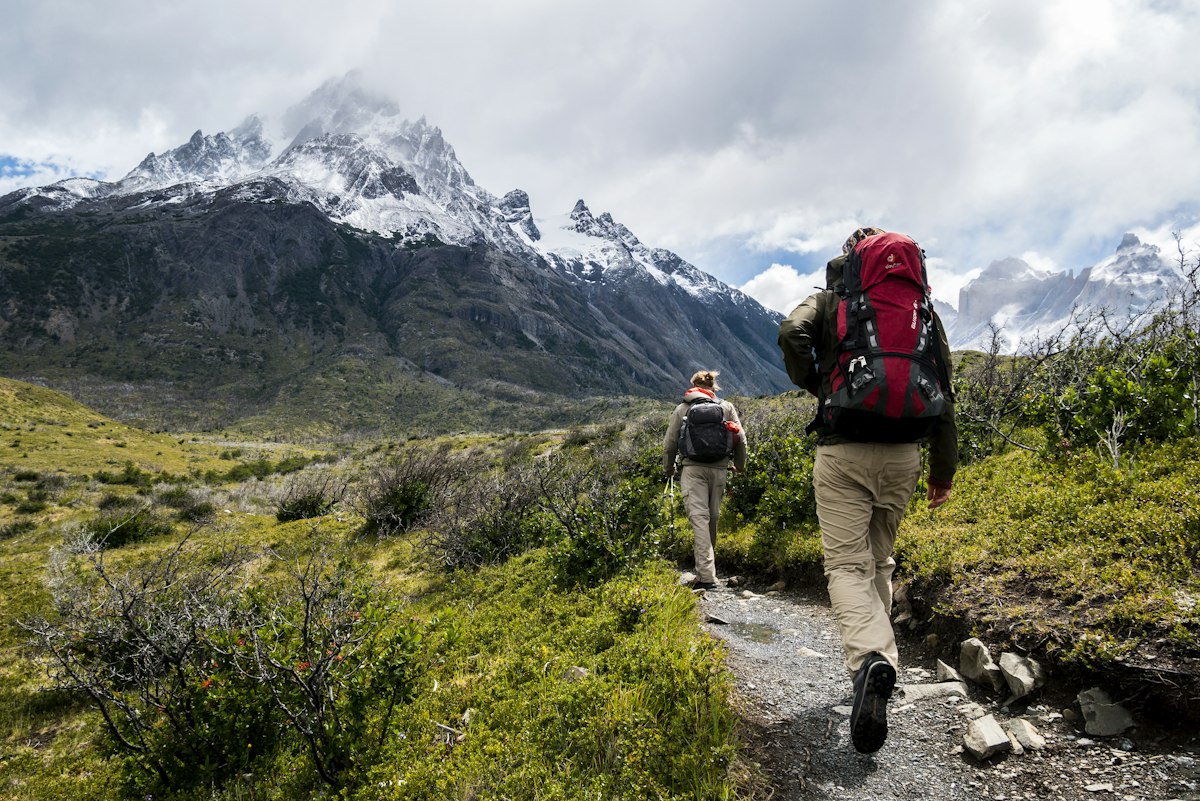
The Inca Trail to Machu Picchu is a challenging 4-day, 26-mile trek through diverse Andean landscapes, with steep ascents, rocky terrain, and stone staircases.
Adventure Statistics
- Distance: 42.2km
- Duration: 7h 27m
- Elevation Gain: 4233m
- Max Elevation: 4215m
- Calories Burned: 3353
- Best Seasons: Spring, Summer, Fall
- Features: Viewpoint, Summit, Forest, Historical_site, Wildlife_viewing, Restrooms
Photos

Location Overview
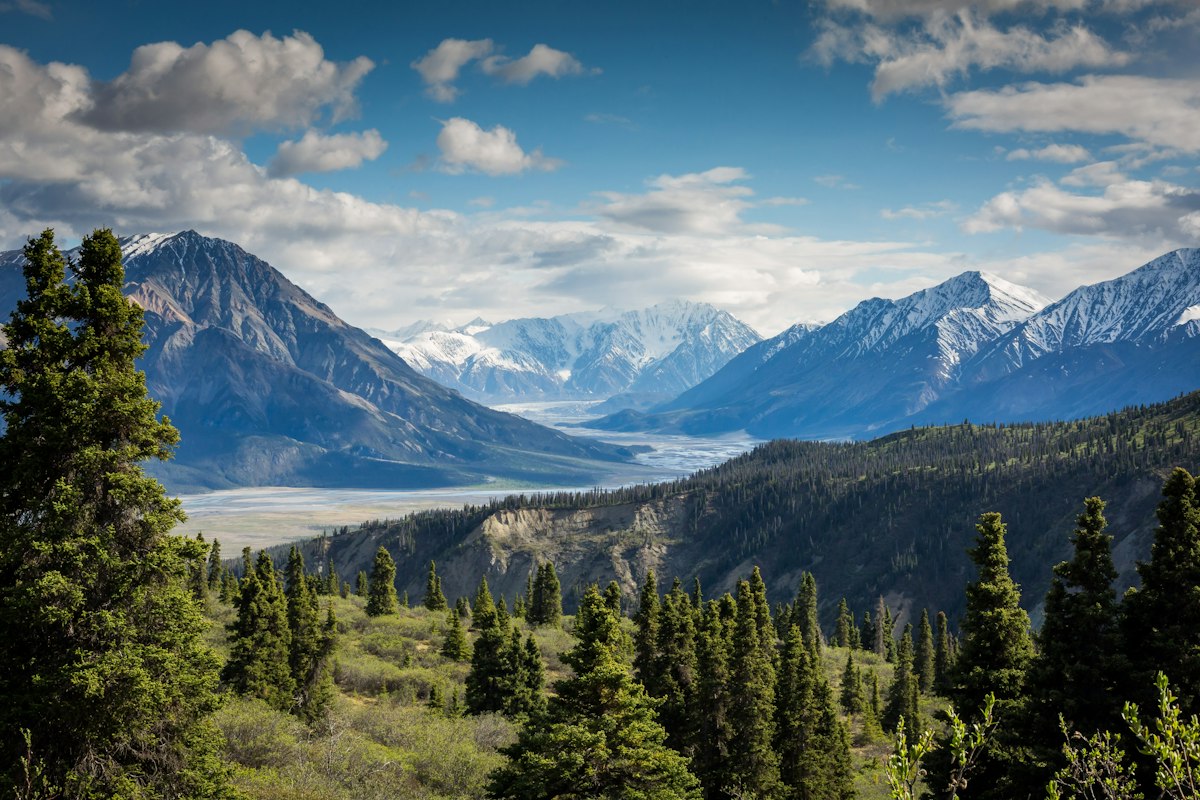
<p>Cusco, the ancient capital of the Inca Empire, serves as the gateway to the Inca Trail. Located in the southeastern region of Peru, Cusco is surrounded by the majestic Andes Mountains, which provide a stunning backdrop for this historic and cultural adventure. The city itself is a blend of colonial and indigenous architecture, with cobblestone streets, vibrant markets, and historic sites that offer a glimpse into the rich history of the region.</p><p>The landscape around Cusco is characterized by a mix of high-altitude grasslands, known as puna, and lush cloud forests. The Andean highlands are dotted with small communities, traditional farms, and ancient ruins that hint at the region's storied past. The climate in Cusco is generally mild, with dry and sunny days and cool nights, making it an ideal destination for hiking year-round.</p><p>The Inca Trail to Machu Picchu is one of the most famous and popular hiking routes in the world, and for good reason. The trail takes you through a diverse range of ecosystems, from the subtropical cloud forests at lower elevations to the alpine tundra at higher altitudes. Along the way, you'll encounter a variety of flora and fauna, including rare orchids, colorful birds, and the elusive Andean spectacled bear. The trail is also home to numerous Inca ruins, which provide a fascinating insight into the advanced engineering and architectural skills of the Inca civilization.</p>
Key Points of Interest
<p><strong>KM 82 (Piscacucho):</strong> The official starting point of the Inca Trail, located along the Urubamba River. This is where you'll begin your adventure, passing through the small village of Piscacucho and setting off into the Andean highlands.</p><p><strong>Wiñay Wayna:</strong> One of the most well-preserved Inca ruins along the trail, Wiñay Wayna is a stunning site that features intricate terraces and stone structures. The name means 'Forever Young' in Quechua, and the site is believed to have been a royal estate or retreat. The ruins offer a glimpse into the advanced agricultural and architectural techniques of the Inca civilization.</p><p><strong>Phuyupatamarca:</strong> Known as the 'Town Above the Clouds,' Phuyupatamarca is a breathtaking Inca site perched high in the mountains. The site is characterized by a series of terraces and stone structures, with panoramic views of the surrounding landscape. The name is fitting, as the site is often shrouded in mist, creating a mystical and ethereal atmosphere.</p><p><strong>Runkuracay:</strong> A small but impressive Inca ruin located at a high point on the trail. Runkuracay is a circular structure with a unique design, believed to have served as a checkpoint or resting place for travelers. The site offers stunning views of the surrounding mountains and valleys, making it a popular spot for photos and rest stops.</p><p><strong>Dead Woman's Pass:</strong> The highest point on the Inca Trail, Dead Woman's Pass reaches an elevation of 4,215 meters (13,829 feet). The name comes from the shape of the mountain, which resembles a woman lying on her back. The pass is a challenging but rewarding part of the hike, offering breathtaking views of the Andean landscape and a sense of accomplishment as you reach the summit.</p><p><strong>Inti Punku (Sun Gate):</strong> The final point on the trail, the Sun Gate provides the first glimpse of Machu Picchu. As you approach the gate, the iconic citadel slowly comes into view, perched high on a mountain ridge. The sense of awe and accomplishment is overwhelming, and the views from this vantage point are simply breathtaking.</p><p><strong>Machu Picchu:</strong> The ultimate destination of the Inca Trail, Machu Picchu is a UNESCO World Heritage site and one of the most famous archaeological sites in the world. The citadel is a testament to the advanced engineering and architectural skills of the Inca civilization, with well-preserved stone structures, terraces, and temples. The site offers a glimpse into the daily life and spiritual practices of the Inca people and is a must-see for anyone visiting Peru.</p>
Route Waypoints
- Llactapata: A lesser-known Inca ruin with stunning views of the surrounding valleys.
- Wayllabamba: A small village and the last inhabited settlement before the high mountains.
- Dead Woman's Pass: The highest point on the trail, offering breathtaking views of the Andes.
- Phuyupatamarca: An Inca site known as the 'Town Above the Clouds,' perched high in the mountains.
- Wiñay Wayna: A well-preserved Inca ruin with intricate terraces and stone structures.
- Inti Punku (Sun Gate): The final point on the trail, providing the first glimpse of Machu Picchu.
Getting to the Start
<p>To reach the start of the Inca Trail, you'll need to make your way to Cusco, the gateway city to the trail. The nearest international airport is Alejandro Velasco Astete International Airport (CUZ), which is well-connected to major cities in Peru and other parts of South America. From the airport, you can take a taxi or bus to the city center, where you can find a variety of accommodations and tour operators offering guided hikes.</p><p>Once in Cusco, you'll need to travel to the town of Ollantaytambo, which is about 60 kilometers northwest of the city. The most convenient way to get there is by taking a train from the Cusco train station, which operates regularly and offers scenic views of the Sacred Valley. Alternatively, you can take a bus or private transfer, which will take you along the scenic Route 3S, passing through picturesque Andean villages and lush valleys.</p><p>From Ollantaytambo, you'll need to reach the trailhead at KM 82, which is accessible by road. Most tour operators will provide transportation to this point, but if you're traveling independently, you can take a local bus or taxi. The trailhead is located along the Urubamba River, and you'll begin your hike from here, passing through the small village of Piscacucho. It's important to note that the Inca Trail requires a permit, which must be obtained in advance, and it's highly recommended to book a guided tour to ensure a safe and enjoyable experience.</p>
Tips, Safety & Travel
<p>Embarking on the Inca Trail to Machu Picchu is a challenging but rewarding adventure. To ensure a safe and enjoyable experience, it's important to prepare properly and take the necessary precautions. Here are some essential tips for your journey:</p><p><strong>Essential Kit:</strong> Pack lightweight and durable gear, including a good quality backpack, hiking boots, and layers of clothing to adapt to changing weather conditions. Bring a waterproof jacket, a hat, and sunglasses to protect against the sun and rain. A first-aid kit, sunscreen, and insect repellent are also essential. Don't forget to bring a water bottle and snacks for the trail.</p><p><strong>Safety Advice:</strong> The Inca Trail is a well-marked and maintained route, but it can be challenging, especially at higher altitudes. It's highly recommended to book a guided tour, as guides are familiar with the trail and can provide valuable information and assistance. Always stay on the marked trail and follow the advice of your guide. Be aware of the risks of altitude sickness, and take time to acclimate in Cusco before starting the hike.</p><p><strong>Weather and Terrain Hazards:</strong> The weather in the Andes can be unpredictable, with sudden changes in temperature and precipitation. Be prepared for both sunny and rainy conditions, and check the weather forecast before starting your hike. The trail includes steep ascents and descents, rocky terrain, and stone staircases, so it's important to maintain a steady pace and take breaks as needed.</p><p><strong>Best Season:</strong> The best time to hike the Inca Trail is during the dry season, which runs from May to September. During this period, the weather is generally sunny and dry, and the trails are less muddy. However, this is also the peak season, so expect larger crowds and higher prices for permits and accommodations. If you prefer a quieter experience, consider hiking during the shoulder seasons of April or October.</p><p><strong>Emergency Notes:</strong> In case of an emergency, it's important to have a plan in place. Carry a map and a whistle to signal for help if needed. Most tour operators provide emergency contact information and first-aid supplies. It's also a good idea to inform someone of your itinerary and expected return time. If you experience any health issues, such as altitude sickness, inform your guide immediately, and they will assist you in descending to a lower altitude.</p>
Wildlife & Nature Highlights
<p>The Inca Trail to Machu Picchu is not only a historical and cultural treasure but also a haven for nature enthusiasts. The trail passes through a variety of ecosystems, each with its own unique flora and fauna. In the lower elevations, the subtropical cloud forests are home to a rich diversity of plant life, including numerous species of orchids, bromeliads, and ferns. These forests are also a habitat for a wide range of birds, such as the Andean cock-of-the-rock, the Andean mountain toucan, and the Andean motmot.</p><p>As you ascend into the higher altitudes, the landscape changes to alpine tundra, characterized by grasslands and rocky outcrops. Here, you might spot the Andean spectacled bear, one of the most elusive and endangered mammals in South America. These bears are known for their distinctive white or cream markings around the eyes and chest, and they play a crucial role in the ecosystem by dispersing seeds and maintaining the balance of plant life.</p><p>Other notable wildlife along the trail includes the Andean condor, a majestic bird with a wingspan of up to 10 feet, which can often be seen soaring over the Andean peaks. The trail is also home to a variety of small mammals, such as the Andean fox and the viscacha, a type of chinchilla that is well-adapted to the high-altitude environment. The diverse geology of the region, with its rugged mountains and deep valleys, provides a habitat for a wide range of plant and animal species, making the Inca Trail a true natural wonder.</p>
Tags
- Inca Trail
- Machu Picchu
- Cusco
- hiking
- Andes
- UNESCO World Heritage
- Peru
- adventure travel