Activity: Hiking | Difficulty: Hard | Location: Kilimanjaro, Tanzania
The Lemosho Route is a challenging and scenic 7-day trek that covers 70km of diverse terrain, from lush rainforests to barren alpine deserts, culminating in a sunrise summit of Mount Kilimanjaro.
Adventure Statistics
- Distance: 70.0km
- Duration: 12h 21m
- Elevation Gain: 4095m
- Max Elevation: 5895m
- Calories Burned: 5563
- Best Seasons: Spring, Summer, Fall
- Features: Forest, Summit, Viewpoint, Alpine desert, Wildlife_viewing, Campground
Photos
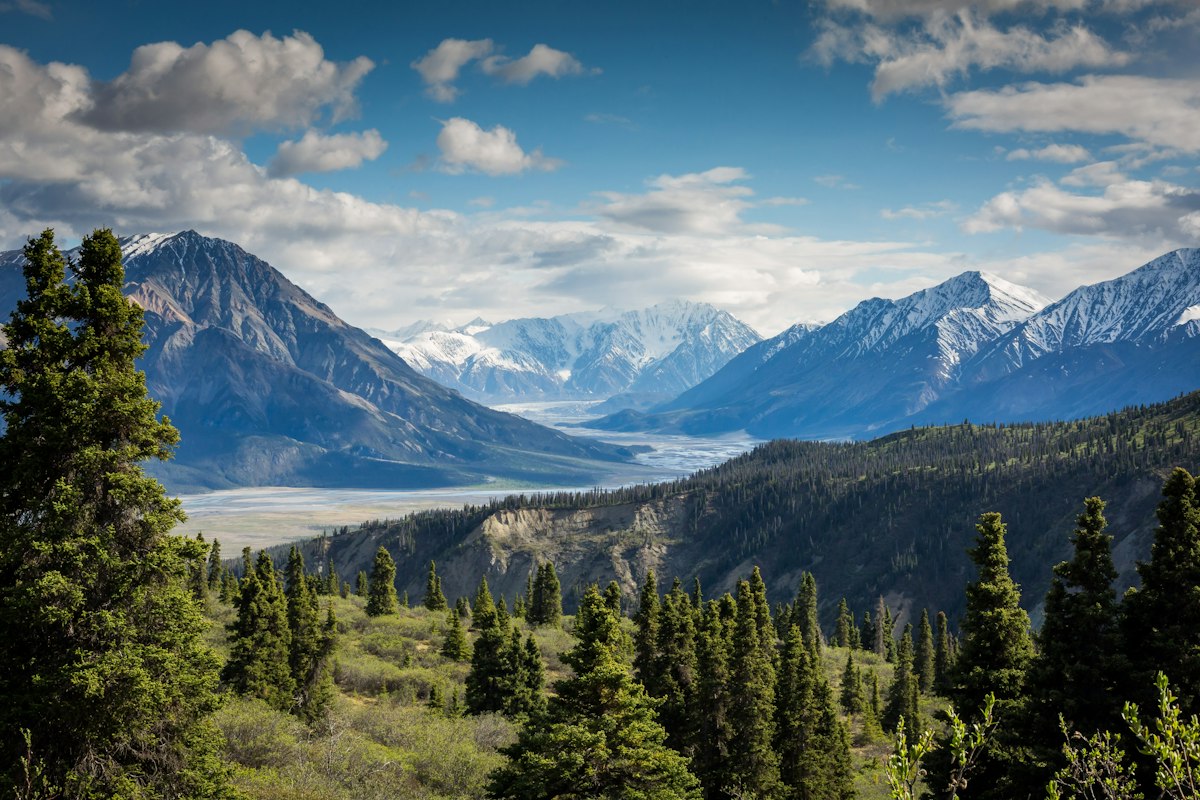


Location Overview
<p>Mount Kilimanjaro, located in northern Tanzania, is a towering volcanic massif that rises majestically from the African savanna. Standing at 5,895 meters (19,341 feet) above sea level, it is the highest peak in Africa and the tallest free-standing mountain in the world. The mountain is part of Kilimanjaro National Park, a UNESCO World Heritage Site, and is renowned for its diverse ecosystems, which span five distinct climatic zones. From the lush rainforests at the base to the alpine deserts near the summit, Kilimanjaro offers a unique and ever-changing landscape that is a hiker's paradise.</p><p>The Lemosho Route begins in the western foothills of Kilimanjaro, in the Ngorongoro Conservation Area. This area is characterized by its dense, tropical rainforest, which is home to a variety of wildlife, including elephants, buffaloes, and various species of primates. As you ascend, the landscape transitions into the heath and moorland zones, where the vegetation becomes more sparse and the terrain more rugged. The higher altitudes are dominated by the alpine desert, a barren and otherworldly environment that is both challenging and mesmerizing.</p><p>Hiking Kilimanjaro via the Lemosho Route is not just a physical journey but a sensory experience. The air becomes cooler and thinner as you gain altitude, and the views become increasingly panoramic. The route offers a gradual ascent, which is ideal for acclimatization, making it a popular choice for hikers who want to maximize their chances of reaching the summit. The diverse ecosystems and dramatic changes in terrain make this route a must-do for anyone seeking a truly unforgettable hiking adventure.</p>
Key Points of Interest
<p><strong>Londorossi Gate</strong>: The starting point of the Lemosho Route, this gate marks the official entry into Kilimanjaro National Park. Here, you will register with park authorities and meet your guides and porters. The surrounding rainforest is lush and vibrant, setting the stage for the adventure ahead.</p><p><strong>Mti Mkubwa Camp</strong>: After a day of trekking through the rainforest, you will reach Mti Mkubwa Camp, which is situated at an elevation of 2,700 meters (8,858 feet). The camp offers a chance to rest and acclimatize, with stunning views of the surrounding forest and the distant peaks of Kilimanjaro.</p><p><strong>Shira Plateau</strong>: On the second day, you will emerge from the rainforest and enter the heath and moorland zones, reaching the Shira Plateau. This vast, open area offers panoramic views of the mountain and the surrounding landscape. The plateau is a great spot for wildlife watching and taking in the unique flora of the high-altitude environment.</p><p><strong>Barranco Camp</strong>: After a challenging ascent, you will reach Barranco Camp, located at 3,950 meters (12,959 feet). This camp is known for its proximity to the Barranco Wall, a dramatic cliff face that offers a thrilling scramble and breathtaking views. The camp is a good place to rest and prepare for the next day's climb.</p><p><strong>Barafu Camp</strong>: The final camp before the summit push, Barafu Camp is located at 4,600 meters (15,092 feet). The camp is situated in a barren, rocky landscape, and the air is noticeably thinner here. The night at Barafu is often the most challenging, as you will need to wake up in the middle of the night to begin the final ascent to Uhuru Peak.</p><p><strong>Uhuru Peak</strong>: The ultimate goal of the Lemosho Route, Uhuru Peak is the highest point in Africa, standing at 5,895 meters (19,341 feet). The summit offers a breathtaking sunrise view and a sense of accomplishment that is hard to match. The descent back to the lower camps is just as rewarding, as you will have the opportunity to retrace your steps and reflect on the journey.</p>
Route Waypoints
- Mti Mkubwa Camp: A campsite in the rainforest at 2,700 meters, offering a chance to rest and acclimatize.
- Shira Plateau: A vast, open area with panoramic views of the mountain and surrounding landscape.
- Barranco Camp: A campsite at 3,950 meters, near the Barranco Wall, a dramatic cliff face.
- Karanga Valley: A scenic valley with views of the surrounding peaks, located at 4000 meters.
- Barafu Camp: The final camp before the summit push, situated at 4,600 meters in a barren, rocky landscape.
- Uhuru Peak: The highest point in Africa, standing at 5,895 meters, offering a breathtaking sunrise view.
Getting to the Start
<p>The starting point for the Lemosho Route is the Londorossi Gate, which is located in the western foothills of Mount Kilimanjaro. To reach the gate, you will need to travel to the town of Moshi, which is the main gateway to Kilimanjaro and the starting point for most treks. Moshi is approximately 45 kilometers (28 miles) from Kilimanjaro International Airport (JRO), and you can reach it by taxi or shuttle service. Once in Moshi, you can arrange a vehicle to take you to the Londorossi Gate, which is about a 2-hour drive from the town.</p><p>The road to Londorossi Gate is a well-maintained dirt road that winds through the scenic landscapes of the Ngorongoro Conservation Area. The journey itself is part of the adventure, as you will pass through lush farmlands, small villages, and dense forests. It's a good idea to start your journey early in the morning to ensure you have plenty of daylight for the drive and to reach the gate in good time. If you're traveling during the rainy season, it's advisable to use a 4x4 vehicle, as the roads can become slippery and challenging to navigate.</p><p>At the Londorossi Gate, you will need to register with the park authorities and pay the necessary fees. There is a small parking area where you can leave your vehicle, and from there, you will begin your trek into the rainforest. The gate is the official start of the Lemosho Route, and it's where you will meet your guides and porters, who will accompany you throughout your journey to the summit of Kilimanjaro.</p>
Tips, Safety & Travel
<p>Preparing for a hike on Kilimanjaro's Lemosho Route requires careful planning and attention to safety. Essential kit for the trek includes a high-quality sleeping bag, a waterproof and windproof jacket, thermal layers, a wide-brimmed hat, and sturdy hiking boots. It's also important to bring a headlamp, as you will be hiking in the dark during the final summit push. Sunscreen, sunglasses, and a good supply of water and snacks are essential for protecting yourself from the elements and maintaining energy levels.</p><p>Acclimatization is key to a successful summit attempt. The Lemosho Route is designed to allow for gradual acclimatization, but it's important to listen to your body and communicate any concerns to your guides. Altitude sickness can be a serious risk, and symptoms such as headaches, nausea, and dizziness should be taken seriously. If you experience severe symptoms, it's crucial to descend to a lower altitude immediately.</p><p>The weather on Kilimanjaro can be unpredictable, with temperatures ranging from warm and humid in the rainforest to freezing cold at the summit. Be prepared for all conditions, and layer your clothing accordingly. The best season for hiking the Lemosho Route is during the dry months of January to February and July to September. These periods offer the best weather conditions and the highest chances of clear views.</p><p>In case of emergencies, it's important to have a plan in place. Your guides will be equipped with radios and first-aid kits, and they will be trained to handle any medical issues that may arise. It's also a good idea to have travel insurance that covers high-altitude trekking and emergency evacuation. Finally, respect the local environment and culture by following Leave No Trace principles and supporting local businesses and communities.</p>
Wildlife & Nature Highlights
<p>The Lemosho Route is not only a challenging hike but also a rich wildlife experience. The diverse ecosystems of Mount Kilimanjaro support a wide variety of flora and fauna, making it a haven for nature enthusiasts. As you begin your trek in the rainforest, you may encounter various species of primates, including the black-and-white colobus monkey, which is known for its acrobatic movements and distinctive appearance. Elephants and buffaloes are also known to roam the lower slopes, although sightings are less common due to their elusive nature.</p><p>As you ascend into the heath and moorland zones, the vegetation changes, and you may spot unique plants such as the giant lobelia and the giant groundsel, which are adapted to the high-altitude environment. These plants can grow to impressive heights and are a fascinating sight. The higher altitudes are home to smaller, hardy animals like the Kilimanjaro tree hyrax, a small mammal that is well-adapted to the cold and rocky terrain.</p><p>The alpine desert, with its stark and barren landscape, is home to a variety of hardy insects and birds, such as the streaky seedeater and the alpine chat. These species have adapted to the harsh conditions and are a testament to the resilience of life in extreme environments. The summit area, while devoid of large mammals, offers breathtaking views of the surrounding landscape and the opportunity to witness the sunrise over the vast expanse of the African continent.</p><p>Throughout your journey, you will also encounter a variety of bird species, including the African crowned eagle, the Hartlaub's turaco, and the silvery-cheeked hornbill. The rich biodiversity of Kilimanjaro makes the Lemosho Route not just a physical challenge but a rewarding natural history experience.</p>
Tags
- hiking
- Kilimanjaro
- Lemosho Route
- Africa
- mountain trekking
- scenic trail
- high-altitude hiking