Activity: Cycling | Difficulty: Expert | Location: South Tyrol, Italy
The Stelvio Pass Cycling Climb is a challenging route with a steep gradient and 48 hairpin bends, offering a vertical gain of 1,558 meters over 12.5 kilometers. The terrain is well-maintained tarmac, providing a safe and scenic ride through the Italian Alps.
Adventure Statistics
- Distance: 25.0km
- Duration: 1h 1m
- Elevation Gain: 1558m
- Max Elevation: 2758m
- Calories Burned: 618
- Best Seasons: Spring, Summer, Fall
- Features: Viewpoint, Summit, Lake, Forest, Wildlife_viewing, Historical_site, Parking, Restrooms
Photos

Location Overview
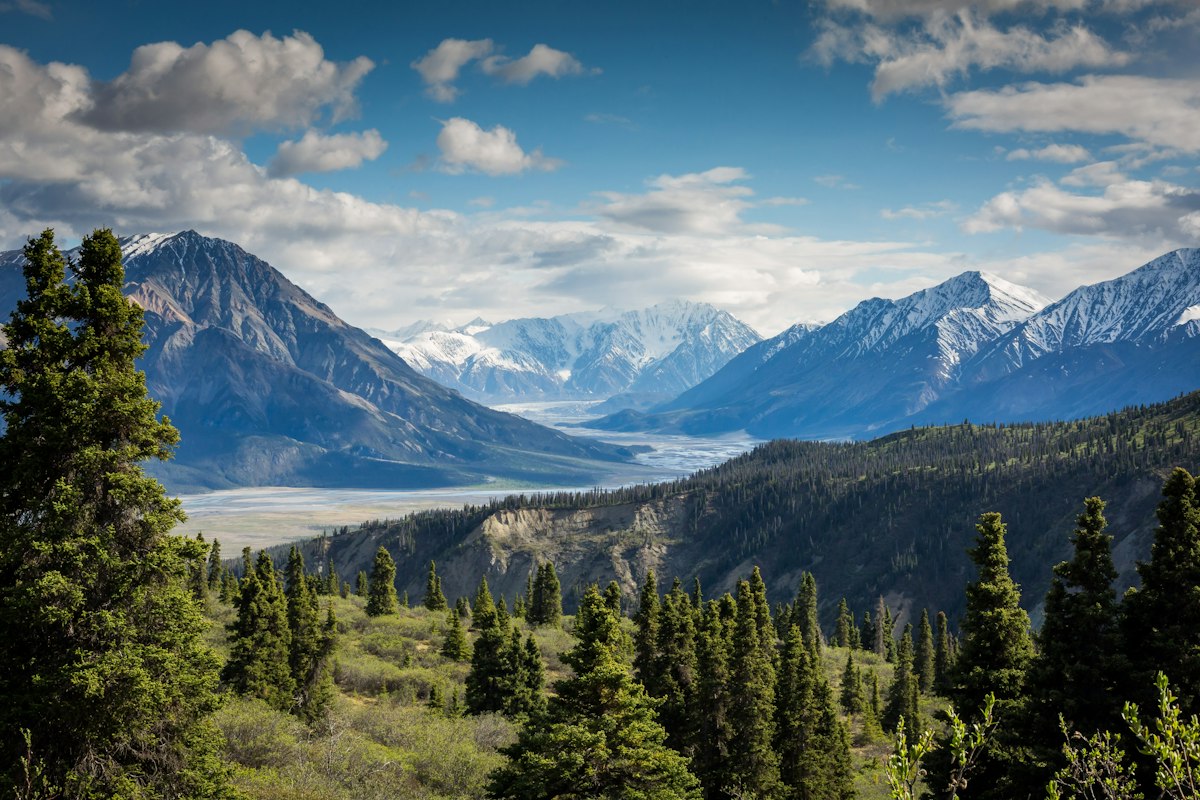
<p>The Stelvio Pass is located in the heart of the Italian Alps, in the South Tyrol region of Italy. This region, known for its stunning natural beauty and rich cultural heritage, offers a unique blend of Italian and Austrian influences. The pass connects the Valtellina valley in the south with the upper Adige valley in the north, making it a crucial link in the Alpine transportation network. The landscape around the Stelvio Pass is characterized by rugged mountain peaks, deep valleys, and pristine alpine lakes. The area is part of the Stelvio National Park, which is home to a diverse array of flora and fauna, including ibex, chamois, and golden eagles.</p><p>The Stelvio Pass is not just a scenic route; it's a destination in itself. The surrounding mountains, such as the Ortler and Cevedale, are some of the highest in the Alps, and their snow-capped peaks provide a dramatic backdrop for the climb. The valley floors are dotted with small villages and hamlets, each with its own unique character and charm. The region is also known for its excellent cuisine, with local specialties like canederli (bread dumplings) and speck (smoked ham) adding to the allure of the area.</p><p>Cycling through the Stelvio Pass is an experience that combines the thrill of a challenging climb with the beauty of the Alpine landscape. The route is well-marked and maintained, making it accessible to a wide range of cyclists. Whether you're a seasoned pro or a casual rider, the Stelvio Pass offers a route that is both rewarding and memorable. The combination of the physical challenge, the breathtaking scenery, and the cultural richness of the region makes the Stelvio Pass Cycling Climb a must-do for any cyclist visiting Italy.</p>
Key Points of Interest
<p><strong>Trafoi Village:</strong> The starting point of the Stelvio Pass Cycling Climb, Trafoi is a charming village with traditional Alpine architecture. It's a great place to stop for a coffee or a light meal before starting your climb. The village is surrounded by lush green fields and offers a picturesque setting as you begin your journey.</p><p><strong>First Hairpin Bend:</strong> As you leave Trafoi, the road starts to ascend, and you'll soon encounter the first of the 48 hairpin bends. This is where the real challenge begins, and the views of the valley below are already breathtaking. The first few bends are relatively gentle, allowing you to get into a rhythm and enjoy the scenery.</p><p><strong>Lago di Trafoi:</strong> About 3 kilometers into the climb, you'll pass by Lago di Trafoi, a small but beautiful alpine lake. The lake is surrounded by dense forests and offers a serene and peaceful setting. It's a great place to take a short break and soak in the natural beauty of the area.</p><p><strong>Valley of the Waterfalls:</strong> As you continue to climb, you'll enter a section of the route known as the Valley of the Waterfalls. Here, you'll see several small waterfalls cascading down the rocky slopes, creating a refreshing and invigorating atmosphere. The sound of the water and the cool mist can be a welcome respite on a hot day.</p><p><strong>Summit Monument:</strong> After about 12.5 kilometers of climbing, you'll reach the summit of the Stelvio Pass at an elevation of 2,758 meters. At the top, you'll find a monument to the fallen soldiers of World War I and a small chapel. The views from the summit are nothing short of spectacular, with the entire Alpine range stretching out before you. It's a moment of triumph and a fitting reward for your efforts.</p><p><strong>Stelvio National Park:</strong> The Stelvio Pass is part of the Stelvio National Park, which is home to a rich and diverse ecosystem. The park is a protected area that preserves the natural beauty and wildlife of the region. As you descend from the summit, you'll have the opportunity to explore some of the park's trails and viewpoints, adding an extra layer of adventure to your cycling experience.</p>
Route Waypoints
- First Hairpin Bend: The beginning of the ascent, where the road starts to climb and the views of the valley below are already breathtaking.
- Lago di Trafoi: A small alpine lake surrounded by dense forests, offering a serene and peaceful break from the climb.
- Valley of the Waterfalls: A section of the route with several small waterfalls cascading down the rocky slopes, creating a refreshing atmosphere.
- Summit Monument: The top of the Stelvio Pass, featuring a monument to fallen soldiers and a small chapel, with panoramic views of the Alpine range.
- Stelvio National Park: A protected area with rich and diverse wildlife, offering additional trails and viewpoints to explore.
- Descent to Bormio: The return route through the scenic Valtellina valley, leading back to the town of Bormio.
Getting to the Start
<p>The starting point for the Stelvio Pass Cycling Climb is located near the charming town of Trafoi, which is situated in the Valtellina valley in South Tyrol, Italy. To reach Trafoi, you can take the SS38 road, which runs through the valley and connects several small towns and villages. The nearest major city is Bormio, which is about 30 kilometers away and can be reached by car or public transport. If you're driving, follow the SS38 from Bormio towards the Stelvio Pass. The road is well-maintained and offers scenic views of the surrounding mountains.</p><p>For those traveling by public transport, there are regular bus services that connect Bormio to Trafoi. The bus stop is located in the center of Trafoi, and from there, it's a short walk to the start of the cycling route. If you're flying into Italy, the nearest major airports are Milan Malpensa and Innsbruck. From there, you can rent a car or take a train to Bormio, and then a bus to Trafoi.</p><p>Once you arrive in Trafoi, you'll find ample parking space near the start of the route. The town itself is a quaint and picturesque place, with traditional Alpine architecture and a relaxed atmosphere. It's a great place to stop for a coffee or a light meal before starting your climb. The local community is welcoming to cyclists, and you'll find plenty of resources and support in the area.</p>
Tips, Safety & Travel
<p>Cycling the Stelvio Pass is a challenging but rewarding experience, and proper preparation is key to ensuring a safe and enjoyable ride. Here are some essential tips to keep in mind:</p><p><strong>Essential Kit:</strong> Make sure you have the right gear for the climb. A well-maintained road bike with good brakes and gears is essential. Bring a helmet, cycling gloves, and appropriate clothing for the weather. It's also a good idea to carry a repair kit, including spare tubes, a pump, and a multi-tool. Sunscreen, sunglasses, and a hat are must-haves, as the sun can be intense at higher elevations.</p><p><strong>Safety Advice:</strong> The Stelvio Pass is a popular route, but it can be busy with both cyclists and vehicles. Always ride defensively and be aware of your surroundings. Stay to the right and give way to faster traffic. If you need to stop, pull off the road to a safe area. The road can be steep and narrow in places, so take your time and don't push yourself beyond your limits.</p><p><strong>Weather and Terrain Hazards:</strong> The weather in the Alps can be unpredictable, and conditions can change rapidly. Check the forecast before you set out, and be prepared for all conditions, including rain, wind, and cold temperatures. The road can be slippery when wet, and visibility can be reduced in fog or mist. Be cautious on the descents, as the road can be steep and winding.</p><p><strong>Best Season:</strong> The Stelvio Pass is typically open from late May to early November, depending on snow conditions. The best time to ride is in the summer months, from June to September, when the weather is generally more stable and the days are longer. However, the pass can be crowded during peak season, so consider visiting in the early morning or late afternoon to avoid the crowds.</p><p><strong>Emergency Notes:</strong> Always carry a charged mobile phone and a map of the area. In case of an emergency, the nearest hospital is in Bormio, and there are several emergency phone boxes along the route. It's also a good idea to let someone know your planned route and expected return time. If you're traveling alone, consider joining a guided tour or riding with a group for added safety.</p>
Wildlife & Nature Highlights
<p>The Stelvio Pass and its surrounding area are home to a rich and diverse ecosystem, with a wide range of flora and fauna that thrive in the Alpine environment. As you cycle through the pass, you'll have the opportunity to observe some of the most iconic species of the region. One of the most notable animals you might encounter is the Alpine ibex, a sure-footed mountain goat with distinctive curved horns. These animals are often seen grazing on the steep slopes and rocky outcrops along the route.</p><p>Another common sight is the chamois, a smaller and more agile relative of the ibex. Chamois are known for their agility and can often be seen leaping from one rocky ledge to another. Both ibex and chamois are protected species and are a symbol of the Alpine wilderness. If you're lucky, you might also catch a glimpse of a golden eagle, a majestic bird of prey that soars high above the mountains. These birds are known for their keen eyesight and powerful wings, making them a thrilling sight for any nature enthusiast.</p><p>The flora of the Stelvio Pass is equally impressive, with a variety of wildflowers and alpine plants that add a splash of color to the landscape. In the spring and early summer, the slopes are dotted with edelweiss, a delicate white flower that is a symbol of the Alps. Other common wildflowers include gentians, primroses, and alpine roses. The higher you climb, the more the vegetation changes, with hardy plants and lichens taking over in the thinner air and colder temperatures.</p><p>The geology of the Stelvio Pass is also fascinating, with the area being part of the Stelvio National Park. The mountains are composed of a mix of sedimentary and metamorphic rocks, including limestone, dolomite, and gneiss. The landscape has been shaped by millions of years of tectonic activity, glacial erosion, and weathering, resulting in the dramatic and rugged terrain that you see today. The combination of the rich wildlife, diverse flora, and unique geology makes the Stelvio Pass a true natural wonder and a rewarding destination for cyclists and nature lovers alike.</p>
Tags
- Stelvio Pass
- cycling
- Italian Alps
- South Tyrol
- mountain biking
- Alpine scenery
- hairpin bends
- cycling challenge