Activity: Cycling | Difficulty: Hard | Location: Alps, France
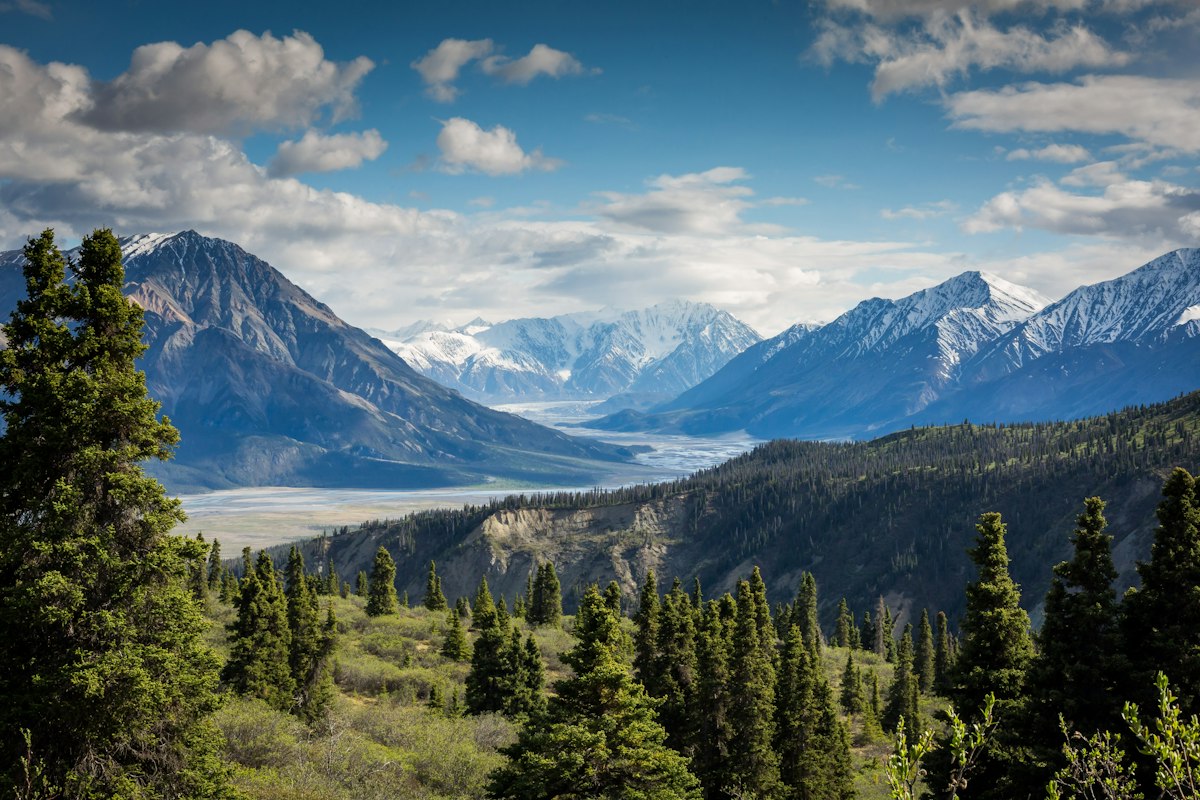
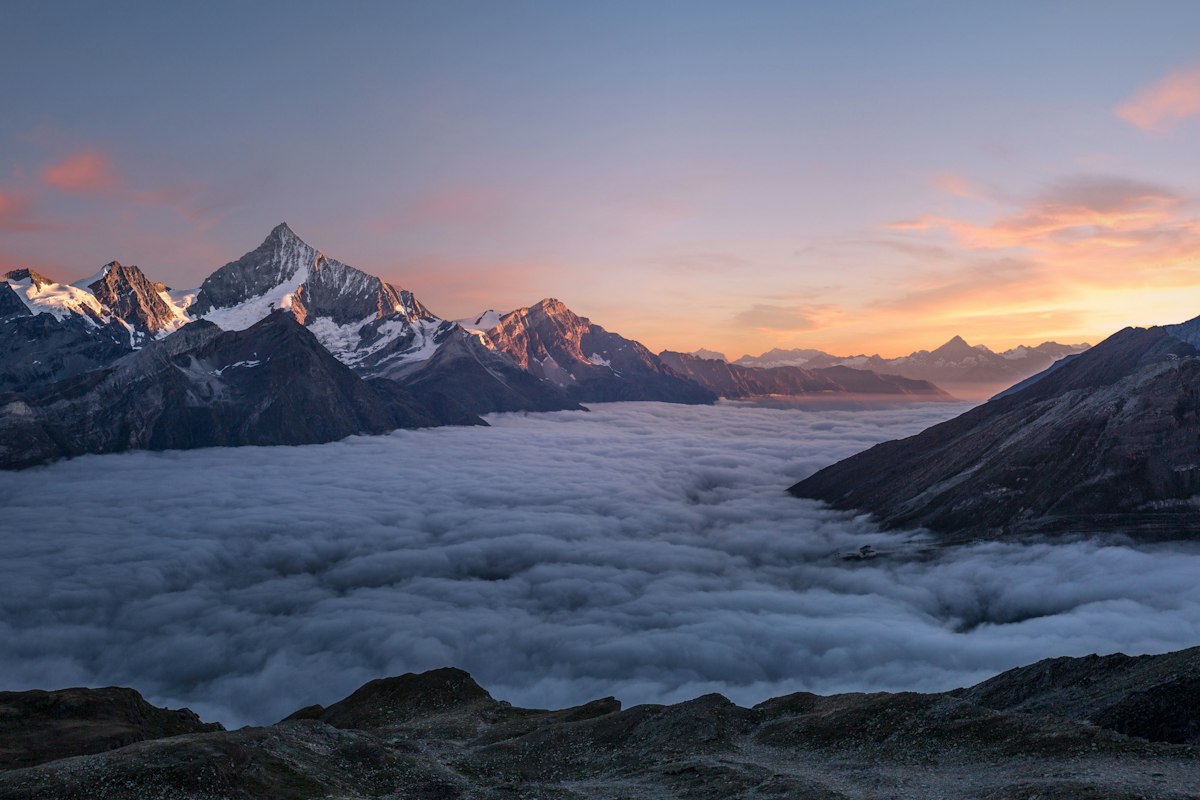
The Tour de Mont Blanc Cycling route is a challenging 125-kilometer loop that includes steep climbs and technical descents, offering breathtaking views of the Mont Blanc massif and the surrounding Alps.
Adventure Statistics
- Distance: 125.0km
- Duration: 3h 6m
- Elevation Gain: 2590m
- Max Elevation: 2329m
- Calories Burned: 1864
- Best Seasons: Spring, Summer, Fall
- Features: Viewpoint, Summit, Lake, Forest, Wildlife_viewing, Historical_site, Parking, Restrooms
Photos
Location Overview
<p>The Mont Blanc massif, located in the heart of the French Alps, is a natural wonder that has captivated adventurers and nature lovers for generations. This region, which spans the borders of France, Italy, and Switzerland, is home to some of the most breathtaking landscapes in Europe. The massif is dominated by Mont Blanc itself, the highest peak in the Alps, standing at an impressive 4,810 meters (15,781 feet) above sea level. The surrounding area is a mosaic of rugged peaks, deep valleys, and pristine alpine meadows, creating a diverse and dynamic environment that is perfect for cycling.</p><p>The French side of the Mont Blanc massif is particularly renowned for its cycling routes, which offer a mix of challenging climbs and rewarding descents. The region is characterized by its steep, winding roads that wind through dense forests, past cascading waterfalls, and over high mountain passes. The air is crisp and clean, and the silence is only broken by the sound of your tires on the road and the occasional chirp of a mountain bird. The landscape is a testament to the power of nature, with glaciers, lakes, and rivers shaping the terrain over millennia.</p><p>One of the key features of the Mont Blanc region is its rich biodiversity. The area is home to a wide variety of flora and fauna, including alpine flowers, marmots, ibex, and golden eagles. The geology of the region is equally fascinating, with the mountains formed by the collision of the African and European tectonic plates. The result is a landscape that is both beautiful and dynamic, with ever-changing vistas that keep cyclists engaged and inspired throughout their journey.</p><p>The Mont Blanc region is not just a natural wonder but also a cultural treasure. The area is dotted with charming villages and towns, each with its own unique character and history. The town of Chamonix, in particular, is a hub of mountaineering and outdoor activities, with a rich heritage that dates back to the early days of alpinism. The town offers a perfect base for cyclists, with a range of amenities, including cafes, shops, and accommodation options. Whether you're looking to explore the region's natural beauty or delve into its rich cultural heritage, the Mont Blanc massif is a destination that has something for everyone.</p>
Key Points of Interest
<p>One of the most iconic landmarks on the Tour de Mont Blanc Cycling route is the Col de la Forclaz, a challenging climb that offers panoramic views of the surrounding mountains. The ascent is steep and technical, with a gradient that averages around 7% over 7 kilometers. The effort is well worth it, as the summit provides a bird's-eye view of the Mont Blanc massif and the Arve Valley below.</p><p>Another highlight of the route is the picturesque town of Chamonix, a hub of mountaineering and outdoor activities. The town is home to a range of amenities, including cafes, shops, and historical landmarks. Take a break from your cycling to explore the charming streets of Chamonix and enjoy the local cuisine, which is a blend of French and Alpine influences.</p><p>The Lac Blanc, a stunning alpine lake, is another must-see destination on the route. The lake is surrounded by towering peaks and is a popular spot for hiking and picnicking. The water is crystal clear, and the reflections of the mountains in the lake create a serene and beautiful setting. As you cycle past the lake, take a moment to appreciate the tranquility and natural beauty of the area.</p><p>The Col de Balme is another high point on the route, offering breathtaking views of the Mont Blanc massif and the surrounding valleys. The descent from the col is a thrilling experience, with hairpin turns and a sense of freedom that is hard to match. The road is well-maintained, but the descent requires concentration and skill, making it a rewarding challenge for experienced cyclists.</p><p>The Arve Valley, which runs along the eastern side of the Mont Blanc massif, is a region known for its rich agricultural heritage and beautiful landscapes. The valley is home to a variety of wildlife, including marmots, ibex, and golden eagles, and the rolling hills and meadows provide a stark contrast to the rugged peaks of the mountains. As you cycle through the valley, you'll be treated to a mix of natural beauty and traditional village life, creating a unique and memorable experience.</p><p>The Col des Montets, another high mountain pass on the route, offers a different perspective of the Mont Blanc massif. The ascent is challenging, with a gradient that averages around 6% over 6 kilometers, but the views from the summit are well worth the effort. The descent from the col is a mix of technical and smooth sections, providing a variety of challenges and rewards for cyclists.</p><p>Finally, the Col de la Seigne, which marks the border between France and Italy, is a highlight of the route. The pass is known for its stunning views of the surrounding mountains and the transition from the French Alps to the Italian Alps. The ascent is moderate, but the views from the summit are breathtaking, making it a perfect place to stop and take in the beauty of the region.</p>
Route Waypoints
- Col de la Forclaz: A challenging climb with panoramic views of the Mont Blanc massif and the Arve Valley.
- Chamonix: A picturesque town known for its rich mountaineering heritage and a hub of outdoor activities.
- Lac Blanc: A stunning alpine lake surrounded by towering peaks, offering a serene and beautiful setting.
- Col de Balme: A high mountain pass with breathtaking views of the Mont Blanc massif and the surrounding valleys.
- Arve Valley: A region known for its rich agricultural heritage and beautiful landscapes, home to a variety of wildlife.
- Col des Montets: Another high mountain pass with a mix of technical and smooth descents, providing a variety of challenges.
Getting to the Start
<p>The starting point for the Tour de Mont Blanc Cycling route is the charming town of Les Houches, located in the Haute-Savoie department of France. Les Houches is a small, picturesque village that serves as an excellent base for your cycling adventure. To reach Les Houches, you can take the A40 motorway from Geneva, which is the nearest major city. From Geneva, follow the A40 south towards Annecy and then continue on to Chamonix. Once you reach Chamonix, take the D510 road, which will lead you to Les Houches. The drive from Geneva to Les Houches takes approximately 1.5 hours, depending on traffic.</p><p>If you prefer public transport, you can take a train from Geneva to Saint-Gervais-les-Bains, and then a bus to Les Houches. The train journey from Geneva to Saint-Gervais-les-Bains takes about 1 hour, and the bus from Saint-Gervais-les-Bains to Les Houches takes around 30 minutes. The bus stop is located near the town center, making it easy to find your way to your starting point.</p><p>Once you arrive in Les Houches, you'll find ample parking options near the town center. The town has a dedicated parking area for cyclists, which is a short walk from the starting point of the route. If you're planning to stay overnight, there are several hotels and guesthouses in the area that cater to cyclists and outdoor enthusiasts. The town also has a range of amenities, including cafes, shops, and bike rental services, making it a convenient and welcoming place to begin your adventure.</p>
Tips, Safety & Travel
<p>Cycling the Tour de Mont Blanc route is a challenging but rewarding adventure, and proper preparation is key to ensuring a safe and enjoyable experience. Essential kit for the journey includes a well-maintained bicycle, a helmet, cycling gloves, and appropriate clothing for the varying weather conditions. The region's climate can be unpredictable, with temperatures dropping significantly at higher elevations, so it's important to bring layers and rain gear. Additionally, bring a repair kit, including spare tubes, a pump, and basic tools, as well as a first-aid kit and a mobile phone for emergencies.</p><p>The route includes several challenging climbs and technical descents, so it's important to have a good level of fitness and cycling skills. The roads are generally well-maintained, but some sections can be steep and narrow, requiring concentration and caution. Always ride defensively, especially on descents, and be aware of other road users, including cars and other cyclists.</p><p>The best season for cycling the Tour de Mont Blanc route is from late spring to early fall, typically from May to September. During this period, the weather is generally mild, and the roads are clear of snow. However, the region can experience sudden weather changes, so it's important to check the forecast before setting out and to be prepared for all conditions. The summer months, particularly July and August, can be busy, so if you prefer a quieter experience, consider visiting in May, June, or September.</p><p>In case of an emergency, the nearest hospital is in Chamonix, and there are several mountain rescue services in the region. It's a good idea to carry a map and a GPS device, as well as a basic understanding of the route and the landmarks. Always inform someone of your planned route and expected return time, and consider riding with a partner or a group for added safety.</p>
Wildlife & Nature Highlights
<p>The Mont Blanc massif is a haven for wildlife, and cyclists on the Tour de Mont Blanc Cycling route have the opportunity to encounter a variety of fascinating flora and fauna. One of the most iconic animals in the region is the Alpine marmot, a large rodent that is often seen basking in the sun on rocky outcrops. These social creatures are known for their distinctive whistles, which they use to alert their colony to potential threats. Keep an eye out for them as you cycle through the alpine meadows, and you might even catch a glimpse of their playful behavior.</p><p>The ibex, a species of wild goat, is another highlight of the region. These agile animals are well-adapted to the steep, rocky terrain and can often be seen grazing on the slopes of the mountains. The ibex is a symbol of the Alps and is a protected species, making it a rare and special sight for cyclists. If you're lucky, you might spot a herd of ibex as you climb one of the high mountain passes.</p><p>The Mont Blanc region is also home to a variety of birds of prey, including the golden eagle, which is one of the most impressive raptors in Europe. These majestic birds can often be seen soaring through the skies, their keen eyes scanning the landscape for prey. The golden eagle is a top predator in the region and is a powerful symbol of the wild, untamed nature of the Alps.</p><p>In addition to the wildlife, the region is known for its rich and diverse plant life. Alpine meadows are carpeted with a variety of wildflowers, including the edelweiss, which is a protected species and a symbol of the Alps. The meadows are also home to a variety of grasses, herbs, and shrubs, which provide a habitat for a wide range of insects and small mammals. As you cycle through these meadows, take a moment to appreciate the beauty and diversity of the plant life, which is a testament to the region's ecological richness.</p>
Tags
- cycling in France
- Mont Blanc
- Alps
- mountain biking
- scenic routes
- challenging ascents
- panoramic views
- French Alps