Activity: Cycling | Difficulty: Moderate | Location: Patagonia, Chile
The Patagonia Carretera Austral Ride is a moderately challenging cycling route that offers a mix of paved and gravel roads, with stunning natural scenery and varied terrain.
Adventure Statistics
- Distance: 250.0km
- Duration: 3h 6m
- Elevation Gain: 620m
- Max Elevation: 920m
- Calories Burned: 1864
- Best Seasons: Spring, Summer, Fall
- Features: Waterfall, Viewpoint, Summit, Lake, Forest, Wildlife_viewing
Photos
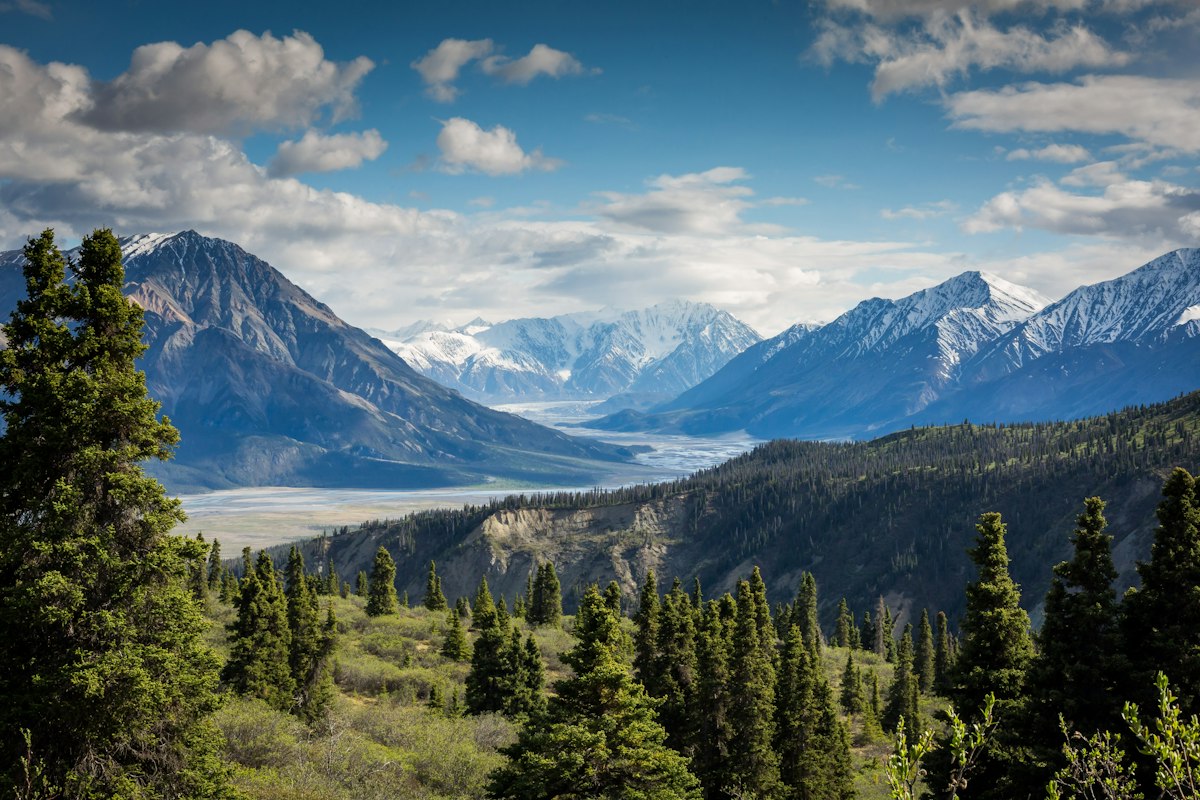
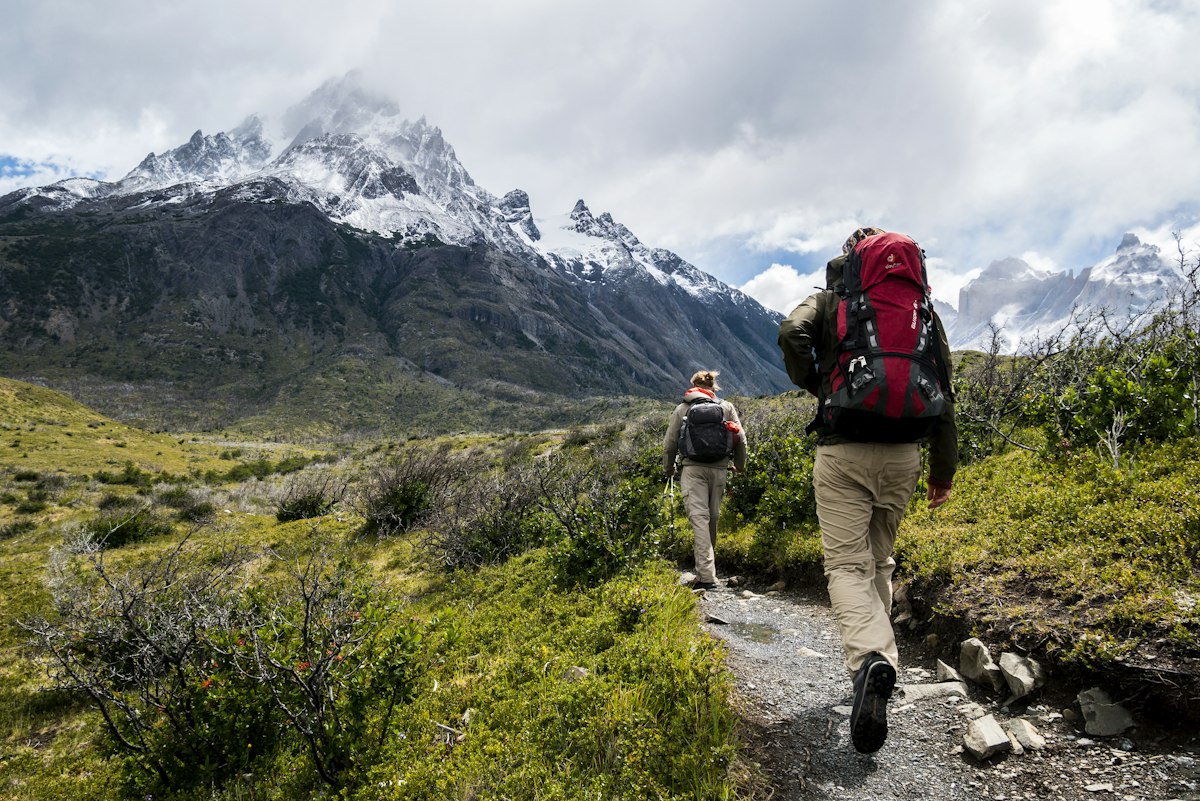
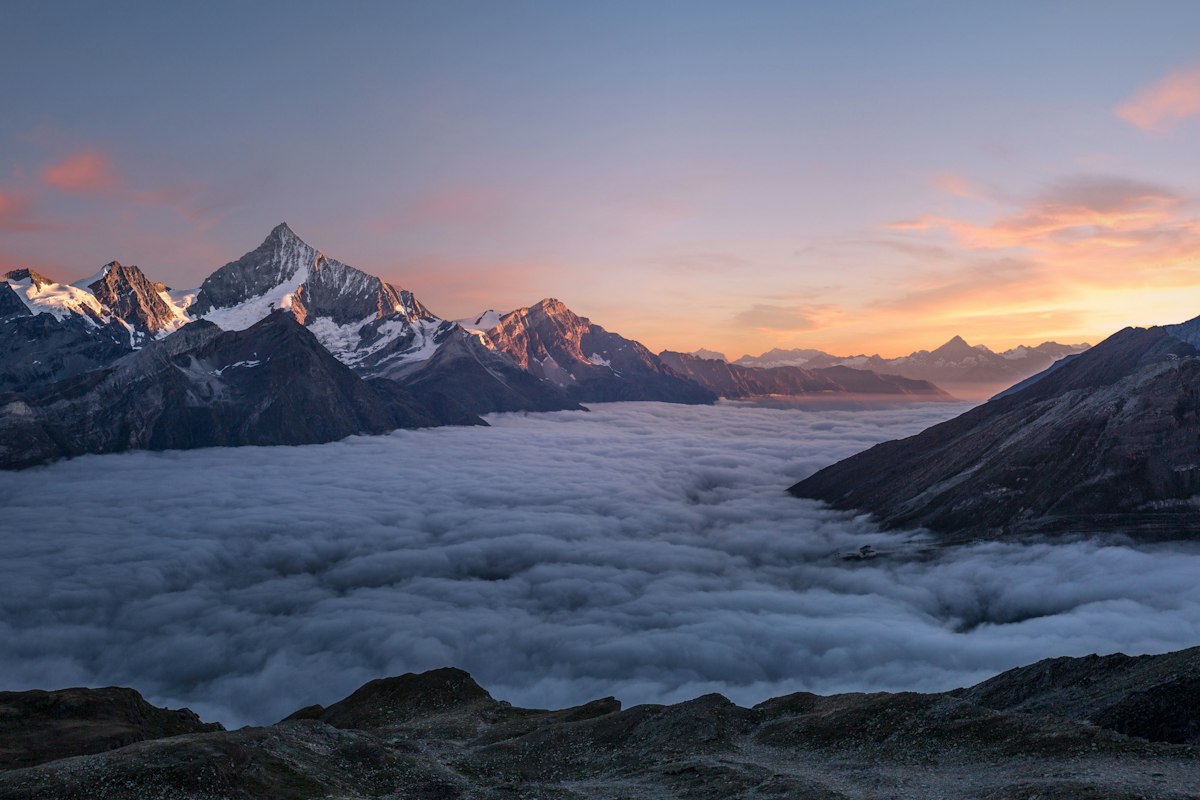
Location Overview
<p>The Carretera Austral, also known as Route 7, is a 1,240-kilometer stretch of road that runs through the heart of Patagonia in southern Chile. This remote and rugged route is one of the most scenic in the world, offering cyclists a chance to explore some of the most pristine and untouched landscapes on Earth. The road begins near the town of Puerto Montt in the north and extends all the way to Villa O'Higgins in the south, passing through a diverse range of ecosystems and geological features.</p><p>Patagonia is characterized by its dramatic landscapes, which include towering peaks, deep fjords, and expansive glaciers. The region is home to several national parks, including the famous Parque Nacional Pumalín and Parque Nacional Patagonia, which protect vast areas of wilderness and provide a sanctuary for a wide variety of flora and fauna. The Carretera Austral cuts through these parks, offering cyclists a front-row seat to the natural wonders of Patagonia.</p><p>The road itself is a mix of paved and gravel sections, with the latter providing a more challenging and adventurous experience. The terrain varies from flat valleys and dense forests to steep mountain passes and rocky outcrops. The changing landscape keeps the ride interesting and ensures that cyclists are never bored. The Carretera Austral is not just a road; it's a journey through some of the most beautiful and remote areas of Patagonia.</p><p>Cycling the Carretera Austral is a unique experience that combines physical challenge with the opportunity to immerse yourself in the natural beauty of Patagonia. The route is perfect for those who want to explore the region at their own pace and discover hidden gems that are off the beaten path. Whether you're a seasoned cyclist or a beginner looking for a memorable adventure, the Carretera Austral has something to offer everyone.</p>
Key Points of Interest
<p><strong>Salto del Fraile Waterfall:</strong> One of the first highlights you'll encounter is the Salto del Fraile Waterfall, located just a few kilometers from the start point. The waterfall drops over 60 meters into a deep pool below, creating a misty and refreshing atmosphere. The surrounding forest is lush and green, providing a serene setting for a short break from cycling.</p><p><strong>Lago Jeinimeni:</strong> As you continue south, you'll reach Lago Jeinimeni, a pristine glacial lake known for its crystal-clear waters and stunning reflections. The lake is surrounded by snow-capped mountains and dense forests, making it a perfect spot for a picnic or a quick dip if the weather is warm.</p><p><strong>Parque Nacional Patagonia:</strong> The park is a highlight of the Carretera Austral, offering a network of trails and viewpoints that showcase the best of Patagonian wilderness. The park is home to a variety of wildlife, including guanacos, Andean condors, and Magellanic woodpeckers. The visitor center provides information on the park's ecology and offers guided tours for those who want to explore deeper.</p><p><strong>Salto Chico Waterfall:</strong> Another spectacular waterfall along the route is the Salto Chico, which is a bit more hidden and requires a short hike from the road. The waterfall cascades over a series of rocky tiers, creating a series of small pools and rapids. The area is less visited, making it a peaceful spot to enjoy the natural beauty.</p><p><strong>Cerro Castillo:</strong> One of the most iconic landmarks on the Carretera Austral is Cerro Castillo, a striking mountain range that rises dramatically from the surrounding landscape. The road offers several viewpoints where you can stop and admire the towering peaks and the sprawling valleys below. The area is also a popular spot for hiking and rock climbing.</p><p><strong>Mañihuales Pass:</strong> The highest point on the route is the Mañihuales Pass, which reaches an elevation of over 900 meters. The pass offers panoramic views of the surrounding mountains and valleys, and the change in altitude can be felt as you pedal through the thinner air. The pass is a great spot to take a break and enjoy the stunning vistas.</p><p><strong>Lago General Carrera:</strong> The route ends near Lago General Carrera, the largest lake in Chile. The lake is known for its deep blue waters and the towering mountains that surround it. The area is a popular destination for fishing, boating, and water sports, and there are several small towns and campsites along the lake where you can rest and refuel.</p>
Route Waypoints
- Salto del Fraile Waterfall: A 60-meter waterfall surrounded by lush forest, providing a refreshing stop early in the ride.
- Lago Jeinimeni: A pristine glacial lake with crystal-clear waters and stunning mountain views.
- Parque Nacional Patagonia: A national park with diverse wildlife and scenic trails, offering a chance to explore deeper into the Patagonian wilderness.
- Salto Chico Waterfall: A hidden waterfall with a series of rocky tiers and small pools, accessible via a short hike from the road.
- Cerro Castillo: A striking mountain range with panoramic views of the surrounding valleys and peaks.
- Mañihuales Pass: The highest point on the route, offering panoramic views of the surrounding mountains and valleys.
Getting to the Start
<p>The starting point for the Patagonia Carretera Austral Ride is near the coordinates -44.5792, -72.6985, which is close to the town of Cochrane. To reach Cochrane, you can fly into the nearest major airport, which is the Balmaceda Airport (BBA) in Coyhaique. From there, you can rent a car or take a bus to Cochrane, which is approximately 200 kilometers south. The drive takes about 4 to 5 hours, depending on road conditions and traffic.</p><p>If you prefer public transportation, there are regular bus services from Coyhaique to Cochrane. The bus station in Coyhaique is located on Avenida Balmaceda, and you can purchase tickets at the terminal or online. The bus route follows Route 7, which is the same road you'll be cycling on, giving you a preview of the stunning landscapes you'll encounter.</p><p>Once you arrive in Cochrane, you can find several options for parking your vehicle. The town has a small but well-organized parking area near the main square, where you can leave your car for the duration of your ride. If you're traveling with a group, you might consider renting a larger vehicle to transport your bikes and gear.</p><p>For those who are flying into Patagonia specifically for the Carretera Austral Ride, it's a good idea to plan your trip in advance. Booking accommodations in Cochrane or nearby towns can help you acclimate to the altitude and prepare for your adventure. The town of Cochrane has a variety of lodging options, including hotels, hostels, and camping sites, to suit different budgets and preferences.</p>
Tips, Safety & Travel
<p>Cycling the Patagonia Carretera Austral requires careful preparation and a respect for the natural environment. The route is moderately challenging, with a mix of paved and gravel roads, and it's important to be well-equipped and prepared for the changing conditions. Here are some essential tips to ensure a safe and enjoyable experience:</p><p><strong>Essential Kit:</strong> Bring a well-maintained bicycle, along with spare tubes, a pump, and basic repair tools. A helmet, gloves, and protective eyewear are also essential. Dress in layers, as the weather can change rapidly, and include waterproof clothing for unexpected rain. A first-aid kit, a map, and a GPS device are recommended for navigation and safety.</p><p><strong>Safety Advice:</strong> Always ride defensively, especially on the gravel sections, where loose rocks and uneven surfaces can be treacherous. Stay alert for wildlife, particularly on the forested sections, and give animals plenty of space. If you encounter a large animal on the road, slow down and give it time to move away. Always carry a charged mobile phone, and let someone know your planned route and expected return time.</p><p><strong>Weather and Terrain Hazards:</strong> Patagonia's weather can be unpredictable, with strong winds, heavy rain, and sudden temperature drops. Check the local weather forecast before setting out, and be prepared for all conditions. The gravel sections of the road can be slippery when wet, so take extra care in these areas. The high passes can be particularly challenging, so pace yourself and take regular breaks to acclimate to the altitude.</p><p><strong>Best Season:</strong> The best time to cycle the Carretera Austral is during the summer months (December to March), when the weather is generally milder and the days are longer. However, the shoulder seasons (late spring and early fall) can also be rewarding, with fewer tourists and more moderate temperatures. Avoid the winter months (June to August), as the road can be closed due to snow and ice.</p><p><strong>Emergency Notes:</strong> In case of an emergency, call the local emergency number (131) for assistance. There are several small towns and ranger stations along the route where you can seek help if needed. Always carry a basic survival kit, including a whistle, a flashlight, and a reflective blanket. Stay hydrated and carry plenty of water, as there are limited water sources along the route.</p>
Wildlife & Nature Highlights
<p>The Patagonia Carretera Austral region is home to a rich and diverse array of flora and fauna, making it a paradise for nature enthusiasts and wildlife watchers. As you cycle along the route, you'll have the opportunity to observe a wide variety of species in their natural habitats. One of the most iconic animals you might encounter is the Andean condor, a majestic bird with a wingspan of up to 3 meters. These birds are often seen soaring above the mountains and valleys, providing a breathtaking sight for cyclists.</p><p>The forests along the Carretera Austral are dominated by native species such as the coigüe, a type of evergreen tree that provides a dense canopy and habitat for various animals. The undergrowth is often lush with ferns and mosses, creating a lush and vibrant ecosystem. Keep an eye out for the pudú, the world's smallest deer, which can be found in the dense underbrush. These shy creatures are well-camouflaged and are a rare and exciting find for cyclists.</p><p>Patagonia is also home to a variety of bird species, including the austral parakeet, the black-chested buzzard-eagle, and the Magellanic woodpecker. The region's lakes and rivers are teeming with fish, such as the Patagonian trout, which can be seen jumping and swimming in the clear waters. The Carretera Austral also passes through areas where you might spot guanacos, a wild relative of the llama, grazing in the open fields.</p><p>In addition to the wildlife, the region is known for its unique geological features. The Carretera Austral cuts through areas of volcanic rock and sedimentary formations, providing a fascinating glimpse into the geological history of Patagonia. The road also passes by several glacial lakes, such as Lago General Carrera, which is the second-largest lake in South America. The turquoise waters of these lakes are a result of glacial sediment and provide a stunning backdrop for cyclists.</p>
Tags
- cycling
- Patagonia
- Carretera Austral
- scenic route
- wildlife
- adventure
- outdoor activity