Activity: Trail_running | Difficulty: Hard | Location: Derbyshire, England
The Peak District Edges Run is a challenging trail with steep ascents and technical sections, offering stunning views of the Derbyshire countryside.
Adventure Statistics
- Distance: 15.5km
- Duration: 1h 26m
- Elevation Gain: 270m
- Max Elevation: 300m
- Calories Burned: 1056
- Best Seasons: Spring, Summer, Fall, Winter
- Features: Viewpoint, Summit, Forest, River, Wildlife_viewing, Parking
Photos
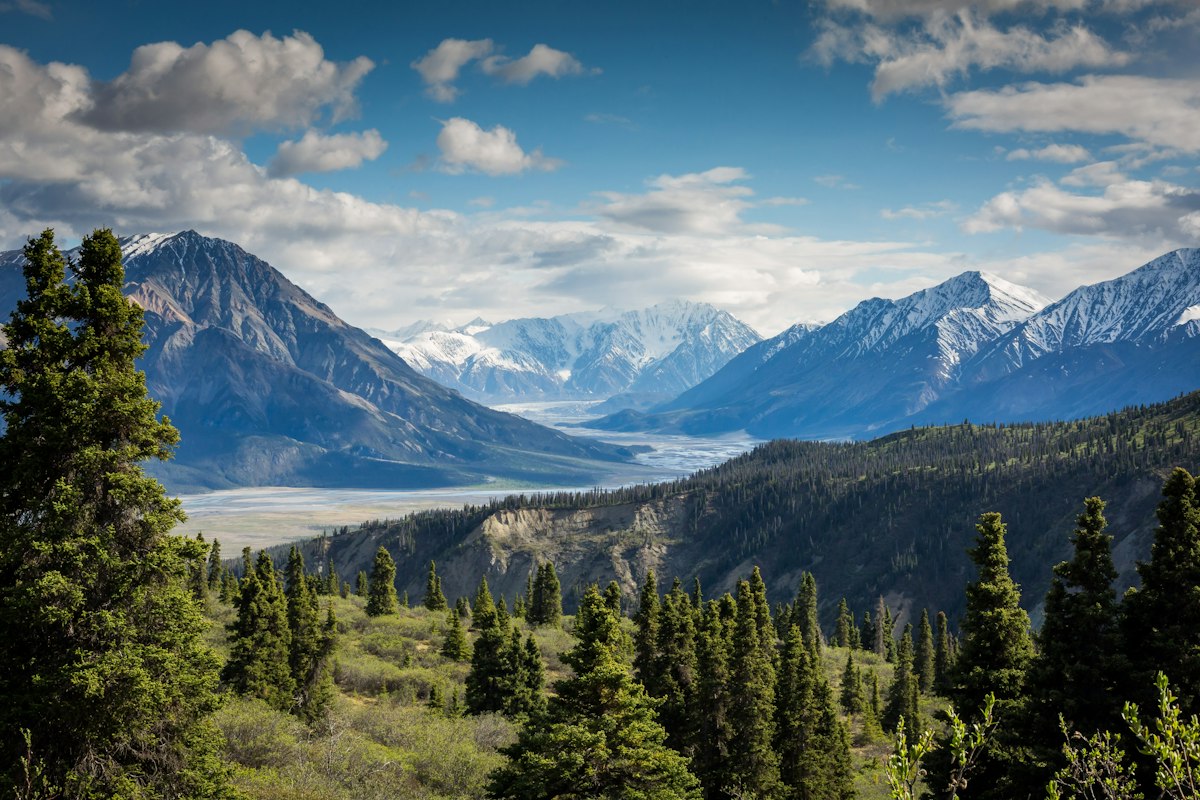


Location Overview
<p>The Peak District, located in Derbyshire, England, is a region of outstanding natural beauty that offers a diverse range of landscapes, from rolling hills and moorlands to dramatic gritstone edges. The Edges, in particular, are a series of long, narrow ridges of gritstone rock that run along the eastern boundary of the Peak District. These edges are characterized by their rugged, craggy appearance and are a favorite destination for hikers, climbers, and trail runners alike. The area is known for its wild and untamed beauty, with sweeping views of the surrounding countryside and a rich tapestry of flora and fauna.</p><p>Derbyshire's Peak District is a land of contrasts, where the gentle, undulating hills of the White Peak give way to the more dramatic and rugged terrain of the Dark Peak. The Edges, which are part of the Dark Peak, are a testament to the area's geological history, with the gritstone formations dating back millions of years. The edges are not only a natural wonder but also a haven for wildlife, with a variety of birds, mammals, and plants thriving in this unique environment. The area is also steeped in history, with evidence of human activity dating back to prehistoric times, and there are numerous historical sites and landmarks to explore.</p><p>For trail runners, the Peak District Edges offer a challenging and rewarding experience. The terrain is varied, with sections of smooth, runnable paths interspersed with more technical sections that require careful navigation. The edges themselves provide a natural obstacle course, with rocky outcrops and steep ascents that will test your fitness and agility. Despite the challenges, the views from the edges are nothing short of spectacular, making every step worthwhile. The area is also known for its peaceful and secluded atmosphere, making it an ideal spot for those seeking a more immersive and contemplative running experience.</p><p>Whether you're looking to push your limits or simply enjoy the natural beauty of the area, the Peak District Edges in Derbyshire are a must-visit destination for trail runners. The combination of challenging terrain, stunning scenery, and a rich cultural heritage makes this area a true gem of the English countryside.</p>
Key Points of Interest
<p>1. <strong>Curbar Edge:</strong> The starting point of your run, Curbar Edge is a long, narrow ridge of gritstone that offers stunning views of the Derwent Valley. The edge is a popular spot for both hikers and trail runners, and it's the perfect place to start your adventure. As you run along the edge, you'll be treated to panoramic views of the surrounding hills and the village of Curbar below.</p><p>2. <strong>Curbar Gap:</strong> This is a natural break in the edge where the trail dips down into a small valley. The gap is a great place to catch your breath and take in the scenery. From here, you can see the continuation of the edge to the north and the rolling hills of the Peak District beyond.</p><p>3. <strong>Baslow Edge:</strong> As you continue north, you'll reach Baslow Edge, which is another prominent gritstone formation. The edge is characterized by its steep, rocky cliffs and offers some of the best views of the route. The terrain here is more challenging, with sections of loose rock and steep ascents, but the effort is well worth it for the breathtaking vistas.</p><p>4. <strong>Stanage Edge:</strong> The highlight of the route, Stanage Edge is a long, flat-topped ridge that stretches for over 3 miles. The edge is a popular spot for climbers and offers a variety of routes for different skill levels. As a trail runner, you'll enjoy the runnable sections of the trail, as well as the panoramic views of the Peak District. The edge is also home to a number of interesting geological features, including the famous Stanage Pole, a tall, isolated rock formation.</p><p>5. <strong>Ladybower Reservoir:</strong> As you make your way back towards Curbar, you'll pass by Ladybower Reservoir, one of the most iconic landmarks in the Peak District. The reservoir is surrounded by dense forests and rolling hills, and it's a popular spot for water sports and fishing. The trail follows the edge of the reservoir, offering beautiful views of the water and the surrounding landscape.</p><p>6. <strong>Curbar Gap (Return):</strong> As you return to Curbar Gap, you'll have the opportunity to retrace your steps and enjoy the views all over again. The gap is a great place to reflect on your run and take in the beauty of the Peak District. From here, it's a short distance back to the car park and the village of Curbar.</p>
Route Waypoints
- Curbar Edge: A long, narrow ridge of gritstone with panoramic views of the Derwent Valley.
- Curbar Gap: A natural break in the edge where the trail dips down into a small valley.
- Baslow Edge: Another prominent gritstone formation with steep, rocky cliffs and excellent views.
- Stanage Edge: A long, flat-topped ridge with runnable sections and stunning vistas of the Peak District.
- Ladybower Reservoir: A large reservoir surrounded by forests and hills, offering beautiful views and a refreshing stop.
- Curbar Gap (Return): The return point to Curbar Gap, offering a chance to retrace your steps and enjoy the views.
Getting to the Start
<p>To start your trail running adventure on the Peak District Edges, you'll need to head to the village of Curbar, located in the heart of Derbyshire. Curbar is a charming and picturesque village that serves as an excellent starting point for the Edges Run. The village is easily accessible by car, and the nearest major town is Bakewell, which is about 5 miles to the north. To reach Curbar by car, take the A623 from Bakewell, and follow the signs for Curbar. As you approach the village, you'll see the Curbar Edge rising up on your left, a clear indication that you're in the right place.</p><p>Once in Curbar, you'll find a small car park located at the edge of the village, just off the main road. This car park is free to use and is a popular spot for trail runners and hikers. If you're using public transport, the nearest train station is in Matlock, which is about 10 miles away. From Matlock, you can take a bus or a taxi to Curbar. The 17 bus service runs from Matlock to Bakewell and stops in Curbar, making it a convenient option for those without a car.</p><p>It's worth noting that the car park can get busy during peak times, especially on weekends and holidays. If you arrive early, you're more likely to find a spot. Alternatively, there are a few other small parking areas along the A623 that you can use if the main car park is full. Once you've parked, you can easily access the trailhead, which is just a short walk from the car park. The start of the trail is well-marked, and you'll find a signpost that indicates the direction to the Edges.</p>
Tips, Safety & Travel
<p>Trail running the Peak District Edges in Derbyshire is a rewarding but challenging experience, and it's important to be well-prepared. Here are some essential tips and safety advice to ensure you have a safe and enjoyable run:</p><p><strong>Essential Kit:</strong> Make sure to bring a well-fitted pair of trail running shoes with good grip, as the terrain can be rocky and uneven. A lightweight, waterproof jacket is a must, as the weather in the Peak District can be unpredictable. A hat and gloves are also useful, especially in the cooler months. Other essentials include a water bottle, energy snacks, and a map or GPS device to navigate the trail. A first-aid kit and a whistle are also recommended for emergency situations.</p><p><strong>Safety Advice:</strong> The edges can be slippery when wet, so take extra care during and after rainfall. Be mindful of your footing, especially on the more technical sections of the trail. It's a good idea to run with a partner or let someone know your route and expected return time. If you're running alone, consider carrying a mobile phone for emergencies, and be aware of your surroundings at all times.</p><p><strong>Weather and Terrain Hazards:</strong> The weather in the Peak District can change quickly, so check the forecast before you set out. Strong winds can be a hazard on the edges, particularly on exposed sections, so be prepared to adjust your pace or seek shelter if necessary. The gritstone rocks can be loose and unstable, so use caution when navigating these areas. In winter, the edges can become icy, making the terrain even more challenging. If conditions are poor, it's best to postpone your run until the weather improves.</p><p><strong>Best Season:</strong> The best time to run the Peak District Edges is during the spring and summer months when the weather is generally more stable and the days are longer. However, the area can be busy during these times, so consider running early in the morning or late in the evening to avoid the crowds. Autumn is also a beautiful time to run, with the hillsides turning vibrant shades of red and gold. Winter running is possible, but it requires more preparation and caution due to the potential for icy conditions.</p><p><strong>Emergency Notes:</strong> In the event of an emergency, dial 999 (or 112) and provide your location and the nature of the emergency. It's a good idea to familiarize yourself with the location of the nearest emergency services and to carry a basic first-aid kit. If you're running with a group, make sure everyone is aware of the plan and has the necessary equipment. Stay hydrated, and don't push yourself beyond your limits, especially on the more challenging sections of the trail.</p>
Wildlife & Nature Highlights
<p>The Peak District Edges in Derbyshire are a haven for wildlife, offering a diverse range of habitats that support a wide variety of flora and fauna. As you run along the trail, you'll have the opportunity to spot a number of interesting species. One of the most iconic birds of the area is the peregrine falcon, which can often be seen soaring above the edges. These powerful birds are known for their incredible speed and agility, and it's a thrilling experience to watch them in action. Other birds of prey that you might encounter include kestrels and buzzards, which are commonly seen hunting over the moorlands.</p><p>In addition to the birds, the edges are home to a variety of mammals. Roe deer are relatively common in the area and can often be spotted grazing in the early morning or late evening. If you're lucky, you might also catch a glimpse of a red fox or a badger, although these animals are more elusive and tend to be active at night. Smaller mammals, such as rabbits and hares, are also abundant and can be seen darting across the trail or foraging in the undergrowth.</p><p>The vegetation along the edges is equally diverse and fascinating. Heather is one of the most prominent plants, and during the summer months, the hillsides are transformed into a sea of purple. Bilberry and bracken are also common, and their vibrant green leaves add to the visual appeal of the landscape. In the spring, you might come across carpets of wildflowers, including bluebells, primroses, and violets, which create a stunning display of color. The edges are also home to a variety of mosses and lichens, which thrive in the damp, shaded areas of the gritstone rocks.</p><p>The geology of the area is another highlight, with the gritstone edges providing a unique and dramatic backdrop to your run. These formations are the result of millions of years of erosion and weathering, and they offer a glimpse into the ancient history of the region. The gritstone is a type of sandstone that is resistant to erosion, which is why it forms these distinctive, craggy edges. The rocks are often covered in a layer of lichen, which adds to their character and creates a striking contrast against the surrounding landscape.</p>
Tags
- trail running
- Peak District
- Derbyshire
- gritstone edges
- scenic views
- challenging terrain
- natural beauty