Activity: Climbing | Difficulty: Expert | Location: California, USA
The El Cap Nose Climb in Yosemite National Park, USA, is an expert-level multi-pitch big wall climb that spans over 3,000 feet of granite terrain. The route is known for its technical challenges, exposed sections, and breathtaking views.
Adventure Statistics
- Distance: 5.5km
- Duration: 2h 19m
- Elevation Gain: 2600m
- Max Elevation: 3000m
- Calories Burned: 1311
- Best Seasons: Spring, Summer, Fall
- Features: Viewpoint, Summit, Forest, River, Wildlife_viewing, Historical_site, Parking, Restrooms
Photos
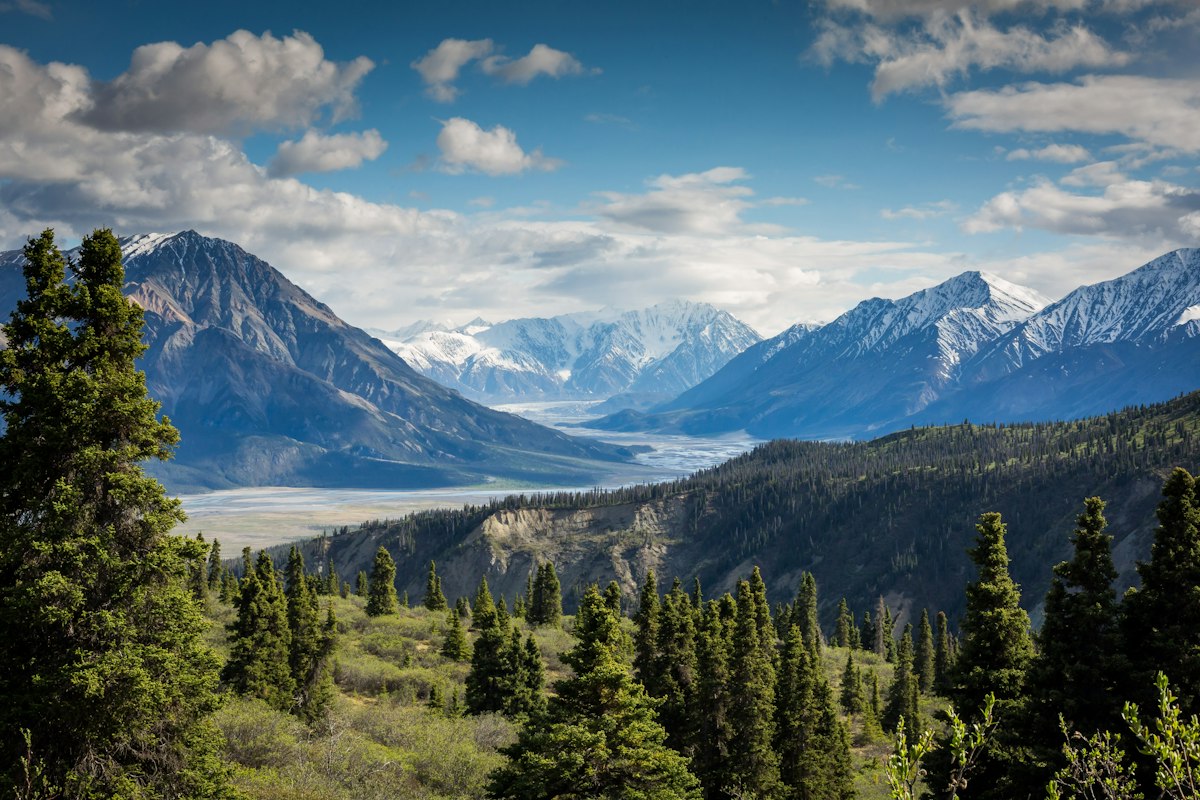


Location Overview
<p>Yosemite National Park, located in the Sierra Nevada mountains of California, USA, is a haven for outdoor enthusiasts and nature lovers. The park covers over 1,100 square miles and is renowned for its dramatic landscapes, towering waterfalls, and ancient sequoia groves. The heart of Yosemite is the Yosemite Valley, a glacially carved valley that is home to some of the most iconic natural wonders in the USA. The Valley is surrounded by towering granite cliffs, including the famous El Capitan, which rises over 3,000 feet above the valley floor.</p><p>The park's diverse landscape offers a variety of climbing opportunities, from short sport climbs to multi-pitch big wall routes. The granite formations in Yosemite are world-renowned for their quality and the challenges they present. The El Cap Nose Climb is just one of many routes that attract climbers from around the globe. The park's unique geology, formed by millions of years of glacial activity, has created a landscape that is both beautiful and challenging. The granite walls are perfect for climbing, offering a range of difficulties from beginner-friendly routes to the most advanced big wall climbs.</p><p>Yosemite's climate is characterized by warm, dry summers and cold, snowy winters. The best time for climbing is generally in the spring and fall, when temperatures are moderate and the days are long. However, experienced climbers can find opportunities year-round, depending on their skill level and the specific route they choose. The park's extensive trail network and well-maintained facilities make it a great destination for climbers of all levels, but the El Cap Nose Climb remains the ultimate challenge for those seeking the pinnacle of big wall climbing in the USA.</p>
Key Points of Interest
<p>The El Cap Nose Climb is a multi-day adventure that takes you through a series of iconic landmarks and challenges. Here are some of the key points along the route:</p><p><strong>The Base of El Capitan:</strong> Your journey begins at the El Capitan Bridge, where you'll find the starting point of the climb. This is where you'll gear up and prepare for the ascent. The base of El Capitan is a popular spot for climbers and spectators alike, and it's a great place to take in the scale of the challenge ahead.</p><p><strong>The Boot:</strong> One of the most recognizable features on the Nose, The Boot is a large, boot-shaped rock that juts out from the wall. Climbers often use it as a reference point and a place to take a break. The Boot is a significant landmark and a reminder of the history and tradition of climbing on El Capitan.</p><p><strong>The Great Roof:</strong> This overhanging section is one of the most challenging and iconic pitches on the Nose. The Great Roof requires careful route-finding and strong technical skills. Climbers must navigate a series of steep, overhanging moves to reach the top. The exposure here is intense, but the sense of accomplishment is equally rewarding.</p><p><strong>The Muir Wall:</strong> Named after John Muir, this section of the climb is a long, exposed traverse that offers breathtaking views of Yosemite Valley. The Muir Wall is a mix of slab climbing and face climbing, requiring a combination of endurance and technique. It's a highlight of the climb and a testament to the beauty of the route.</p><p><strong>The Summit:</strong> After days of hard work and dedication, you'll finally reach the summit of El Capitan. The view from the top is nothing short of spectacular, with panoramic vistas of Yosemite Valley, the Sierra Nevada mountains, and the surrounding wilderness. The summit is a place of reflection and celebration, and it's a moment that every climber will remember for a lifetime.</p>
Route Waypoints
- The Boot: A large, boot-shaped rock that is a recognizable landmark on the Nose route.
- The Great Roof: An overhanging section that requires careful route-finding and strong technical skills.
- The Muir Wall: A long, exposed traverse offering panoramic views of Yosemite Valley.
- The Summit: The top of El Capitan, providing breathtaking views of Yosemite Valley and the surrounding mountains.
- The Descent Route: A rappel route that leads back down to the valley floor.
- El Capitan Meadow: A grassy meadow at the base of El Capitan, where climbers can rest and prepare for the next day.
Getting to the Start
<p>To reach the start of the El Cap Nose Climb, you'll need to make your way to Yosemite Valley in Yosemite National Park, California, USA. The nearest town is El Portal, located just outside the park's western entrance. From El Portal, you can drive east on State Route 140, which will take you directly into Yosemite Valley. The road is well-maintained and offers scenic views of the Merced River and the surrounding mountains.</p><p>Once in Yosemite Valley, you'll need to find parking at the El Capitan Bridge, which is located near the base of El Capitan. The parking area can get crowded, especially during peak climbing season, so it's a good idea to arrive early. If you're unable to find parking at the bridge, you can use the park's shuttle system, which runs frequently and can drop you off at the base of El Capitan. The shuttle is an excellent option for reducing traffic congestion and minimizing your environmental impact in the park.</p><p>If you're traveling from a distance, there are several airports within a reasonable driving distance, including Fresno Yosemite International Airport (FAT) and Sacramento International Airport (SMF). From these airports, you can rent a car or take a shuttle service to Yosemite Valley. Public transportation options are limited, but the Yosemite Area Regional Transportation System (YARTS) offers bus services from nearby cities, including Merced and Mariposa.</p>
Tips, Safety & Travel
<p>Climbing the El Cap Nose in Yosemite National Park, USA, is a serious undertaking that requires careful preparation and a commitment to safety. Here are some essential tips to ensure a successful and safe adventure:</p><p><strong>Essential Kit:</strong> Make sure you have all the necessary equipment, including a well-fitted harness, climbing shoes, a helmet, and a full set of climbing gear. You'll also need a reliable rope, carabiners, quickdraws, and protection devices. For multi-day climbs, bring a portaledge, a sleeping bag, and a stove for cooking. It's crucial to have a first-aid kit and a satellite phone or GPS device for emergency communication.</p><p><strong>Safety Advice:</strong> Always climb with a partner and ensure that both of you are experienced and capable. Practice good rope management and communication skills. Be aware of the weather conditions and be prepared for sudden changes. Lightning and strong winds can pose significant risks, so it's important to monitor the forecast and have a plan in case of adverse weather.</p><p><strong>Weather and Terrain Hazards:</strong> Yosemite's weather can be unpredictable, with hot days and cold nights. Thunderstorms are common in the summer, and snow and ice can be present at higher elevations during the winter. The granite walls can be slippery when wet, and loose rock is a constant hazard. Be cautious of rockfall and use protective gear to minimize the risk of injury.</p><p><strong>Best Season:</strong> The best time to climb the El Cap Nose is during the spring and fall, when temperatures are moderate and the days are long. These seasons offer the best conditions for climbing, with fewer crowds and more stable weather. However, experienced climbers can find opportunities year-round, depending on their skill level and the specific route they choose.</p><p><strong>Emergency Notes:</strong> In case of an emergency, call 911 or use your satellite phone to contact park rangers. The park has a dedicated search and rescue team, but it's important to be self-reliant and prepared for any situation. Always inform someone of your climbing plans and expected return time. Leave a detailed itinerary with a trusted friend or family member, and check in with park rangers before and after your climb.</p>
Wildlife & Nature Highlights
<p>Yosemite National Park is home to a diverse array of flora and fauna, making it a rich environment for wildlife enthusiasts. The park's varied ecosystems, from the dense forests of the valley floor to the alpine meadows at higher elevations, support a wide range of species. As you approach the base of El Capitan, you'll likely encounter black bears, which are common in the park. These bears are primarily active during the early morning and late evening, so it's important to store food properly and follow park guidelines to avoid attracting them.</p><p>The forests around Yosemite Valley are home to black-tailed deer, which are often seen grazing along the trails. Coyotes and bobcats are also present, though they are more elusive and typically avoid human contact. In the skies, you might spot peregrine falcons, which nest on the cliffs and are known for their incredible speed and agility. The park's rivers and streams are home to a variety of fish, including rainbow trout and brown trout, which are popular among anglers.</p><p>The geology of Yosemite is equally fascinating. The park is known for its massive granite formations, which were shaped by millions of years of glacial activity. The U-shaped Yosemite Valley, with its steep walls and flat floor, is a classic example of a glacially carved landscape. The granite cliffs, including El Capitan, are composed of intrusive igneous rock that was once part of the Earth's crust. The park's waterfalls, such as Yosemite Falls and Bridalveil Fall, are formed by the Merced River and its tributaries as they flow over the edge of the valley, creating some of the most spectacular natural features in the USA.</p>
Tags
- climbing
- big wall
- multi-day
- granite
- Yosemite
- USA
- technical
- iconic