Activity: Climbing | Difficulty: Moderate | Location: Ile-de-France, France
The Fontainebleau Bouldering Circuit offers a mix of easy and challenging routes, making it accessible to climbers of all levels. The terrain is varied, with sandy soil, forest trails, and numerous sandstone boulders.
Adventure Statistics
- Distance: 10.5km
- Duration: 2h 35m
- Elevation Gain: 60m
- Max Elevation: 150m
- Calories Burned: 1460
- Best Seasons: Spring, Summer, Fall
- Features: Forest, Viewpoint, Bouldering, Wildlife_viewing, Parking, Restrooms
Photos
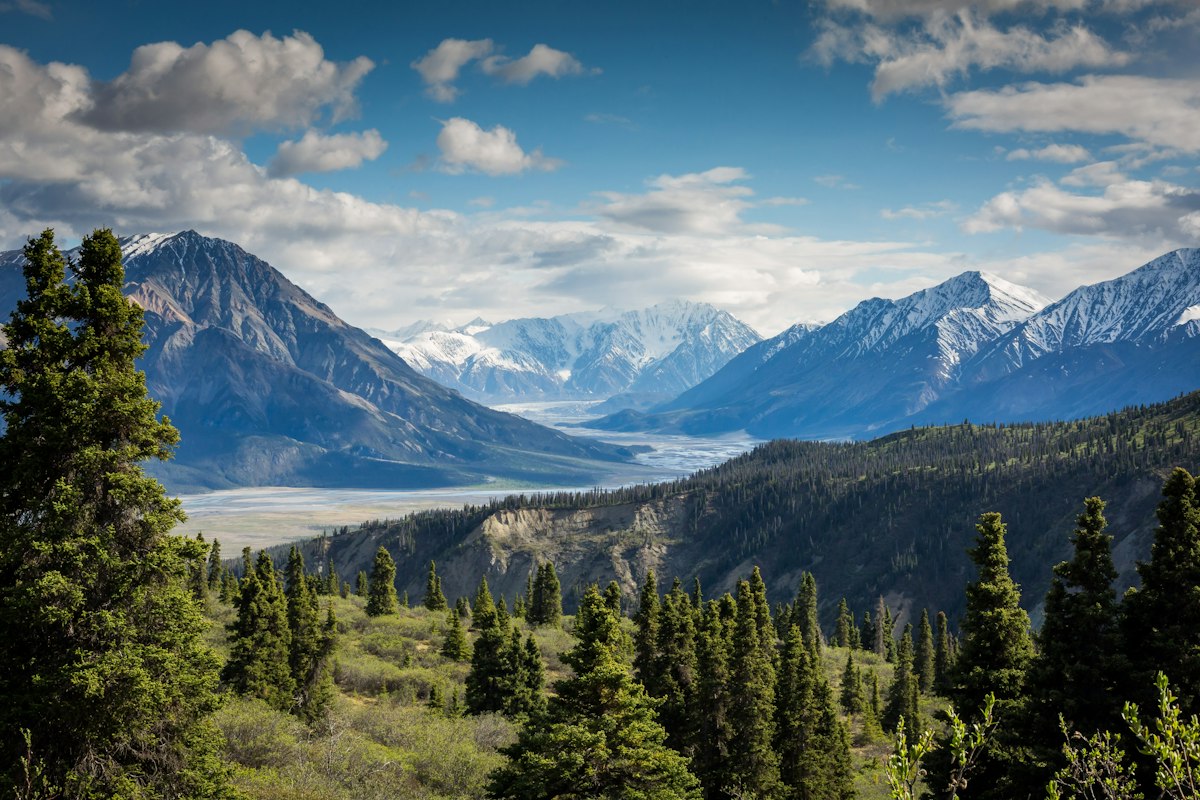


Location Overview
<p>The Fontainebleau Forest, located in the Ile-de-France region of France, is a vast and diverse natural area that spans over 25,000 hectares. This ancient forest is a mix of deciduous and coniferous trees, creating a rich and varied landscape that is home to a wide range of flora and fauna. The forest is characterized by its rolling hills, sandy soil, and the iconic sandstone boulders that have made it a world-famous climbing destination. The sandstone formations, known as 'grès,' are the result of millions of years of geological processes, and they provide the perfect canvas for bouldering.</p><p>The forest is divided into several sectors, each with its own unique character and climbing challenges. Some of the most popular sectors include Les Gorges, La Grande Falaise, and La Roche du Levant. Les Gorges is known for its deep, narrow gorges and overhanging routes, while La Grande Falaise offers steep and technical climbs. La Roche du Levant, on the other hand, provides a mix of moderate and challenging problems, making it a great place for climbers of all levels.</p><p>The forest is also home to a variety of wildlife, including deer, wild boar, and numerous bird species. The forest floor is carpeted with a diverse array of plants, including ferns, mosses, and wildflowers, which add to the natural beauty of the area. The forest's rich biodiversity makes it a paradise for nature lovers and wildlife enthusiasts, and it's not uncommon to spot animals while hiking or climbing.</p><p>One of the unique aspects of the Fontainebleau Forest is its cultural and historical significance. The forest has been a source of inspiration for artists and writers for centuries, and it has been featured in numerous paintings and literary works. The forest is also home to several historical sites, including the Château de Fontainebleau, a former royal residence that is now a UNESCO World Heritage site. The combination of natural beauty, cultural heritage, and world-class climbing makes the Fontainebleau Forest a truly special destination in France.</p>
Key Points of Interest
<p><strong>La Roche du Levant:</strong> This iconic boulder is one of the most recognizable in the Fontainebleau Forest. Located near the town of Fontainebleau, La Roche du Levant offers a mix of moderate and challenging problems, making it a great place for climbers of all levels. The boulder is surrounded by a picturesque forest setting, and the views from the top are stunning.</p><p><strong>Les Gorges:</strong> This sector is known for its deep, narrow gorges and overhanging routes. The gorges are a natural wonder, with steep walls and a variety of climbing challenges. The area is less crowded than some of the more popular sectors, making it a great place to escape the crowds and enjoy a more intimate climbing experience.</p><p><strong>La Grande Falaise:</strong> One of the most challenging sectors in the forest, La Grande Falaise offers steep and technical climbs that will test even the most experienced climbers. The sector is characterized by its tall, imposing cliffs and a variety of bouldering problems. The views from the top of the cliffs are breathtaking, and the sector is a must-visit for serious climbers.</p><p><strong>La Plaine:</strong> This sector is known for its large, open boulders and a variety of climbing challenges. The area is popular with climbers of all levels, and the boulders are well-maintained and clearly marked. The sector is also a great place to relax and enjoy the forest's natural beauty, with several picnic areas and trails nearby.</p><p><strong>La Butte de Chailly:</strong> Located near the town of Chailly-en-Bière, this sector offers a mix of moderate and challenging problems, set in a beautiful forest setting. The boulders are well-spaced, making it easy to navigate the area, and the views from the top of the butte are spectacular. The sector is a great place to enjoy a day of climbing and explore the surrounding forest.</p><p><strong>La Pierre aux Oiseaux:</strong> This boulder is known for its unique shape and the variety of climbing problems it offers. The boulder is surrounded by a dense forest, and the area is a great place to spot wildlife. The sector is less crowded than some of the more popular areas, making it a peaceful and relaxing place to climb.</p>
Route Waypoints
- La Roche du Levant: A famous boulder with a mix of moderate and challenging problems, surrounded by a picturesque forest setting.
- Les Gorges: A sector known for its deep, narrow gorges and overhanging routes, offering a more secluded and technical climbing experience.
- La Grande Falaise: One of the most challenging sectors, with tall cliffs and a variety of bouldering problems. The views from the top are breathtaking.
- La Plaine: A sector with large, open boulders and a variety of climbing challenges. The area is popular and well-maintained.
- La Butte de Chailly: A sector with moderate and challenging problems, located near the town of Chailly-en-Bière. The views from the top of the butte are spectacular.
- La Pierre aux Oiseaux: A unique boulder with a variety of climbing problems, surrounded by a dense forest. The area is less crowded and peaceful.
Getting to the Start
<p>To reach the start point of the Fontainebleau Bouldering Circuit, you can begin your journey from the town of Fontainebleau, which is located approximately 50 kilometers southeast of Paris. The town is easily accessible by car or public transport, making it a convenient starting point for your climbing adventure. If you're driving, take the A6 motorway from Paris and exit at Fontainebleau. From there, follow the D152 south towards the forest. The forest entrance is well-marked, and you'll find several parking areas near the main climbing sectors.</p><p>For those traveling by public transport, the town of Fontainebleau is served by the SNCF train network. Trains from Paris Gare de Lyon run regularly to Fontainebleau-Avon station, which is a short walk from the town center. From the town, you can take a local bus or taxi to the forest entrance. The bus service is reliable, and it stops at key points within the forest, making it easy to access the different climbing sectors.</p><p>Once you arrive at the forest, you'll find that the trails are well-maintained and clearly marked. The main parking areas are located near the popular climbing sectors, and there are often other climbers who can provide directions and advice. The forest is a popular destination, so you're likely to encounter other visitors, but the trails are spacious enough to ensure a comfortable and enjoyable experience.</p>
Tips, Safety & Travel
<p>When planning your trip to the Fontainebleau Bouldering Circuit, it's important to be prepared for the challenges and conditions you may encounter. The forest is a dynamic environment, and weather conditions can change rapidly, so it's essential to check the forecast before you go. The best season for climbing in Fontainebleau is generally from March to June and from September to November, when the weather is mild and the forest is at its most beautiful. However, the forest can be visited year-round, and each season offers its own unique charm.</p><p>Essential kit for your climbing adventure should include a good pair of climbing shoes, a chalk bag, and a crash pad. If you're planning to spend the day in the forest, bring plenty of water, snacks, and a first-aid kit. It's also a good idea to wear layers, as the temperature can vary throughout the day. Sunscreen and insect repellent are also recommended, especially during the warmer months.</p><p>Safety is paramount when climbing in Fontainebleau. The forest's sandy soil can be unstable, and the boulders can be slippery, so it's important to use proper technique and be aware of your surroundings. Always spot your climbing partners, and consider bringing a helmet, especially for more challenging routes. The forest is a popular destination, and the trails can be busy, so be mindful of other visitors and yield when necessary.</p><p>In case of an emergency, the nearest hospital is in Fontainebleau, and there are several first-aid stations located throughout the forest. It's a good idea to carry a mobile phone and a map of the area, and to let someone know your planned route and expected return time. The forest is well-maintained, but it's always a good idea to be prepared and to respect the natural environment.</p>
Wildlife & Nature Highlights
<p>The Fontainebleau Forest is a haven for wildlife, and visitors are often treated to a variety of flora and fauna during their visit. The forest is home to a diverse range of plant species, including oak, beech, and pine trees, which create a rich and varied habitat for local wildlife. The forest floor is carpeted with a dense layer of moss, ferns, and wildflowers, adding to the natural beauty of the area. In the spring and summer, the forest is alive with the colors of blooming wildflowers, such as wood anemones, bluebells, and orchids.</p><p>One of the most common animals you might encounter is the roe deer, which can often be seen grazing in the early morning or late evening. Wild boar are also present in the forest, though they are more elusive and tend to avoid human contact. The forest is also a haven for birdwatchers, with species such as the Eurasian jay, great spotted woodpecker, and various species of warblers and finches. The forest's diverse habitats support a wide range of bird species, making it a great place for birdwatching.</p><p>In addition to the more common wildlife, the Fontainebleau Forest is home to several species of reptiles and amphibians. The common lizard and the slow worm can often be found basking in the sun on the forest floor, while the common frog and the European tree frog can be heard calling in the wetter areas of the forest. The forest's sandy soil and numerous small streams provide ideal conditions for these species to thrive.</p><p>The forest's geology is also a highlight, with the ancient sandstone formations creating a unique and dramatic landscape. The sandstone boulders, known as 'grès,' are a result of millions of years of geological processes and provide the perfect surface for bouldering. The boulders are interspersed throughout the forest, creating a natural playground for climbers. The forest's geology is not only important for climbing but also plays a crucial role in the ecosystem, providing habitat for a variety of plant and animal species.</p>
Tags
- climbing
- bouldering
- forest
- nature
- outdoor adventure
- France
- Fontainebleau
- Ile-de-France