Activity: Hiking | Difficulty: Expert | Location: Corsica, France
The GR20 Corsica Ridge Trek is a challenging point-to-point trail that spans 180 kilometers through the rugged mountains of Corsica, France. The trail features steep ascents and descents, rocky scrambles, and exposed sections, making it suitable for experienced hikers.
Adventure Statistics
- Distance: 180.0km
- Duration: 12h 58m
- Elevation Gain: 2300m
- Max Elevation: 1800m
- Calories Burned: 5839
- Best Seasons: Summer, Fall
- Features: Viewpoint, Summit, Lake, Forest, River, Wildlife_viewing
Photos
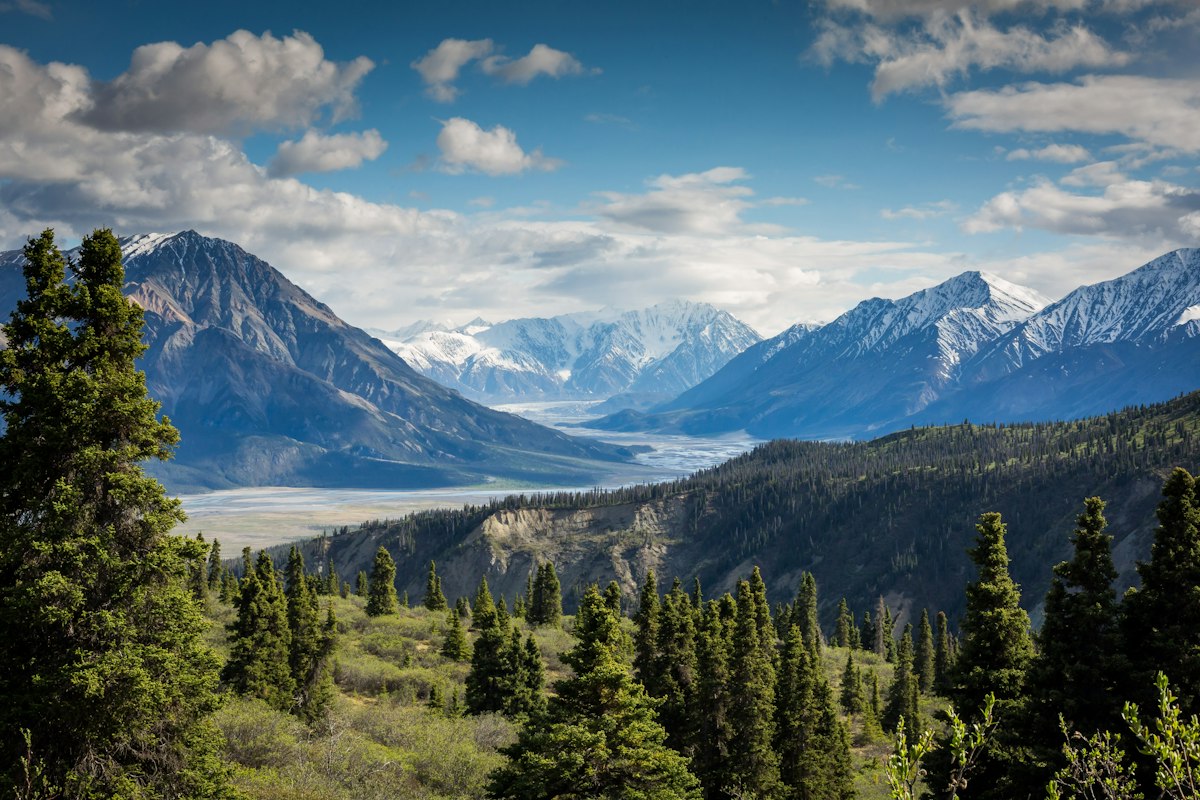
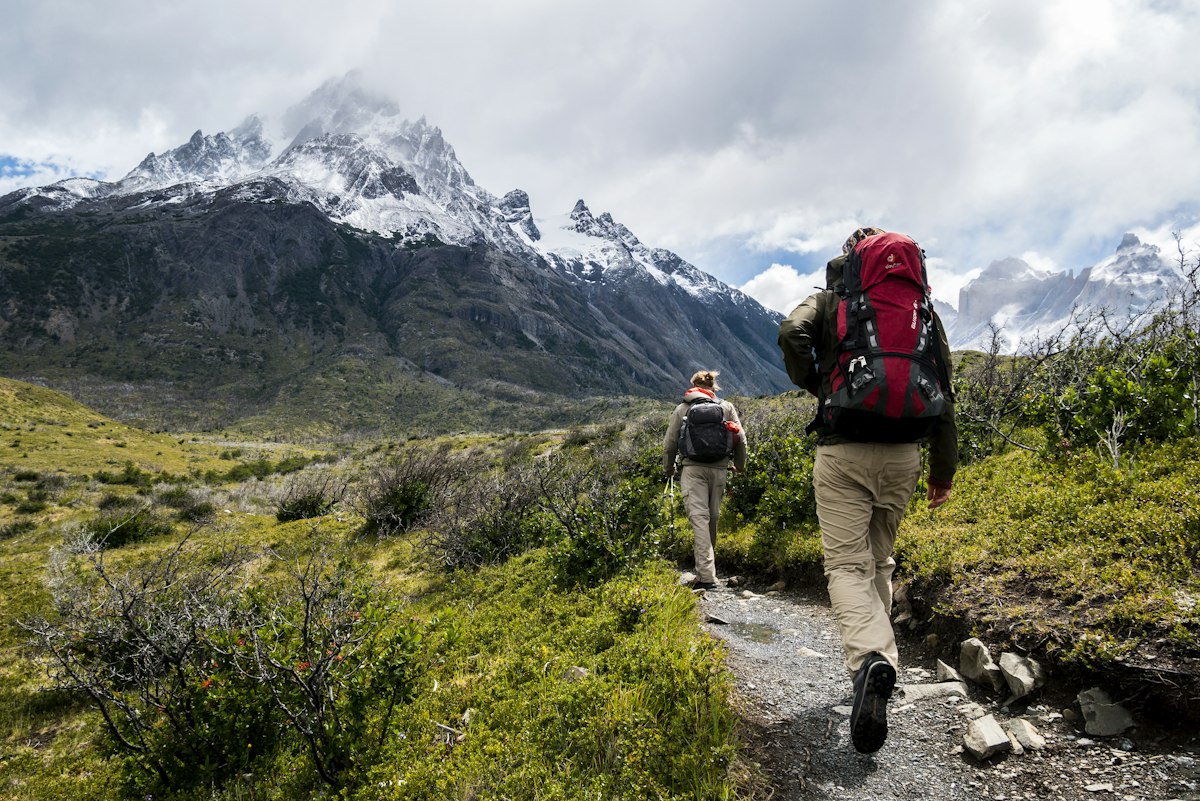
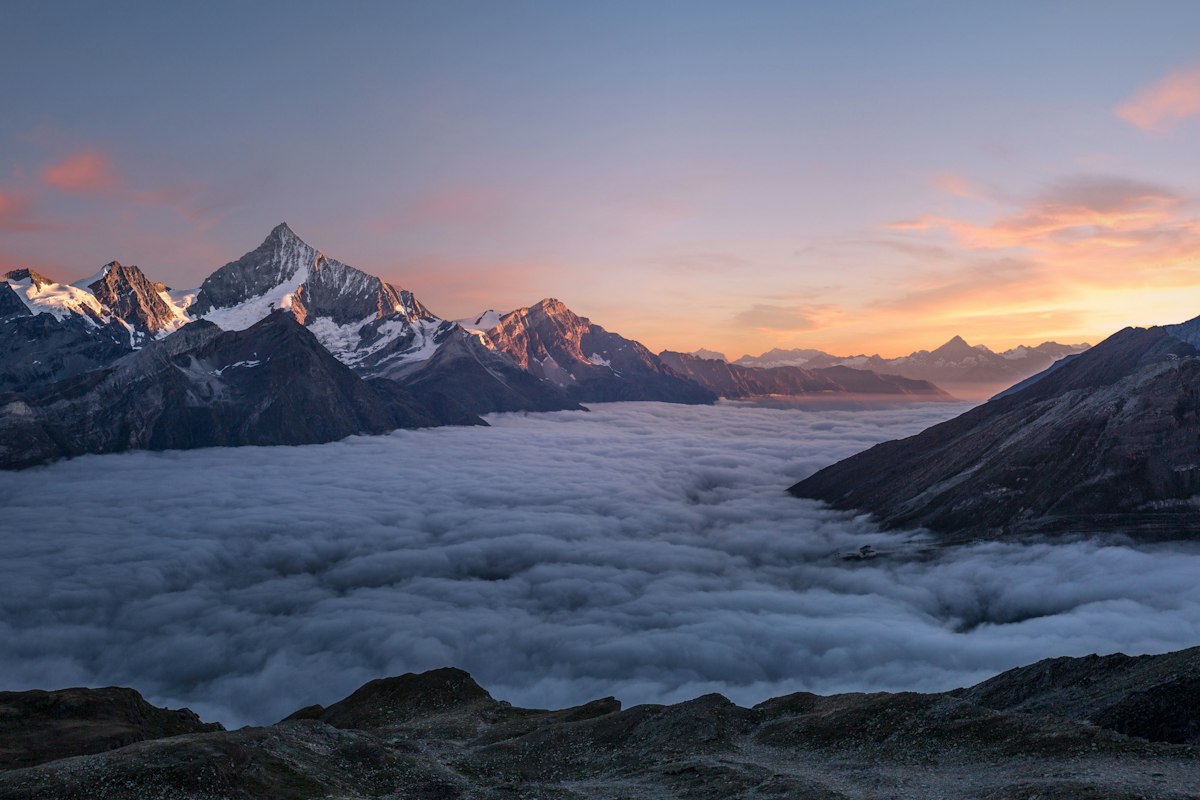
Location Overview
<p>The GR20 Corsica Ridge Trek is located in the heart of Corsica, France, a rugged and picturesque island in the Mediterranean Sea. Corsica is known for its diverse landscapes, ranging from dense forests and rolling hills to dramatic coastlines and towering mountains. The GR20 traverses the island's central mountain range, which is part of the Regional Natural Park of Corsica. This protected area is home to a rich variety of flora and fauna, as well as unique geological formations that have shaped the island's character over millennia.</p><p>The trail begins in the north at Calenzana and ends in the south at Conca, or vice versa, depending on the direction of travel. The route passes through several distinct regions, each with its own character and charm. The northern section of the trail is characterized by dense forests and the Asco Valley, while the southern section features more open landscapes and the dramatic Calanches de Piana. The GR20 is a hiker's dream, offering a perfect blend of natural beauty, cultural heritage, and physical challenge.</p><p>One of the most striking features of the GR20 is the way it seamlessly integrates with the Corsican landscape. The trail takes hikers through remote villages, past ancient ruins, and along ridgelines that offer sweeping views of the surrounding mountains and valleys. The trail also passes through several protected areas, such as the Asco Valley and the Calanches de Piana, which are home to a wide variety of plant and animal species. The GR20 is a testament to the island's natural beauty and a must-visit destination for hikers in France.</p>
Key Points of Interest
<p><strong>Calenzana:</strong> The starting point of the GR20, this charming village in the north of Corsica, France, is the gateway to the trail. It offers a picturesque setting with traditional Corsican architecture and a friendly community. The village is a great place to stock up on supplies and prepare for the journey ahead.</p><p><strong>Refuge de Spasimata:</strong> Located in the Asco Valley, this mountain refuge offers a comfortable place to rest and refuel. The surrounding area is known for its dense forests and crystal-clear streams, providing a serene environment for hikers. The refuge is a popular stop for those looking to break up the first stage of the trek.</p><p><strong>Col de Vergio:</strong> This high pass at 1,665 meters is one of the most scenic points on the GR20. The panoramic views from the col are breathtaking, with vistas of the surrounding mountains and valleys. The ascent to Col de Vergio is steep but rewarding, and the descent to the next stage is equally spectacular.</p><p><strong>Lac Capitello:</strong> This alpine lake is a highlight of the GR20, offering a tranquil and serene setting. The lake is surrounded by rugged peaks and is a popular spot for photography and reflection. The area around Lac Capitello is also home to a variety of wildlife, including birds and small mammals.</p><p><strong>Calanches de Piana:</strong> One of the most iconic features of the GR20, the Calanches de Piana are a series of dramatic limestone cliffs that rise from the sea. These natural formations are a testament to the island's geological history and offer some of the most spectacular views on the trail. The cliffs are best appreciated from the trail, which offers multiple vantage points.</p><p><strong>Refuge de Vizzavona:</strong> This mountain refuge is a key stop on the GR20, located in the heart of the trail. It offers a place to rest, refuel, and meet other hikers. The surrounding area is known for its dense forests and rolling hills, providing a stark contrast to the more rugged sections of the trail.</p>
Route Waypoints
- Refuge de Spasimata: A mountain refuge located in the Asco Valley, offering a comfortable place to rest and refuel.
- Col de Vergio: A high pass at 1,665 meters with breathtaking panoramic views of the surrounding mountains and valleys.
- Lac Capitello: An alpine lake surrounded by rugged peaks, providing a tranquil and serene setting.
- Calanches de Piana: Dramatic limestone cliffs that rise from the sea, offering some of the most spectacular views on the GR20.
- Refuge de Vizzavona: A key stop on the GR20, located in the heart of the trail, offering a place to rest and refuel.
Getting to the Start
<p>The starting point of the GR20 Corsica Ridge Trek is in the northern village of Calenzana, which is located in the Haute-Corse department of Corsica, France. To reach Calenzana, the nearest major town is Bastia, which is accessible by ferry from mainland France or by air from various European cities. From Bastia, you can take the D81 road south towards Calvi, and then follow the D81A to Calenzana. The drive from Bastia to Calenzana takes approximately 1.5 hours, depending on traffic and road conditions.</p><p>Once you arrive in Calenzana, you can park your vehicle at the municipal car park located near the town center. The car park is well-maintained and can accommodate a moderate number of vehicles. There is no specific fee for parking, but it is advisable to check for any local regulations or restrictions. For those who prefer public transport, there are bus services that connect Calenzana to nearby towns and cities. The bus station is located near the town center, and schedules can be found at the local tourist office.</p>
Tips, Safety & Travel
<p>The GR20 Corsica Ridge Trek is a challenging but rewarding adventure, and proper preparation is essential for a safe and enjoyable experience. The trail is well-marked with red and white blazes, but hikers should still carry a detailed map and compass, as well as a GPS device for added navigation. The terrain is varied and can be steep and rocky, so sturdy hiking boots with good ankle support are a must. It is also advisable to bring trekking poles for added stability, especially on the steeper sections.</p><p>The best time to hike the GR20 is from June to September, when the weather is generally mild and the trail conditions are favorable. However, hikers should be prepared for sudden changes in weather, especially in the higher elevations. It is important to check the weather forecast before setting out and to be aware of the potential for thunderstorms and strong winds. In the event of bad weather, it is advisable to seek shelter at one of the mountain refuges along the trail.</p><p>Water sources are limited on the GR20, so hikers should carry a sufficient supply of water and a water filter or purification tablets. The refuges along the trail provide basic amenities, including water, but it is always best to be self-sufficient. Hikers should also bring a first-aid kit, a whistle, and a headlamp or flashlight in case of emergencies. It is advisable to inform someone of your itinerary and expected return date, and to carry a charged mobile phone for emergency calls.</p>
Wildlife & Nature Highlights
<p>The GR20 Corsica Ridge Trek is not only a haven for hikers but also a rich habitat for a diverse array of flora and fauna. As you hike through the varied landscapes of Corsica, you will encounter a wide range of plant and animal species that are native to the island. One of the most notable species is the Corsican mouflon, a wild sheep that is a symbol of Corsican wildlife. These animals are often spotted in the higher elevations of the trail, particularly in the Asco Valley and the Calanches de Piana.</p><p>The forests along the GR20 are home to a variety of bird species, including the golden eagle, peregrine falcon, and the European honey buzzard. These birds of prey can often be seen soaring above the ridgelines and cliffs, hunting for their prey. The trail also passes through areas with dense populations of Corsican holly, a rare and protected tree species that is endemic to the island. The holly trees provide a habitat for a variety of insects and small mammals, contributing to the rich biodiversity of the region.</p><p>In addition to the wildlife, the GR20 offers a unique opportunity to explore the geology of Corsica. The trail passes through areas with distinctive rock formations, such as the granite boulders of the Asco Valley and the limestone cliffs of the Calanches de Piana. These geological features have shaped the landscape over millions of years and provide a fascinating insight into the island's natural history. Hikers can also observe the effects of erosion and weathering on the rocks, which have created unique shapes and formations that are a testament to the power of nature.</p>
Tags
- GR20
- Corsica
- hiking
- mountain trek
- scenic views
- challenging trails
- Mediterranean
- France