Activity: Hiking | Difficulty: Moderate | Location: Amhara, Ethiopia
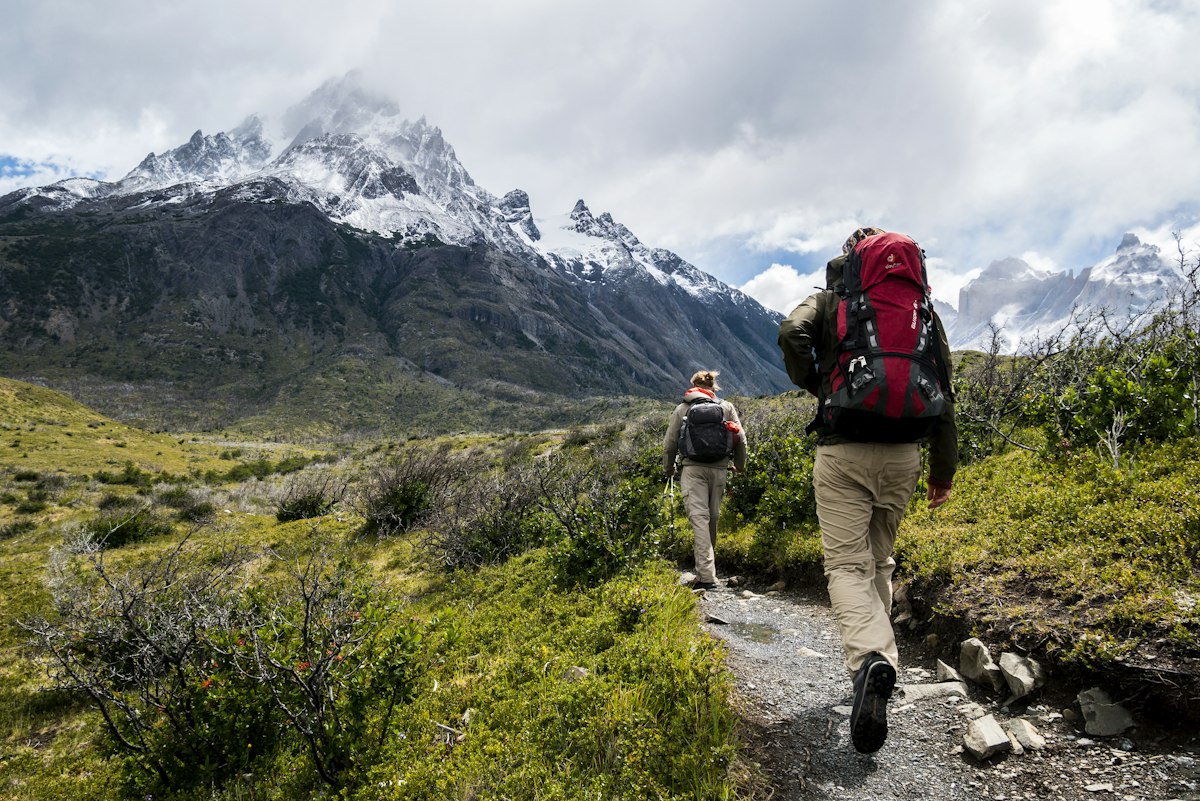
The Simien Mountains Traverse is a moderate 12.5 km out-and-back hike that offers stunning views of deep gorges, sheer cliffs, and rolling highlands. The trail is well-maintained but can be challenging in places, with steep ascents and rocky sections.
Adventure Statistics
- Distance: 12.5km
- Duration: 2h 9m
- Elevation Gain: 700m
- Max Elevation: 3200m
- Calories Burned: 968
- Best Seasons: Spring, Summer, Fall
- Features: Viewpoint, Wildlife_viewing, Forest, Highlands, Traditional_village, Waterfall, Cultural_heritage
Photos

Location Overview
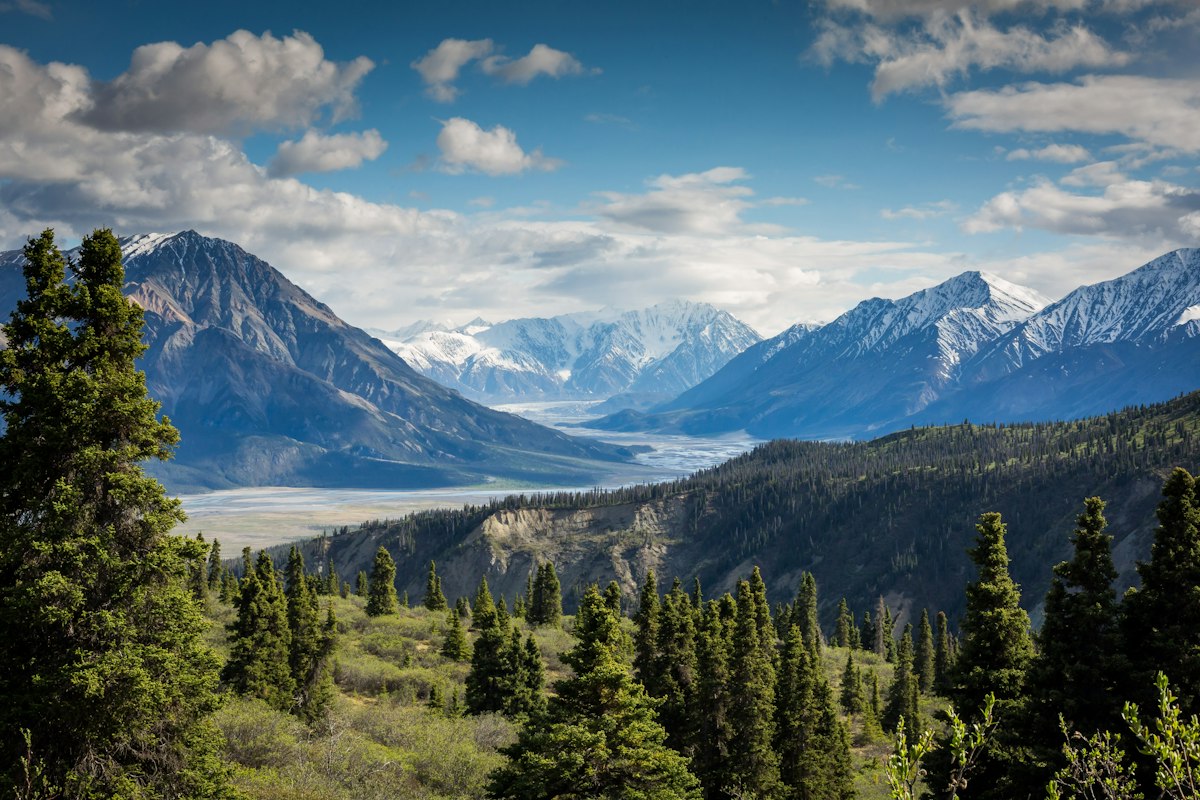
<p>The Simien Mountains, located in the Amhara Region of northern Ethiopia, are a UNESCO World Heritage Site and one of the most spectacular natural wonders in Africa. The mountains rise to over 4,500 meters, making them the highest in Ethiopia and the second-highest in Africa after Mount Kilimanjaro. The region is characterized by its dramatic landscape, with deep gorges, sheer cliffs, and rolling highlands that create a unique and awe-inspiring environment.</p><p>The Simien Mountains are part of the Ethiopian Highlands, a vast plateau that has been shaped by millions of years of volcanic activity and erosion. The highlands are home to a diverse range of ecosystems, from lush Afro-alpine forests to barren rocky outcrops. The area is also rich in biodiversity, with several endemic species of flora and fauna that are found nowhere else in the world.</p><p>For hikers, the Simien Mountains offer an unparalleled experience. The trails are well-marked and maintained, making it easy to navigate through the rugged terrain. The moderate difficulty of the Simien Mountains Traverse makes it accessible to a wide range of hikers, from beginners to experienced adventurers. The trail provides a perfect balance of challenge and reward, with stunning views and a deep connection to the natural world.</p><p>The cultural significance of the Simien Mountains cannot be overstated. The region is home to several traditional Amhara communities, whose way of life has remained largely unchanged for centuries. Visitors to the area can explore these communities, learn about their customs and traditions, and gain a deeper appreciation for the rich cultural heritage of the Amhara Region.</p>
Key Points of Interest
<p><strong>Debark Park Entrance:</strong> The official starting point of the Simien Mountains Traverse, the park entrance is where you can obtain a permit and hire a guide if needed. The area is well-equipped with facilities, including restrooms and a visitor center.</p><p><strong>Sankaber Waterfall:</strong> One of the first major highlights of the trail, Sankaber Waterfall is a stunning natural feature that drops over 100 meters into a deep gorge. The waterfall is surrounded by lush vegetation, and the sound of the cascading water creates a serene and peaceful atmosphere.</p><p><strong>Bwahit Village:</strong> This traditional Amhara village offers a glimpse into the local way of life. The village is characterized by its thatched-roof houses and terraced fields, where residents grow crops and raise livestock. Visitors can interact with the locals, learn about their customs, and even try some traditional Ethiopian cuisine.</p><p><strong>Gelada Baboon Colony:</strong> A short detour from the main trail leads to a large colony of gelada baboons. These unique primates are known for their red chests and can often be seen in large groups, foraging for food and socializing with each other. The sight of these baboons in their natural habitat is a highlight of the hike.</p><p><strong>Imet Gogo Viewpoint:</strong> One of the most spectacular viewpoints on the trail, Imet Gogo offers panoramic views of the surrounding mountains and valleys. The viewpoint is located at an elevation of 3,200 meters and provides a 360-degree panorama of the dramatic landscape. On a clear day, you can see for miles, taking in the rugged terrain and the deep gorges that characterize the Simien Mountains.</p><p><strong>Birhan Tseba:</strong> This high point on the trail offers another stunning vista of the surrounding landscape. The area is characterized by its barren, rocky terrain and the sweeping views of the highlands. It's a perfect spot to take a break, enjoy a snack, and soak in the natural beauty of the Simien Mountains.</p><p><strong>Debark Park Entrance (Return):</strong> After completing the loop, you will return to the park entrance, where you can reflect on your adventure and plan your next steps. The park entrance is a convenient place to rest, hydrate, and gather any final information about the area.</p>
Route Waypoints
- Sankaber Waterfall: A stunning waterfall that drops over 100 meters into a deep gorge, surrounded by lush vegetation.
- Bwahit Village: A traditional Amhara village with thatched-roof houses and terraced fields, offering a glimpse into local life.
- Gelada Baboon Colony: A large colony of gelada baboons, known for their red chests and social behavior.
- Imet Gogo Viewpoint: A high point offering panoramic views of the surrounding mountains and valleys at 3,200 meters.
- Birhan Tseba: Another high point with sweeping views of the barren, rocky highlands.
Getting to the Start
<p>The starting point for the Simien Mountains Traverse is near the town of Debark, which is located in the Amhara Region of northern Ethiopia. Debark serves as the gateway to the Simien Mountains National Park and is easily accessible by road from major cities such as Gondar, which is about a 2-hour drive away. The road to Debark is well-maintained, and you can reach the town by car, bus, or taxi.</p><p>If you are driving from Gondar, take the main road north towards Debark. The road is paved and well-marked, making it easy to navigate. As you approach Debark, you will see signs directing you to the Simien Mountains National Park. Follow these signs to the park entrance, where you can park your vehicle in the designated parking area. The parking lot is spacious and free of charge, with ample space for cars and buses.</p><p>For those traveling by public transport, there are regular bus services from Gondar to Debark. The journey takes approximately 2 hours, and buses depart from the main bus station in Gondar. Once you arrive in Debark, you can take a local taxi or walk to the park entrance, which is about a 10-minute walk from the town center.</p><p>It's important to note that the park entrance is the official starting point for the Simien Mountains Traverse. Here, you can obtain a permit and hire a guide if necessary. The park entrance is well-equipped with facilities, including restrooms and a visitor center where you can gather information about the trail and the surrounding area.</p>
Tips, Safety & Travel
<p>When planning your Simien Mountains Traverse, there are several practical considerations to keep in mind to ensure a safe and enjoyable experience. The parking area at the park entrance is spacious and free of charge, making it easy to leave your vehicle while you hike. However, it's always a good idea to lock your car and leave valuables at home or in a secure location.</p><p>The best time to hike the Simien Mountains Traverse is during the dry season, which runs from October to May. During this period, the weather is generally mild and sunny, with minimal rainfall. The trails are also in better condition, making the hike more comfortable and enjoyable. However, if you visit during the rainy season (June to September), you can expect lush, green landscapes and fewer crowds, but the trails may be more challenging and slippery.</p><p>It's essential to bring the right gear for your hike. Comfortable, sturdy hiking boots with good traction are a must, as the trail can be rocky and uneven in places. Dress in layers, as temperatures can vary significantly throughout the day, especially at higher elevations. A waterproof jacket and hat are also recommended, as weather conditions can change quickly in the mountains.</p><p>Carry plenty of water and snacks, as there are no facilities along the trail. A map and compass or GPS device are useful for navigation, although the trail is well-marked. If you're not experienced with hiking in high-altitude environments, it's a good idea to acclimate for a day or two before starting the trek. This will help your body adjust to the lower oxygen levels and reduce the risk of altitude sickness.</p><p>For safety, it's recommended to hike with a guide, especially if you're unfamiliar with the area. Guides can provide valuable information about the trail, wildlife, and local culture, and can help ensure your safety in case of emergencies. The park entrance has a list of certified guides available for hire. In case of an emergency, the park has a communication system, and rangers are stationed at key points along the trail to assist hikers if needed.</p>
Wildlife & Nature Highlights
<p>The Simien Mountains Traverse is a haven for wildlife enthusiasts, offering a unique opportunity to observe several endemic species in their natural habitat. One of the most iconic animals in the region is the gelada baboon, a species of primate that is found only in the highlands of Ethiopia. These baboons are known for their distinctive red chests and can often be seen in large groups along the trail, foraging for food and socializing with each other.</p><p>Another notable species is the Ethiopian wolf, which is one of the rarest and most endangered carnivores in the world. These wolves are adapted to the harsh, high-altitude environment of the Simien Mountains and can be spotted in the higher elevations of the trail. They are particularly active during the early morning and late afternoon, making these times ideal for wildlife viewing.</p><p>The walia ibex, a subspecies of ibex, is another endemic animal that calls the Simien Mountains home. These majestic goats are well-adapted to the rocky terrain and can often be seen grazing on the steep cliffs and ridges. Their distinctive curved horns and agile movements make them a fascinating sight for hikers.</p><p>In addition to these larger mammals, the Simien Mountains are home to a variety of smaller animals and birds. The high-altitude grasslands and forests provide a habitat for numerous species of rodents, birds, and insects. The area is particularly rich in birdlife, with species such as the Abyssinian catbird, wattled ibis, and thick-billed raven commonly spotted along the trail.</p><p>The flora of the Simien Mountains is equally diverse and fascinating. The lower elevations are characterized by lush Afro-alpine forests, which are home to a variety of tree species, including juniper and podocarpus. As you ascend, the vegetation changes to a more sparse and hardy ecosystem, with grasses, herbs, and shrubs that are adapted to the harsh, high-altitude conditions. The area is particularly known for its giant lobelias, which can grow up to 10 meters tall and are a striking feature of the landscape.</p>
Tags
- Simien Mountains
- Amhara Region
- hiking
- outdoor adventure
- wildlife
- Afro-alpine vegetation
- Ethiopia
- UNESCO World Heritage Site