Activity: Kayaking | Difficulty: Moderate | Location: Amazonas, Brazil
The Amazon Tributary Paddle is a moderate kayaking route in Amazonas, Brazil, that covers a distance of approximately 15 kilometers. The route is an out-and-back adventure, taking you through the tranquil waters of the Rio Negro and its tributaries, past lush rainforest and diverse wildlife.
Adventure Statistics
- Distance: 15.0km
- Duration: 1h 58m
- Elevation Gain: 13m
- Max Elevation: 40m
- Calories Burned: 739
- Best Seasons: Spring, Summer, Fall
- Features: River, Forest, Wildlife_viewing, Lake, Waterfall, Campground
Photos
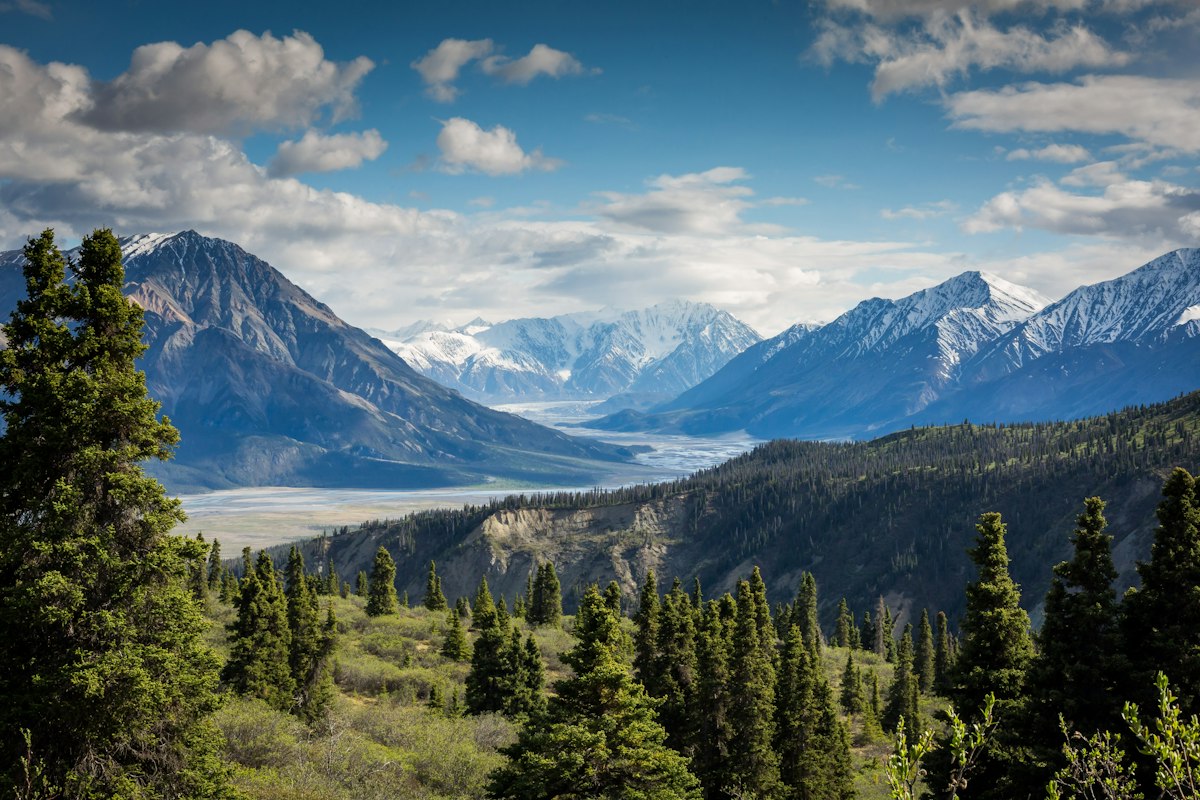


Location Overview
<p>The Amazon rainforest, spanning across nine countries in South America, is the largest tropical rainforest in the world. Amazonas, Brazil, is home to a significant portion of this vast ecosystem, and it is here that the Amazon Tributary Paddle takes place. The region is characterized by its dense, lush forests, which are home to an incredible array of plant and animal species. The waterways that crisscross the rainforest are the lifeblood of this environment, providing essential resources for the flora and fauna that thrive here. The Rio Negro, one of the largest tributaries of the Amazon River, is a key feature of the landscape in Amazonas. Its dark, tannin-rich waters create a striking contrast with the surrounding greenery, making it a unique and visually stunning environment for kayaking.</p><p>The region around Novo Airão, where the Amazon Tributary Paddle begins, is a prime example of the Amazon's diverse and dynamic landscape. The town itself is a small, picturesque community that serves as a gateway to the rainforest. Its location on the banks of the Rio Negro makes it an ideal starting point for exploring the surrounding waterways. The forests here are a mix of primary and secondary growth, with towering trees that form a dense canopy overhead. The understory is equally rich, with a variety of smaller plants and vines that create a complex and interconnected ecosystem. The waterways are lined with mangroves and other aquatic plants, which provide habitat for a wide range of species.</p><p>For kayakers, the Amazonas region offers a unique and rewarding experience. The calm waters of the tributaries are perfect for paddling, allowing you to move quietly through the forest and observe the wildlife up close. The intricate network of waterways means that there are always new paths to explore, and the changing landscape keeps the journey exciting and engaging. Whether you're a nature lover, an adventurer, or simply someone looking for a peaceful escape, the Amazon Tributary Paddle in Amazonas, Brazil, is an unforgettable experience.</p>
Key Points of Interest
<p>1. <strong>Ponta do Abacaxi</strong>: This picturesque point marks the beginning of your kayaking adventure. The calm waters of the Rio Negro provide an ideal starting point, and the surrounding forest is a feast for the senses. The air is filled with the sounds of the rainforest, and the water is a deep, inky black, creating a stark contrast with the vibrant greenery.</p><p>2. <strong>Igarapé do Castanho</strong>: As you paddle further into the tributary, you'll enter the Igarapé do Castanho, a narrow waterway that winds through the dense forest. The banks are lined with mangroves and other aquatic plants, providing habitat for a variety of wildlife. This section of the route is particularly scenic, with the forest canopy arching overhead and creating a natural tunnel of green.</p><p>3. <strong>Lago do Açaí</strong>: This small, secluded lake is a hidden gem of the Amazon. Surrounded by lush vegetation, the lake is a tranquil oasis where you can take a break and enjoy the serenity of the rainforest. The water is calm and clear, making it an excellent spot for swimming or simply relaxing. The area is also home to a variety of water birds, such as herons and kingfishers, which can often be seen fishing along the shoreline.</p><p>4. <strong>Cachoeira do Aruanã</strong>: This small waterfall is a highlight of the route, offering a refreshing break from the paddle. The cascading water creates a natural pool at the base, perfect for a quick dip. The surrounding area is a lush, tropical paradise, with the sound of the waterfall providing a soothing backdrop to your adventure.</p><p>5. <strong>Ilha do Tupé</strong>: As you continue your journey, you'll reach Ilha do Tupé, a small island in the middle of the Rio Negro. The island is a haven for wildlife, with a variety of birds and other animals making their homes in the dense vegetation. The island is also a popular spot for picnicking and relaxation, with several small beaches where you can take a break and enjoy the natural surroundings.</p><p>6. <strong>Campo do Jacaré</strong>: This open field along the riverbank is a unique feature of the route. The area is a mix of grassy plains and scattered trees, providing a stark contrast to the dense forest that surrounds it. The field is a popular spot for wildlife, particularly capybaras and other herbivores, which can often be seen grazing in the open. The area is also a good place to set up a campsite if you plan to spend the night on the river.</p>
Route Waypoints
- Igarapé do Castanho: A narrow waterway that winds through the dense forest, lined with mangroves and other aquatic plants.
- Lago do Açaí: A small, secluded lake surrounded by lush vegetation, perfect for a break and relaxation.
- Cachoeira do Aruanã: A small waterfall with a natural pool at the base, ideal for a refreshing swim.
- Ilha do Tupé: A small island in the middle of the Rio Negro, a haven for wildlife and a popular spot for picnicking.
- Campo do Jacaré: An open field along the riverbank, a unique contrast to the dense forest, ideal for wildlife viewing and camping.
Getting to the Start
<p>To reach the starting point of the Amazon Tributary Paddle, you will need to travel to the town of Novo Airão, located in the state of Amazonas, Brazil. Novo Airão is approximately 130 kilometers northwest of Manaus, the capital city of Amazonas. The most common way to reach Novo Airão is by boat, as the town is situated along the Rio Negro. Regular ferry services operate between Manaus and Novo Airão, with the journey taking around 4 to 5 hours. If you prefer a faster option, you can take a speedboat, which can reduce the travel time to about 2 hours. Alternatively, you can fly into the Novo Airão Airport, which is a small, regional airport with limited flights.</p><p>If you are driving, the route to Novo Airão is via the AM-010 highway, which connects Manaus to the town. The road is well-maintained, but it is important to note that the last stretch of the journey is unpaved and may be challenging during the rainy season. Once you reach Novo Airão, you can park your vehicle at the Novo Airão Municipal Parking, located near the town's main dock. The parking area is large and free of charge, making it a convenient place to leave your vehicle while you embark on your kayaking adventure. If you are traveling by public transport, the town has a bus station with regular services to and from Manaus.</p>
Tips, Safety & Travel
<p>Parking: The Novo Airão Municipal Parking, located near the town's main dock, is a large and free parking area where you can safely leave your vehicle while you enjoy your kayaking adventure. The parking area is well-maintained and accessible, making it a convenient starting point for your journey.</p><p>Best Conditions and Season: The best time to undertake the Amazon Tributary Paddle is during the dry season, which runs from June to November. During this period, the water levels are lower, making it easier to navigate the tributaries and explore the smaller waterways. The weather is also more stable, with fewer rainstorms and more comfortable temperatures. However, the rainy season, from December to May, can also be a rewarding time to visit, as the rainforest is at its most lush and vibrant. Just be prepared for higher water levels and the possibility of more frequent rain.</p><p>What to Bring: For your kayaking adventure, it's essential to pack the right gear. A sturdy, waterproof kayak is a must, along with paddles and a life jacket for safety. Sun protection is crucial, so bring a wide-brimmed hat, sunglasses, and sunscreen to protect yourself from the intense tropical sun. Insect repellent is also essential, as the Amazon is home to a variety of biting insects. A waterproof bag or dry bag is useful for keeping your personal items, such as cameras and phones, safe from water. If you plan to spend the night on the river, a lightweight tent, sleeping bag, and camping stove are recommended.</p><p>Safety Advice: Safety is paramount when kayaking in the Amazon. Always wear a life jacket, and be aware of the currents and water conditions. Paddle with a partner or in a group whenever possible, and inform someone of your route and expected return time. Be cautious of the wildlife, particularly large animals like caimans and anacondas, and maintain a safe distance. It's also a good idea to carry a basic first-aid kit and a whistle to signal for help if needed. Finally, respect the environment and leave no trace, helping to preserve the beauty and biodiversity of the Amazon for future generations.</p>
Wildlife & Nature Highlights
<p>The Amazon rainforest is renowned for its incredible biodiversity, and the Amazon Tributary Paddle in Amazonas, Brazil, offers a front-row seat to this natural wonder. As you paddle through the waterways, you will have the opportunity to spot a wide variety of flora and fauna. The forests along the Rio Negro are home to numerous species of trees, including the iconic ceiba tree, which can grow up to 70 meters tall. The dense canopy provides habitat for a diverse array of birds, such as the vibrant scarlet macaw, the elegant harpy eagle, and the raucous blue-and-yellow macaw. The air is often filled with the calls of these birds, creating a symphony of sound that is both enchanting and mesmerizing.</p><p>On the water, you might encounter river dolphins, which are a rare and fascinating sight. These freshwater dolphins, known locally as boto, are often seen swimming and playing near the surface. The riverbanks are also home to capybaras, the world's largest rodents, which can often be seen grazing on the vegetation. If you're lucky, you might spot a giant otter, a species that is endangered but still present in the region. These playful animals are known for their agility and curiosity, and they often approach kayaks to investigate.</p><p>The forest floor is equally rich in life. Keep an eye out for the tracks of jaguars, which are the apex predators of the Amazon. While sightings of these elusive cats are rare, their presence is a testament to the health and diversity of the ecosystem. The understory is home to a variety of smaller mammals, such as agoutis and pacas, which are often seen scurrying through the underbrush. The waterways themselves are teeming with fish, including the famous piranha, which are more curious than dangerous. The Amazon is also a haven for reptiles, with species such as the anaconda and the black caiman making their homes in the rivers and swamps.</p>
Tags
- Amazon rainforest
- Rio Negro
- kayaking
- wildlife
- nature
- adventure
- tributary
- Amazonas