Activity: Skiing | Difficulty: Moderate | Location: Alberta, Canada
The Banff Lake Louise Ski Traverse is a moderately difficult route that covers a distance of approximately 15 kilometers. The terrain includes a mix of gentle slopes, steep descents, and open meadows, making it suitable for experienced skiers looking for a rewarding challenge. The route is an out-and-back trail, starting and ending at Moraine Lake.
Adventure Statistics
- Distance: 15.0km
- Duration: 51m
- Elevation Gain: 566m
- Max Elevation: 2450m
- Calories Burned: 446
- Best Seasons: Winter
- Features: Lake, Forest, Viewpoint, Summit, Wildlife_viewing, Parking
Photos
Location Overview
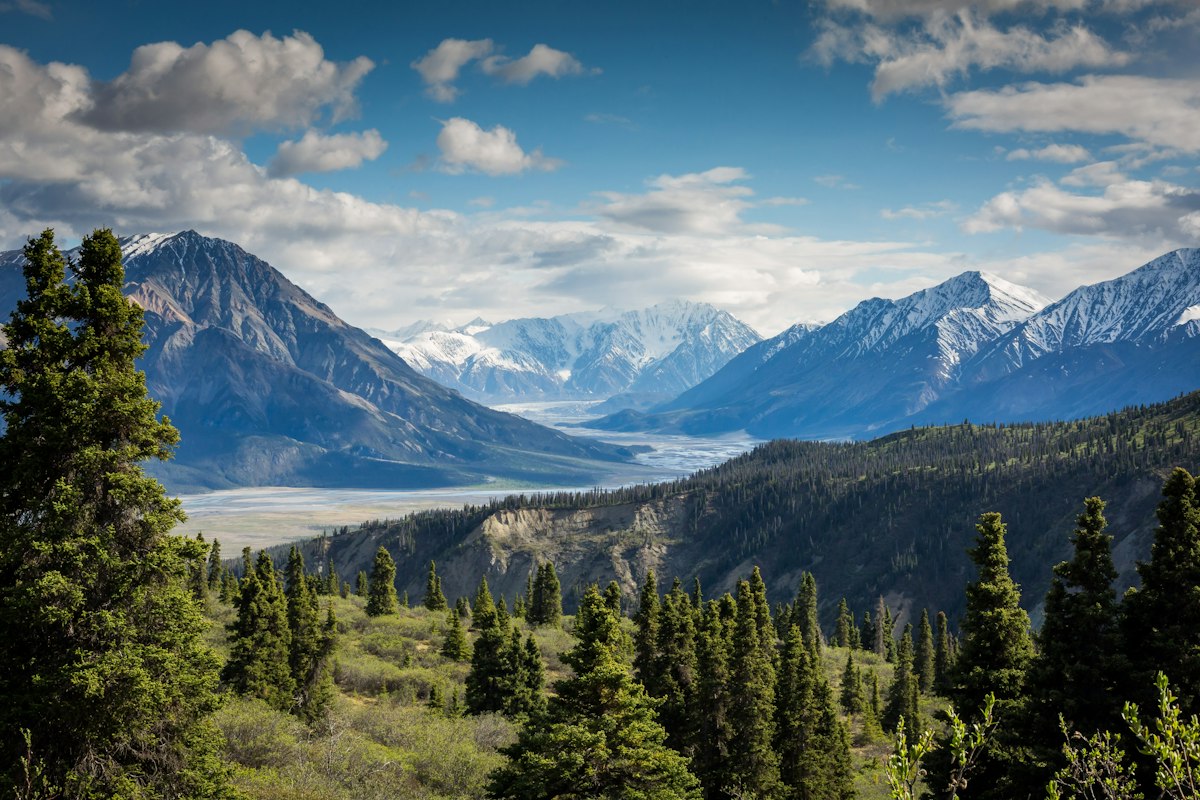
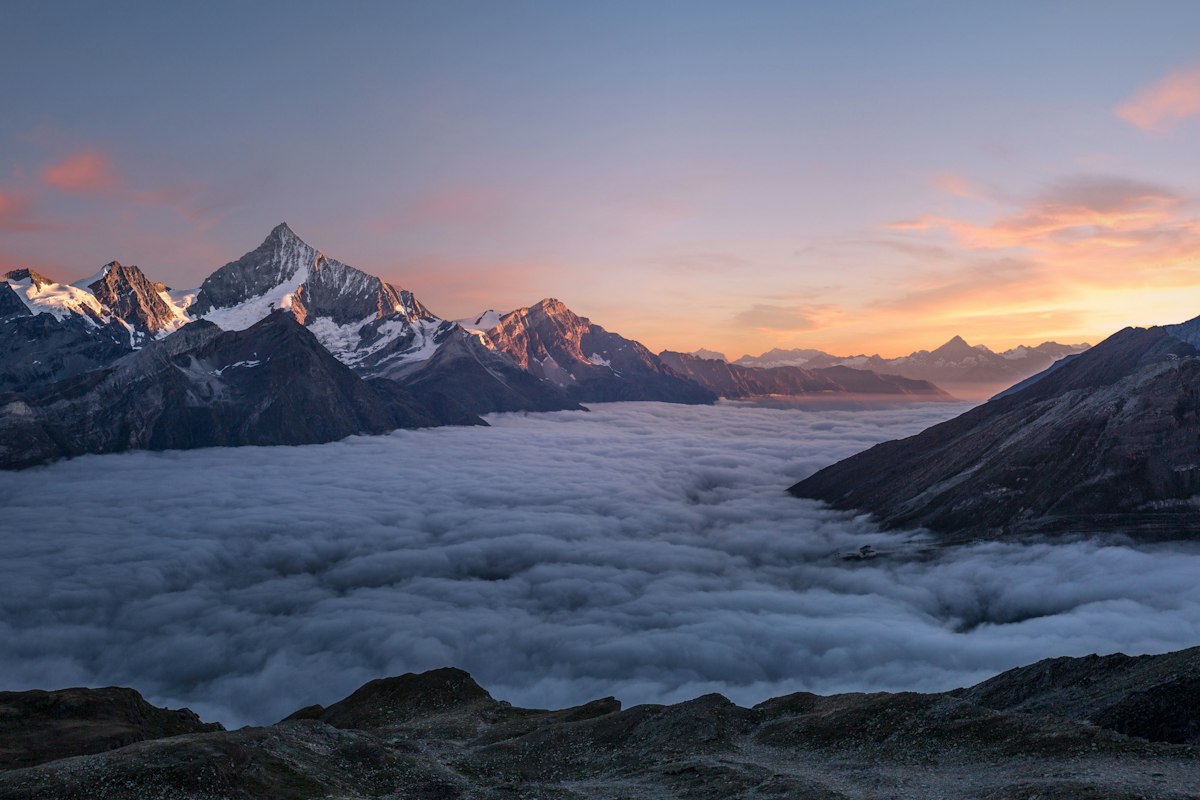
<p>The Banff Lake Louise Ski Traverse is situated in the heart of Banff National Park, one of Canada's most iconic and pristine natural environments. The park is renowned for its stunning mountain landscapes, crystal-clear lakes, and abundant wildlife. The traverse begins near Moraine Lake, a glacial lake known for its vibrant turquoise waters and surrounding peaks. The area is characterized by a diverse range of ecosystems, from dense coniferous forests to alpine meadows and rocky outcrops.</p><p>The Canadian Rockies, which form the backdrop of this ski traverse, are a testament to the geological forces that shaped this region over millions of years. The mountains are part of the Rocky Mountain range, which extends from Canada down to the United States. The peaks in this area are some of the highest in the Canadian Rockies, with many reaching elevations over 3,000 meters. The landscape is a mix of rugged terrain and serene beauty, making it a perfect destination for skiing and other winter activities.</p><p>One of the unique features of the Banff Lake Louise Ski Traverse is the variety of terrain it offers. The route takes you through a range of elevations, from the lower slopes near Moraine Lake to the higher peaks and bowls. This diversity ensures that skiers of different skill levels can find sections that suit their abilities. The snow quality is exceptional, with fresh powder often available, especially after a new snowfall. The dense forests provide shelter and a serene environment, while the open meadows offer panoramic views of the surrounding mountains.</p><p>The area is also home to a rich variety of wildlife, including elk, deer, and even the occasional bear. While skiing, you might catch a glimpse of these animals in their natural habitat, adding an extra layer of excitement to your adventure. The combination of natural beauty, challenging terrain, and wildlife makes the Banff Lake Louise Ski Traverse a must-visit destination for any winter sports enthusiast in Canada.</p>
Key Points of Interest
<p><strong>Moraine Lake:</strong> The starting point of the traverse, Moraine Lake is a stunning glacial lake known for its vibrant turquoise waters. The lake is surrounded by towering peaks, creating a picturesque setting that is perfect for a quick photo stop before you begin your ski adventure.</p><p><strong>Larch Valley:</strong> As you make your way up the valley, you'll pass through Larch Valley, a beautiful alpine meadow that is especially stunning in the fall when the larch trees turn a golden yellow. The valley offers panoramic views of the surrounding peaks and is a great place to take a break and enjoy the scenery.</p><p><strong>Consolation Pass:</strong> This high point on the traverse offers some of the best views of the Canadian Rockies. From the pass, you can see the peaks of Mount Temple, Mount Lefroy, and Mount Victoria. The panoramic vistas are truly breathtaking and make for an excellent photo opportunity.</p><p><strong>Bugaboo Glacier:</strong> As you continue along the route, you'll have the chance to see the Bugaboo Glacier, a massive sheet of ice that stretches down the valley. The glacier is a reminder of the powerful forces that shaped the Canadian Rockies and adds a sense of awe to your ski adventure.</p><p><strong>Consolation Lakes:</strong> These two small alpine lakes are nestled in a bowl surrounded by steep cliffs and snow-covered peaks. The lakes are a serene and peaceful spot to rest and take in the natural beauty of the area.</p><p><strong>Return to Moraine Lake:</strong> After completing the traverse, you'll return to Moraine Lake, where you can reflect on your journey and the incredible views you've experienced. The lake is a perfect place to finish your adventure, with its tranquil waters and stunning surroundings.</p>
Route Waypoints
- Larch Valley: A beautiful alpine meadow known for its golden larch trees in the fall, offering panoramic views of the surrounding mountains.
- Consolation Pass: The highest point on the traverse, providing stunning panoramic views of Mount Temple, Mount Lefroy, and Mount Victoria.
- Bugaboo Glacier: A massive sheet of ice that stretches down the valley, a testament to the region's glacial history.
- Consolation Lakes: Two small alpine lakes nestled in a bowl surrounded by steep cliffs and snow-covered peaks, offering a serene resting spot.
Getting to the Start
<p>To reach the start of the Banff Lake Louise Ski Traverse, you'll need to make your way to the Moraine Lake area in Banff National Park, Canada. The nearest town is Lake Louise, which is approximately 15 kilometers from the trailhead. If you're driving, take the Trans-Canada Highway (Highway 1) to the town of Lake Louise. From there, follow the signs to Moraine Lake, which is located on the Moraine Lake Road. The road is well-maintained and suitable for most vehicles, although it's advisable to check for any winter driving conditions and road closures.</p><p>Once you reach Moraine Lake, you'll find the Moraine Lake Day Use Area, which serves as the main parking area for the ski traverse. The parking lot is large and can accommodate a significant number of vehicles, but it can get busy, especially on weekends and holidays. There is a fee for parking, which helps support the maintenance of the park and its facilities. The parking area is well-marked and easy to find, with clear signage directing you to the trailhead.</p><p>If you're traveling by public transport, there are bus services that run from Banff to Lake Louise. From Lake Louise, you can take a shuttle or arrange for a taxi to Moraine Lake. The shuttle service is a convenient option, especially during the winter months when road conditions can be challenging. It's a good idea to check the schedules and book in advance, as services can be limited during the off-peak season.</p><p>Before you start your adventure, make sure to pick up a trail map and any necessary permits from the Lake Louise Visitor Centre. The visitor centre is a valuable resource, providing information on trail conditions, weather forecasts, and safety guidelines. It's also a great place to meet other skiers and gather tips from experienced locals.</p>
Tips, Safety & Travel
<p>Parking at Moraine Lake is available in the Day Use Area, which is well-maintained and accessible. However, it can get crowded, especially during peak times, so it's a good idea to arrive early or consider carpooling. There is a fee for parking, which helps support the maintenance of the park and its facilities.</p><p>The best time to undertake the Banff Lake Louise Ski Traverse is during the winter months, from December to March. The snow conditions are generally at their best during this period, with fresh powder often available. It's important to check the weather forecast before you start your adventure, as conditions can change rapidly in the mountains. Ideal conditions include clear skies and moderate temperatures, which make for a more enjoyable and safe ski experience.</p><p>When packing for your adventure, make sure to bring the essentials. A well-insulated ski suit, gloves, and a warm hat are a must. Goggles or sunglasses are essential to protect your eyes from the bright sun and snow glare. You should also bring plenty of water and snacks, as well as a first-aid kit and a map of the area. Bear spray is recommended, especially if you're skiing in areas where bears are known to frequent.</p><p>Safety is paramount when skiing in the Canadian Rockies. Always ski with a partner or a group, and make sure someone knows your route and expected return time. Be aware of avalanche risks, especially in steep, snow-covered areas. Check the avalanche forecast and avoid areas that are at high risk. If you're unsure about the conditions, it's best to err on the side of caution and choose a safer route.</p><p>Weather and terrain hazards are common in the mountains, so it's important to be prepared. Sudden changes in weather, such as snowstorms or strong winds, can make conditions challenging. Always carry a GPS device or a map and compass to navigate, and be prepared to turn back if conditions become too dangerous. In the event of an emergency, the nearest medical facilities are in Lake Louise, but it's always best to prevent emergencies by being well-prepared and making safe choices.</p>
Wildlife & Nature Highlights
<p>The Banff Lake Louise Ski Traverse is not only a haven for skiers but also a thriving ecosystem that supports a diverse array of wildlife. As you ski through the Canadian Rockies, you'll have the opportunity to observe various species of flora and fauna that call this region home. The dense forests along the route are primarily composed of lodgepole pine, Engelmann spruce, and subalpine fir, providing a lush and sheltered environment for wildlife.</p><p>One of the most common animals you might encounter is the elk. These majestic creatures are often seen grazing in the meadows, especially during the early morning and late afternoon. If you're lucky, you might also spot a herd of deer, which are known to frequent the area. Both elk and deer are relatively shy, so it's important to maintain a safe distance and avoid disturbing them.</p><p>Bears, both black and grizzly, also inhabit the region. While bear sightings are less frequent, it's essential to be aware of their presence and take appropriate precautions. Always carry bear spray and know how to use it. If you do encounter a bear, remain calm, speak in a firm, calm voice, and slowly back away without turning your back on the bear.</p><p>The area is also home to a variety of smaller mammals, including snowshoe hares, squirrels, and marmots. These animals are often seen scurrying through the underbrush or sunning themselves on rocky outcrops. The presence of these smaller creatures adds to the vibrant ecosystem of the Canadian Rockies.</p><p>Birdwatchers will also find plenty to observe along the ski traverse. The forests and meadows are home to a variety of bird species, including the Canada jay, Clark's nutcracker, and the white-tailed ptarmigan. The ptarmigan is particularly interesting, as it changes its plumage to a snowy white in the winter to blend in with its surroundings.</p><p>The geology of the area is equally fascinating. The Canadian Rockies are part of the Rocky Mountain range, which was formed by tectonic activity over millions of years. The mountains are composed of sedimentary rocks, including limestone and shale, which have been uplifted and eroded over time. The result is a landscape of dramatic peaks, deep valleys, and glacial lakes, such as Moraine Lake, which are a testament to the region's geological history.</p>
Tags
- skiing
- Canadian Rockies
- winter adventure
- Moraine Lake
- Banff National Park
- outdoor activities
- alpine scenery
- wildlife