Activity: Cycling | Difficulty: Moderate | Location: Central Belt, Scotland
The Coast to Coast Scotland Bikepacking: Central Belt Cycling Adventure is a 20 km point-to-point route with moderate difficulty. The terrain includes a mix of flat and rolling hills, with some challenging climbs and rewarding descents.
Adventure Statistics
- Distance: 20.0km
- Duration: 49m
- Elevation Gain: 80m
- Max Elevation: 80m
- Calories Burned: 495
- Best Seasons: Spring, Summer, Fall
- Features: Canal, Village, Historic_site, River, Forest, Viewpoint
Photos
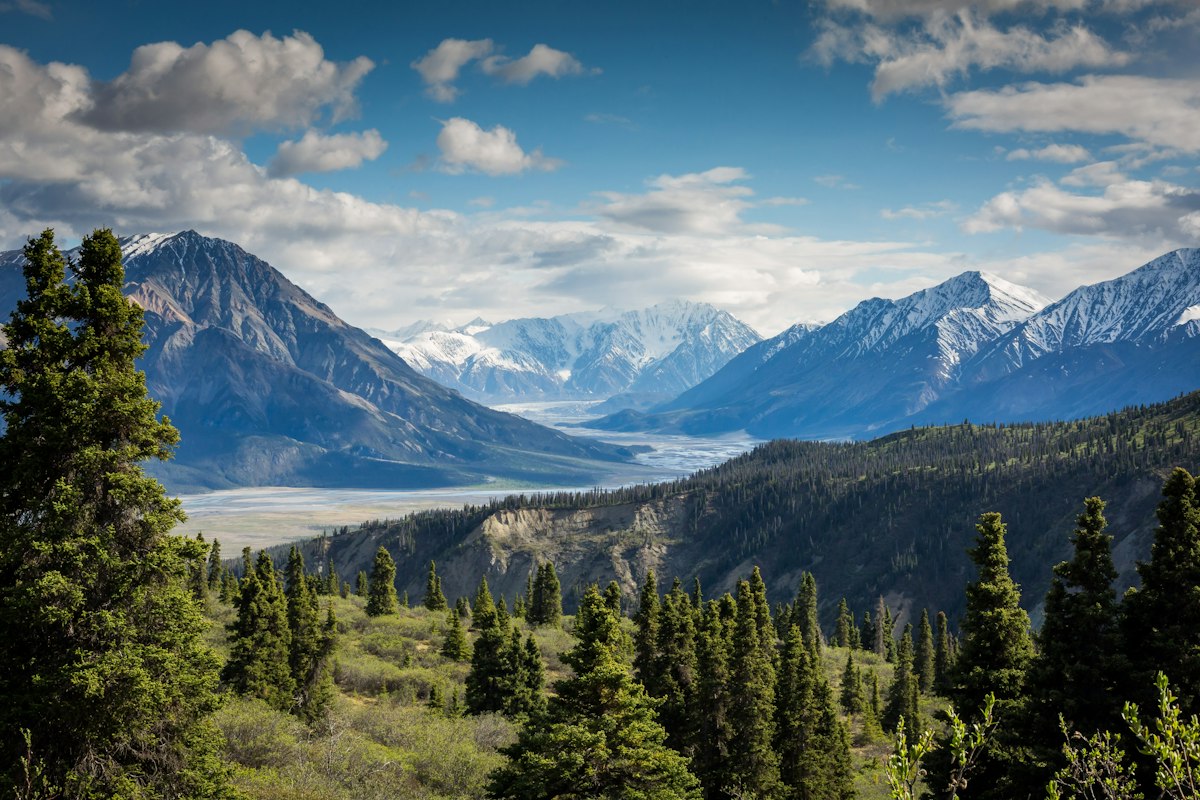


Location Overview
<p>The Central Belt of Scotland is a region that offers a diverse and captivating landscape, making it an ideal destination for cycling enthusiasts. Spanning from the coastal areas of the Firth of Forth to the rolling hills and picturesque villages inland, this region is a mosaic of natural beauty and historical significance. The landscape is characterized by a mix of coastal plains, rolling hills, and dense woodlands, providing a variety of terrains that cater to different skill levels and preferences.</p><p>One of the most striking features of the Central Belt is the Forth and Clyde Canal, a historic waterway that stretches from Grangemouth to Bowling. The canal not only serves as a navigable route for boats but also as a scenic pathway for cyclists and walkers. The towpath is well-maintained and offers a relatively flat and smooth surface, making it accessible for cyclists of all ages and abilities. Along the canal, you'll find a variety of flora and fauna, including waterfowl, wildflowers, and trees that provide a natural canopy over the path.</p><p>The region is also home to several small towns and villages, each with its own unique charm and character. From the coastal town of Bo'ness, with its historic harbor and charming streets, to the picturesque village of Strathaven, known for its 16th-century Tolbooth and vibrant High Street, the Central Belt offers a blend of natural beauty and cultural heritage. The area is dotted with historic sites, including ancient ruins, old churches, and historic buildings, providing a rich tapestry of Scotland's past.</p><p>The Central Belt is not only a beautiful place to cycle but also a region with a rich history and a strong sense of community. The local people are friendly and welcoming, and you'll find plenty of opportunities to stop and explore the local culture, from visiting local museums and galleries to sampling traditional Scottish cuisine in the many cafes and restaurants along the way. Whether you're looking for a challenging ride or a leisurely cycle, the Central Belt of Scotland is a destination that offers something for everyone.</p>
Key Points of Interest
<p>One of the first highlights of the route is the Bo'ness Waterfront, where you can take in the views of the Firth of Forth and the historic Bo'ness Harbour. The waterfront is a bustling area with cafes, shops, and a vibrant atmosphere, making it a great place to start your journey.</p><p>As you cycle out of Bo'ness, you'll soon reach the Forth and Clyde Canal. The towpath along the canal is a highlight of the route, offering a flat and scenic section of the ride. The canal itself is a historic waterway that played a crucial role in Scotland's industrial past, and you'll see remnants of this history along the way, including old locks and bridges.</p><p>The village of Bonnybridge is another key point on the route, with its charming High Street and local cafes. This is a great place to stop for a refreshment and to explore the village's historic sites, including the Bonnybridge War Memorial and the local church.</p><p>As you continue your journey, you'll reach the town of Kirkintilloch, known for its historic tolbooth and the Antonine Wall, a Roman fortification that once marked the northern boundary of the Roman Empire. The town has a rich history and offers several points of interest, including the Kirkintilloch Heritage Centre and the nearby Roman Fort.</p><p>The final highlight of the route is the picturesque village of Strathaven. The village is known for its 16th-century Tolbooth, a historic building that now houses a museum. The High Street is lined with charming shops and cafes, and the surrounding countryside offers stunning views of the rolling hills and farmland.</p><p>Throughout the route, you'll encounter several small streams and rivers, which provide a habitat for fish and other aquatic life. These waterways are an important part of the region's ecosystem and add to the natural beauty of the landscape.</p>
Route Waypoints
- Forth and Clyde Canal Towpath: A scenic and well-maintained path that follows the historic canal, offering flat and smooth terrain.
- Bonnybridge Village: A charming village with local cafes and historic sites, including the Bonnybridge War Memorial.
- Kirkintilloch Town: Home to the historic tolbooth and the Antonine Wall, this town offers a glimpse into Scotland's rich history.
- Strathaven Village: The final destination of the route, known for its 16th-century Tolbooth and picturesque High Street.
- Strathaven Hills: A series of rolling hills with stunning views of the surrounding countryside and farmland.
- Strathaven River: A small river that provides a habitat for fish and other aquatic life, adding to the natural beauty of the landscape.
Getting to the Start
<p>To reach the start point of the Coast to Coast Scotland Bikepacking: Central Belt Cycling Adventure, you'll need to head to the coastal town of Bo'ness. Bo'ness is located in the Falkirk Council area, approximately 20 miles east of Glasgow and 30 miles west of Edinburgh. The town is easily accessible by both car and public transport, making it a convenient starting point for your cycling journey.</p><p>If you're driving, the most direct route to Bo'ness is via the M8 motorway. From Glasgow, take the M8 eastbound and exit at Junction 1A, following signs for Bo'ness. From Edinburgh, take the M8 westbound and exit at Junction 1A, also following signs for Bo'ness. Once in the town, you can park at the Bo'ness Waterfront Car Park, located near the harbor. The car park is spacious and offers free parking, making it an ideal spot to leave your vehicle while you set off on your cycling adventure.</p><p>For those traveling by public transport, Bo'ness is served by the Bo'ness & Kinneil railway station, which is located on the main line between Glasgow and Edinburgh. The station is a short walk from the town center and the start of the cycling route. Trains run frequently throughout the day, with journey times from Glasgow and Edinburgh typically taking around 30-40 minutes. If you're planning to cycle back to your starting point, you can also use the train to return, making the journey more convenient and environmentally friendly.</p>
Tips, Safety & Travel
<p>The Coast to Coast Scotland Bikepacking: Central Belt Cycling Adventure is a well-maintained route that offers a mix of flat and rolling terrain, making it suitable for cyclists of various skill levels. However, there are a few practical tips and safety considerations to keep in mind to ensure a smooth and enjoyable ride.</p><p>Parking is available at the Bo'ness Waterfront Car Park, which is spacious and offers free parking. The car park is located near the start of the route and is easily accessible from the main roads. If you're traveling by public transport, the Bo'ness & Kinneil railway station is a short walk from the town center and the start of the cycling route.</p><p>The best time to undertake this route is during the spring and summer months, when the weather is generally mild and the days are longer. However, it's important to check the weather forecast before setting out, as Scotland can experience sudden changes in weather conditions. Dressing in layers and bringing waterproof gear is recommended, even on a sunny day.</p><p>For safety, it's essential to wear a helmet and to ensure that your bike is in good working condition. The route includes a mix of paved roads and gravel paths, so a hybrid or mountain bike would be ideal. You should also carry a basic repair kit, including a spare tube, pump, and tools, in case of any mechanical issues.</p><p>While the route is generally well-marked, it's a good idea to bring a map or a GPS device to help navigate the more remote sections. Stay hydrated and bring plenty of water, as well as snacks and a packed lunch if you plan to cycle the entire route in one day. There are several places along the route where you can stop for refreshments, but it's always better to be prepared.</p><p>In terms of terrain, the route is mostly flat or gently rolling, with a few short climbs. The towpath along the Forth and Clyde Canal is well-maintained and suitable for all types of bikes, while the rural roads and paths are generally in good condition. However, some sections may be uneven or have loose gravel, so it's important to ride at a safe speed and to be aware of your surroundings.</p>
Wildlife & Nature Highlights
<p>The Central Belt of Scotland is home to a rich and diverse range of flora and fauna, making it a paradise for nature enthusiasts. As you cycle along the route, you'll have the opportunity to observe a variety of wildlife, from common species to more elusive creatures. One of the most notable natural features of the region is the Forth and Clyde Canal, which serves as a habitat for a wide range of waterfowl and aquatic plants. You're likely to spot ducks, geese, and swans swimming along the canal, as well as herons and kingfishers perched on the banks.</p><p>The woodlands and hedgerows that line the route are home to a variety of bird species, including robins, blackbirds, and finches. In the early morning or late evening, you might catch a glimpse of deer grazing in the fields or foxes making their way through the undergrowth. The region is also known for its wildflowers, with species such as bluebells, foxgloves, and wild garlic blooming in the spring and summer months. These flowers not only add a splash of color to the landscape but also attract a variety of insects, including butterflies and bees.</p><p>As you cycle through the rolling hills and farmland, you'll encounter a variety of geology and natural features. The region is characterized by a mix of sedimentary and metamorphic rocks, which have been shaped by millions of years of geological processes. The hills and valleys are a result of glacial activity during the last Ice Age, and you'll see evidence of this in the rounded hills and deep valleys that dot the landscape. The area is also home to several small streams and rivers, which provide a habitat for fish and other aquatic life.</p><p>For those interested in geology, the Central Belt offers a unique opportunity to explore the region's geological history. The town of Bo'ness, for example, is located on the site of an ancient coalfield, and you can still see the remnants of old mines and quarries in the surrounding area. The nearby Kinneil Estate is home to a variety of geological features, including exposed rock formations and fossil beds, which provide a glimpse into the region's prehistoric past.</p>
Tags
- cycling
- Scotland
- Coast to Coast
- Central Belt
- historic sites
- rural roads
- scenic views
- canal towpath