Activity: Climbing | Difficulty: Moderate | Location: British Columbia, Canada
The Squamish Chief Granite Slabs offer a moderate climbing experience with high-quality granite routes and stunning views. The terrain is primarily granite slabs and boulders, and the route is an out-and-back climb.
Adventure Statistics
- Distance: 5.5km
- Duration: 2h 19m
- Elevation Gain: 600m
- Max Elevation: 700m
- Calories Burned: 1311
- Best Seasons: Spring, Summer, Fall, Winter
- Features: Viewpoint, Summit, Forest, Wildlife_viewing, Parking
Photos
Location Overview
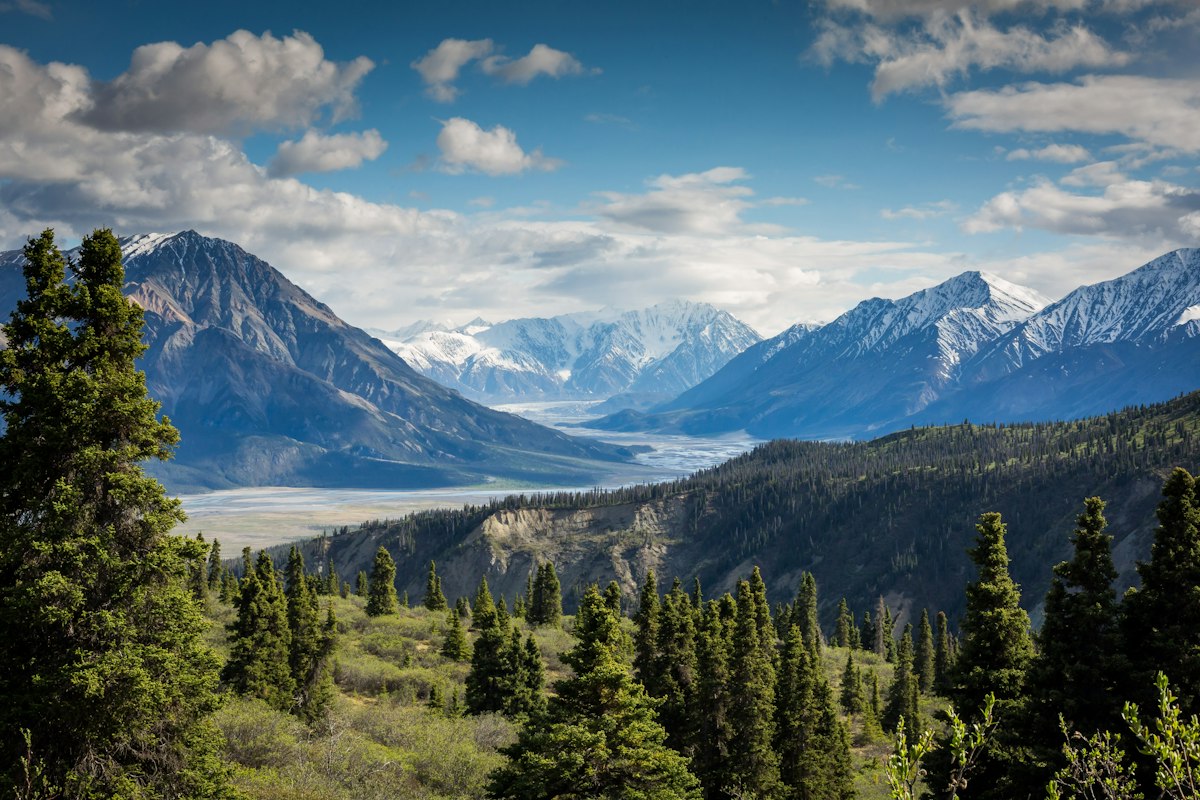
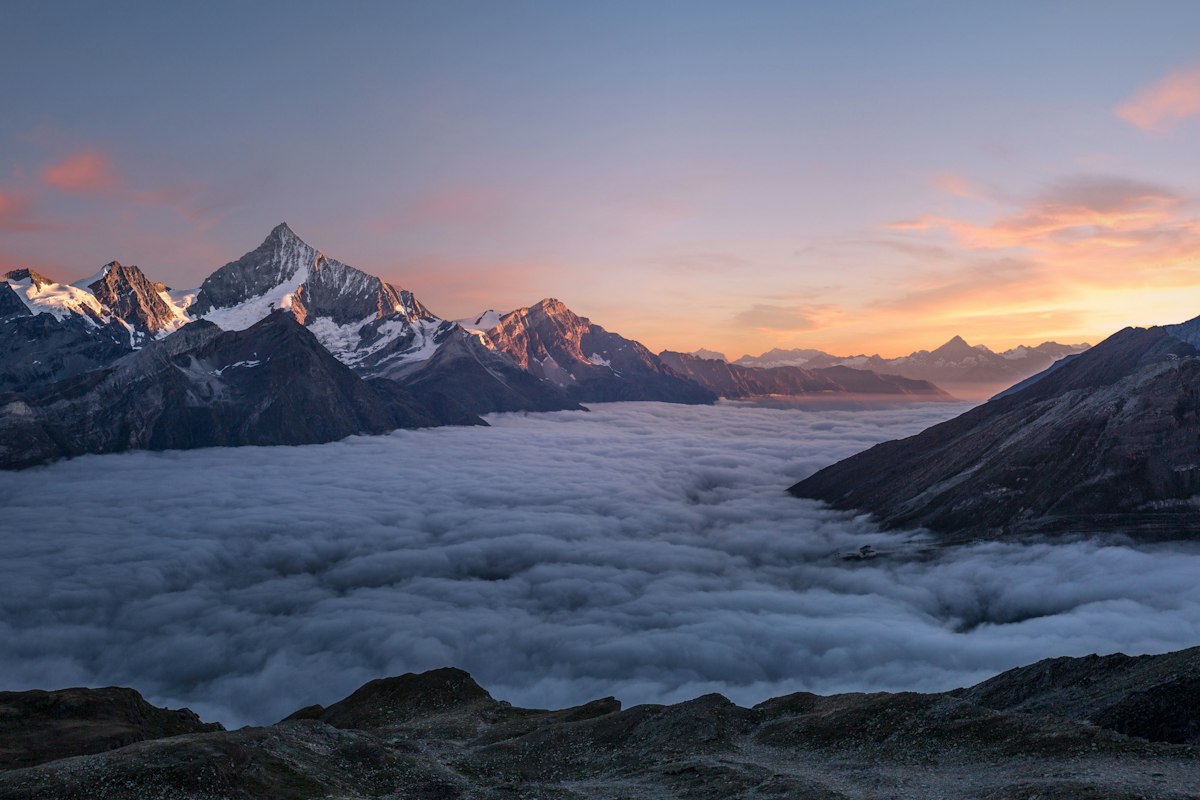
<p>The Squamish Chief is located in the Sea to Sky Country region of British Columbia, Canada, just a short drive north of Vancouver. This area is known for its dramatic landscapes, which include towering mountains, pristine lakes, and dense forests. The Chief itself is a massive granite monolith that rises dramatically from the surrounding landscape, creating a striking contrast between the rugged rock and the lush greenery below.</p><p>The Squamish Chief is part of the Stawamus Chief Provincial Park, which is managed by the British Columbia Ministry of Environment. The park is a popular destination for outdoor enthusiasts, offering a variety of activities beyond climbing, such as hiking, mountain biking, and wildlife viewing. The park is home to a diverse range of flora and fauna, making it a great place to explore and appreciate the natural beauty of British Columbia.</p><p>The Chief is particularly renowned for its climbing routes, which are some of the best in North America. The granite slabs are known for their high-quality rock, which is ideal for both sport and traditional climbing. The routes range from beginner-friendly to expert-level, ensuring that there is something for everyone. The park is also home to a number of bouldering areas, which are perfect for those looking to warm up or practice their skills.</p><p>One of the most appealing aspects of the Squamish Chief is its accessibility. The park is easily accessible from Vancouver, making it a popular day-trip destination for both locals and tourists. The well-maintained trails and parking areas make it easy to get started on your climbing adventure, and the friendly local community is always ready to offer advice and support.</p>
Key Points of Interest
<p><strong>Chief Parking Lot:</strong> The adventure begins at the Chief Parking Lot, located at the base of the monolith. This is where you'll find the trailhead for the climbing routes. The parking lot is well-maintained and provides easy access to the start of your climb.</p><p><strong>The Chief Trail:</strong> From the parking lot, follow the Chief Trail, which is a well-marked and well-maintained path that leads to the base of the granite slabs. The trail is relatively flat and easy to navigate, making it a great warm-up for the climb ahead.</p><p><strong>The Base of the Chief:</strong> As you approach the base of the Chief, you'll be struck by the sheer size and grandeur of the granite monolith. This is where the real climbing begins. The base of the Chief is home to a variety of climbing routes, each offering a unique challenge and experience.</p><p><strong>First Pinnacle:</strong> The First Pinnacle is one of the most popular climbing areas on the Chief. It offers a range of routes that cater to different skill levels, from beginner to advanced. The views from the top of the First Pinnacle are stunning, with panoramic vistas of the Howe Sound and the surrounding mountains.</p><p><strong>Second Pinnacle:</strong> The Second Pinnacle is slightly more challenging than the First Pinnacle, but the rewards are equally impressive. The routes here are known for their high-quality rock and excellent friction, making them a favorite among experienced climbers.</p><p><strong>Third Pinnacle:</strong> The Third Pinnacle is the highest and most challenging of the three. It offers some of the most technical routes on the Chief, with a variety of overhangs and cracks to test your skills. The views from the top of the Third Pinnacle are nothing short of spectacular, with a 360-degree panorama of the surrounding landscape.</p><p><strong>Summit:</strong> Reaching the summit of the Squamish Chief is a rewarding experience that is well worth the effort. The summit offers a birds-eye view of the Howe Sound, the Coast Mountains, and the lush forests that blanket the region. It's a great place to take a break, enjoy the views, and reflect on your climb.</p>
Route Waypoints
- Chief Trailhead: The start of the Chief Trail, which leads to the base of the granite slabs.
- Base of the Chief: The starting point for the climbing routes, offering a variety of options for different skill levels.
- First Pinnacle: A popular climbing area with routes for beginners and advanced climbers.
- Second Pinnacle: More challenging routes with excellent views of the Howe Sound and surrounding mountains.
- Third Pinnacle: The highest and most technical routes on the Chief, with stunning panoramic views.
- Summit: The highest point of the Chief, offering a 360-degree panorama of the surrounding landscape.
Getting to the Start
<p>To reach the Squamish Chief, start by driving north from Vancouver on Highway 99, also known as the Sea to Sky Highway. The drive is approximately 45 minutes and offers stunning views of the Howe Sound and the Coast Mountains. As you approach Squamish, look for signs directing you to the Stawamus Chief Provincial Park. The park entrance is located just off Highway 99, and there is a well-marked turnoff that leads to the parking area.</p><p>The parking area for the Squamish Chief is located at the base of the monolith and is easily accessible by car. The parking lot is large and can accommodate a significant number of vehicles, but it can get busy, especially on weekends and during the summer months. There is a small fee to park, which helps support the maintenance of the park. If you're planning to visit during peak times, it's a good idea to arrive early to secure a spot.</p><p>If you're traveling by public transport, there are bus services that run from Vancouver to Squamish. The Squamish Transit System operates a bus that stops near the park entrance, making it possible to reach the Chief without a car. However, the bus schedules can be limited, so it's a good idea to check the timetable in advance to plan your trip accordingly.</p>
Tips, Safety & Travel
<p><strong>Parking:</strong> The Chief Parking Lot is the main starting point for your climbing adventure. The parking lot is large and can accommodate a significant number of vehicles, but it can get busy, especially on weekends and during the summer months. There is a small fee to park, which helps support the maintenance of the park. If you're planning to visit during peak times, it's a good idea to arrive early to secure a spot.</p><p><strong>Best Conditions and Season:</strong> The best time to climb the Squamish Chief is during the spring and summer months, when the weather is generally mild and the days are longer. However, the Chief can be climbed year-round, and many climbers enjoy the challenge of winter climbing. The park is generally open from early morning to late evening, but it's a good idea to check the park's official website for the most up-to-date information.</p><p><strong>What to Bring:</strong> When climbing the Squamish Chief, it's important to be well-prepared. Essential items to bring include a helmet, climbing shoes, a harness, a chalk bag, and a rope. It's also a good idea to bring plenty of water, snacks, and a first-aid kit. If you're planning to spend more than a few hours on the Chief, consider bringing a lightweight backpack to carry your gear.</p><p><strong>Safety Advice:</strong> Climbing the Squamish Chief can be challenging, so it's important to take safety seriously. Always climb with a partner and use proper safety equipment. Be aware of weather conditions, as strong winds and rain can make the rock slippery and dangerous. If you're new to climbing, consider taking a course or climbing with an experienced guide. It's also a good idea to let someone know your planned route and expected return time.</p><p><strong>Weather and Terrain Hazards:</strong> The Squamish area is known for its changeable weather, so it's important to be prepared for a range of conditions. Strong winds can be a hazard, especially at higher elevations, and rain can make the rock slippery and dangerous. The terrain on the Chief is generally stable, but there are some loose rocks and scree fields that can be hazardous. Always be aware of your surroundings and take appropriate precautions.</p><p><strong>Emergency Notes:</strong> In the event of an emergency, the nearest hospital is in Squamish, which is a short drive from the Chief. The park has a well-marked trail system, and most areas are accessible by cell phone. If you need to call for help, dial 911 and provide your location as accurately as possible. It's also a good idea to carry a whistle or other signaling device in case you need to attract attention.</p>
Wildlife & Nature Highlights
<p>The Squamish Chief and the surrounding Stawamus Chief Provincial Park are home to a diverse range of flora and fauna. The park's diverse ecosystems support a variety of plant and animal species, making it a great place for nature enthusiasts to explore. As you climb the granite slabs, keep an eye out for the following:</p><p><strong>Flora:</strong> The forests around the Chief are dominated by Douglas fir, western red cedar, and hemlock. These trees provide a lush canopy that shelters a variety of understory plants, including salal, huckleberry, and sword fern. In the spring and summer, the park is adorned with wildflowers such as Indian paintbrush, lupine, and wild iris.</p><p><strong>Wildlife:</strong> The park is home to a variety of wildlife, including black bears, cougars, and coyotes. While these animals are generally shy and avoid human contact, it's important to be aware of their presence and take appropriate precautions. Smaller mammals such as squirrels, chipmunks, and rabbits are more commonly seen, and they can often be spotted scurrying around the base of the Chief.</p><p><strong>Birds:</strong> The Squamish area is a haven for birdwatchers, with a wide variety of species to observe. Common birds include the Steller's jay, the raven, and the pileated woodpecker. During the spring and summer, you might also spot migratory birds such as the Townsend's warbler and the Pacific-slope flycatcher.</p><p><strong>Geology:</strong> The Squamish Chief is a prime example of the region's unique geology. The granite monolith was formed over 100 million years ago during the Jurassic period. The rock is part of the Coast Plutonic Complex, which is a vast expanse of granitic and granodioritic rock that extends along the coast of British Columbia. The Chief's distinctive shape is the result of millions of years of erosion, which has carved the rock into its current form.</p>
Tags
- climbing
- granite slabs
- moderate difficulty
- panoramic views
- British Columbia
- Squamish Chief
- outdoor adventure
- rock climbing