Activity: Climbing | Difficulty: Moderate | Location: Hautes-Alpes, France
The Ceuse Limestone Sport Routes in Hautes-Alpes, France, offer a range of climbing challenges on pristine limestone cliffs. The routes are well-bolted and vary in difficulty, from easy multi-pitch climbs to advanced single-pitch routes. The terrain is primarily out-and-back, with clear trails leading to the base of the cliffs.
Adventure Statistics
- Distance: 5.5km
- Duration: 2h 19m
- Elevation Gain: 350m
- Max Elevation: 1300m
- Calories Burned: 1311
- Best Seasons: Spring, Summer, Fall
- Features: Viewpoint, Forest, Spring, Cave, Climbing, Trail
Photos
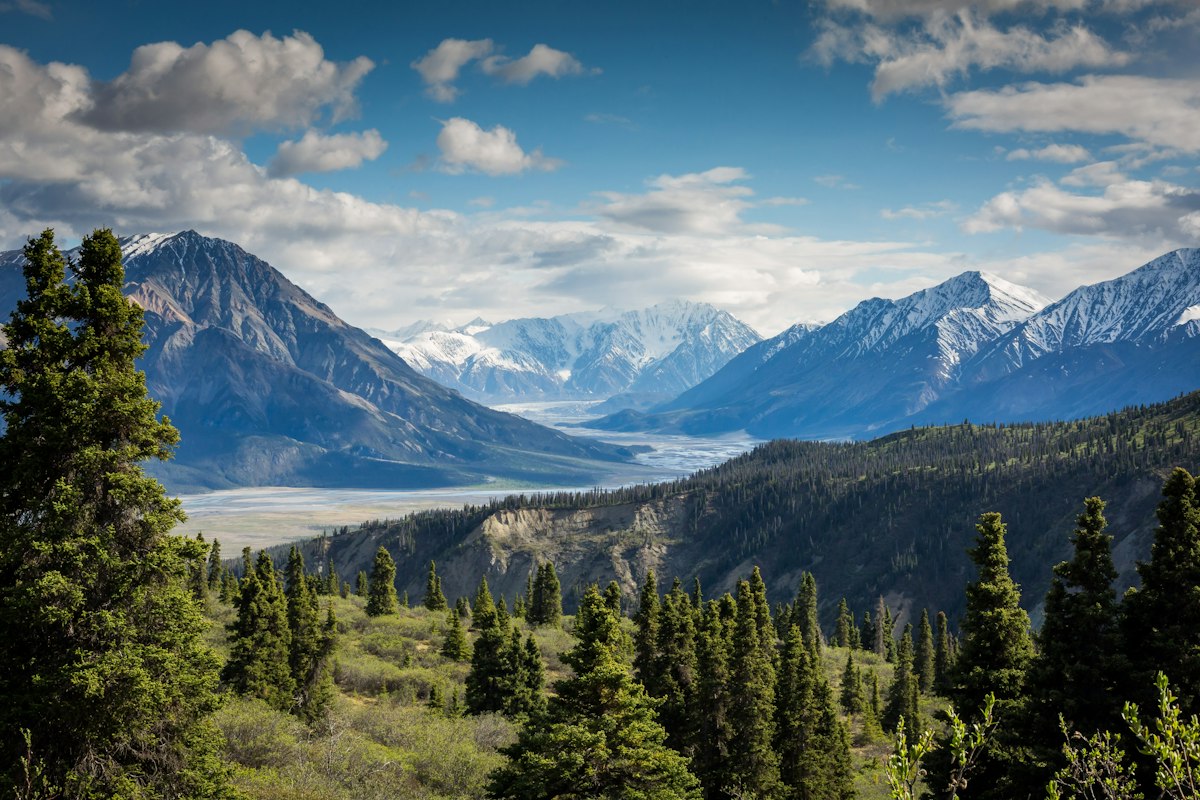
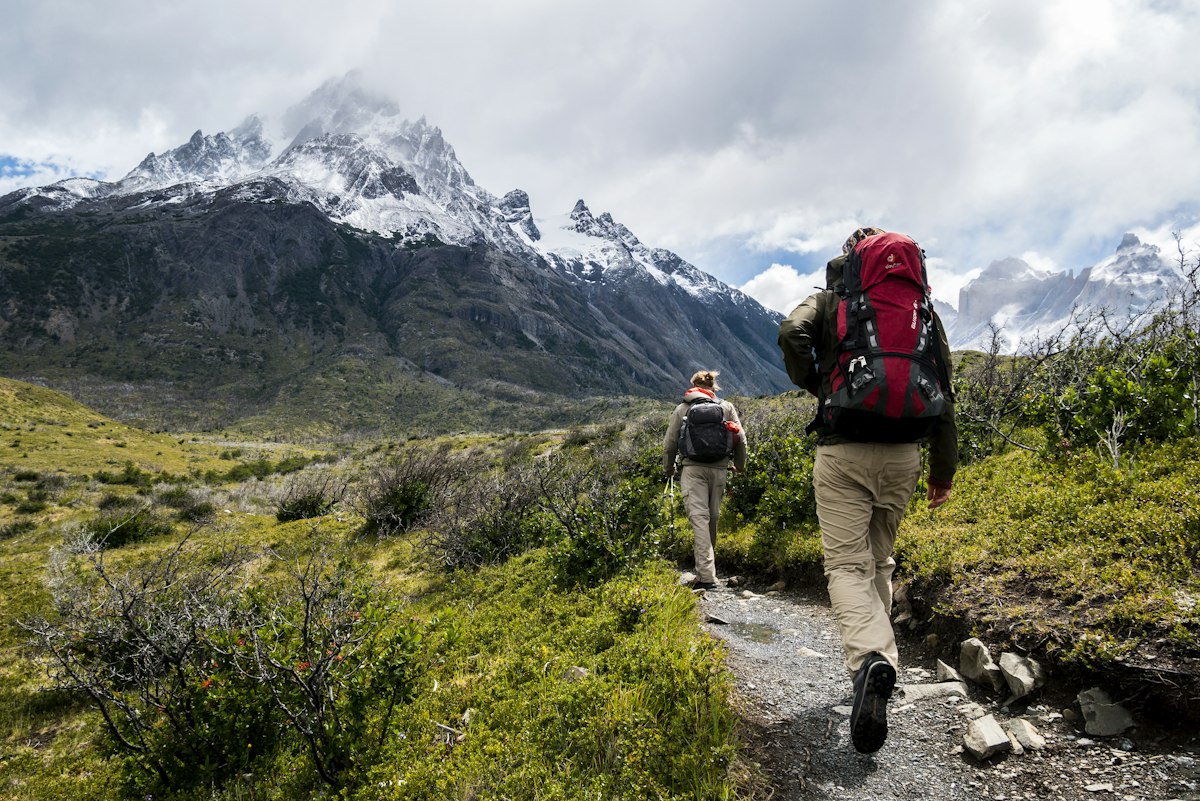

Location Overview
<p>The Ceuse Limestone Sport Routes are located in the Hautes-Alpes department of France, approximately 150 kilometers north of Nice and 120 kilometers east of Grenoble. This region is part of the French Alps and is known for its dramatic landscapes and pristine natural beauty. The area around Ceuse is characterized by dense forests, clear streams, and towering limestone cliffs that rise dramatically from the valley floor. The cliffs are part of a larger geological formation known as the Triassic limestone, which is millions of years old and provides an ideal surface for climbing.</p><p>The village of Ceuse itself is a small, picturesque community that serves as the gateway to the climbing area. The village is surrounded by lush greenery and offers a tranquil setting for climbers to relax and prepare for their adventures. The proximity to the cliffs makes it easy to access the climbing routes, and there are several accommodations available in the area, ranging from cozy bed-and-breakfasts to more luxurious options. The local economy is heavily reliant on tourism, and the community is welcoming to visitors, providing a warm and friendly atmosphere.</p><p>One of the main reasons why Ceuse is a great destination for climbing is the quality of the rock. The limestone here is known for its excellent friction and varied textures, which make it suitable for a wide range of climbing styles. The cliffs are well-bolted, and the routes are well-maintained, ensuring a safe and enjoyable experience. The area is also home to a variety of flora and fauna, adding to the overall appeal of the region. Whether you're a seasoned climber or a beginner, the Ceuse Limestone Sport Routes in France offer a unique and rewarding climbing experience.</p>
Key Points of Interest
<p>One of the most iconic landmarks in the Ceuse Limestone Sport Routes is the Grand Pilier, a massive limestone pillar that rises dramatically from the valley floor. The Grand Pilier is a popular starting point for many of the routes and offers a stunning viewpoint of the surrounding landscape. The pillar is well-bolted and provides a range of climbing options, from easy multi-pitch routes to more challenging single-pitch climbs.</p><p>Another highlight of the area is the Cigale Sector, which is known for its overhanging routes and technical challenges. The Cigale Sector is home to several famous routes, including the classic 'La Cigale' (7a), which is a 30-meter single-pitch climb that features a series of powerful moves over a steep overhang. The sector is well-shaded and provides a cooler climbing environment, making it a popular choice during the summer months.</p><p>The Fontaine de la Vache is a natural spring located near the base of the cliffs, providing a refreshing water source for climbers. The spring is surrounded by a small clearing and is a popular spot for rest and hydration. The area around the spring is also home to a variety of wildflowers, which add a splash of color to the landscape.</p><p>The Grotte de la Vache is a small cave located near the Fontaine de la Vache. The cave is a popular spot for climbers to take a break and enjoy the cool, shaded environment. The entrance to the cave is marked by a natural rock formation, and the interior is spacious enough to accommodate a small group. The cave is also home to a variety of stalactites and stalagmites, which add to its geological interest.</p><p>The Col de la Croix Haute is a high point on the route that offers panoramic views of the surrounding mountains and valleys. The col is accessible via a well-marked trail and provides a perfect spot for a rest and a picnic. The views from the col are particularly stunning during sunrise and sunset, making it a popular spot for photographers and nature enthusiasts.</p><p>The Sentier des Crêtes is a scenic hiking trail that runs along the ridgeline of the cliffs, offering a different perspective on the climbing routes. The trail is well-maintained and provides a range of viewpoints, including several overlooks that offer sweeping views of the valley below. The trail is also a good option for those who want to enjoy the natural beauty of the area without engaging in technical climbing.</p>
Route Waypoints
- Grand Pilier: A massive limestone pillar that serves as a popular starting point for many climbing routes.
- Cigale Sector: Known for its overhanging routes and technical challenges, the Cigale Sector is home to several famous climbs.
- Fontaine de la Vache: A natural spring that provides a refreshing water source and a rest spot for climbers.
- Grotte de la Vache: A small cave that offers a cool, shaded environment and geological interest.
- Col de la Croix Haute: A high point on the route that offers panoramic views of the surrounding mountains and valleys.
- Sentier des Crêtes: A scenic hiking trail that runs along the ridgeline of the cliffs, providing different viewpoints.
Getting to the Start
<p>To reach the Ceuse Limestone Sport Routes, the nearest major town is Gap, which is about 60 kilometers away. From Gap, take the D104 road towards Sisteron, and then turn onto the D999. Continue on the D999 for about 20 kilometers until you reach the village of Ceuse. The village is well-signposted, and the road is well-maintained, making it easy to navigate. If you're coming from the north, you can take the A51 motorway to Sisteron and then follow the D999 to Ceuse.</p><p>Once you arrive in Ceuse, you'll find a dedicated car park located near the village center. The car park is large enough to accommodate several vehicles and is free to use. It's a popular spot for climbers, so it can get busy during peak seasons. If you're planning to visit during the summer months, it's a good idea to arrive early to secure a parking spot. The car park is also equipped with basic facilities, including restrooms and picnic areas, making it a convenient starting point for your climbing adventure.</p><p>For those traveling by public transport, the nearest train station is in Gap, which is served by regional trains. From Gap, you can take a bus or taxi to Ceuse. The bus service is limited, so it's advisable to check the schedules in advance. Taxis are readily available in Gap and can be booked in advance for a more convenient and direct trip to Ceuse. Once you arrive in Ceuse, the climbing area is a short walk from the village center, and the trails are well-marked, making it easy to find your way to the base of the cliffs.</p>
Tips, Safety & Travel
<p>Parking at the Ceuse Limestone Sport Routes is available in the dedicated car park near the village center. The car park is free to use and can accommodate several vehicles, but it can get busy during peak seasons. If you're planning to visit during the summer months, it's a good idea to arrive early to secure a parking spot. The car park is also equipped with basic facilities, including restrooms and picnic areas, making it a convenient starting point for your climbing adventure.</p><p>The best conditions for climbing in Ceuse are typically during the spring and fall months, when the temperatures are mild and the rock is dry. The summer months can be hot, but the shaded sectors and the natural springs provide a cooler environment for climbing. The winter months can be cold and wet, and some routes may be affected by ice and snow, so it's important to check the weather forecast and route conditions before planning your trip.</p><p>When climbing in Ceuse, it's essential to bring the right equipment and supplies. A full set of climbing gear, including a helmet, harness, and climbing shoes, is necessary. It's also a good idea to bring a chalk bag, a belay device, and a set of quickdraws. For longer routes, a rope and a set of slings are recommended. In terms of clothing, it's best to dress in layers and wear comfortable, breathable fabrics. A hat and sunscreen are also essential, especially during the summer months.</p><p>Safety is paramount when climbing in Ceuse. The routes are well-bolted, but it's important to inspect the bolts and anchors before use. Always use a climbing helmet to protect against falling rocks and other hazards. It's also a good idea to climb with a partner and to use a belay device for added safety. If you're new to the area, it's advisable to climb with a guide or to seek advice from experienced climbers.</p><p>The weather in the Hautes-Alpes can be unpredictable, so it's important to check the forecast before your trip. Sudden changes in weather can occur, particularly in the mountains, so it's a good idea to be prepared for all conditions. If you encounter thunderstorms or heavy rain, it's best to seek shelter and avoid climbing until the weather improves. In case of an emergency, the nearest hospital is in Gap, and the local emergency services are well-equipped to handle climbing-related incidents.</p>
Wildlife & Nature Highlights
<p>The Ceuse Limestone Sport Routes are not only a haven for climbers but also a rich ecosystem that supports a diverse array of flora and fauna. The surrounding forests are home to a variety of tree species, including deciduous and coniferous trees, which create a lush and vibrant landscape. The forest floor is carpeted with a mix of ferns, wildflowers, and mosses, providing a colorful and textured environment. As you hike to the base of the cliffs, you'll likely encounter a variety of wildlife, including birds, insects, and small mammals.</p><p>One of the most notable bird species in the area is the Eurasian jay, which can often be heard calling from the treetops. The jays are known for their distinctive blue wings and raucous calls. Other common bird species include the Eurasian blackcap, the common chaffinch, and the great tit. If you're lucky, you might also spot a red squirrel or a European hare darting through the undergrowth. The area is also home to a variety of insects, including butterflies and bees, which play a crucial role in pollinating the local flora.</p><p>The geology of the Ceuse Limestone Sport Routes is equally fascinating. The cliffs are composed of Triassic limestone, which formed millions of years ago when the area was part of a shallow sea. The limestone is characterized by its white and gray hues, and it often features interesting formations such as overhangs, cracks, and pockets. The rock is not only visually striking but also provides excellent friction, making it ideal for climbing. The cliffs are also home to a variety of fossils, including the remains of ancient marine organisms, which can be seen in some of the more exposed sections of the rock.</p>
Tags
- climbing
- limestone
- sport routes
- French Alps
- Hautes-Alpes
- outdoor adventure
- rock climbing