Activity: Hiking | Difficulty: Hard | Location: Fort William, Scotland
The Fort William Summit Trail is a challenging out-and-back route that covers approximately 16 kilometers and takes 6 to 8 hours to complete. The terrain is steep and rocky, with a significant elevation gain of 1,345 meters to the summit of Ben Nevis.
Adventure Statistics
- Distance: 16.0km
- Duration: 2h 45m
- Elevation Gain: 1520m
- Max Elevation: 1345m
- Calories Burned: 1239
- Best Seasons: Spring, Summer, Fall, Winter
- Features: Summit, Waterfall, Forest, Mountain, Viewpoint, Lake
Photos
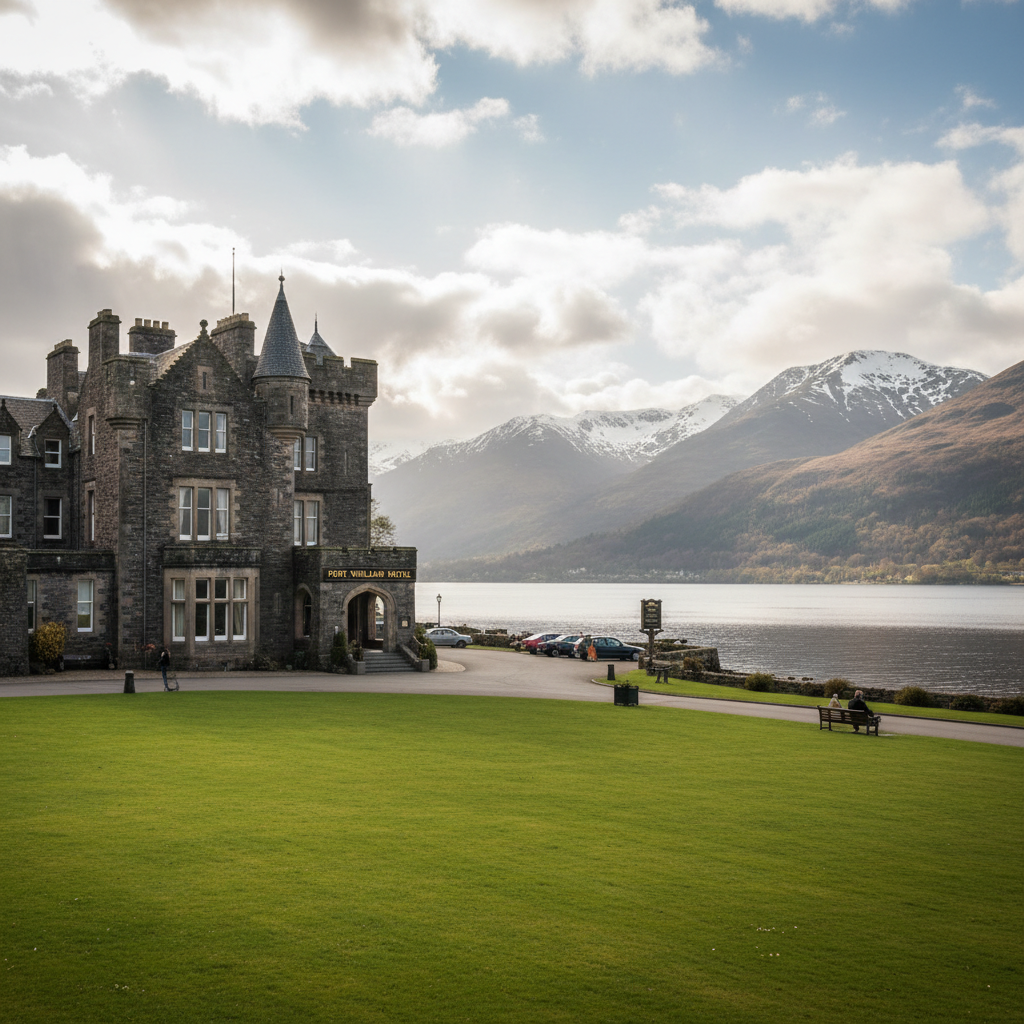
Location Overview
<p>Fort William, often referred to as the 'Outdoor Capital of the UK,' is nestled in the heart of the Scottish Highlands and is a gateway to some of the most spectacular landscapes in Britain. The town itself is a charming mix of traditional Scottish architecture and modern amenities, making it an ideal base for hikers and outdoor enthusiasts. The surrounding area is dominated by the towering presence of Ben Nevis, which stands at 1,345 meters and is the highest peak in the British Isles. The mountain is part of the Grampian Mountains and is surrounded by a network of smaller peaks, valleys, and lochs that create a dramatic and diverse landscape.</p><p>The terrain around Fort William is characterized by rugged, rocky terrain, ancient forests, and rolling hills. The area is home to a variety of wildlife, including red deer, pine martens, and golden eagles, which can often be spotted from the hiking trails. The landscape is also dotted with historical sites, such as the ruins of Inverlochy Castle, which dates back to the 13th century and is a testament to the area's rich history. The combination of natural beauty and cultural heritage makes Fort William a fantastic destination for hiking and outdoor activities.</p><p>The Fort William Summit Trail is one of the most popular hiking routes in the area, and for good reason. The trail offers a challenging yet rewarding experience that takes you through some of the most scenic parts of the Scottish Highlands. The route is well-marked and maintained, but hikers should be prepared for steep ascents and rocky terrain. The trail is particularly popular in the summer months when the weather is more favorable, but it can be hiked year-round by experienced hikers who are prepared for the challenges of the Scottish climate.</p>
Key Points of Interest
<p><strong>Glen Nevis Visitor Centre:</strong> The trail begins at the Glen Nevis Visitor Centre, which is a great place to start your hike. The center offers a range of facilities, including a café, gift shop, and information center. You can pick up a trail map and get any last-minute supplies you might need before setting off.</p><p><strong>Steall Falls:</strong> One of the most iconic landmarks along the trail is Steall Falls, a spectacular waterfall that drops over 100 meters into the valley below. The falls are a popular spot for photographers and hikers, and the view from the viewing platform is truly breathtaking. The sound of the water crashing into the pool below is both soothing and invigorating.</p><p><strong>Nevis Range:</strong> As you continue along the trail, you'll pass through the Nevis Range, a series of peaks and ridges that offer stunning views of the surrounding landscape. The range is home to a variety of wildlife, including red deer and golden eagles, and the views from the higher points are simply spectacular.</p><p><strong>Loch Achtriochtan:</strong> This small loch is a hidden gem along the trail and offers a peaceful spot to take a break and enjoy the scenery. The loch is surrounded by hills and forests, and the water is crystal clear. It's a great place to relax and take in the tranquility of the Scottish Highlands.</p><p><strong>Ben Nevis Summit:</strong> The highlight of the trail is, of course, the summit of Ben Nevis. At 1,345 meters, the summit offers a 360-degree view of the surrounding landscape. On a clear day, you can see for miles, and the sense of achievement you feel when you reach the top is indescribable. The summit is marked by a trig point and a cairn, and it's a popular spot for hikers to take a break and enjoy the views.</p><p><strong>Nevis Gorge:</strong> On the descent, you'll pass through the Nevis Gorge, a narrow valley that is home to a variety of plant and animal life. The gorge is a peaceful and scenic part of the trail, and the views of the surrounding mountains are just as impressive as those from the summit.</p><p><strong>Glen Nevis:</strong> The trail ends back at Glen Nevis, where you can take a moment to reflect on your journey and enjoy a well-earned rest. The Glen Nevis Visitor Centre is a great place to grab a snack and a drink, and the café offers a range of refreshments to help you recover from your hike.</p>
Route Waypoints
- Steall Falls: A spectacular 100-meter waterfall with a viewing platform.
- Nevis Range: A series of peaks and ridges offering stunning views of the surrounding landscape.
- Loch Achtriochtan: A small, peaceful loch surrounded by hills and forests.
- Ben Nevis Summit: The highest point in the British Isles, with a 360-degree panoramic view.
- Nevis Gorge: A narrow valley with diverse plant and animal life.
Getting to the Start
<p>To reach the start of the Fort William Summit Trail, you'll need to head to the town of Fort William, which is located in the Scottish Highlands. The trailhead is easily accessible from the town center, and there are several options for getting there. If you're driving, the most convenient route is to take the A82, which runs through Fort William and connects the town to other major cities in Scotland. The trailhead is located at the Glen Nevis Visitor Centre, which is about 5 kilometers south of Fort William. The visitor center has a large car park that can accommodate both cars and coaches, and there is a small fee for parking. The car park is well-maintained and offers easy access to the trailhead.</p><p>If you're traveling by public transport, the Fort William Railway Station is the closest station to the trailhead. The station is located in the town center and is served by regular trains from Glasgow and other major cities in Scotland. From the station, you can take a local bus or taxi to the Glen Nevis Visitor Centre. The bus service is reliable, and the journey takes about 15 minutes. The visitor center also has a small car park for those who prefer to drive from the town center. Once you arrive at the visitor center, you can pick up a trail map and any other information you might need for your hike.</p>
Tips, Safety & Travel
<p>The Fort William Summit Trail is a challenging hike that requires careful preparation and a good understanding of the trail conditions. The trailhead is located at the Glen Nevis Visitor Centre, which has a large car park that can accommodate both cars and coaches. There is a small fee for parking, but the facilities are well-maintained, and the visitor center offers a range of amenities, including a café and gift shop. If you're traveling by public transport, the Fort William Railway Station is the closest station to the trailhead, and the Glen Nevis Visitor Centre can be reached by bus or taxi from the town center.</p><p>The best time to hike the Fort William Summit Trail is during the summer months, from June to September, when the weather is generally more favorable. However, the trail can be hiked year-round by experienced hikers who are prepared for the challenges of the Scottish climate. It's important to check the weather forecast before setting off, as conditions can change rapidly in the Highlands. Rain and fog are common, and the trail can become slippery and hazardous in wet conditions.</p><p>When hiking the Fort William Summit Trail, it's essential to bring the right equipment and supplies. A sturdy pair of hiking boots with good ankle support is a must, as the terrain can be rocky and uneven. You should also bring a waterproof jacket and trousers, as rain is a common occurrence in the Highlands. A map and compass are essential for navigation, and a GPS device can be useful for tracking your progress. It's also a good idea to bring a first-aid kit, a whistle, and a mobile phone in case of emergencies.</p><p>Safety is paramount on the Fort William Summit Trail, and hikers should be aware of the potential hazards along the route. The trail can be steep and rocky, and there are several exposed sections where a fall could be dangerous. It's important to stay on the marked trail and to avoid taking shortcuts, as these can be more dangerous and may cause erosion. If you're hiking alone, it's a good idea to let someone know your route and expected return time. In case of an emergency, the number to call in the UK is 999, and the emergency services are well-equipped to assist hikers in need.</p>
Wildlife & Nature Highlights
<p>The Fort William Summit Trail is not only a challenging hike but also a fantastic opportunity to observe the diverse wildlife of the Scottish Highlands. The area is home to a variety of species, both flora and fauna, that thrive in the unique ecosystem of the region. As you make your way along the trail, keep an eye out for red deer, which are a common sight in the area. These majestic animals can often be seen grazing in the valleys and on the lower slopes of the mountains. The forests along the trail are also home to pine martens, a small but elusive mammal that is making a comeback in the Scottish Highlands. These agile creatures are known for their distinctive chestnut-brown fur and bushy tails.</p><p>Bird enthusiasts will be delighted by the variety of bird species that can be found in the area. The Scottish Highlands are a haven for birds of prey, and you might catch a glimpse of a golden eagle soaring above the mountains. These majestic birds are one of the largest raptors in the region and are a symbol of the wild and untamed nature of the Highlands. Other bird species that can be spotted along the trail include peregrine falcons, buzzards, and ptarmigans. The ptarmigan, a member of the grouse family, is particularly well-adapted to the harsh conditions of the high mountains and can be seen year-round.</p><p>In addition to the wildlife, the trail is also home to a variety of plant species that are well-suited to the Scottish climate. The lower slopes of the mountains are covered in a mix of deciduous and coniferous forests, which provide a habitat for a wide range of plant life. Look out for ancient oak trees, Scots pines, and birch trees, which are all common in the area. The forest floor is carpeted with a variety of mosses, ferns, and wildflowers, adding a splash of color to the landscape. In the summer months, the hillsides are dotted with heather, which turns the landscape into a sea of purple.</p>
Tags
- hiking
- outdoor adventure
- scenic views
- wildlife
- mountain hiking
- Ben Nevis
- Scottish Highlands
- challenging trail