Activity: Hiking | Difficulty: Moderate | Location: Veneto, Italy
Winding through the stunning Dolomites, the Alta Via 1 trek in Veneto, Italy, offers 120 kilometers of moderate hiking with 3,500 meters of elevation gain, challenging hikers with breathtaking views and rugged mountain terrain. Ideal for seasoned trekkers and nature enthusiasts, this route features a scenic viewpoint and a high summit, making it a memorable journey through one of Italy's most picturesque landscapes.
Adventure Statistics
- Distance: 120.0km
- Duration: 40h 0m
- Elevation Gain: 3500m
- Max Elevation: 2932m
- Calories Burned: 7000
- Best Seasons: Spring, Summer, Fall
- Features: Viewpoint, Summit
Photos
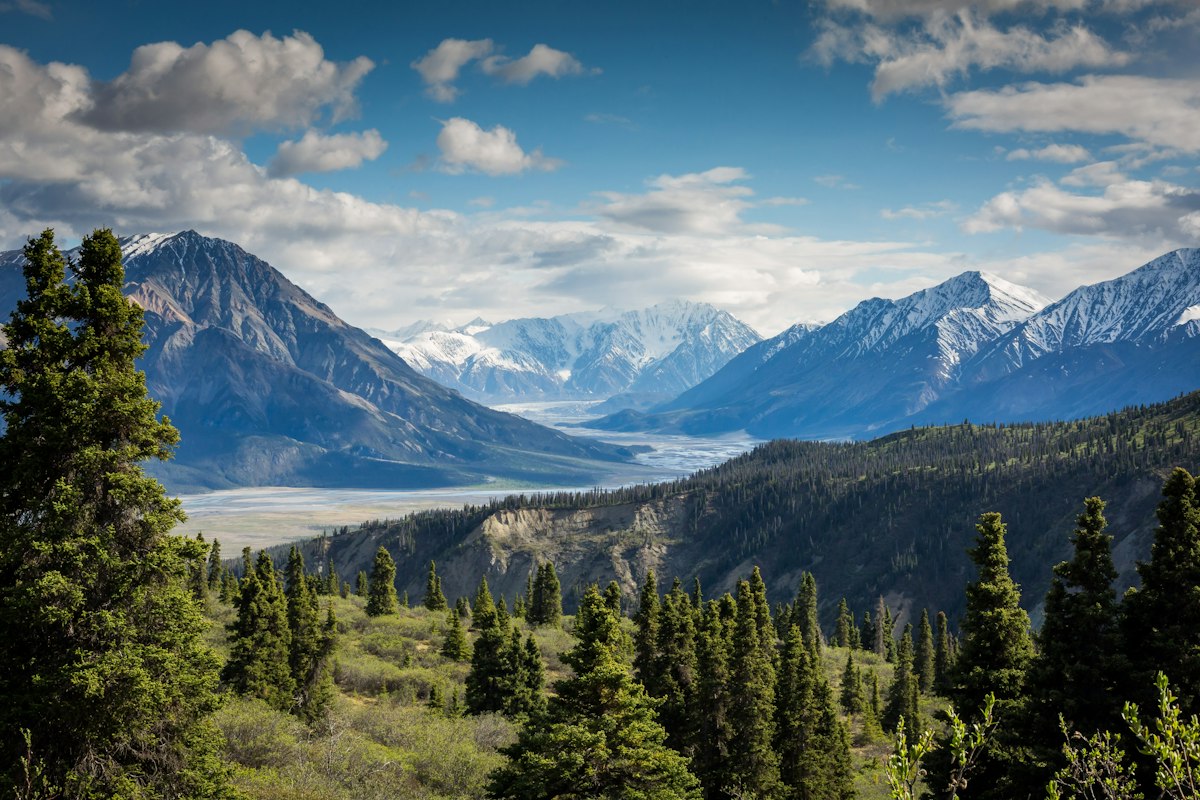
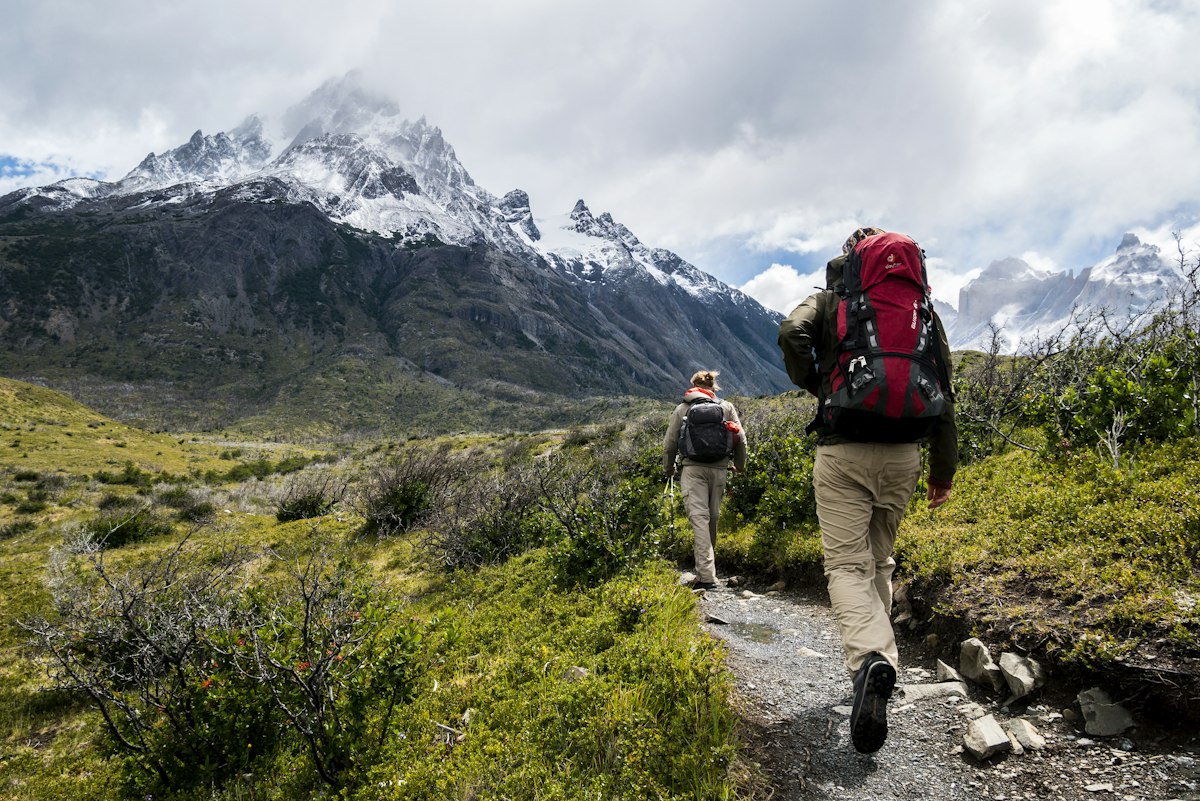
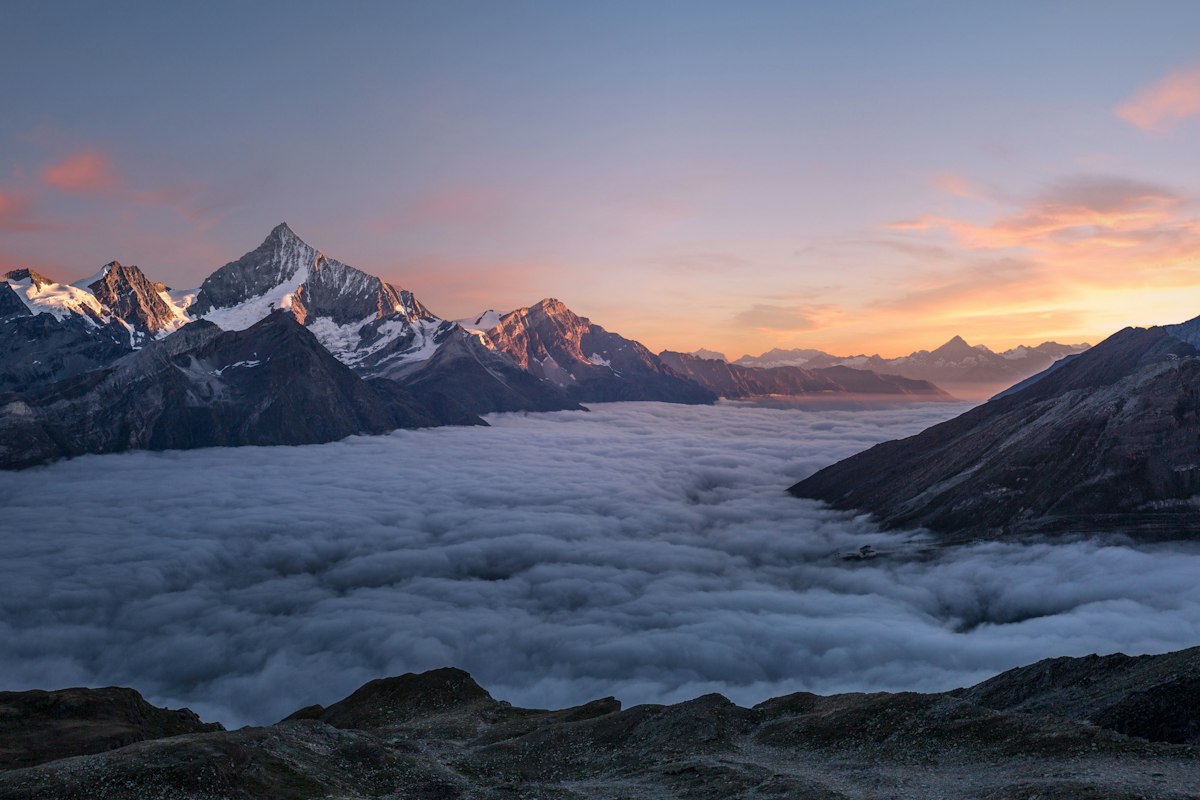
Location Overview
<p>The Italian Dolomites, located in the northeastern part of Italy, are a mountain range that forms part of the Southern Limestone Alps. This region, known for its dramatic peaks, pristine lakes, and lush valleys, is a paradise for outdoor enthusiasts, especially hikers. The Alta Via 1 (AV1) Dolomites trek is one of the most renowned routes in the area, offering a comprehensive exploration of the region's natural and cultural treasures.</p><p>The landscape of the Dolomites is characterized by its unique geological formations, which are a result of the area's complex tectonic history. The mountains are primarily composed of dolomite, a type of sedimentary rock that gives the range its name. The pale, almost luminescent peaks contrast sharply with the deep green of the forests and the azure skies, creating a visual spectacle that is both breathtaking and serene.</p><p>As you hike through the Dolomites, you'll encounter a variety of ecosystems, from alpine meadows dotted with wildflowers to dense forests of spruce and pine. The region is also home to several protected areas, including the Fanes-Sennes-Braies Natural Park and the Dolomiti Bellunesi National Park, which are dedicated to preserving the area's biodiversity and natural beauty. These parks offer a haven for wildlife, with species such as the Alpine ibex, golden eagles, and marmots thriving in their natural habitats.</p><p>The cultural heritage of the Dolomites is equally rich, with a history that spans from prehistoric times to the present day. The region has been inhabited for thousands of years, and evidence of ancient settlements can be found throughout the area. During World War I, the Dolomites were a significant front, and many of the fortifications and trenches from that era can still be seen today. The towns and villages along the AV1, such as Belluno and Cortina d'Ampezzo, offer a glimpse into the local way of life, with their charming architecture, traditional cuisine, and warm hospitality.</p><p>For hikers, the Dolomites provide an ideal destination, offering a perfect blend of natural beauty, cultural richness, and outdoor adventure. The AV1 is a testament to the region's allure, drawing thousands of visitors each year who are eager to experience the magic of the Dolomites for themselves.</p>
Key Points of Interest
<p>One of the most spectacular landmarks along the Alta Via 1 (AV1) is the Tre Cime di Lavaredo, a group of three distinctive peaks that rise dramatically from the surrounding landscape. These iconic mountains are a symbol of the Dolomites and offer panoramic views of the surrounding valleys and peaks. Hikers can enjoy the stunning vistas from the nearby rifugio, where a well-maintained trail leads to the base of the peaks.</p><p>The Fanes-Sennes-Braies Natural Park is another highlight of the AV1, with its pristine alpine meadows and crystal-clear lakes. The park is home to a variety of wildlife, including the Alpine ibex and marmots, and offers a peaceful and serene environment for hikers. The Lago di Braies, a stunning glacial lake, is a must-see destination, with its turquoise waters and surrounding peaks creating a picture-perfect scene.</p><p>The Sella Group, a massive mountain massif, is another key point on the AV1. The Sella Pass, which connects the Val Gardena to the Fassa Valley, offers panoramic views of the surrounding peaks and is a popular spot for hikers and photographers. The rifugios in the area provide a welcome break and a chance to refuel and rest before continuing the trek.</p><p>The Forte Tre Sassi, a World War I fortification, is a historical site that offers a glimpse into the region's past. The fort, located near the town of Cortina d'Ampezzo, is well-preserved and provides a unique perspective on the military history of the Dolomites. Visitors can explore the tunnels and bunkers, which are now open to the public, and learn about the role of the fort in the conflict.</p><p>The town of Cortina d'Ampezzo, the final destination of the AV1, is a charming and vibrant community with a rich cultural heritage. Known as the
Route Waypoints
- First Landmark: First notable point with views of the surrounding peaks.
- Scenic Viewpoint: Panoramic views of the Tre Cime di Lavaredo and the surrounding valleys.
- High Point: Summit with a stunning view of the Marmolada Glacier.
Getting to the Start
<p>The starting point of the Alta Via 1 (AV1) Dolomites trek is in the town of Belluno, which is located in the Veneto region of Italy. To reach Belluno, you can take a train from major cities such as Venice or Verona. The train station in Belluno is well-connected to the national rail network, making it a convenient starting point for your adventure. From the train station, you can take a local bus or taxi to the trailhead, which is located just outside the town.</p><p>If you are driving, the A27 motorway connects Belluno to other parts of Italy. Take the exit for Belluno and follow the signs to the town center. There are several parking options available in Belluno, including the Piazza del Duomo car park, which is centrally located and offers both short-term and long-term parking. The car park is well-maintained and secure, with a reasonable daily rate. It can accommodate a moderate number of vehicles, making it a suitable choice for hikers.</p><p>For those who prefer public transport, the bus service in Belluno is reliable and frequent. The ATVO bus company operates routes that connect Belluno to the trailhead, with stops at key points along the way. The bus fare is affordable, and tickets can be purchased at the bus station or from the driver. If you are traveling with a group, you may also consider renting a shuttle service, which can provide a more direct and comfortable journey to the start of the AV1.</p>
Wildlife & Nature Highlights
<p>The Italian Dolomites are a haven for wildlife, with a diverse range of flora and fauna that thrive in the region's varied ecosystems. As you hike along the Alta Via 1 (AV1), you'll have the opportunity to observe a variety of species, each adapted to the unique conditions of the mountain environment.</p><p>One of the most iconic animals of the Dolomites is the Alpine ibex, a goat-antelope species that is well-suited to the steep and rocky terrain. These majestic creatures are often seen grazing on the high pastures and can be spotted from a distance, thanks to their distinctive curved horns. Another notable mammal is the marmot, a social rodent that is known for its whistling calls. Marmots are frequently encountered in the alpine meadows, where they burrow in the ground and forage for food.</p><p>The skies above the Dolomites are home to several species of birds of prey, including the golden eagle and the bearded vulture. The golden eagle is a powerful hunter that soars over the mountains in search of prey, while the bearded vulture, also known as the lammergeier, is a scavenger that feeds on carrion. Both species are a testament to the region's healthy ecosystem and can be observed with binoculars or a spotting scope.</p><p>The forests of the Dolomites are rich in biodiversity, with a variety of tree species, including spruce, pine, and larch. These forests provide habitat for smaller mammals such as the red squirrel, the European hare, and the Alpine marmot. The undergrowth is home to a wide range of plant species, including the edelweiss, a symbol of the Alps that thrives in the high-altitude meadows. Wildflowers such as gentians, primroses, and alpine roses add a splash of color to the landscape, especially during the summer months.</p><p>The geology of the Dolomites is also a highlight, with the distinctive pale peaks and rock formations drawing visitors from around the world. The region's unique dolomite rock, which gives the mountains their name, is a result of millions of years of geological processes. The rock formations are not only visually striking but also provide a habitat for specialized plant species that are adapted to the alkaline soil conditions.</p>
Tags
- Alta Via 1
- Dolomites
- hiking
- mountain trek
- Italy