Activity: Hiking | Difficulty: Moderate | Location: Northwest Highlands, Scotland
The Cape Wrath Trail is a moderate hiking route in Northwest Highlands, Scotland, with a total distance of approximately 65 kilometers. The trail features a mix of well-maintained paths and rugged terrain, including coastal cliffs, moorlands, and peat bogs. It is primarily an out-and-back route, with the option to break it into shorter sections.
Adventure Statistics
- Distance: 65.0km
- Duration: 11h 11m
- Elevation Gain: 845m
- Max Elevation: 800m
- Calories Burned: 5034
- Best Seasons: Spring, Summer, Fall, Winter
- Features: Viewpoint, Summit, Beach, Forest, River, Wildlife_viewing
Photos
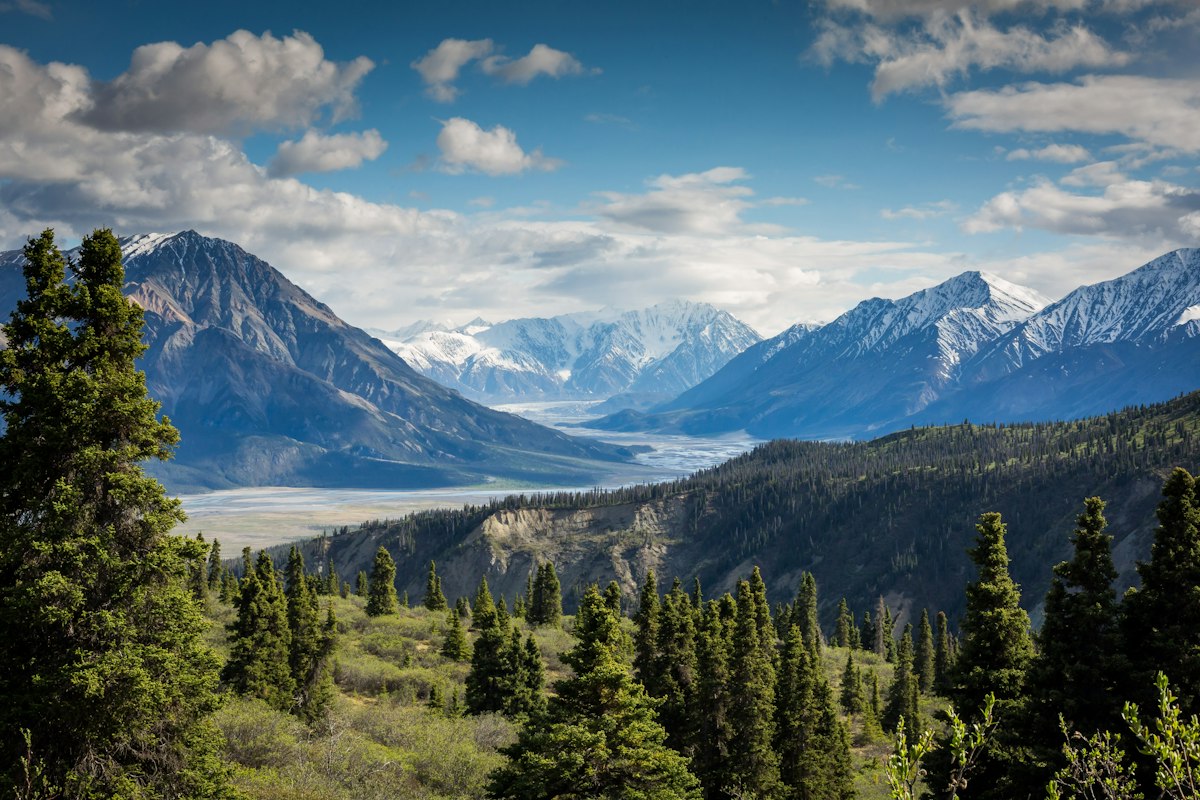
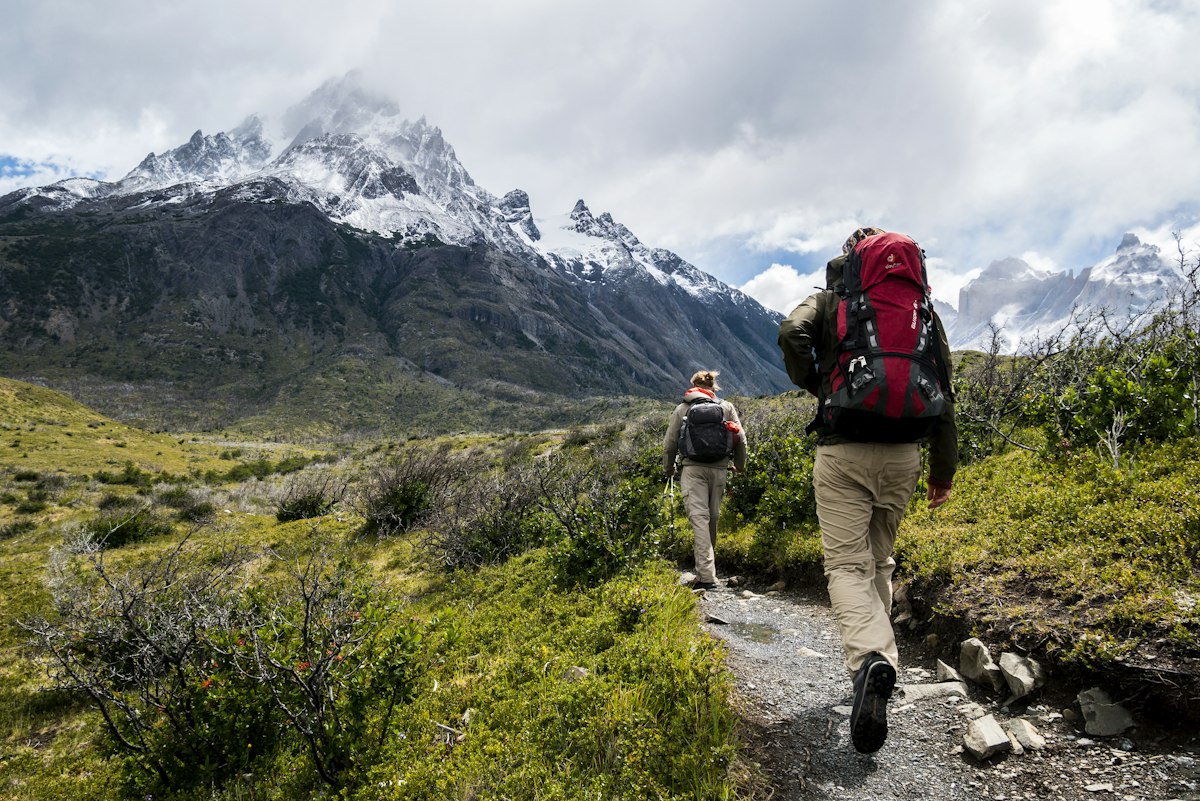

Location Overview
<p>The Cape Wrath Trail is nestled in the heart of the Northwest Highlands of Scotland, a region renowned for its dramatic landscapes and unspoiled wilderness. The trail begins near the small village of Durness, a picturesque coastal community that serves as the gateway to this remote and rugged area. Durness is the northernmost village on the Scottish mainland, and its proximity to the trailhead makes it an ideal starting point for hikers. The village itself is a charming mix of traditional Scottish architecture and modern amenities, offering a range of accommodations, restaurants, and shops to cater to visitors.</p><p>The Northwest Highlands are characterized by their dramatic and varied terrain. The trail takes you through a landscape of rolling moorlands, ancient peat bogs, and rugged coastlines. The moorlands, covered in heather and grasses, offer a vibrant tapestry of colors that change with the seasons. In the summer, the moors are a sea of purple heather, while in the fall, the landscape transforms into a palette of golds and browns. The peat bogs, formed over thousands of years, are a unique ecosystem that supports a variety of plant and animal life. The rugged coastlines, with their towering cliffs and rocky shores, are a testament to the power of nature and the relentless force of the North Atlantic.</p><p>One of the most striking features of the Northwest Highlands is the dramatic coastline. The trail follows the edge of the North Atlantic, offering breathtaking views of the sea and the surrounding landscape. The coastline is punctuated by dramatic cliffs, hidden coves, and sandy beaches, each with its own unique character. The most famous of these is Cape Wrath itself, the northernmost point of the Scottish mainland. The lighthouse at Cape Wrath, built in 1828, stands as a beacon of human resilience in the face of nature's power. The lighthouse and its surrounding cliffs offer some of the most spectacular views on the trail, making it a must-see destination for hikers.</p><p>The Northwest Highlands are also rich in cultural heritage. The region has a long and fascinating history, with evidence of human habitation dating back thousands of years. Along the trail, hikers can explore ancient ruins, standing stones, and other historical sites that offer a glimpse into the lives of the people who once called this land home. The trail also passes through areas that have been shaped by more recent human activities, such as farming and fishing, adding another layer of interest to the journey.</p><p>For those seeking a true wilderness experience, the Cape Wrath Trail in Northwest Highlands, Scotland, is the perfect destination. The trail's combination of natural beauty, diverse terrain, and rich cultural heritage makes it a unique and rewarding adventure. Whether you're a seasoned hiker or a nature enthusiast, the Cape Wrath Trail offers a journey that will stay with you long after you've returned home.</p>
Key Points of Interest
<p><strong>Durness Visitor Centre:</strong> The trail begins at the Durness Visitor Centre, where you can pick up a map, check the weather, and gather any last-minute supplies. The visitor center is a great place to start your adventure, as it provides essential information and a friendly welcome to the Cape Wrath Trail.</p><p><strong>Sandwood Bay:</strong> One of the most picturesque sections of the trail, Sandwood Bay is a stunning sandy beach framed by dramatic cliffs and rocky outcrops. The beach is often deserted, offering a sense of isolation and tranquility. The bay is a popular spot for photography and relaxation, and the views of the North Atlantic are simply breathtaking.</p><p><strong>Cape Wrath:</strong> The northernmost point of the Scottish mainland, Cape Wrath is a highlight of the trail. The lighthouse, built in 1828, stands as a testament to human ingenuity and resilience. The cliffs around Cape Wrath offer some of the most dramatic views on the trail, with the North Atlantic crashing against the rocky shores below. The lighthouse and its surrounding cliffs are a must-see destination for hikers.</p><p><strong>Oldshore More:</strong> This section of the trail takes you through a landscape of rolling moorlands and ancient peat bogs. The moorlands are covered in heather and grasses, offering a vibrant tapestry of colors that change with the seasons. The area is also home to a variety of wildlife, including mountain hares and red grouse, making it a great spot for wildlife enthusiasts.</p><p><strong>Quinag:</strong> While not directly on the trail, the mountain of Quinag is a prominent feature in the landscape and can be seen from several points along the trail. Quinag is a popular destination for climbers and offers a challenging but rewarding ascent. The mountain's distinctive shape, with its three main peaks, makes it a recognizable landmark and a symbol of the wild beauty of the Northwest Highlands.</p><p><strong>Smoo Cave:</strong> Located near the start of the trail, Smoo Cave is a natural sea cave that can be explored by foot or boat. The cave is one of the largest in the UK and features a waterfall that drops into the sea. The cave is a fascinating geological feature and a popular tourist attraction, offering a unique and memorable experience for hikers.</p>
Route Waypoints
- Sandwood Bay: A stunning sandy beach framed by dramatic cliffs and rocky outcrops, offering a sense of isolation and tranquility.
- Cape Wrath: The northernmost point of the Scottish mainland, featuring a historic lighthouse and dramatic cliffs with panoramic views.
- Oldshore More: A section of rolling moorlands and ancient peat bogs, home to a variety of wildlife and vibrant heather.
- Quinag: A prominent mountain with three distinctive peaks, visible from several points along the trail.
- Smoo Cave: A natural sea cave that can be explored by foot or boat, featuring a waterfall that drops into the sea.
Getting to the Start
<p>To reach the start of the Cape Wrath Trail, you'll need to make your way to the small village of Durness, located in the far north of Scotland. Durness is the northernmost village on the Scottish mainland and serves as the gateway to the trailhead. The village is situated on the A838, a scenic coastal road that runs along the northern coast of Scotland. If you're driving from the south, the most direct route is via the A9, which connects Inverness to Durness. The journey from Inverness to Durness is approximately 300 kilometers and takes about 4.5 hours, depending on traffic and road conditions.</p><p>Once you reach Durness, you'll find the trailhead at the northern end of the village, near the Durness Visitor Centre. The visitor center provides essential information about the trail, including maps, weather forecasts, and safety advice. There is a small car park adjacent to the visitor center, which is suitable for about 20 vehicles. The car park is free to use, but it can fill up quickly, especially during peak hiking seasons. If you arrive early in the morning, you should have no trouble finding a spot. However, if you plan to start your hike later in the day, consider arriving early to secure a parking space.</p><p>For those traveling by public transport, the nearest train station is in Inverness, which is served by regular trains from major cities in Scotland and England. From Inverness, you can take a bus to Durness. The bus service is provided by Stagecoach, and the journey takes approximately 4.5 hours. The bus stop in Durness is a short walk from the trailhead, making it a convenient option for hikers without a car. It's advisable to check the bus schedules in advance, as services can be limited, especially outside of peak seasons.</p><p>Once you're in Durness, the trailhead is well-marked and easy to find. The trail begins at the Durness Visitor Centre, where you can pick up a map and any last-minute supplies you might need. From there, the trail leads you out of the village and into the wilds of the Northwest Highlands. The first section of the trail follows a well-maintained path that winds through the moorlands, offering a gentle introduction to the terrain and scenery that lies ahead.</p>
Tips, Safety & Travel
<p>When planning your hike on the Cape Wrath Trail in Northwest Highlands, Scotland, it's important to be well-prepared to ensure a safe and enjoyable experience. The trail is a moderate challenge, with a mix of well-maintained paths and more rugged terrain. Here are some practical tips and safety advice to keep in mind:</p><p><strong>Parking:</strong> The trailhead is located near the Durness Visitor Centre, where there is a small car park that can accommodate about 20 vehicles. The car park is free to use, but it can fill up quickly, especially during peak hiking seasons. If you plan to start your hike later in the day, consider arriving early to secure a parking space.</p><p><strong>Best Conditions and Season:</strong> The best time to hike the Cape Wrath Trail is during the summer months, from June to August. The weather is generally milder, and the days are longer, providing more daylight for your adventure. However, the trail can be hiked year-round, and each season offers its own unique beauty. Spring brings new growth and wildlife activity, while fall offers stunning colors and fewer crowds. Winter hiking is possible but requires more preparation and caution due to the potential for harsh weather conditions.</p><p><strong>What to Bring:</strong> Essential items for your hike include a good-quality map, a compass, and a GPS device or smartphone with offline maps. Weather can be unpredictable in the Highlands, so pack layers, including waterproof gear, and sturdy hiking boots. A first-aid kit, plenty of water, and high-energy snacks are also important. Consider bringing a camera to capture the stunning scenery, and if you plan to camp along the trail, make sure you have a lightweight tent, sleeping bag, and cooking equipment.</p><p><strong>Safety Advice:</strong> The terrain on the Cape Wrath Trail can be challenging, with steep climbs and rocky sections. Always stay on marked paths and be cautious near cliffs and steep drop-offs. Check the weather forecast before you set out, and be prepared for sudden changes in conditions. If you're hiking alone, let someone know your planned route and expected return time. Carry a charged mobile phone, but be aware that reception can be limited in remote areas. In case of an emergency, call 999 or 112 and provide your exact location.</p><p><strong>Weather and Terrain Hazards:</strong> The Northwest Highlands can experience strong winds, heavy rain, and fog, which can make hiking conditions challenging. Be prepared for slippery surfaces, especially on wet grass and rocks. The peat bogs can be treacherous, so avoid straying off the marked paths. In winter, snow and ice can make the trail more difficult and dangerous, so consider bringing crampons and an ice axe if you plan to hike during the colder months.</p><p><strong>Emergency Notes:</strong> In the event of an emergency, the nearest medical facilities are in Durness and Thurso. The Scottish Mountain Rescue team can be contacted for assistance in remote areas. Always carry a whistle to signal for help if you become lost or injured. Stay calm and try to find a safe place to wait for rescue. It's also a good idea to carry a personal locator beacon (PLB) or satellite phone if you plan to hike in the more remote sections of the trail.</p>
Wildlife & Nature Highlights
<p>The Cape Wrath Trail in Northwest Highlands, Scotland, is a haven for wildlife enthusiasts. The diverse landscapes along the trail support a wide range of flora and fauna, making it a prime location for observing nature in its purest form. One of the most iconic species you're likely to encounter is the golden eagle, a majestic bird of prey that soars above the cliffs and moorlands. These powerful raptors are a symbol of the wild Highlands and can often be seen hunting for prey or riding the thermals high above the trail.</p><p>The moorlands are home to a variety of plant species, including the vibrant heather that carpets the ground in shades of purple during the summer months. The heather provides a crucial habitat for small mammals and insects, such as the mountain hare and the red grouse. The mountain hare, with its distinctive white winter coat, is a elusive but rewarding sight for hikers who are patient and observant. The red grouse, known for its distinctive call, is another common inhabitant of the moorlands and can often be heard before it is seen.</p><p>Along the coastal sections of the trail, the cliffs and rocky shores are teeming with seabirds. Species such as puffins, guillemots, and kittiwakes nest in the cliffs, creating a cacophony of sounds that is both enchanting and overwhelming. The best time to observe these seabirds is during the breeding season, which runs from late spring to early summer. The cliffs at Cape Wrath, in particular, are a prime spot for birdwatching, with thousands of birds nesting in the sheer rock faces.</p><p>The peat bogs and wetlands along the trail are home to a variety of waterfowl, including ducks, geese, and wading birds. The rare and elusive hen harrier, a bird of prey that specializes in hunting over open ground, can sometimes be spotted hovering over the peat bogs. The bogs are also home to a variety of plant species, such as sundews and butterworts, which are carnivorous plants that have adapted to the nutrient-poor environment.</p><p>For those interested in geology, the Northwest Highlands offer a fascinating glimpse into the Earth's history. The region is known for its ancient rocks, some of which date back over 3 billion years. The Lewisian gneiss, one of the oldest rock formations in Europe, can be seen along the trail, providing a tangible connection to the distant past. The landscape has been shaped by millions of years of geological processes, including glaciation, erosion, and tectonic activity, resulting in the dramatic cliffs, valleys, and mountains that hikers will enjoy.</p>
Tags
- hiking
- Scotland
- Northwest Highlands
- coastal trail
- wilderness
- natural beauty
- moderate difficulty
- scenic views