Activity: Hiking | Difficulty: Hard | Location: Alps, France
The Haute Route from Chamonix to Zermatt is a challenging point-to-point trek through the Savoy Alps, covering a distance of approximately 200 kilometers. The route features a mix of dirt paths, rocky terrain, and steep ascents and descents, making it suitable for experienced hikers.
Adventure Statistics
- Distance: 200.0km
- Duration: 12h 58m
- Elevation Gain: 1016m
- Max Elevation: 2855m
- Calories Burned: 5839
- Best Seasons: Summer, Fall
- Features: Viewpoint, Summit, Lake, Glacier, Forest, Wildlife_viewing
Photos
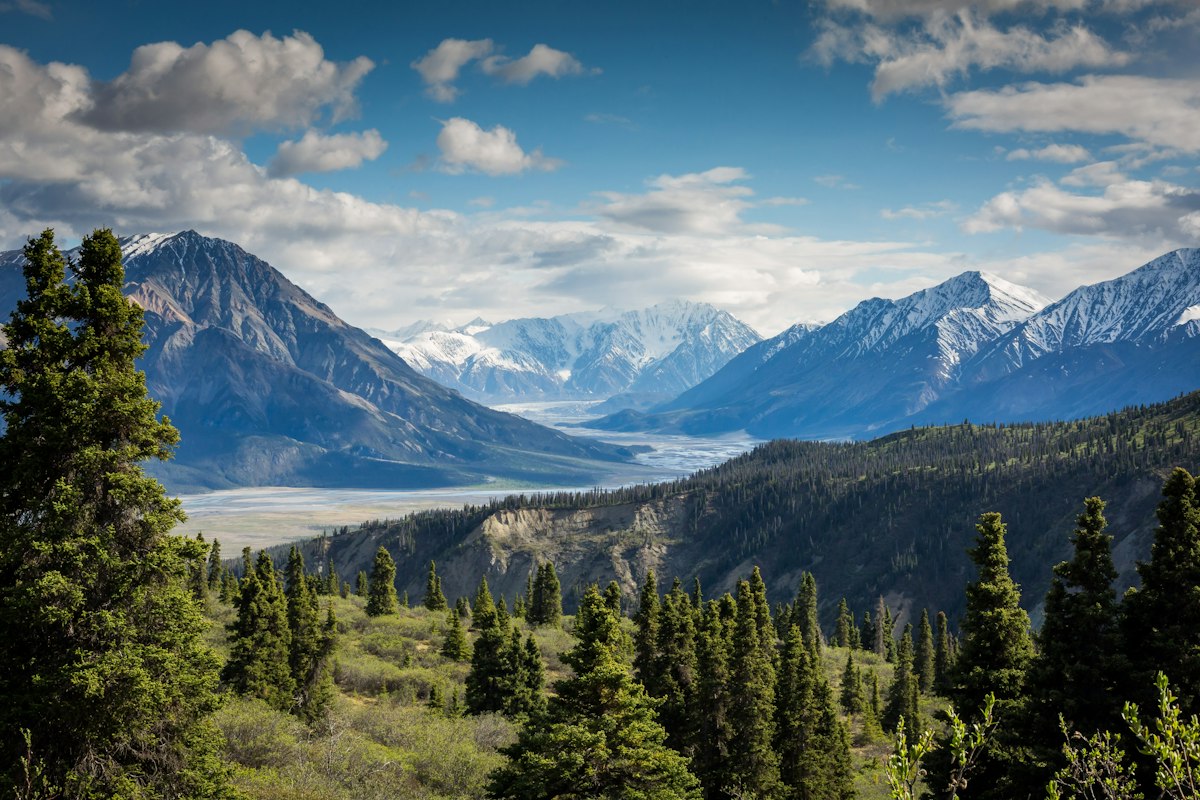


Location Overview
<p>The Savoy Alps, located in the eastern part of the French Alps, offer a unique and captivating landscape that is perfect for hiking. This region is characterized by its dramatic mountain ranges, pristine alpine lakes, and lush valleys. The Haute Route from Chamonix to Zermatt traverses some of the most spectacular terrain in the Savoy Alps, making it a must-do adventure for hikers and nature lovers alike.</p><p>The Savoy Alps are home to several notable peaks, including Mont Blanc, the highest mountain in Western Europe. The region is also known for its extensive network of hiking trails, which cater to a wide range of skill levels. From gentle walks through meadows filled with wildflowers to challenging treks over high mountain passes, the Savoy Alps offer something for everyone.</p><p>The alpine environment of the Savoy Alps is not only visually stunning but also rich in biodiversity. The region is home to a variety of flora and fauna, including Alpine ibex, marmots, and a wide array of wildflowers. The clear, crisp air and the absence of pollution make the Savoy Alps a haven for those seeking a peaceful and rejuvenating outdoor experience.</p><p>Whether you're looking to challenge yourself with a multi-day trek or simply enjoy a leisurely day hike, the Savoy Alps provide a backdrop that is both awe-inspiring and invigorating. The Haute Route is just one of the many ways to explore this beautiful region, and it offers a unique perspective on the natural and cultural heritage of the Savoy Alps.</p>
Key Points of Interest
<p><strong>Col de Balme (2,191 m):</strong> One of the most iconic viewpoints on the Haute Route, the Col de Balme offers panoramic views of the Mont Blanc massif and the surrounding alpine landscape. The ascent to the col is steep but rewarding, and the views from the top are simply breathtaking.</p><p><strong>Lac Blanc (2,352 m):</strong> Located in the heart of the Aiguilles Rouges range, Lac Blanc is a stunning alpine lake surrounded by towering peaks. The lake is a popular spot for picnicking and photography, and the crystal-clear waters reflect the surrounding mountains in a serene and beautiful way.</p><p><strong>Trient Glacier:</strong> As you hike through the Trient Valley, you'll come across the impressive Trient Glacier, a massive ice formation that has shaped the landscape over thousands of years. The glacier is a testament to the power of nature and the ongoing geological processes in the Savoy Alps.</p><p><strong>Mont Fort (2,855 m):</strong> This high mountain pass offers some of the most spectacular views on the Haute Route. From the summit, you can see the Matterhorn, the Mont Blanc massif, and the Swiss Alps. The ascent to Mont Fort is challenging but well worth the effort for the stunning vistas.</p><p><strong>Col des Pyramides (2,585 m):</strong> Another high mountain pass on the Haute Route, the Col des Pyramides offers panoramic views of the surrounding peaks and valleys. The trail leading to the col is well-marked and takes you through a variety of landscapes, from rocky terrain to lush meadows.</p><p><strong>Col de l'Evêque (2,466 m):</strong> This col is a highlight of the Haute Route, offering stunning views of the Rhône Valley and the Swiss Alps. The trail leading to the col is relatively gentle, making it accessible to hikers of all skill levels.</p><p><strong>Zermatt:</strong> The final destination of the Haute Route, Zermatt is a charming alpine village at the base of the Matterhorn. The village is a hub of outdoor activities and offers a wide range of accommodations, from cozy mountain huts to luxury hotels. Zermatt is the perfect place to celebrate the completion of your Haute Route adventure and to relax after your journey.</p>
Route Waypoints
- Lac Blanc: A stunning alpine lake surrounded by towering peaks.
- Trient Glacier: A massive ice formation that has shaped the landscape over thousands of years.
- Mont Fort: A high mountain pass offering spectacular views of the Matterhorn and Mont Blanc.
- Col des Pyramides: A scenic mountain pass with panoramic views of the surrounding peaks and valleys.
- Col de l'Evêque: A high pass with stunning views of the Rhône Valley and the Swiss Alps.
Getting to the Start
<p>To begin your Haute Route adventure, you'll need to get to the starting point in Chamonix. Chamonix is a well-connected town in the Savoy Alps, making it easy to reach by various modes of transportation. If you're driving, the most direct route is via the A40 motorway from Grenoble or Annecy. Follow the A40 to the exit for Chamonix/Mont-Blanc, and then take the D1501 to the town center. There are several parking options in Chamonix, including the large public car park at Place du Mont-Blanc, which is centrally located and offers both short-term and long-term parking options.</p><p>For those traveling by public transport, Chamonix has a train station with regular services from major cities such as Paris, Geneva, and Lyon. The train station is located in the town center, and it's a short walk to the starting point of the Haute Route. Additionally, there are bus services that connect Chamonix to other towns in the Savoy Alps, making it easy to plan your journey.</p><p>Once you arrive in Chamonix, you can start your Haute Route adventure from the town center. The trailhead is well-marked, and there are information boards and maps available at the local tourist office. It's a good idea to stop by the tourist office to pick up a detailed map and get the latest information on trail conditions and weather forecasts.</p>
Tips, Safety & Travel
<p>The Haute Route from Chamonix to Zermatt is a challenging but rewarding hiking adventure in the Savoy Alps. To ensure a safe and enjoyable experience, it's important to prepare adequately and be aware of the specific conditions and hazards of the route. Here are some practical tips and safety advice:</p><p><strong>Parking:</strong> If you're driving to Chamonix, the Place du Mont-Blanc car park is a convenient option. It's centrally located and offers both short-term and long-term parking. Make sure to check the parking fees and any time restrictions before leaving your vehicle.</p><p><strong>Best Conditions and Season:</strong> The Haute Route is best hiked from late June to early September when the weather is generally mild, and the trails are free of snow. However, weather conditions can change rapidly in the mountains, so it's important to check the forecast before setting out and to be prepared for all types of weather.</p><p><strong>What to Bring:</strong> Essential items for your Haute Route adventure include a detailed map, a compass, a GPS device, a first-aid kit, plenty of water, high-energy snacks, and appropriate clothing for the weather. Layering is key, as temperatures can vary significantly from the valley to the high mountain passes. A good pair of hiking boots with ankle support is essential, as the terrain can be rocky and uneven.</p><p><strong>Safety Advice:</strong> Always let someone know your planned route and expected return time. Stay on marked trails and avoid shortcuts, especially in steep or rocky areas. Be cautious around glacial streams and rivers, as they can be swift and deep. If you encounter a mountain hut, take a break and check in with the hut keeper for the latest trail conditions and weather updates.</p><p><strong>Weather and Terrain Hazards:</strong> The Savoy Alps can experience sudden weather changes, including strong winds, heavy rain, and thunderstorms. Be prepared for these conditions and know the signs of hypothermia and altitude sickness. The high mountain passes can be exposed and windy, so use caution and be prepared to turn back if conditions become unsafe.</p><p><strong>Emergency Notes:</strong> In case of an emergency, dial 112 for assistance. Carry a charged mobile phone, and if possible, a satellite phone or GPS device with emergency beacon capabilities. Mountain huts are equipped with emergency supplies and can provide shelter in case of bad weather or injury.</p>
Wildlife & Nature Highlights
<p>The Savoy Alps are a haven for wildlife, and the Haute Route offers numerous opportunities to observe and appreciate the region's rich biodiversity. As you hike through the varied landscapes, you'll encounter a wide range of flora and fauna, each adapted to the unique alpine environment. One of the most iconic animals you might spot is the Alpine ibex, a majestic mountain goat with impressive curved horns. These animals are often seen grazing on the steep slopes and rocky outcrops along the trail.</p><p>Marmots are another common sight on the Haute Route. These small, furry rodents are known for their distinctive whistles, which they use to communicate with each other. You'll often hear their calls before you see them, as they scurry between the rocks and burrows. Marmots are particularly active during the summer months, making them a delightful addition to your hiking experience.</p><p>The Savoy Alps are also home to a variety of bird species, including the golden eagle, the bearded vulture, and the alpine chough. These birds are often seen soaring through the skies, particularly in the higher elevations where the air currents are strong. The alpine chough, with its distinctive red bill and legs, is a common sight around the mountain huts, where it often scavenges for food.</p><p>As you hike through the meadows and forests, you'll be surrounded by a tapestry of wildflowers. The Savoy Alps are known for their vibrant displays of alpine flowers, including edelweiss, gentians, and primroses. These flowers not only add a splash of color to the landscape but also provide a vital food source for pollinators such as bees and butterflies.</p><p>The geology of the Savoy Alps is another highlight of the Haute Route. The region is characterized by its rugged mountain ranges, formed by the collision of tectonic plates millions of years ago. As you hike, you'll see evidence of this geological history in the form of exposed rock faces, glacial moraines, and mountain streams. The Haute Route offers a unique opportunity to explore the natural beauty and ecological diversity of the Savoy Alps, making it a rewarding and educational experience for hikers of all ages.</p>
Tags
- hiking
- Haute Route
- Chamonix
- Zermatt
- Mont Blanc
- Matterhorn
- Savoy Alps
- multi-day trek