Activity: Hiking | Difficulty: Moderate | Location: Westfjords, Iceland
This moderate hiking route in the Westfjords of Iceland covers a distance of approximately 12 kilometers. The terrain is a mix of gravel paths and rocky sections, with some steep ascents and descents. The route is an out-and-back trail, leading you to several key viewpoints and landmarks before returning to the starting point.
Adventure Statistics
- Distance: 12.0km
- Duration: 2h 3m
- Elevation Gain: 240m
- Max Elevation: 250m
- Calories Burned: 929
- Best Seasons: Summer
- Features: Viewpoint, Cliffs, Wildlife_viewing, Fjord, Valley, Hill
Photos
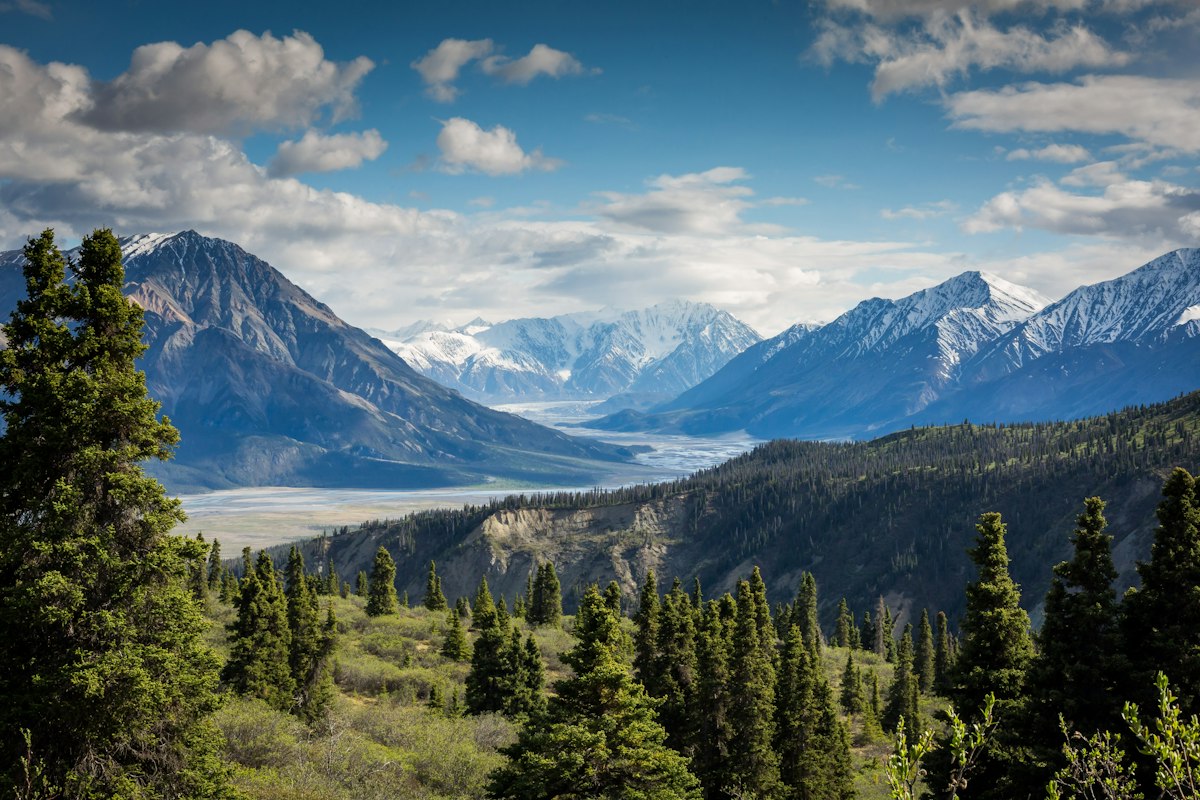


Location Overview
<p>The Hornstrandir Nature Reserve, located in the Westfjords region of Iceland, is a true gem for nature enthusiasts and adventure seekers. This remote and untouched wilderness is characterized by its dramatic fjords, towering cliffs, and vast, rolling hills. The landscape is a testament to the raw power of nature, with rugged terrain that has been shaped by glaciers and the elements over thousands of years. The Westfjords, in particular, are known for their deep, narrow fjords and steep, rocky cliffs, creating a dramatic and awe-inspiring setting for hikers.</p><p>The Hornstrandir Nature Reserve is one of the least visited areas in Iceland, which means that visitors can enjoy a level of solitude and tranquility that is rare in more touristy regions. The area is home to a rich variety of flora and fauna, including a diverse array of seabirds and marine life. The reserve is also a haven for those interested in geology, with its unique rock formations and geological features that tell the story of the Earth's history.</p><p>Hiking in the Westfjords is a unique experience, offering a blend of challenging terrain and serene vistas. The trails are well-maintained and marked, making it easy to navigate through the rugged landscape. The moderate difficulty of the trails makes them accessible to hikers of various skill levels, from beginners to experienced adventurers. The route offers a mix of gravel paths and rocky sections, providing a rewarding challenge for those who undertake it.</p><p>One of the highlights of the Hornstrandir Nature Reserve is the opportunity to explore the remote and untouched nature of the Westfjords. The area is known for its rich wildlife, including a variety of seabirds such as puffins, guillemots, and kittiwakes. The cliffs are a haven for these birds, and hikers are often treated to the sight of them nesting and flying in their natural habitat. The fjords themselves are also home to a variety of marine life, including seals and whales, which can sometimes be spotted from the trail.</p>
Key Points of Interest
<p>1. <strong>Hornvík Ferry Landing:</strong> The starting point of your adventure, the ferry landing at Hornvík is where you'll disembark and begin your journey into the Hornstrandir Nature Reserve. The village itself is small but charming, with a few basic amenities and a friendly local community.</p><p>2. <strong>Hornvík Bay:</strong> As you leave Hornvík, the trail follows the coastline of Hornvík Bay, offering breathtaking views of the clear, blue waters and the surrounding cliffs. This section of the trail is relatively flat and easy, making it a great start to your hike.</p><p>3. <strong>Stórudalur Valley:</strong> The trail then leads you into the Stórudalur Valley, a wide, open valley with rolling hills and lush vegetation. The valley is a peaceful and serene area, perfect for taking a break and enjoying the natural beauty of the Westfjords.</p><p>4. <strong>Álftafjörður Fjord:</strong> As you continue along the trail, you'll reach the Álftafjörður Fjord, one of the most dramatic and picturesque fjords in the Hornstrandir region. The fjord is flanked by steep cliffs and is home to a variety of seabirds, making it a great spot for wildlife viewing.</p><p>5. <strong>Hornbjarg Cliffs:</strong> One of the highlights of the hike is the Hornbjarg Cliffs, a series of towering cliffs that offer stunning panoramic views of the surrounding landscape. The cliffs are a nesting site for puffins and other seabirds, and you can often see them flying and nesting along the rocky ledges.</p><p>6. <strong>Skorarhóll Hill:</strong> The trail reaches its highest point at Skorarhóll Hill, providing a panoramic view of the entire Hornstrandir region. From here, you can see the fjords, the cliffs, and the rolling hills stretching out in every direction. This is a great spot to take a break, enjoy a snack, and soak in the beauty of the Westfjords.</p><p>7. <strong>Hornvík Return:</strong> After reaching the high point of the trail, you'll begin your descent back to Hornvík. The return journey offers a different perspective of the landscape, and you'll have the opportunity to reflect on the incredible journey you've just completed.</p>
Route Waypoints
- Hornvík Bay: A picturesque bay with clear, blue waters and surrounding cliffs, offering a gentle and scenic start to the hike.
- Stórudalur Valley: A wide, open valley with rolling hills and lush vegetation, providing a peaceful and serene area for rest and reflection.
- Álftafjörður Fjord: One of the most dramatic and picturesque fjords in the Hornstrandir region, flanked by steep cliffs and home to a variety of seabirds.
- Hornbjarg Cliffs: Towering cliffs that offer stunning panoramic views of the surrounding landscape and are a nesting site for puffins and other seabirds.
- Skorarhóll Hill: The highest point of the trail, providing a panoramic view of the entire Hornstrandir region and a great spot for a break.
Getting to the Start
<p>To reach the starting point of the hike in Hornstrandir, you'll need to make your way to the Westfjords region of Iceland. The nearest town is Ísafjörður, which is the largest town in the Westfjords and serves as a gateway to the region. From Ísafjörður, you can take a ferry to Hornvík, a small village on the northern coast of the Hornstrandir peninsula. The ferry service operates during the summer months and is the most convenient way to access the area.</p><p>Once you arrive in Hornvík, you can drive or hike to the trailhead, which is located near the coordinates 66.4285, -22.3654. The trailhead is accessible via a gravel road that leads to a small car park. The car park is free and can accommodate a limited number of vehicles, so it's advisable to arrive early, especially during the peak hiking season. If you're traveling by public transport, you can take a bus from Ísafjörður to Hornvík, and from there, you can walk to the trailhead, which is about a 30-minute hike from the village.</p><p>The trailhead is clearly marked, and there are informational signs that provide details about the route, including distance, difficulty, and points of interest. The trail begins with a gentle ascent, gradually leading you into the heart of the Hornstrandir Nature Reserve. The initial part of the trail is relatively easy, making it a good starting point for hikers of all skill levels.</p>
Tips, Safety & Travel
<p>Hiking in the Hornstrandir Nature Reserve is a rewarding experience, but it's important to be well-prepared and take necessary precautions to ensure a safe and enjoyable trip. The trailhead is located near the coordinates 66.4285, -22.3654, and the car park in Hornvík is free and can accommodate a limited number of vehicles. If you're traveling by public transport, the ferry from Ísafjörður to Hornvík is the best option, and it's advisable to check the ferry schedule in advance.</p><p>The best conditions for hiking in the Westfjords are during the summer months, from June to August, when the weather is generally milder and the days are longer. However, the weather in Iceland can be unpredictable, so it's important to check the forecast before you set out and to be prepared for all conditions. It's also a good idea to bring layers, as the temperature can drop quickly, especially in the evenings.</p><p>When hiking in the Westfjords, it's essential to bring the right gear. A sturdy pair of hiking boots, appropriate clothing, and a waterproof jacket are must-haves. A backpack with essentials such as water, snacks, a map, and a first-aid kit is also recommended. Sunscreen and insect repellent are useful, especially during the summer months when the sun can be strong and midges can be a nuisance.</p><p>Safety is paramount when hiking in remote areas like the Hornstrandir Nature Reserve. Always let someone know your planned route and expected return time. It's also a good idea to carry a fully charged mobile phone, although reception can be limited in some areas. In case of an emergency, the nearest medical facilities are in Ísafjörður, and it's advisable to have a basic understanding of the area's emergency services.</p><p>The terrain in the Hornstrandir region is generally moderate, with a mix of gravel paths and rocky sections. The trail is well-marked, but some parts can be steep and slippery, especially after rain. Be cautious when hiking near the cliffs, as the edges can be unstable. Overall, the Hornstrandir Nature Reserve offers a challenging yet rewarding hiking experience that is suitable for hikers of various skill levels.</p>
Wildlife & Nature Highlights
<p>The Hornstrandir Nature Reserve is a haven for wildlife, and hikers are often treated to a rich variety of flora and fauna along the trail. One of the most iconic species found in the area is the Atlantic puffin, a small, colorful seabird that nests in the cliffs during the summer months. Puffins are a common sight along the trail, and their distinctive appearance and playful behavior make them a favorite among hikers. Other seabirds that can be spotted include guillemots, kittiwakes, and razorbills, which can often be seen diving for fish in the waters below the cliffs.</p><p>The cliffs and rocky outcrops are also home to a variety of other bird species, such as fulmars and cormorants, which can be observed from various vantage points along the trail. The area is also known for its rich plant life, with a diverse array of wildflowers and mosses that thrive in the harsh, coastal environment. In the summer months, the hillsides are often carpeted with vibrant blooms, creating a colorful and fragrant landscape.</p><p>Marine life is also abundant in the waters surrounding Hornstrandir. Hikers may be lucky enough to spot seals basking on the rocks or porpoises and dolphins swimming in the fjords. On rare occasions, it's even possible to catch a glimpse of a whale, particularly during the summer months when they migrate to the area in search of food. The intertidal zones are home to a variety of marine invertebrates, such as starfish, anemones, and crabs, which can be observed at low tide.</p><p>Geologically, the Hornstrandir region is a fascinating area to explore. The cliffs and rocky formations are a result of millions of years of glacial activity and erosion, and they provide a unique insight into the Earth's history. The area is also home to several small caves and rock formations that can be explored, adding an element of adventure to the hike. The combination of rich wildlife, diverse plant life, and unique geological features makes the Hornstrandir Nature Reserve a truly special destination for hikers and nature enthusiasts.</p>
Tags
- Hiking in Westfjords
- Hornstrandir Nature Reserve
- Fjord Hiking
- Wildlife Viewing
- Remote Hiking
- Scenic Trails
- Iceland Outdoors
- Nature Reserve