Activity: Hiking | Difficulty: Moderate | Location: Patagonia, Chile
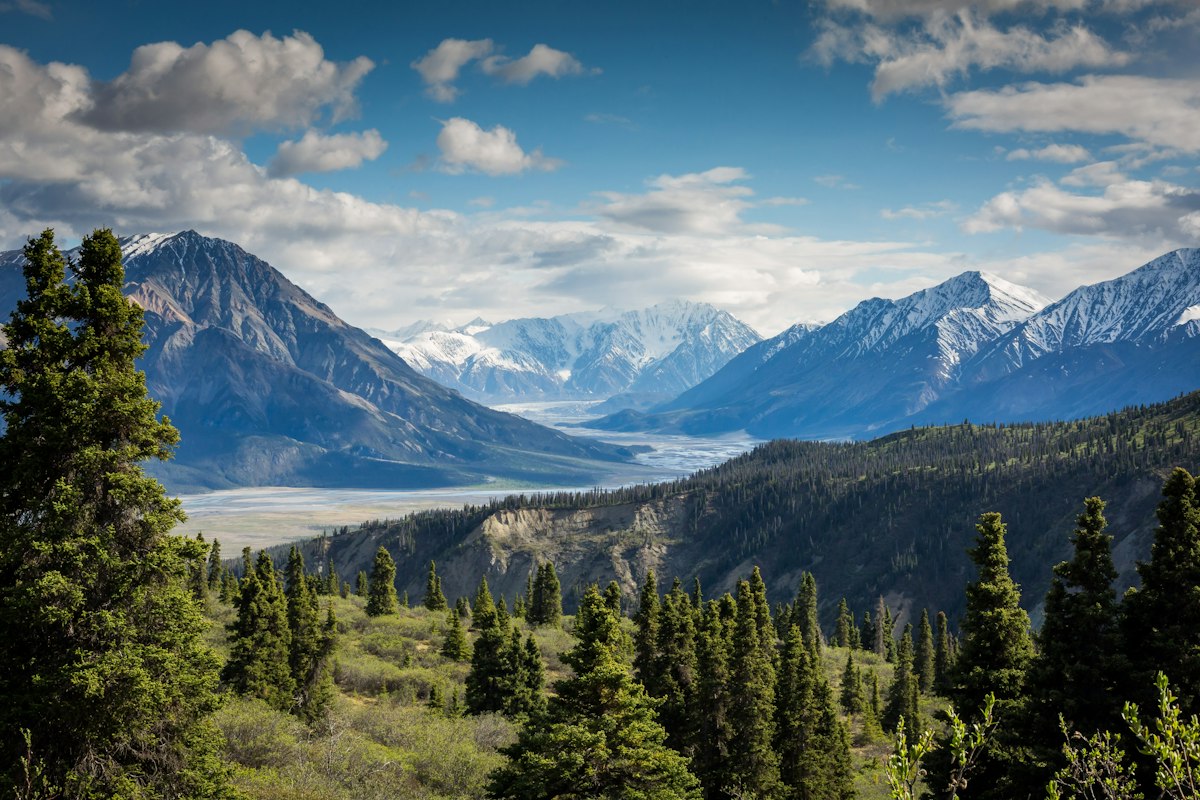
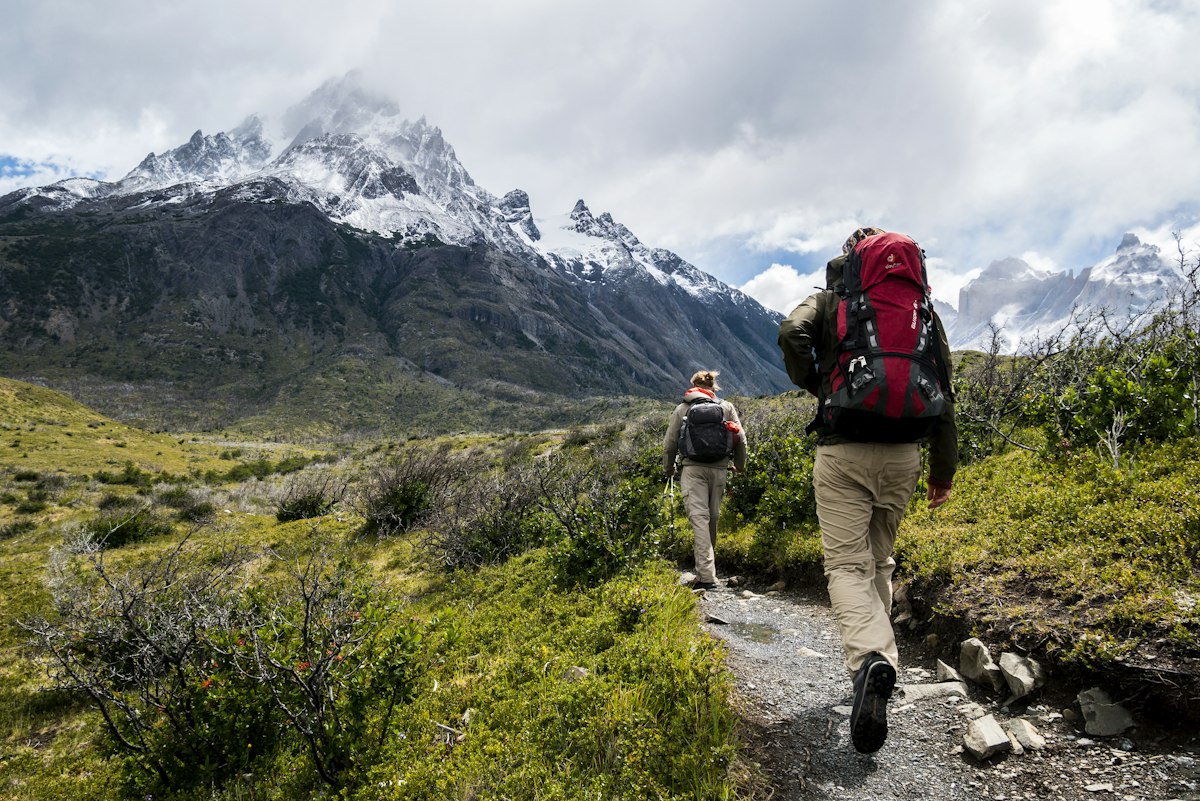
The Torres del Paine W Trek is a moderate hiking adventure that covers 12.5 km of varied terrain, including rocky paths and soft, grassy meadows. The route is a multi-day trek, with overnight stays in refugios or campsites, and offers stunning views of the Paine Massif, glacial lakes, and lush valleys.
Adventure Statistics
- Distance: 12.5km
- Duration: 2h 12m
- Elevation Gain: 1200m
- Max Elevation: 1200m
- Calories Burned: 993
- Best Seasons: Spring, Summer, Fall
- Features: Viewpoint, Summit, Lake, Glacier, Wildlife_viewing, Campground
Photos

Location Overview
<p>Torres del Paine National Park is located in the southern part of Patagonia, Chile, and is one of the most spectacular and well-preserved natural areas in the world. The park covers an area of over 181,000 hectares and is home to a diverse range of landscapes, from the towering granite peaks of the Paine Massif to the vast, windswept Patagonian steppe. The park's unique geological features, including its iconic granite towers, glacial lakes, and ice fields, make it a haven for nature lovers and adventure seekers alike. The climate in Patagonia is characterized by strong winds, sudden weather changes, and a wide range of temperatures, which can vary significantly from day to night. Despite these challenges, the park's rugged beauty and pristine wilderness make it a top destination for hiking and outdoor activities.</p><p>The park is accessible via the town of Puerto Natales, which is the closest major town and serves as the gateway to the park. From Puerto Natales, you can reach the park by car or bus, and there are several entry points, including the Serrano and Laguna Amarga entrances. The park is managed by the Chilean National Forestry Corporation (CONAF) and is protected as a UNESCO Biosphere Reserve. The park's conservation efforts focus on preserving the unique flora and fauna of the region, as well as protecting the park's cultural and historical heritage. The park is home to a variety of wildlife, including the guanaco, a camelid species that is a common sight in the park, as well as Andean condors, pumas, and a variety of bird species. The park's diverse ecosystems, from the alpine tundra to the subpolar forests, provide a rich habitat for a wide range of plant and animal species.</p><p>The Torres del Paine W Trek is one of the most popular hiking routes in the park, and for good reason. The trail offers a perfect balance of challenging terrain and breathtaking scenery, making it a rewarding and memorable experience for hikers. The trail is well-marked and maintained, and there are several refugios and campsites along the route, providing options for both guided and self-guided treks. The park's infrastructure is designed to minimize the impact on the environment while providing hikers with the necessary amenities and support. Whether you are an experienced hiker or a first-time visitor to Patagonia, the Torres del Paine W Trek is an adventure that should not be missed.</p>
Key Points of Interest
<p>One of the most iconic landmarks on the Torres del Paine W Trek is the Torres del Paine, a group of three massive granite towers that rise dramatically from the surrounding landscape. The towers, which are the namesake of the park, are a testament to the powerful geological forces that have shaped Patagonia over millions of years. The view from the base of the towers is truly breathtaking, with panoramic vistas of the Paine Massif and the surrounding lakes and valleys.</p><p>Another highlight of the W Trek is the Grey Glacier, a massive ice field that extends for several kilometers and is one of the most impressive glacial features in the region. The glacier is located in the Grey Lake, and the trail offers several viewpoints where you can observe the glacier up close. The icebergs that break off from the glacier and float in the lake are a sight to behold, and the blue color of the ice is a striking contrast to the surrounding landscape.</p><p>The French Valley is a lush, verdant valley that is home to a variety of wildlife and offers some of the most spectacular views on the W Trek. The valley is accessible via a steep ascent, but the effort is rewarded with stunning views of the surrounding mountains and forests. The valley is also home to several waterfalls, including the Salto Grande and Salto Chico, which are both worth a visit.</p><p>The Dickson Lake is another key point on the W Trek, and it is known for its crystal-clear waters and the surrounding forests. The lake is a popular spot for fishing and wildlife viewing, and it is also a great place to rest and enjoy the natural surroundings. The trail around the lake is well-maintained and offers several viewpoints where you can take in the scenery.</p><p>Finally, the John Gardner Pass is a high point on the W Trek, offering panoramic views of the Paine Massif and the surrounding valleys. The pass is named after John Gardner, a British explorer who was one of the first to map the region. The trail up to the pass is steep and challenging, but the views from the top are well worth the effort. The pass is also a great place to observe the changing weather patterns that are characteristic of Patagonia, with clouds and mist often adding to the dramatic landscape.</p>
Route Waypoints
- Paine Grande Refugio: The official starting point of the W Trek, located at the Paine Grande dock.
- Campamento Italiano: A campsite located at the base of the Torres del Paine, offering stunning views of the towers.
- Mirador Las Torres: A viewpoint with panoramic views of the Torres del Paine and the surrounding landscape.
- John Gardner Pass: A high point on the W Trek, offering panoramic views of the Paine Massif and the surrounding valleys.
- Grey Glacier Viewpoint: A viewpoint overlooking the Grey Glacier and the surrounding ice field.
- French Valley: A lush, verdant valley with several waterfalls and stunning views of the surrounding mountains.
Getting to the Start
<p>To reach the starting point of the Torres del Paine W Trek, you will need to travel to the town of Puerto Natales, which is the closest major town to the park. Puerto Natales is located about 112 kilometers north of the park's main entrance. From Puerto Natales, you can take a bus or drive to the park. The most common route is to take the Ruta 9, also known as the Carretera Austral, which is a well-maintained road that leads directly to the park. The drive from Puerto Natales to the park takes approximately 2 hours, depending on traffic and weather conditions.</p><p>Once you reach the park, you will need to pay the entrance fee, which can be done at the Serrano or Laguna Amarga entrances. From the entrance, you can drive to the starting point of the W Trek, which is located at the Pudeto dock. There is a small car park at the Pudeto dock, which is free to use, but it can get busy during peak season, so it's a good idea to arrive early. If you are traveling by public transport, there are buses that run from Puerto Natales to the park, and you can take a shuttle from the park entrance to the Pudeto dock. The shuttle service is provided by the park and is included in the entrance fee.</p><p>For those who prefer a more scenic approach, you can also take a boat from the Pudeto dock to the Paine Grande dock, which is the official starting point of the W Trek. The boat ride takes about 20 minutes and offers stunning views of the surrounding mountains and lakes. Once you reach the Paine Grande dock, you can begin your trek. The trail is well-marked and easy to follow, and there are several refugios and campsites along the route where you can rest and refuel.</p>
Tips, Safety & Travel
<p>When planning your hike on the Torres del Paine W Trek, there are several practical tips and safety considerations to keep in mind. First, it's important to choose the right season for your hike. The best time to visit the park is during the austral summer, from November to March, when the weather is generally milder and the days are longer. However, even during the summer months, the weather in Patagonia can be unpredictable, with strong winds and sudden changes in temperature. It's a good idea to pack layers and be prepared for all types of weather conditions.</p><p>Parking at the Pudeto dock is free, but it can get busy during peak season, so it's a good idea to arrive early. If you are traveling by public transport, the shuttle service from the park entrance to the Pudeto dock is included in the entrance fee. Make sure to bring plenty of water, snacks, and a first-aid kit, as well as a map and a GPS device. The trail is well-marked, but it's always a good idea to have a backup navigation tool.</p><p>When it comes to safety, it's important to be aware of the park's wildlife and to keep a safe distance from animals. Guanacos, while generally docile, can be unpredictable, especially during the breeding season. Andean condors and other birds of prey are also common in the park, and it's important to respect their space. The park's terrain can be challenging, with steep ascents and descents, so it's important to wear appropriate footwear and to be in good physical condition. The park's rangers are always available to provide advice and assistance, and it's a good idea to check in with them before starting your hike.</p><p>Finally, it's important to be prepared for emergencies. The park has several emergency shelters along the trail, and there are emergency phone numbers posted at the refugios and campsites. It's a good idea to let someone know your itinerary and expected return time, and to carry a charged cell phone, although reception can be spotty in some areas. By following these tips and taking the necessary precautions, you can ensure a safe and enjoyable hiking experience on the Torres del Paine W Trek.</p>
Wildlife & Nature Highlights
<p>The Torres del Paine National Park is a haven for wildlife enthusiasts, with a diverse array of flora and fauna that can be observed throughout the park. One of the most common animals you will encounter on the W Trek is the guanaco, a camelid species that is native to the Patagonian steppe. Guanacos are often seen grazing in the meadows and valleys, and they are known for their graceful movements and curious nature. The park is also home to a variety of bird species, including the Andean condor, which is one of the largest birds of prey in the world. Andean condors are often spotted soaring above the mountains, and their presence adds a sense of majesty to the landscape.</p><p>Other notable bird species in the park include the southern crested caracara, the black-chested buzzard-eagle, and the austral pygmy-owl. The park's lakes and rivers are home to a variety of aquatic birds, such as the coscoroba swan and the southern wigeon. The park's forests are also rich in wildlife, with species such as the Chilean mouse opossum and the monito del monte, a small marsupial that is found only in the temperate rainforests of South America.</p><p>In addition to the diverse wildlife, the park is also home to a rich variety of plant species. The Patagonian steppe is characterized by its low-growing vegetation, which includes grasses, shrubs, and wildflowers. The park's forests are dominated by species such as the coigüe, a type of evergreen beech tree, and the ñirre, a small evergreen tree that is adapted to the harsh conditions of the Patagonian climate. The park's alpine areas are home to a variety of hardy plants, including the notro, a flowering shrub that produces bright red flowers, and the calafate, a shrub that is known for its edible berries.</p>
Tags
- Torres del Paine
- Patagonia
- hiking
- W Trek
- glacier
- mountains
- wildlife
- national park