Activity: Hiking | Difficulty: Moderate | Location: Galicia, Spain
The final 100 kilometers of the Camino de Santiago in Galicia, Spain, is a moderate point-to-point route that offers a mix of gentle terrain and cultural immersion. The trail is well-maintained and signposted, making it accessible to a wide range of hikers.
Adventure Statistics
- Distance: 100.0km
- Duration: 12h 58m
- Elevation Gain: 60m
- Max Elevation: 570m
- Calories Burned: 5839
- Best Seasons: Spring, Summer, Fall, Winter
- Features: Viewpoint, Historical_site, Village, Forest, River, Cultural_immersion
Photos


Location Overview
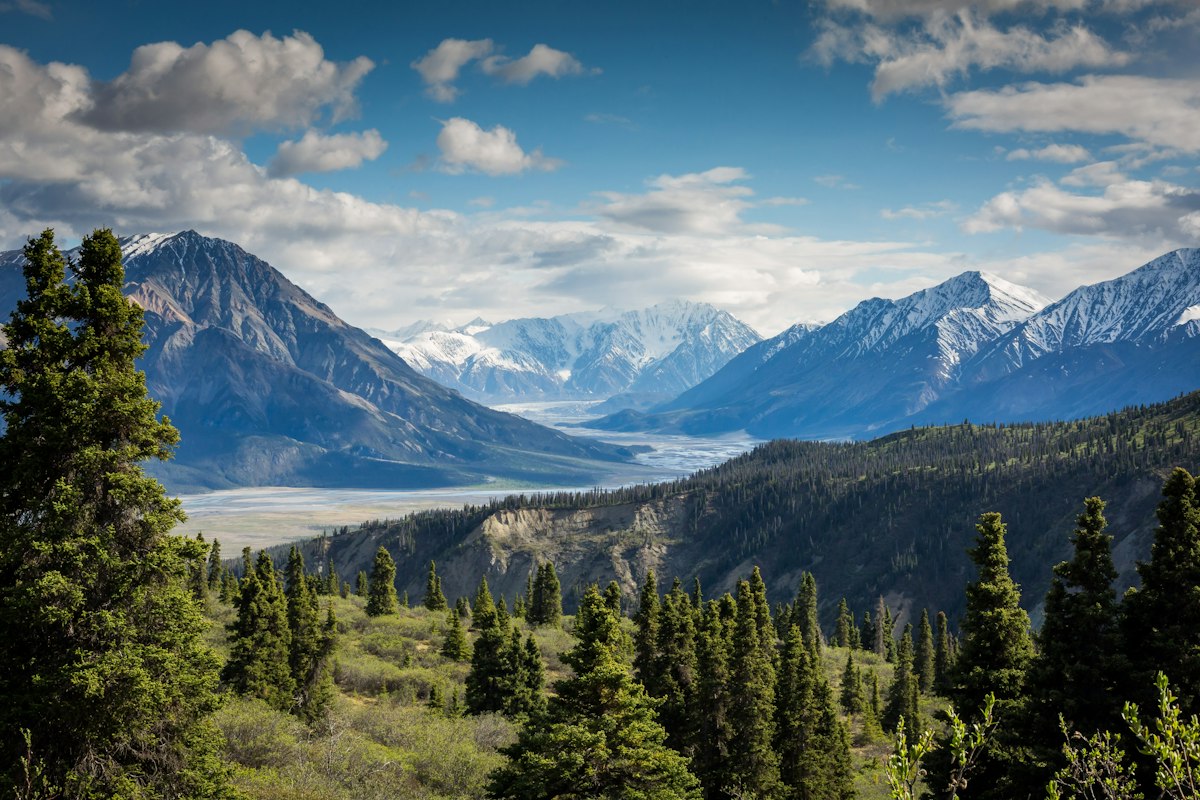
<p>The final 100 kilometers of the Camino de Santiago in Galicia, Spain, is a region of breathtaking natural beauty and rich cultural heritage. Galicia, known as the 'Green Corner of Spain,' is characterized by its lush, verdant landscapes, rolling hills, and dense forests. The region is also home to a network of historic paths and trails that have been trodden by pilgrims for centuries. The Camino de Santiago, or Way of St. James, is one of the most famous pilgrimage routes in the world, and the last 100 kilometers offer a perfect blend of natural and cultural attractions.</p><p>As you hike through Galicia, you'll be surrounded by a landscape that is both serene and invigorating. The region's mild climate and abundant rainfall contribute to its vibrant greenery, making it a haven for nature lovers. The trail passes through a variety of terrain, from open fields and meadows to dense woodlands and quiet villages. The rolling hills provide gentle elevation changes, offering panoramic views of the surrounding countryside. The region's rivers and streams add to the natural beauty, often providing serene spots for rest and reflection.</p><p>Galicia's cultural heritage is equally captivating. The region is dotted with historic sites, including ancient churches, monasteries, and stone crosses. The trail itself is marked with traditional yellow arrows and scallop shells, symbols that have guided pilgrims for centuries. The villages along the route are a testament to Galicia's rich history and traditions, with many offering a glimpse into rural Spanish life. Whether you're exploring the cobblestone streets of a medieval town or enjoying a traditional meal at a local tavern, the cultural immersion is as rewarding as the physical journey.</p>
Key Points of Interest
<p>One of the most iconic landmarks along the final 100 kilometers of the Camino de Santiago is the Church of Santa María la Mayor in Sarria. This Romanesque church is a beautiful starting point for your journey and is known for its intricate stone carvings and historic significance. As you leave Sarria, you'll pass through the charming village of Portomarín, where you can visit the 12th-century Romanesque church of San Juan, which was relocated stone by stone when the old village was flooded by a reservoir.</p><p>Another highlight is the town of Palas de Rei, which is home to the Church of San Paio, a stunning example of Gothic architecture. The town also offers a variety of amenities, making it a great place to rest and refuel. As you continue your journey, you'll reach the village of Melide, known for its traditional Galician cuisine, particularly its delicious pulpo a la gallega (Galician-style octopus).</p><p>The town of Arzúa is another significant waypoint, with its 16th-century Church of Santiago and the Museum of the Camino, which provides insight into the history and culture of the pilgrimage. The final stretch of the trail includes the village of O Pedrouzo, where you can enjoy a final rest before the final push to Santiago de Compostela. The highlight of your journey, of course, is the arrival at the Cathedral of Santiago de Compostela, a UNESCO World Heritage site and the ultimate destination for pilgrims. The cathedral's towering spires and intricate stone carvings are a testament to the enduring legacy of the Camino.</p>
Route Waypoints
- Portomarín: A charming village with a relocated 12th-century Romanesque church, now situated above the Miño River reservoir.
- Palas de Rei: Home to the Gothic Church of San Paio and a variety of amenities for pilgrims.
- Melide: Known for its traditional Galician cuisine, particularly pulpo a la gallega (Galician-style octopus).
- Arzúa: Features the 16th-century Church of Santiago and the Museum of the Camino.
- O Pedrouzo: A final resting place before the final push to Santiago de Compostela.
Getting to the Start
<p>To begin your 100-kilometer hike along the Camino de Santiago in Galicia, Spain, you'll need to reach the starting point, which is typically the town of Sarria. Sarria is a charming village located in the province of Lugo, and it's a popular starting point for pilgrims aiming to complete the final 100 kilometers of the Camino. The town is well-connected by public transport, making it accessible for hikers from various parts of Spain and beyond.</p><p>If you're traveling by car, you can reach Sarria via the N-540 national road, which runs through the town. There is a public car park in the center of Sarria, near the main square, where you can leave your vehicle. The car park is spacious and generally free, though it can get busy during peak pilgrimage seasons. If you're arriving by public transport, the nearest train station is in Sarria, and there are regular train services from major cities like Santiago de Compostela and Lugo. Buses also run frequently to and from Sarria, connecting it to other towns and cities in the region.</p><p>Once you arrive in Sarria, you can easily find the start of the Camino. The trailhead is well-marked with the traditional yellow arrows and scallop shells. From the town center, head towards the Church of Santa María la Mayor, where you'll find the official starting point. The church itself is a beautiful example of Romanesque architecture and is worth a visit before you begin your hike. The town also offers a range of amenities, including shops, restaurants, and accommodations, making it a convenient place to prepare for your journey.</p>
Tips, Safety & Travel
<p>When embarking on the final 100 kilometers of the Camino de Santiago in Galicia, Spain, it's important to be well-prepared for your journey. Parking is available in Sarria at the public car park near the main square, which is generally free but can get busy during peak seasons. If you're using public transport, the train station in Sarria is well-connected, and buses also run frequently to and from the town.</p><p>The best time to hike this section of the Camino is during the spring and early summer months, when the weather is mild and the landscapes are at their most vibrant. However, the trail is accessible year-round, and each season offers its own unique charm. Spring brings wildflowers and lush greenery, while fall offers cooler temperatures and fewer crowds. Summer can be warm, but the region's mild climate makes it manageable. Winter can be cooler, but the trails are generally well-maintained and safe.</p><p>For a comfortable and safe journey, pack lightweight, breathable clothing and sturdy, broken-in hiking boots. Bring a backpack with essentials such as water, snacks, a first-aid kit, and a map of the route. Sun protection, including sunscreen and a hat, is also important, especially during the warmer months. It's a good idea to carry a lightweight rain jacket, as the region can experience occasional showers.</p><p>Stay hydrated and take regular breaks to rest and enjoy the scenery. The trail is well-marked, but it's always a good idea to have a map and a GPS device for added security. Be mindful of the terrain, which includes some gentle inclines and declines, and watch your step on uneven surfaces. If you encounter other pilgrims, be courteous and share the trail. In case of an emergency, the nearest medical facilities are in Sarria and Santiago de Compostela, and local authorities can be contacted for assistance.</p>
Wildlife & Nature Highlights
<p>The final 100 kilometers of the Camino de Santiago in Galicia, Spain, offer a rich array of flora and fauna, reflecting the region's diverse ecosystems. As you hike through the lush landscapes, you'll encounter a variety of plant species, including oak and chestnut trees, which dominate the forests. The forests are interspersed with meadows and farmland, providing a habitat for a wide range of wildlife. Keep an eye out for the vibrant wildflowers that dot the trail, especially during the spring and summer months, adding a splash of color to the greenery.</p><p>Birdwatchers will be delighted by the variety of bird species that can be observed along the route. Common birds include the European robin, the Eurasian blackbird, and the common chiffchaff. You might also spot raptors such as the common buzzard and the Eurasian sparrowhawk, soaring overhead. The region is also home to smaller mammals, including hedgehogs, rabbits, and squirrels, which are often seen scurrying through the underbrush. If you're lucky, you might even catch a glimpse of a wild boar, though they tend to be more elusive.</p><p>The geology of the region is another highlight, with the trail passing over a variety of rock formations. The area is known for its granite outcrops, which are a common feature of the Galician landscape. These rocky formations often provide natural resting spots and offer panoramic views of the surrounding countryside. The rivers and streams that crisscross the region are also home to a variety of aquatic life, including trout and other freshwater fish. The waterways are an important part of the ecosystem, supporting both plant and animal life and adding to the natural beauty of the trail.</p>
Tags
- hiking
- pilgrimage
- cultural immersion
- natural beauty
- Galician landscapes
- historical sites
- spiritual journey
- Spain