Activity: Hiking | Difficulty: Moderate | Location: Ancash, Peru
The Huayhuash Circuit is a moderately difficult 155-kilometer trek in Ancash, Peru, featuring steep ascents and descents, high-altitude passes, and diverse landscapes. The route is a loop that takes hikers through a range of ecosystems, from lush valleys to alpine meadows.
Adventure Statistics
- Distance: 155.0km
- Duration: 13h 18m
- Elevation Gain: 2m
- Max Elevation: 4m
- Calories Burned: 5992
- Best Seasons: Summer, Fall
- Features: Lake, Summit, Viewpoint, Forest, Wildlife_viewing, Campground
Photos
Location Overview
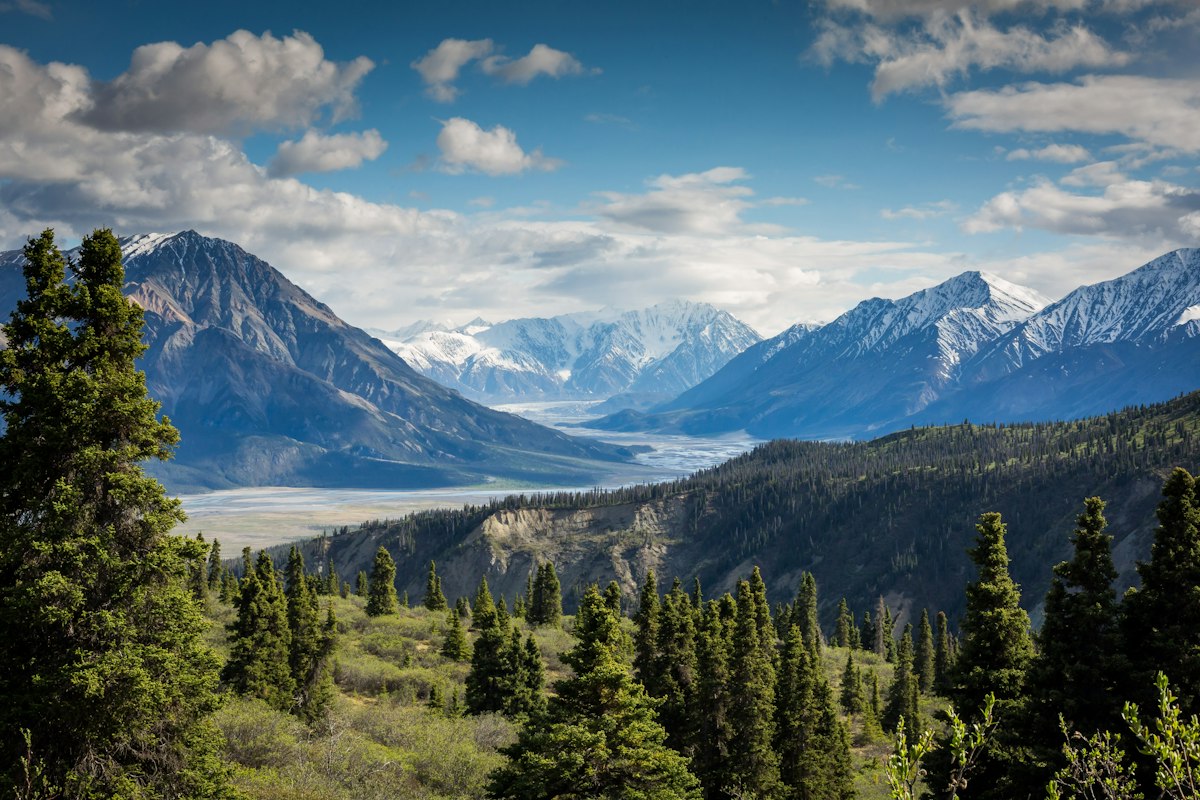
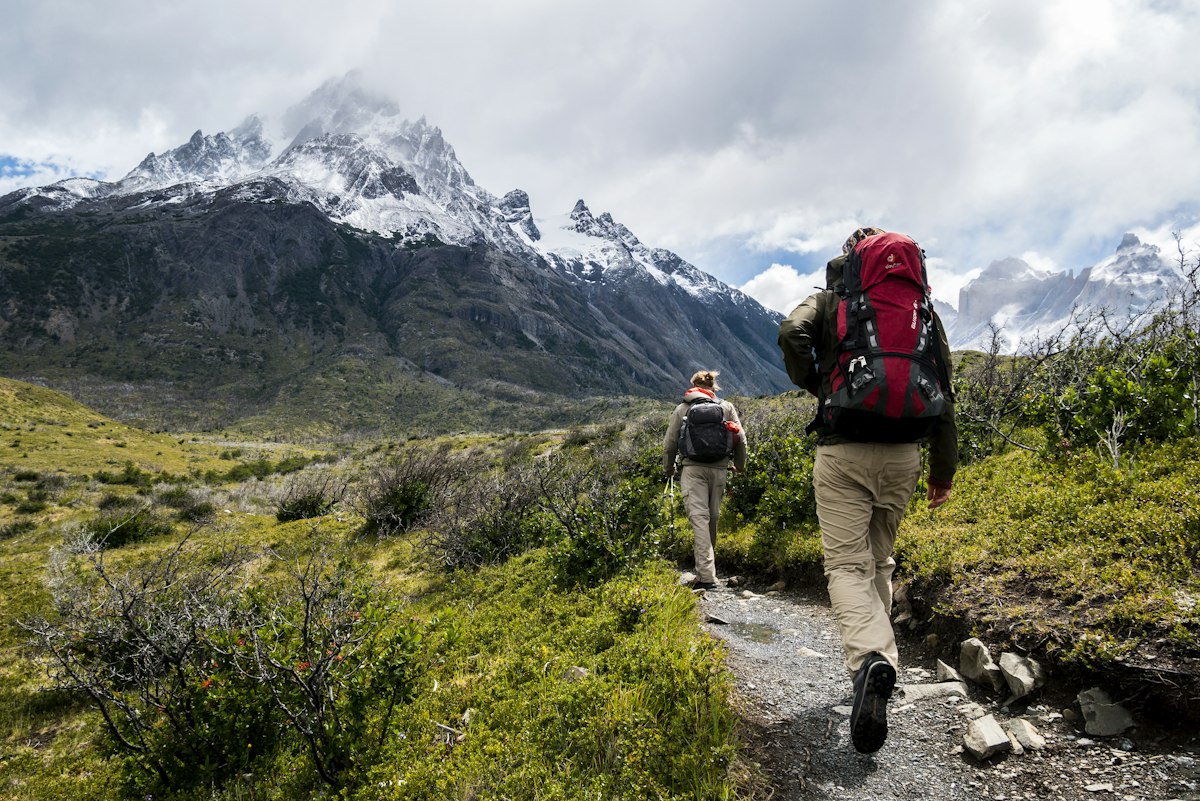
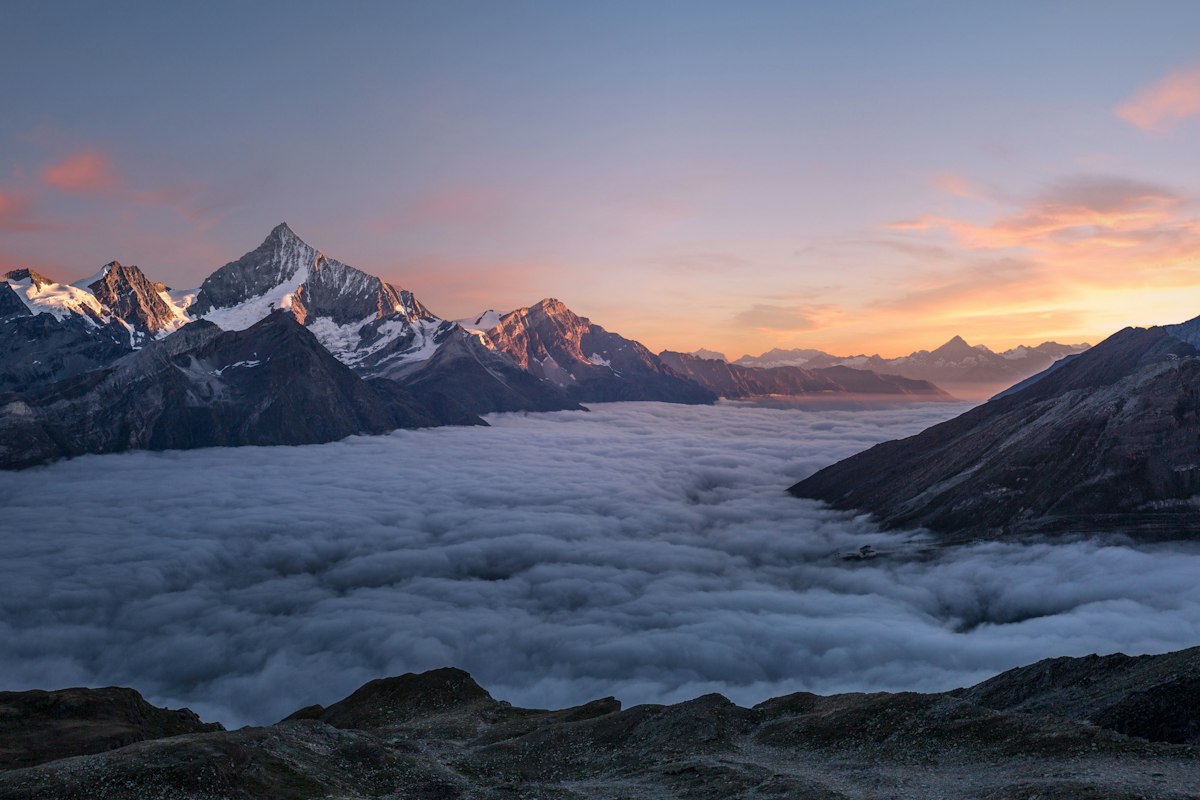
<p>Ancash, Peru, is a region of breathtaking natural beauty and rich cultural heritage. Located in the northern highlands of Peru, Ancash is home to the Cordillera Blanca and Cordillera Huayhuash, two of the most spectacular mountain ranges in the world. The Huayhuash Circuit, which winds through this region, is a 155-kilometer trek that offers hikers a chance to experience the true essence of the Andes. The landscape is characterized by towering peaks, crystal-clear lakes, and lush valleys, making it a paradise for outdoor enthusiasts.</p><p>The Cordillera Huayhuash is a smaller but equally impressive range compared to the Cordillera Blanca. It is known for its dramatic peaks, such as Yerupaja (6,634 meters) and Siula Grande (6,344 meters), which dominate the skyline. The region is also home to numerous glacial lakes, including Jahuacocha and Mitucocha, which reflect the surrounding mountains in their pristine waters. The trail passes through a variety of ecosystems, from alpine meadows to dense forests, providing a diverse and ever-changing landscape.</p><p>One of the unique aspects of the Huayhuash Circuit is its cultural significance. The region has been inhabited for thousands of years, and the trail passes through several small communities and archaeological sites. These sites offer a glimpse into the lives of the ancient Andean people who once lived here. The trail also provides an opportunity to interact with the local communities, many of which still maintain traditional ways of life. Whether you are interested in the natural beauty of the region or its rich cultural heritage, the Huayhuash Circuit is a destination that will not disappoint.</p>
Key Points of Interest
<p>One of the most iconic landmarks on the Huayhuash Circuit is Jahuacocha, a stunning turquoise lake nestled in the heart of the Cordillera Huayhuash. The lake is surrounded by towering peaks, including the imposing Yerupaja and Siula Grande, and it offers some of the most breathtaking views on the entire trek. The trail leading to Jahuacocha is relatively gentle, making it an excellent spot for a rest or a picnic.</p><p>Miticocha is another highlight of the Huayhuash Circuit, known for its crystal-clear waters and the surrounding mountain scenery. The lake is a popular spot for photography and reflection, and it is often visited by hikers looking to recharge their batteries before tackling the more challenging sections of the trail. The trail to Miticocha is well-marked and offers several opportunities to stop and enjoy the views.</p><p>The high point of the Huayhuash Circuit is the Paso de Jahuacocha, a high-altitude pass that offers panoramic views of the surrounding mountains. The pass is a challenging section of the trail, with steep ascents and descents, but the effort is well worth it for the stunning vistas. The trail leading to the pass is marked by cairns and offers several opportunities to rest and take in the scenery.</p><p>Querococha Lake is another highlight of the circuit, known for its serene beauty and the surrounding peaks. The lake is a popular spot for camping, and it offers a peaceful setting for hikers looking to spend a night under the stars. The trail leading to Querococha is relatively gentle, making it an excellent spot for a rest or a picnic.</p><p>The trail also passes through the village of Llamac, a small community that is known for its traditional Andean architecture and friendly locals. The village is a great place to rest and refuel, with several small shops and restaurants offering local cuisine. The trail leading to Llamac is well-maintained and offers several opportunities to interact with the local community.</p><p>The final highlight of the Huayhuash Circuit is the descent to the town of Chiquián, where the trek officially ends. The trail leading to Chiquián is a mix of gentle descents and flat sections, offering a chance to reflect on the journey and the incredible landscapes you have experienced. The town of Chiquián is a great place to celebrate the completion of the trek, with several small restaurants and hotels offering a warm welcome.</p>
Route Waypoints
- Jahuacocha: A stunning turquoise lake surrounded by towering peaks, including Yerupaja and Siula Grande.
- Paso de Jahuacocha: A high-altitude pass offering panoramic views of the surrounding mountains.
- Querococha Lake: A serene lake known for its clear waters and surrounding peaks.
- Llamac: A small village with traditional Andean architecture and friendly locals.
- Miticocha: A crystal-clear lake surrounded by mountain scenery.
- Paso de Viconga: Another high-altitude pass with breathtaking views of the Cordillera Huayhuash.
Getting to the Start
<p>To reach the start of the Huayhuash Circuit, you will need to travel to the town of Chiquián, which is located in the Ancash region of Peru. Chiquián is the most common starting point for the trek, and it is accessible by public transportation or private vehicle. From Lima, the capital city of Peru, you can take a bus to Huaraz, the largest city in Ancash. Huaraz is about 420 kilometers north of Lima and can be reached by bus in approximately 10 hours. Once in Huaraz, you can take a local bus or hire a private vehicle to Chiquián, which is about a 3-hour drive.</p><p>The road to Chiquián is well-maintained, but it can be steep and winding in some sections. If you are driving, be prepared for narrow roads and occasional traffic. If you are traveling by bus, the journey is scenic and offers a chance to see the beautiful landscapes of Ancash. Once you reach Chiquián, you will find a small car park near the town square where you can leave your vehicle. The car park is free, but it is advisable to leave a tip for the local caretaker. Alternatively, you can leave your vehicle in Huaraz and take a taxi or local bus to Chiquián.</p><p>If you are traveling by public transport, there are several bus companies that operate between Huaraz and Chiquián. The most reliable companies include Cruz del Sur and Ormeño. Buses typically run several times a day, and the journey takes about 3 hours. It is advisable to book your tickets in advance, especially during peak hiking season, which runs from June to August. Once you arrive in Chiquián, you can start your trek from the town square or a nearby trailhead.</p>
Tips, Safety & Travel
<p>The Huayhuash Circuit in Ancash, Peru, is a challenging but rewarding trek that requires careful preparation and planning. The trail is well-marked, but hikers should be prepared for variable weather conditions and the physical demands of the route. The best time to hike the Huayhuash Circuit is during the dry season, which runs from June to August. During this time, the weather is generally stable, and the trails are less muddy. However, hikers should be prepared for sudden changes in weather, including strong winds and occasional rain.</p><p>When planning your trip, it is essential to pack the right gear. Essential items include a high-quality tent, a sleeping bag suitable for cold temperatures, a reliable stove, and a good supply of food and water. It is also advisable to bring a first-aid kit, a map, and a GPS device. Hikers should also consider hiring a local guide, especially if they are not experienced in high-altitude trekking. Local guides are familiar with the trail and can provide valuable insights into the region’s culture and history.</p><p>For parking, there is a small car park in Chiquián where you can leave your vehicle. The car park is free, but it is advisable to leave a tip for the local caretaker. If you are traveling by public transport, it is best to leave your vehicle in Huaraz and take a taxi or local bus to Chiquián. The trail is generally safe, but hikers should be aware of the risks associated with high-altitude trekking, including altitude sickness and hypothermia. It is advisable to acclimatize for a few days before starting the trek and to carry a portable altitude meter.</p><p>In terms of safety, hikers should always inform someone of their itinerary and expected return date. It is also advisable to carry a satellite phone or a personal locator beacon in case of emergencies. The trail is well-traveled, and there are several small communities along the way where you can seek help if needed. However, it is important to be self-sufficient and prepared for any eventuality. Finally, hikers should respect the local culture and environment, leaving no trace and interacting with the local communities in a respectful and friendly manner.</p>
Wildlife & Nature Highlights
<p>The Huayhuash Circuit in Ancash, Peru, is not only a haven for hikers but also a rich habitat for a variety of flora and fauna. As you trek through the diverse landscapes of the region, you will have the opportunity to observe an array of plant and animal species that are unique to the Andes. The trail passes through several distinct ecosystems, each supporting a different community of plants and animals.</p><p>One of the most striking features of the Huayhuash Circuit is its alpine meadows, which are home to a variety of wildflowers. During the summer months, these meadows come alive with a vibrant display of colors, including the bright yellow of the Andean lupine and the delicate purple of the Andean gentian. The alpine meadows are also an important habitat for the Andean fox, a small carnivore that is well-adapted to the high-altitude environment. You may also spot the Andean hillstar, a small hummingbird that is known for its iridescent green plumage and its ability to hover at high altitudes.</p><p>As you ascend to higher elevations, you will enter the realm of the Andean condor, one of the largest flying birds in the world. These majestic birds can often be seen soaring over the peaks of the Cordillera Huayhuash, riding the thermals with ease. The Andean condor is a symbol of Andean culture and is revered by the local communities. You may also encounter the Andean spectacled bear, a rare and elusive species that is found in the cloud forests of the region. These bears are omnivorous and feed on a variety of plants and small animals.</p><p>The lakes and streams along the Huayhuash Circuit are home to a variety of aquatic life, including the Andean mountain catfish and the Andean duck. The lakes, such as Jahuacocha and Mitucocha, are also important breeding grounds for waterfowl and migratory birds. The geology of the region is equally fascinating, with the trail passing through areas of volcanic rock and glacial moraines. The Cordillera Huayhuash is part of the Andean orogeny, a geological process that has shaped the landscape over millions of years.</p>
Tags
- hiking
- Ancash
- Huayhuash Circuit
- Andes
- mountain trek
- high-altitude
- scenic views
- cultural heritage