Activity: Hiking | Difficulty: Moderate | Location: Dorset, England
The Jurassic Coast Trail Walk is a moderate difficulty route that covers 95 miles of varied coastal terrain, including cliffs, coves, and beaches. The trail is primarily an out-and-back route, with the option to start from multiple points along the coast.
Adventure Statistics
- Distance: 153.0km
- Duration: 13h 18m
- Elevation Gain: 285m
- Max Elevation: 150m
- Calories Burned: 5992
- Best Seasons: Spring, Summer, Fall, Winter
- Features: Viewpoint, Beach, Historical_site, Wildlife_viewing, Cliffs, Cove
Photos
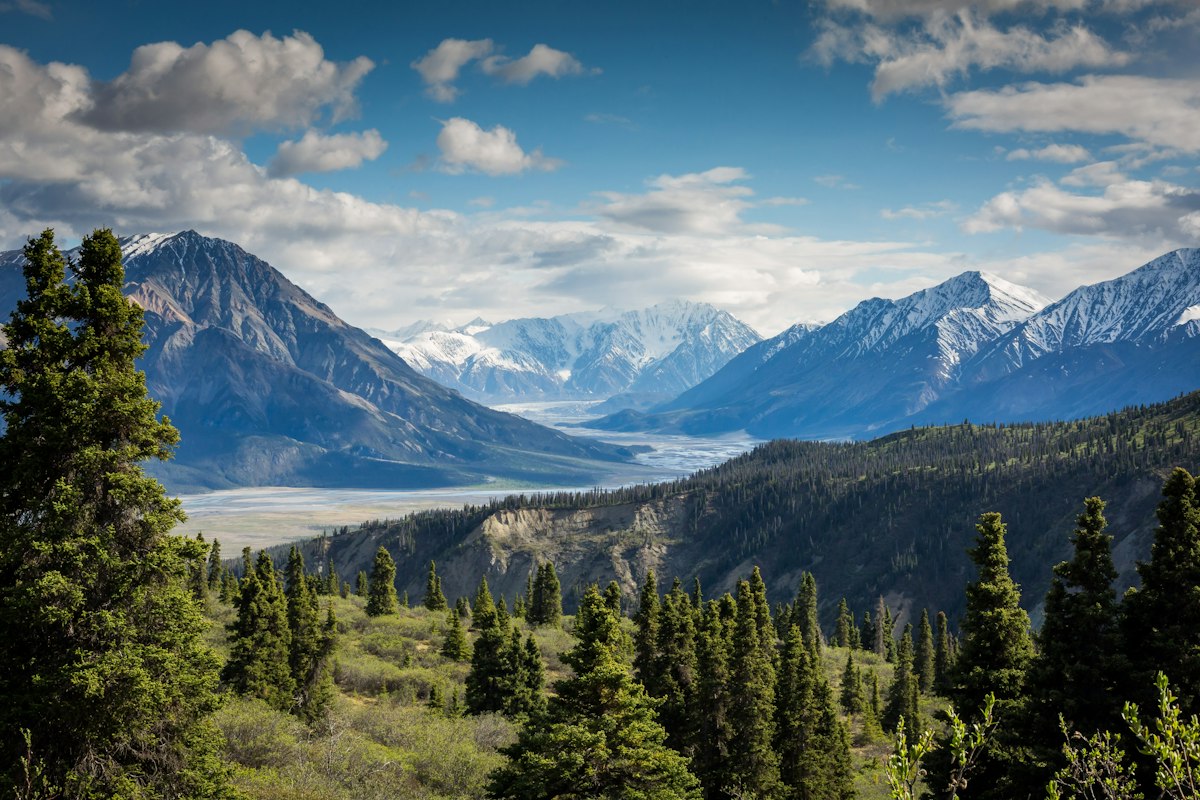


Location Overview
<p>The Jurassic Coast, located in the county of Dorset, England, is a 95-mile stretch of coastline that has been designated a UNESCO World Heritage Site. This region is renowned for its geological significance, offering a window into 185 million years of Earth's history. The landscape is a tapestry of towering cliffs, secluded coves, and expansive beaches, each with its own story to tell. The cliffs along the coast are composed of a variety of rock types, including limestone, sandstone, and shale, which have been shaped by the forces of nature over millions of years.</p><p>The Jurassic Coast is not just a geological marvel; it is also a haven for wildlife. The diverse ecosystems along the trail support a rich array of flora and fauna, from rare seabirds to colorful wildflowers. The coastline is dotted with charming towns and villages, each with its own unique character and history. From the bustling town of Bournemouth to the quaint village of Lulworth, the Jurassic Coast offers a blend of natural beauty and cultural heritage that makes it a fantastic destination for hiking.</p><p>Whether you're a seasoned hiker or a casual walker, the Jurassic Coast Trail provides a route that is both challenging and rewarding. The trail is well-maintained and marked, making it easy to navigate, and the moderate difficulty level ensures that it is accessible to a wide range of hikers. The trail offers a variety of experiences, from the peaceful solitude of secluded coves to the bustling energy of coastal towns. The Jurassic Coast is a place where the past and present converge, creating a unique and unforgettable hiking experience in England.</p>
Key Points of Interest
<p><strong>Durdle Door:</strong> One of the most iconic landmarks along the Jurassic Coast, Durdle Door is a natural limestone arch that rises majestically from the sea. The arch is a result of thousands of years of erosion and is a symbol of the coast's geological history. The viewpoint overlooking Durdle Door offers panoramic views of the arch and the surrounding coastline, making it a popular spot for photography and reflection.</p><p><strong>Lulworth Cove:</strong> Located just a short distance from Durdle Door, Lulworth Cove is a perfect example of a natural harbor. The cove is shaped like a horseshoe and is surrounded by high cliffs. The water is calm and clear, making it an ideal spot for swimming and kayaking. The cove is also a great place to explore the geology of the area, with rock formations that tell the story of the Earth's history.</p><p><strong>Corfe Castle:</strong> The ruins of Corfe Castle are a testament to the rich history of the Jurassic Coast. The castle dates back to the 11th century and was once a royal fortress. Today, the ruins stand as a reminder of the area's past and offer a glimpse into medieval life. The castle is perched on a hill, providing sweeping views of the surrounding countryside and the coast. Visitors can explore the castle grounds and learn about its historical significance through interpretive displays and guided tours.</p><p><strong>Old Harry Rocks:</strong> Located at the eastern end of the Jurassic Coast, Old Harry Rocks are a series of chalk stacks and cliffs that mark the boundary of the World Heritage Site. The rocks are named after the legendary pirate, Old Harry, and are a popular destination for hikers and climbers. The views from the top of the cliffs are breathtaking, offering a panoramic vista of the coast and the Isle of Wight in the distance.</p><p><strong>Kimmeridge Bay:</strong> Kimmeridge Bay is a sheltered cove known for its rich fossil beds. The bay is a popular spot for fossil hunting, and visitors can often find well-preserved ammonites and other marine fossils. The bay is also a great place to relax and enjoy the peaceful coastal atmosphere. The cliffs around the bay are composed of Kimmeridge Clay, which is rich in organic material and has been a source of oil and gas exploration in the past.</p><p><strong>Studland Bay:</strong> The starting point of the Jurassic Coast Trail, Studland Bay is a beautiful sandy beach that is popular with swimmers and sunbathers. The bay is part of the Studland and Godlingston Heath National Nature Reserve, which is managed by the National Trust. The reserve is home to a variety of wildlife, including rare birds and insects. The beach is also a great place to launch a kayak or paddleboard and explore the coastal waters.</p>
Route Waypoints
- Durdle Door: A natural limestone arch that rises majestically from the sea, offering panoramic views of the coast.
- Lulworth Cove: A picturesque cove surrounded by high cliffs, perfect for exploring the geology and marine life.
- Corfe Castle: The ruins of a 11th-century castle perched on a hill, providing sweeping views of the surrounding landscape.
- Kimmeridge Bay: A sheltered cove known for its rich fossil beds and calm waters, ideal for fossil hunting.
- Old Harry Rocks: A series of chalk stacks and cliffs marking the eastern end of the Jurassic Coast, offering breathtaking views.
- Lyme Regis: A historic town known as the 'Pearl of Dorset,' with a charming harbor and fossil-rich beaches.
Getting to the Start
<p>The starting point for the Jurassic Coast Trail Walk is in the charming town of Studland, located in Dorset, England. To reach Studland, you can drive from the nearby town of Swanage, which is about 5 miles away. From Swanage, take the A351 road towards Wareham and then follow the signs to Studland. The route to Studland is scenic, passing through picturesque countryside and coastal landscapes. Once you arrive in Studland, you can park at the National Trust car park, which is located near the trailhead. The car park is large and can accommodate a significant number of vehicles, but it can get busy during peak season, so it's advisable to arrive early to secure a spot. The car park is managed by the National Trust and incurs a small fee, which helps support the conservation efforts in the area.</p><p>If you prefer public transportation, you can take a bus from Bournemouth or Poole to Studland. The X53 bus service runs regularly and stops at the entrance to the National Trust car park. The bus journey offers a convenient and scenic way to reach the trailhead, allowing you to enjoy the beautiful Dorset countryside without the stress of driving. Once you arrive at the car park, you'll find information boards and maps that will help you get started on your hike. The trailhead is clearly marked, and the path is well-maintained, making it easy to begin your adventure along the Jurassic Coast.</p>
Tips, Safety & Travel
<p>Hiking the Jurassic Coast Trail is a rewarding experience, but it's important to be prepared to ensure a safe and enjoyable journey. The trail is well-marked, but some sections can be steep and rocky, especially near the cliffs. It's advisable to wear sturdy hiking boots with good traction and to carry a map and compass or a GPS device to navigate the trail. The weather along the coast can be unpredictable, so it's a good idea to check the forecast before you set out and to dress in layers to accommodate changing conditions.</p><p>The best time to hike the Jurassic Coast Trail is during the spring and summer months when the weather is generally mild and the days are longer. However, the trail can be enjoyed year-round, and the fall and winter months offer a different perspective on the landscape, with fewer crowds and the possibility of seeing wildlife. It's important to bring plenty of water and snacks, as there are limited facilities along the trail. There are a few places where you can stop for refreshments, such as the village of Lulworth and the town of Lyme Regis, but it's best to be self-sufficient.</p><p>When hiking near the cliffs, it's essential to stay on marked paths and to avoid getting too close to the edge. The cliffs can be unstable, and there is a risk of falling rocks. If you're planning to explore the fossil beds, be aware that collecting fossils is regulated to protect the site. You can collect small, loose fossils from the beach, but it's illegal to remove fossils from the cliffs. If you encounter any emergencies, such as injuries or getting lost, the nearest emergency services can be reached by dialing 999. It's also a good idea to let someone know your planned route and expected return time.</p>
Wildlife & Nature Highlights
<p>The Jurassic Coast is a haven for wildlife, offering a diverse range of habitats that support a myriad of species. As you hike along the trail, you'll have the opportunity to observe a variety of flora and fauna, each adapted to the unique coastal environment. The cliffs and rocky shores are home to numerous seabirds, including puffins, kittiwakes, and guillemots. These birds nest in the cliffs and can often be seen flying overhead or perched on the rocky ledges. The coastal waters are also rich in marine life, with seals and dolphins occasionally making appearances, especially in the early morning or late afternoon.</p><p>The coastal grasslands and woodlands provide habitats for a range of terrestrial species. You might spot rabbits, deer, and even foxes as you hike through the more secluded sections of the trail. The wildflowers that bloom along the coast are a treat for nature enthusiasts, with species such as thrift, sea campion, and bird's-foot trefoil adding splashes of color to the landscape. The geology of the area also plays a role in supporting unique plant species, such as the rare yellow-horned poppy, which thrives in the sandy soils of the beaches and dunes.</p><p>The Jurassic Coast is also a hotspot for fossil hunters. The cliffs and beaches are rich in fossils, including ammonites, belemnites, and other marine invertebrates. While collecting fossils is regulated to protect the site, you can often find small fossils washed up on the beaches. The best time to search for fossils is after a storm, when the waves have exposed new layers of rock. The combination of diverse wildlife and geological treasures makes the Jurassic Coast a fascinating and rewarding place to hike in England.</p>
Tags
- hiking
- coastal
- geology
- fossils
- UNESCO
- scenic
- historical
- nature