Activity: Hiking | Difficulty: Hard | Location: Blackness, Scotland
The Blackness Summit Trail is a hard-rated hiking route that covers approximately 10 kilometers of varied terrain, including woodlands, open fields, and rocky outcrops. The trail is an out-and-back route that starts and ends near the Blackness Castle car park.
Adventure Statistics
- Distance: 10.0km
- Duration: 1h 43m
- Elevation Gain: 95m
- Max Elevation: 100m
- Calories Burned: 775
- Best Seasons: Spring, Summer, Fall, Winter
- Features: Viewpoint, Summit, Forest, Historical_site, Parking
Photos
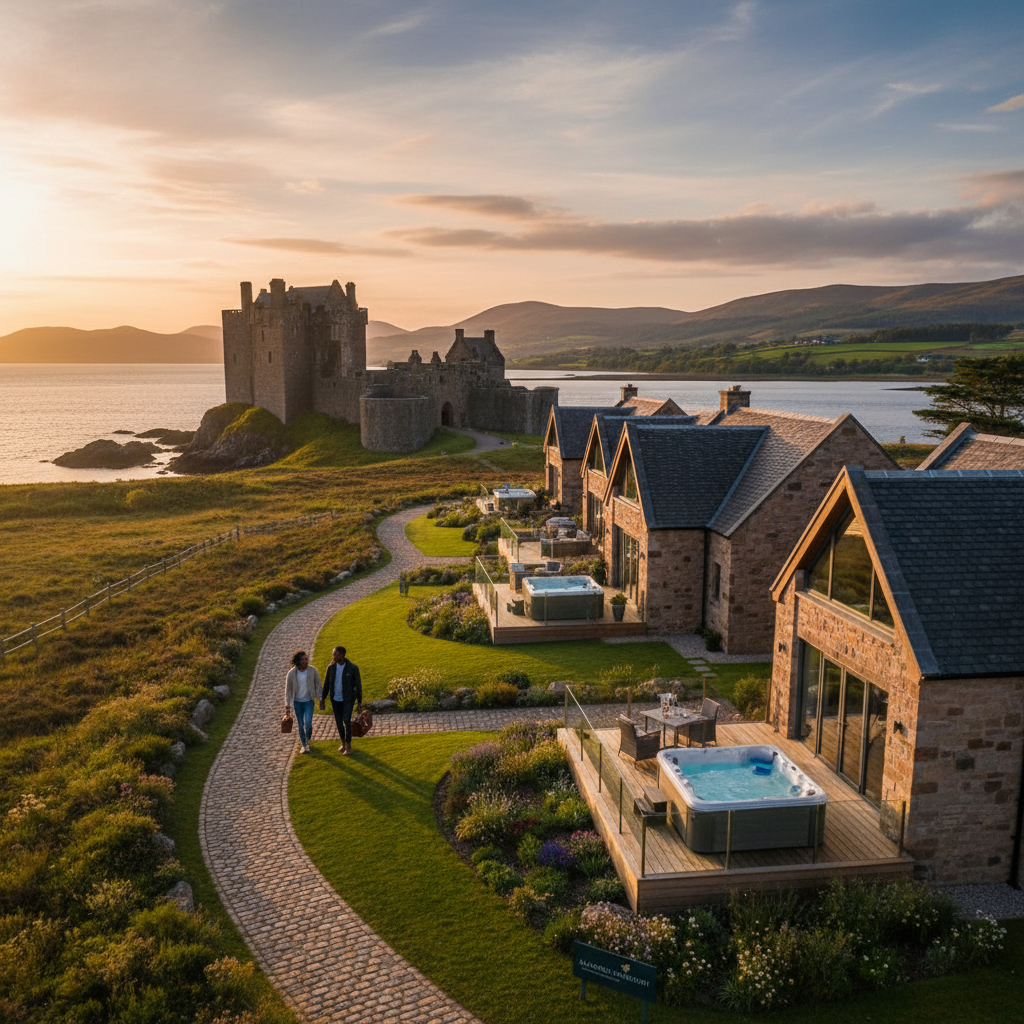
Location Overview
<p>Blackness, a small village located on the southern shore of the Firth of Forth in the Lothian region of Scotland, is a hidden gem that offers a wealth of natural and historical attractions. The village itself is home to the iconic Blackness Castle, a 15th-century fortress that has played a significant role in Scottish history. The castle's imposing presence and strategic location on the Firth of Forth make it a must-visit destination for history enthusiasts and photographers alike.</p><p>The surrounding landscape is a mix of coastal plains, rolling hills, and dense woodlands, providing a diverse and picturesque setting for outdoor enthusiasts. The Blackness Summit Trail takes advantage of this varied terrain, offering hikers a chance to experience the best of what the region has to offer. The trail starts near the village and quickly leads you into the heart of the countryside, where you'll find yourself surrounded by nature at its finest.</p><p>The coastal plains around Blackness are home to a variety of wildlife, including birds such as oystercatchers and curlews, which can often be seen along the shoreline. The woodlands are a haven for small mammals and insects, and the open fields are a great place to spot rabbits and hares. The Firth of Forth is also a migratory route for many bird species, making it a prime location for birdwatching.</p><p>The Blackness Summit Trail is not just a physical challenge; it's a journey through time and nature. The trail passes by several historical sites, including the remains of old farmsteads and ancient stone walls that tell the story of the area's agricultural past. The summit itself offers a panoramic view that stretches from the Firth of Forth to the distant hills, providing a sense of connection to the broader landscape and the rich history of the region.</p><p>For those who enjoy a more leisurely pace, the village of Blackness itself is a charming destination. The narrow streets and historic buildings offer a glimpse into the past, and the local pub is a great place to relax and enjoy a pint after a long day on the trail. Whether you're a history buff, a nature lover, or an adventure seeker, Blackness and its surrounding area have something to offer everyone.</p>
Key Points of Interest
<p>The Blackness Summit Trail is dotted with several landmarks and viewpoints that make the hike a memorable experience. Each point offers a unique perspective on the landscape and a chance to connect with the history and natural beauty of the area.</p><p><strong>Blackness Castle:</strong> The trail begins near the iconic Blackness Castle, a 15th-century fortress that has played a significant role in Scottish history. The castle's imposing presence and strategic location on the Firth of Forth make it a must-see destination. Visitors can explore the castle's towers and learn about its rich history through guided tours and exhibits.</p><p><strong>Woodland Path:</strong> As you leave the castle behind, the trail takes you into a dense woodland. The path is well-maintained and offers a peaceful respite from the hustle and bustle of the village. The forest is home to a variety of wildlife, and the canopy provides a cool and shaded environment, even on the hottest days.</p><p><strong>Viewpoint Over the Firth of Forth:</strong> One of the highlights of the trail is a viewpoint that offers a panoramic view of the Firth of Forth. On a clear day, you can see the distant hills and the bridges that span the estuary. This is a great spot to take a break, enjoy the view, and perhaps capture a few photos.</p><p><strong>Old Farmstead Ruins:</strong> As you continue along the trail, you'll pass by the remains of old farmsteads. These ruins are a testament to the area's agricultural past and provide a glimpse into the lives of the people who once lived and worked in this region. The stone walls and foundations are overgrown with moss and wildflowers, creating a picturesque and tranquil setting.</p><p><strong>Summit Rock:</strong> The highest point on the trail is a rocky outcrop known as Summit Rock. From here, you can enjoy a 360-degree view of the surrounding landscape. On a clear day, you can see the distant peaks of the Ochil Hills to the north and the rolling hills of the Lothian region to the south. The summit is a perfect spot for a picnic or a moment of quiet reflection.</p><p><strong>Descent Through Open Fields:</strong> The descent back to the trailhead takes you through open fields, offering different angles and perspectives of the landscape. The fields are often grazed by sheep, and the views of the Firth of Forth are just as spectacular on the way down. The path is well-marked, and the terrain is relatively gentle, making the descent a pleasant and rewarding part of the hike.</p>
Route Waypoints
- Woodland Path Entrance: The trail enters a dense woodland, offering a peaceful and shaded environment.
- Firth of Forth Viewpoint: A panoramic view of the Firth of Forth, with distant hills and bridges visible on a clear day.
- Old Farmstead Ruins: The remains of old farmsteads, providing a glimpse into the area's agricultural past.
- Summit Rock: The highest point on the trail, offering a 360-degree view of the surrounding landscape.
- Descent Through Open Fields: The descent back to the trailhead, with views of the Firth of Forth and grazing sheep.
Getting to the Start
<p>To reach the start of the Blackness Summit Trail, the easiest way is to drive to the village of Blackness. The trailhead is located near the Blackness Castle car park, which is well signposted and easy to find. If you're coming from Edinburgh, take the A90 north towards Kirkliston, then follow the A985 towards Linlithgow. From there, take the B9080 towards Blackness, and you'll see the signs for the castle and the car park.</p><p>The Blackness Castle car park is a large, gravel-surfaced area that can accommodate several vehicles. There is a small fee for parking, which helps support the maintenance of the castle and the surrounding area. The car park is open year-round, and there are toilets and picnic areas available for visitors. If you're planning to hike the Blackness Summit Trail, it's a good idea to arrive early, especially on weekends, as the car park can get busy during peak times.</p><p>For those who prefer public transport, there are bus services that run from Edinburgh to Blackness. The X45 and X46 buses, operated by Lothian Buses, stop near the castle, making it easy to reach the trailhead without a car. The journey from Edinburgh takes about 45 minutes, and the buses run several times a day, so you can plan your trip around your schedule. If you're arriving by bus, the trailhead is a short walk from the bus stop, and there are clear signs to guide you to the start of the trail.</p>
Tips, Safety & Travel
<p>The Blackness Summit Trail is a challenging but rewarding hike that requires careful preparation and attention to safety. Here are some practical tips to ensure you have a safe and enjoyable experience:</p><p><strong>Parking:</strong> The Blackness Castle car park is the recommended starting point for the trail. It is a large, gravel-surfaced area that can accommodate several vehicles. There is a small fee for parking, which helps support the maintenance of the castle and the surrounding area. If you're planning to hike the trail, it's a good idea to arrive early, especially on weekends, as the car park can get busy during peak times.</p><p><strong>Best Conditions and Season:</strong> The best time to hike the Blackness Summit Trail is during the spring and fall, when the weather is mild and the landscapes are at their most vibrant. Spring offers a profusion of wildflowers, while fall provides a stunning display of autumn colors. However, the trail can be hiked year-round, and each season has its own unique charm. Just be prepared for the possibility of rain and cooler temperatures, especially in the winter months.</p><p><strong>What to Bring:</strong> Essential items to bring on your hike include sturdy hiking boots, layered clothing, a waterproof jacket, a map and compass or GPS device, plenty of water, snacks, and a first-aid kit. A camera is also recommended to capture the beautiful views and wildlife you'll encounter along the way. If you plan to spend a longer time at the summit, consider bringing a picnic lunch and a blanket.</p><p><strong>Safety Advice:</strong> The trail is well-marked, but some sections can be steep and rocky, especially in wet or slippery conditions. Use caution when navigating these areas, and consider using trekking poles for added stability. Always stay on the marked trail to avoid getting lost or damaging the natural environment. If you're hiking alone, let someone know your planned route and expected return time.</p><p><strong>Weather and Terrain Hazards:</strong> The weather in the Lothian region can be unpredictable, so it's important to check the forecast before you set out. Strong winds and heavy rain can make the trail slippery and difficult to navigate, especially on the rocky sections. In the winter, snow and ice can make the trail treacherous, so it's best to avoid hiking during these conditions unless you are experienced and well-prepared.</p><p><strong>Emergency Notes:</strong> In case of an emergency, the nearest medical facilities are in Linlithgow and Edinburgh. If you need to call for help, the UK emergency number is 999. It's a good idea to carry a fully charged mobile phone and a portable charger, as well as a whistle to attract attention if needed. Always hike with a buddy if possible, and be aware of your surroundings at all times.</p>
Wildlife & Nature Highlights
<p>The Blackness Summit Trail is a haven for wildlife enthusiasts, offering a rich variety of flora and fauna that can be observed throughout the year. As you hike through the diverse landscapes, you'll have the opportunity to spot a wide range of species, from common garden birds to more elusive woodland creatures.</p><p>One of the most striking features of the area is the presence of the Firth of Forth, which serves as a crucial habitat for many bird species. Oystercatchers and curlews are often seen along the shoreline, their distinctive calls adding a musical backdrop to your hike. The estuary is also a migratory route for various species, making it a prime location for birdwatching, especially during the spring and fall migration seasons.</p><p>In the woodlands, you'll find a diverse ecosystem that supports a variety of small mammals and insects. Squirrels, rabbits, and hares are common sights, and if you're lucky, you might catch a glimpse of a roe deer or a red fox. The trees provide a canopy that shelters a wide range of bird species, including robins, blackbirds, and woodpeckers. The forest floor is carpeted with wildflowers in the spring, creating a colorful and fragrant environment.</p><p>The open fields around the trail are also rich in wildlife. Butterflies and bees are abundant, and the fields are a great place to spot wildflowers such as buttercups, daisies, and clover. The fields are often grazed by sheep, which help maintain the ecosystem by keeping the grass short and promoting the growth of a diverse range of plant species.</p><p>Geologically, the area around Blackness is characterized by a mix of sedimentary and igneous rocks. The rocky outcrops along the trail provide a unique habitat for lichens and mosses, which thrive in the damp, shaded conditions. The Firth of Forth itself is a glacial valley, and the surrounding hills are part of the Midland Valley, a geological region known for its diverse rock formations and mineral deposits.</p>
Tags
- hiking
- scenic views
- historical sites
- nature
- challenging
- outdoor adventure
- Lothian
- Scotland