Activity: Hiking | Difficulty: Hard | Location: Cambridge, England
The Cambridge Summit Trail is a challenging out-and-back route that takes hikers through diverse terrain, including woodlands, meadows, and chalk downlands. The trail culminates at the highest point near Cambridge, offering panoramic views of the city and the surrounding countryside.
Adventure Statistics
- Distance: 12.5km
- Duration: 2h 12m
- Elevation Gain: 80m
- Max Elevation: 100m
- Calories Burned: 993
- Best Seasons: Spring, Summer, Fall, Winter
- Features: Viewpoint, Summit, Forest, Wildlife_viewing, Historical_site, Parking
Photos
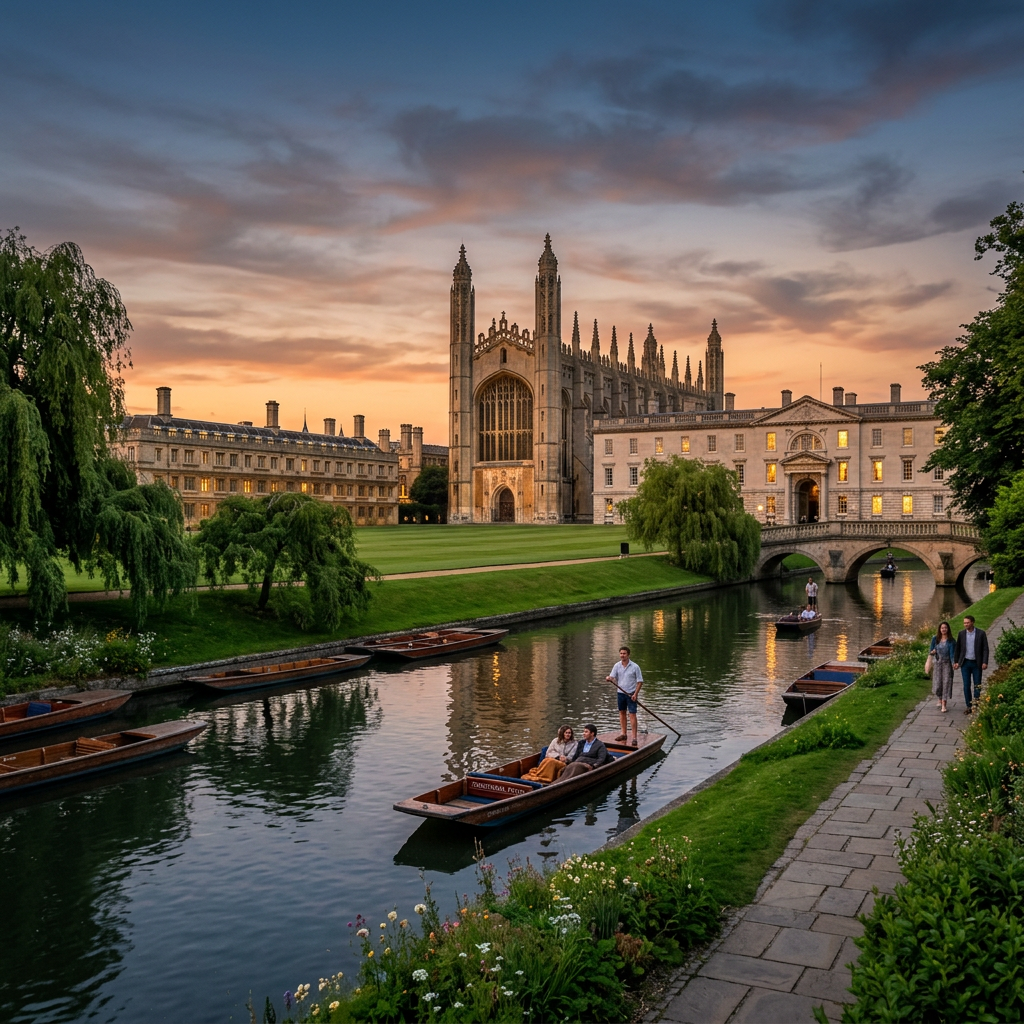
Location Overview
<p>The Cambridge Summit Trail is located in the heart of the East Anglian countryside, just a short distance from the historic city of Cambridge. This region is characterized by its rolling hills, lush woodlands, and open fields, creating a diverse and picturesque landscape that is perfect for hiking. The trail itself is set against a backdrop of ancient woodlands, historic sites, and scenic viewpoints, offering a unique blend of natural beauty and cultural heritage.</p><p>Cambridge, known for its world-renamous university and picturesque riverside, is surrounded by a network of trails and paths that cater to a variety of outdoor activities. The Cambridge Summit Trail is one of the most challenging and rewarding of these routes, offering a true test of endurance and skill. The trail begins in the outskirts of Cambridge, where the urban landscape gives way to the natural beauty of the countryside. As you hike, you'll pass through a variety of landscapes, from dense woodlands to open meadows, each with its own unique charm and character.</p><p>The area around the trail is also rich in history, with numerous archaeological sites and historic landmarks that provide a glimpse into the region's past. From ancient stone walls to hidden ruins, the trail offers a fascinating journey through time. The combination of natural beauty and historical significance makes the Cambridge Summit Trail a must-visit destination for anyone looking to explore the outdoors in the Cambridge area.</p>
Key Points of Interest
<p>The Cambridge Summit Trail is punctuated by several key landmarks and viewpoints that make the hike truly memorable. One of the first highlights you'll encounter is the <strong>Madingley Wood</strong>, a large ancient woodland that is home to a variety of tree species and a rich understory of wildflowers. The wood is a tranquil and peaceful place, perfect for a leisurely stroll or a picnic. As you continue along the trail, you'll reach the <strong>Madingley Hall</strong>, a historic country house that dates back to the 16th century. The hall and its surrounding gardens are a testament to the region's architectural heritage and offer a glimpse into the past.</p><p>Further along the trail, you'll come to the <strong>Cambridge Views Point</strong>, a scenic overlook that provides a panoramic view of the city of Cambridge and the surrounding countryside. This is a great spot to stop and take in the breathtaking scenery, and it's particularly beautiful at sunrise or sunset. The <strong>Chalk Downland</strong> section of the trail is another highlight, with its unique landscape of rolling hills and chalk grassland. This area is home to a variety of rare plant and animal species and is a designated Site of Special Scientific Interest (SSSI).</p><p>As you approach the highest point of the trail, you'll reach the <strong>Cambridge Summit</strong>. This is the culmination of your hike and offers a 360-degree view of the surrounding landscape. On a clear day, you can see for miles, taking in the patchwork of fields, woodlands, and the spires of Cambridge in the distance. The summit is a great place to take a break, enjoy a snack, and reflect on the journey so far.</p><p>On the return leg of the hike, you'll pass through the <strong>Grassy Meadows</strong>, a series of open fields that are home to a variety of wildlife. These meadows are particularly beautiful in the spring and summer, when they are filled with wildflowers and the sounds of birdsong. The final section of the trail takes you back through the <strong>Madingley Wood</strong>, providing a peaceful and scenic conclusion to your adventure.</p>
Route Waypoints
- Madingley Wood Entrance: The entrance to the ancient woodland, marked by a wooden signpost. The wood is a peaceful and scenic place to begin your hike.
- Madingley Hall: A historic 16th-century country house with beautiful gardens. The hall is a testament to the region's architectural heritage.
- Cambridge Views Point: A scenic overlook that provides a panoramic view of the city of Cambridge and the surrounding countryside. This is a great spot for photos and a rest.
- Chalk Downland: A unique landscape of rolling hills and chalk grassland, home to a variety of rare plant and animal species.
- Cambridge Summit: The highest point of the trail, offering a 360-degree view of the surrounding landscape. This is the culmination of your hike.
- Grassy Meadows: A series of open fields that are particularly beautiful in the spring and summer, filled with wildflowers and wildlife.
Getting to the Start
<p>To reach the start of the Cambridge Summit Trail, you can begin your journey from the city center of Cambridge. The trailhead is located just outside the city, making it easily accessible by car or public transport. If you're driving, the most convenient starting point is the Madingley Road Car Park, which is located on Madingley Road (A1303). This car park is well-maintained and offers ample space for visitors. It is free to park here, but it is a popular spot, especially on weekends, so it's advisable to arrive early to secure a spot.</p><p>If you're using public transport, the nearest bus stop is the Madingley Road stop, which is served by several local bus routes. From the bus stop, it's a short walk to the trailhead. The 7 and 7A bus routes connect the city center to Madingley Road, and the journey takes approximately 20 minutes. The bus stop is clearly marked, and the trailhead is well-signposted from there.</p><p>For those arriving by train, Cambridge Station is the closest station, and it is well-connected to major cities across the UK. From the station, you can take a bus or taxi to Madingley Road. The journey by bus takes about 30 minutes, while a taxi will take around 10 minutes and cost approximately £10-15. Once you reach Madingley Road, the trailhead is a short walk away, and you'll be ready to begin your adventure on the Cambridge Summit Trail.</p>
Tips, Safety & Travel
<p>Before embarking on the Cambridge Summit Trail, it's important to be well-prepared to ensure a safe and enjoyable experience. The trail is challenging and requires a good level of fitness and hiking experience. It's advisable to wear sturdy hiking boots and to bring plenty of water, snacks, and a map or GPS device. The trail is generally well-marked, but it's always a good idea to have a backup plan in case of poor visibility or unexpected detours.</p><p>The best time to hike the Cambridge Summit Trail is during the spring and summer months when the weather is mild and the landscapes are at their most vibrant. However, the trail can be hiked year-round, and each season offers its own unique beauty. In the fall, the woodlands are a tapestry of gold and red, while in the winter, the stark landscape provides a different kind of serenity.</p><p>When it comes to safety, it's important to be aware of the terrain and weather conditions. The trail includes some steep sections and uneven ground, so hikers should be cautious and use trekking poles if needed. In wet weather, the paths can become slippery, so it's essential to wear appropriate footwear. It's also a good idea to check the weather forecast before setting out and to be prepared for changes in conditions.</p><p>In case of an emergency, the nearest medical facilities are in Cambridge, and there are several phone boxes along the trail where you can call for help. It's always a good idea to let someone know your planned route and expected return time. Finally, respect the natural environment and leave no trace. Pack out all your trash and avoid disturbing the wildlife and vegetation. By following these tips, you can ensure a safe and memorable hike on the Cambridge Summit Trail.</p>
Wildlife & Nature Highlights
<p>The Cambridge Summit Trail is not only a haven for hikers but also a rich ecosystem that supports a diverse array of flora and fauna. As you hike, keep an eye out for the many species of plants and animals that call this area home. The woodlands along the trail are particularly notable for their biodiversity. You might spot oak, beech, and ash trees, which provide a canopy of green throughout the year. In the spring and summer, the forest floor is carpeted with wildflowers, including bluebells, wood anemones, and primroses, creating a vibrant and fragrant environment.</p><p>Birdwatchers will be delighted by the variety of bird species that can be observed along the trail. Common sightings include robins, blackbirds, and great tits, while more elusive species such as woodpeckers and owls can be spotted with patience. The open fields and meadows are home to a variety of small mammals, including rabbits and voles, which are often seen darting through the undergrowth. In the early morning or late evening, you might catch a glimpse of deer grazing in the fields.</p><p>The area is also rich in geological features, with the underlying chalk hills providing a unique habitat for a range of plant and animal species. The chalk downlands support a variety of grasses and wildflowers that are adapted to the alkaline soil conditions. Keep an eye out for chalk-loving plants such as horseshoe vetch and kidney vetch, which are important for the survival of rare butterfly species like the chalkhill blue.</p>
Tags
- hiking
- Cambridge
- outdoor adventure
- nature
- scenic views
- historical sites
- wildlife
- challenging trail