🏔️ Discovering Annat's Highland Setting
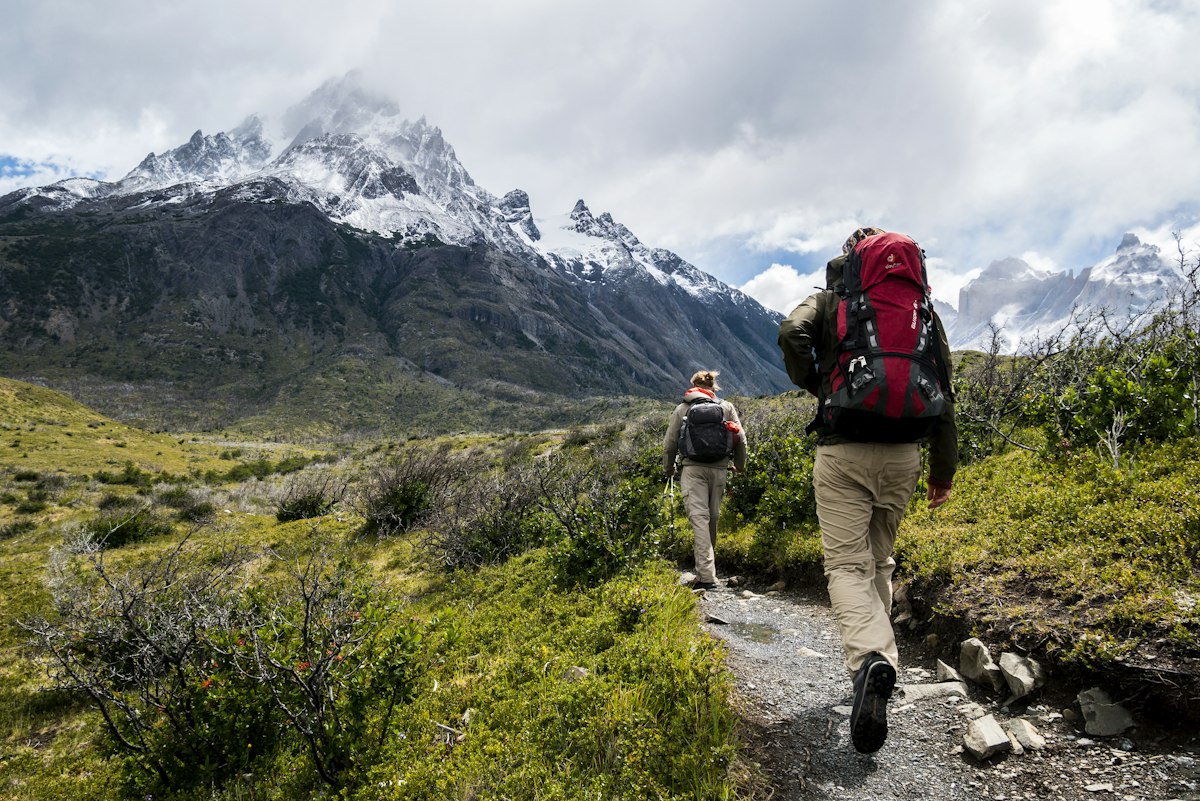
Nestled within the breathtaking landscapes of Ross and Cromarty, Annat represents one of the Scottish Highlands' most captivating destinations for nature enthusiasts and adventure seekers. This charming hamlet sits strategically along the shores of Loch Torridon, surrounded by ancient Caledonian pine forests and towering mountain ranges that define the region's dramatic character. The settlement's position offers unparalleled access to some of Scotland's most pristine wilderness areas, where rugged terrain meets tranquil coastal waters. Visitors arriving at this Highland gem immediately sense the profound connection between land and sea that has shaped local culture for centuries. The surrounding landscape features distinctive Torridonian sandstone peaks, some of the oldest rock formations on Earth, creating a geological wonderland that attracts outdoor enthusiasts from across the globe. Whether you're seeking challenging mountain ascents, peaceful woodland rambles, or coastal exploration, this location serves as an ideal basecamp for experiencing authentic Highland wilderness in its most unspoiled form.
🚗 Journey Planning & Access Routes
Reaching this Highland destination requires thoughtful planning, though the journey itself becomes part of the adventure through spectacular Scottish scenery. From Inverness, the Highland capital located approximately 65 miles northeast, travelers follow the A835 westward before joining the A832 through Kinlochewe, then continuing onto the A896 coastal route—a drive typically taking around 90 minutes through increasingly dramatic landscapes. Those approaching from the south via Fort William can expect a longer but equally stunning journey of approximately 2.5 hours, traversing through Glen Carron and past numerous lochs that characterize this region. Public transport options exist through regional bus services connecting to larger Highland towns, though schedules remain limited and require advance planning for seamless connections. The nearest railway station operates at Achnasheen, roughly 20 miles distant, where taxi services or pre-arranged transfers become necessary for final approach. Parking facilities near popular trailheads accommodate visitors, though spaces fill quickly during peak summer months and favorable weather windows. Early morning arrivals typically secure better positioning for day-long expeditions into the surrounding wilderness areas, allowing maximum daylight hours for exploration and safe return before dusk settles across the mountains.
🦌 Natural Wonders & Wildlife Encounters
The diverse ecosystems surrounding this Highland location support remarkable biodiversity that captivates naturalists and casual observers alike throughout changing seasons. Red deer populations roam freely across hillsides and glens, particularly visible during early morning and evening hours when these majestic creatures descend to lower elevations for grazing. Birdwatchers discover exceptional opportunities for spotting golden eagles soaring above mountain ridges, while coastal areas attract seabirds including guillemots, razorbills, and occasional white-tailed sea eagles reintroduced to Scottish skies. The ancient woodland fragments harbor pine martens, red squirrels, and numerous songbird species that thrive within these protected habitats. Marine life flourishes in surrounding waters, where seals frequently haul out on rocky shores and porpoises occasionally surface in sheltered bays. Seasonal variations bring different wildlife spectacles—spring witnesses nesting activity and newborn deer calves, summer showcases abundant wildflowers attracting butterflies and pollinators, autumn features dramatic red deer rutting displays, while winter offers chances to observe hardy species adapted to harsh Highland conditions in their most resilient state.
📍 Essential Waypoints & Navigation Details
Exploring Annat Ross & Cromarty Outdoor Activities requires understanding key landmarks and access points that unlock the region's finest experiences. The Beinn Eighe National Nature Reserve, Britain's oldest wildlife sanctuary established in 1951, lies immediately adjacent and offers multiple trail options ranging from gentle woodland circuits to challenging mountain ascents—the Mountain Trail (grid reference NG001650) climbs steeply through ancient pinewoods before emerging onto exposed ridges with panoramic vistas extending across Torridon's iconic peaks. From the main settlement, head northwest along the minor road for approximately 0.8 miles to reach the Woodland Trail car park, where a well-maintained 3-mile loop provides accessible introduction to Caledonian forest ecosystems with interpretive signage explaining ecological significance. For coastal exploration, the shoreline path extending eastward from the village center follows Loch Torridon's edge for roughly 2 miles, offering level walking with constant water views and opportunities for seal spotting—this route connects eventually to Shieldaig, creating options for extended linear walks with return transport arrangements. The Coire Dubh Mor approach (accessed via A896, parking at NG958568) serves experienced hillwalkers targeting Liathach's northern corries, though this demanding route requires navigation skills, appropriate equipment, and favorable conditions. Local topographic maps (OS Landranger 19 or Explorer 433) prove essential for safe exploration beyond marked trails, while GPS devices provide additional security when venturing into remote terrain where weather can change rapidly and visibility diminish without warning.
⚠️ Practical Guidance & Safety Essentials
Successful Highland adventures depend upon thorough preparation and respect for the powerful natural environment characterizing this region. Weather conditions change dramatically and unpredictably—always carry waterproof layers, warm clothing, and emergency supplies regardless of forecast or season, as mountain microclimates differ significantly from coastal conditions. Mobile phone coverage remains patchy or nonexistent in many areas, making detailed route planning and informing others of your intentions absolutely critical before departure. The Scottish Outdoor Access Code grants responsible access to most land, though during deer stalking season (typically August through October) and lambing periods (April through May), checking with local estates about temporary restrictions demonstrates courtesy and ensures safety. Midges become notoriously troublesome from late May through September, particularly during calm, overcast conditions—effective repellent and head nets transform comfort levels significantly. Tick awareness remains important when walking through vegetation, with prompt removal and monitoring reducing Lyme disease risks. Emergency services respond through standard 999 calls, though precise location information using grid references or what3words coordinates expedites mountain rescue deployment when required. Local accommodation providers, visitor centers, and outdoor shops offer current condition reports, weather updates, and route advice that proves invaluable for maximizing safety and enjoyment throughout your Annat Ross & Cromarty Outdoor Activities experience.