🏔️
Discovering Derbyshire's Natural Landscape
Nestled within England's heart lies a county where limestone dales meet windswept moorlands, creating an outdoor enthusiast's paradise that beckons throughout every season.
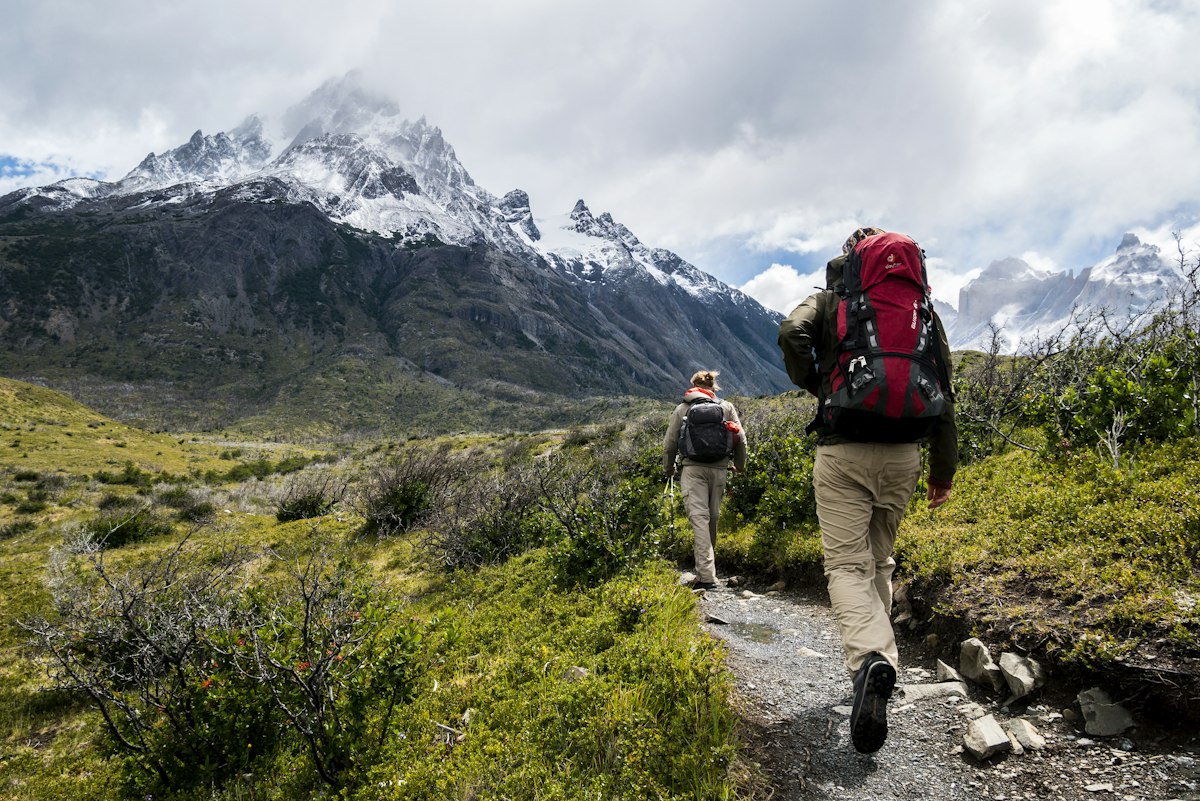
The region encompasses the southern Peak District National Park, Britain's first designated national park established in 1951, alongside picturesque market towns and historic estates. Rolling hills stretch across 2,625 square kilometres, presenting diverse terrain from the dramatic gritstone edges of the Dark Peak to the gentle valleys of the White Peak. Ancient woodlands carpet steep hillsides while crystal-clear rivers carve through ancient rock formations, creating landscapes shaped over millions of years. Villages constructed from local stone blend seamlessly into countryside that has inspired poets, artists and adventurers for centuries, offering genuine escape from urban pressures whilst remaining accessible from major northern cities within an hour's journey.
🚗
Planning Your Journey Into Derbyshire
Excellent transport connections make reaching this outdoor wonderland straightforward, whether travelling by private vehicle, public transport or bicycle.
🚉 Rail Connections
Manchester Piccadilly and Sheffield stations provide main line access, with connecting services to Buxton, Matlock, Chesterfield and Derby. The Hope Valley Line offers spectacular scenery between Manchester and Sheffield, stopping at Edale, Hope and Bamford—gateways to premier walking country. East Midlands Railway operates frequent services from London St Pancras, reaching Derby in approximately ninety minutes.
🚌 Coach and Bus Networks
TransPeak services connect Manchester Airport with Buxton, Bakewell and Nottingham, traversing stunning Peak District scenery. Local operators provide rural routes serving villages and trailheads, though services reduce considerably on Sundays and during winter months. The High Peak and TM Travel networks cover most popular outdoor activity locations, enabling car-free adventures when carefully planned.
🦌
Wildlife Encounters and Natural Treasures
Derbyshire's varied habitats support remarkable biodiversity, from rare birds soaring above moorland to otters patrolling riverbanks beneath ancient bridges.
Mountain hares turn white against winter snow on high plateaus, whilst red deer stags roar during autumn rutting season in eastern woodlands. Peregrine falcons nest on gritstone crags, diving at breathtaking speeds to catch prey, and ring ouzels—Britain's mountain blackbirds—arrive each spring to breed on rocky hillsides. Beneath ground, cave systems harbour unique invertebrates found nowhere else on Earth. Meadows burst with wildflowers between May and August, attracting clouds of butterflies including the distinctive northern brown argus. Ancient ash woodlands along dale sides host pied flycatchers and wood warblers, whilst limestone grasslands support rare orchids and hundreds of plant species on steep slopes where traditional farming methods persist. Dawn and dusk provide optimal viewing opportunities, particularly during spring and autumn migrations.
📍
Essential Locations and Activity Centres
Strategic bases throughout the county unlock different facets of Derbyshire Outdoor Activities, each offering distinct character and access to varied terrain.
⛰️ Stanage Edge
From Hathersage (A6187), follow signs to Dennis Knoll car park (S32 1BZ). This four-mile gritstone escarpment reaches 458 metres, providing world-class climbing on over 5,000 documented routes alongside spectacular walking across heather moorland. Sunrise views across Hope Valley remain unforgettable, with Sheffield visible on clear days. Approach from the north via the A57 Snake Pass or south through Hathersage village.
🚴 Monsal Trail
Access points at Bakewell (DE45 1NW), Hassop or Miller's Dale offer 8.5 miles of traffic-free cycling and walking along a converted railway viaduct through dramatic scenery. Former tunnels now illuminate, enabling year-round use. The route passes through deep cuttings and crosses historic viaducts, connecting with local villages and cafes. Free parking available at Hassop Station (SK217701).
💧 Derwent Valley
Follow A57 west from Sheffield, turning north at Ladybower Reservoir. Three magnificent reservoirs—Howden, Derwent and Ladybower—provide sailing, paddle boarding and reservoir-side walks beneath dramatic moorland. Fairholmes Visitor Centre (S33 0AQ) offers parking, facilities and information. The famous Derwent Dam, used by 617 Squadron for Dambusters practice runs, presents remarkable engineering heritage alongside natural beauty.
⚠️
Safety Guidelines and Practical Recommendations
Proper preparation ensures enjoyable, secure experiences when exploring Derbyshire Outdoor Activities across this sometimes challenging terrain.
Weather changes rapidly, particularly above 400 metres where conditions deteriorate quickly—carry waterproofs regardless of forecasts. Mobile coverage remains patchy across moorland areas; inform someone of your planned route and expected return time before departing. Appropriate footwear prevents ankle injuries on uneven paths, whilst layered clothing allows adjustment to changing temperatures. Between November and March, daylight hours limit significantly; carry torches and allow extra time. Limestone areas contain hidden mine shafts and cave entrances—stick to marked paths unless qualified for underground exploration. Livestock graze many access areas; dogs require leads near sheep, particularly during lambing season from March through May. Download offline maps as phone signal cannot be guaranteed, and carry emergency supplies including whistle, first aid kit and high-energy food. Respect local communities by parking considerately and following the Countryside Code at all times.